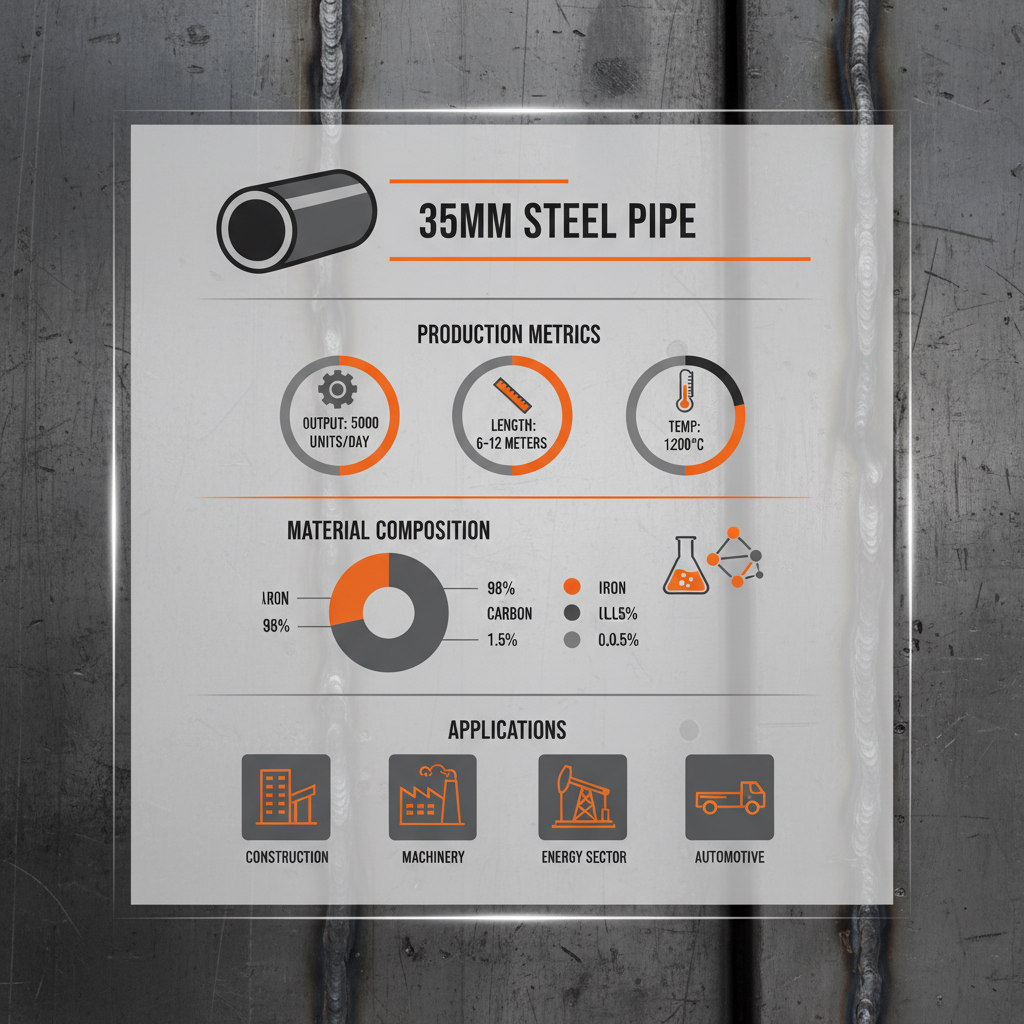
35mm steel pipe is a versatile material widely used across numerous industries, from construction and infrastructure to oil & gas and manufacturing. Its strength, durability, and cost-effectiveness make it an ideal choice for fluid transport, structural support, and various mechanical applications. This article provides a comprehensive overview of 35mm steel pipe, covering its applications, specifications, different types, and factors to consider when sourcing from a reliable supplier like Lion Pipeline. Choosing the right steel pipe is crucial for project success and safety.
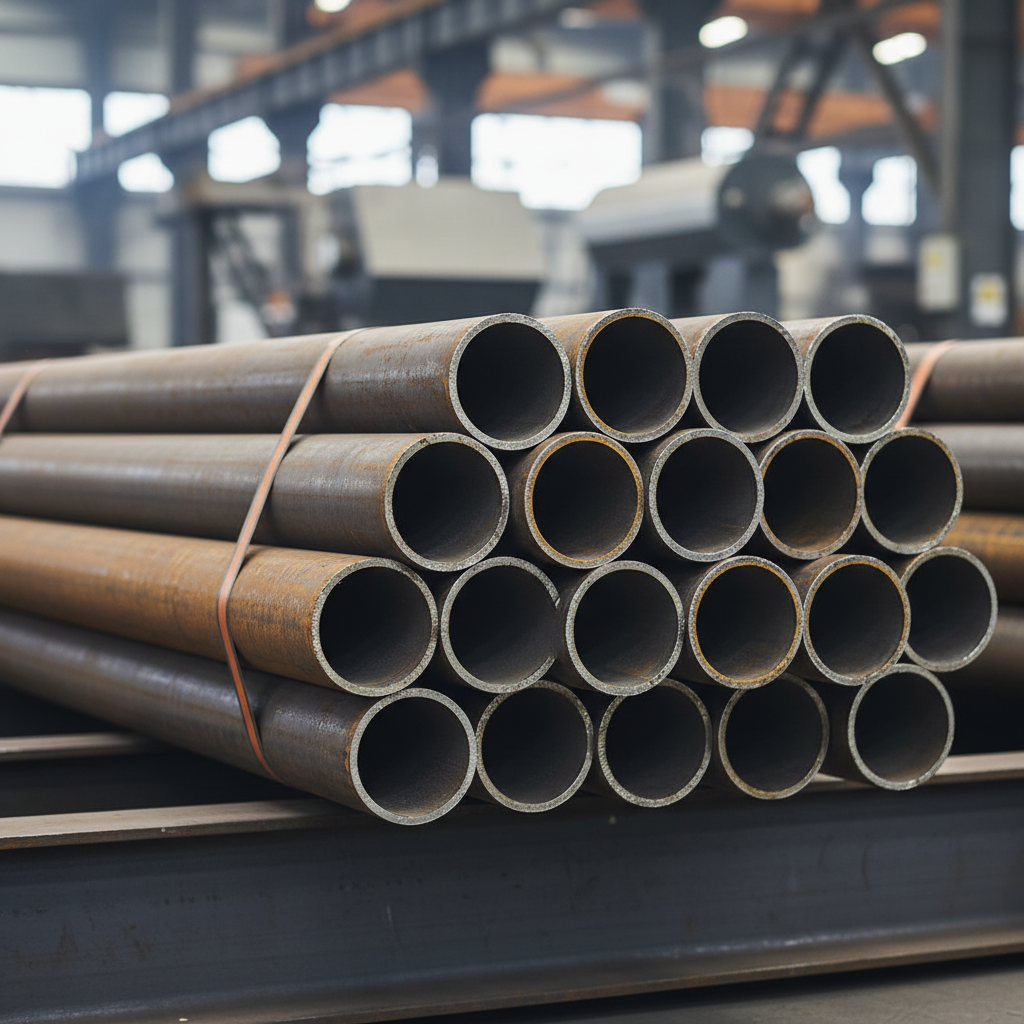
The 35mm diameter makes this steel pipe particularly suitable for a variety of uses. In the construction industry, it's frequently used for scaffolding, handrails, and structural supports. Within the oil & gas sector, it serves as conduit for transporting fluids and gases, as well as for well casing. Manufacturing processes often utilize 35mm steel pipe for machine frames, automation systems, and various components. Furthermore, it finds application in irrigation systems, water supply lines, and even furniture construction. The versatility of 35mm steel pipe stems from its ability to withstand pressure, resist corrosion (depending on the grade), and be easily welded or connected with fittings.
Key Applications: Scaffolding, Oil & Gas Pipelines, Irrigation Systems, Structural Supports, and Machine Frames.
Several types of 35mm steel pipe cater to different needs and applications. Carbon Steel Pipe is the most common and cost-effective option, suitable for general-purpose applications. Galvanized Steel Pipe features a zinc coating for enhanced corrosion resistance, making it ideal for outdoor use and water applications. Stainless Steel Pipe offers superior corrosion resistance and is often used in harsh environments or where hygiene is critical. ERW (Electric Resistance Welded) Pipe is manufactured by welding steel strips and is commonly used for lower-pressure applications. Seamless Pipe is produced without a welded seam, providing higher strength and pressure-bearing capacity. Selecting the appropriate type depends on the specific requirements of the project, including the fluid being transported, the operating pressure, and the environmental conditions.
Steel Pipe Types:
• Carbon Steel
• Galvanized Steel
• Stainless Steel
• ERW (Electric Resistance Welded)
• Seamless
Understanding the specifications and standards governing 35mm steel pipe is essential for ensuring quality and compliance. Key parameters include outside diameter (35mm), wall thickness (varying depending on schedule), length, and material grade (e.g., A53, API 5L). Common standards include ASTM A53 (for general-purpose pipe), API 5L (for pipeline applications), and EN 10208 (for pressure applications). Wall thickness is typically designated by a "schedule" number (e.g., Schedule 40, Schedule 80), with higher schedule numbers indicating thicker walls and greater pressure-bearing capacity. It's crucial to verify that the pipe conforms to the relevant standards for the intended application to guarantee safety and performance.
Selecting a reputable supplier is crucial for ensuring the quality and reliability of 35mm steel pipe. Look for suppliers with certifications, quality control processes, and a proven track record. Consider factors such as lead times, pricing, and the ability to meet specific requirements. A supplier that can provide mill test reports and comply with relevant standards is essential. Partnering with a supplier that offers excellent customer service and technical support can also prove invaluable. Lion Pipeline is a trusted source for high-quality 35mm steel pipe and related products.
The cost of 35mm steel pipe can fluctuate based on several factors. Raw material prices (iron ore and alloying elements) play a significant role. Manufacturing processes (seamless vs. ERW) also impact the price. The chosen material grade (carbon steel, stainless steel, etc.) is a key cost driver. Additionally, transportation costs, import duties, and supplier margins contribute to the overall price. Market demand and supply dynamics also influence pricing trends. Requesting quotes from multiple suppliers and comparing specifications can help you secure the best possible value.
Choosing the right 35mm steel pipe involves understanding its applications, types, specifications, and the importance of sourcing from a trusted supplier. Lion Pipeline provides a comprehensive range of steel pipe solutions tailored to meet diverse industrial needs. Prioritizing quality, compliance, and a reliable supply chain ensures the success and safety of your projects.
Lead times can vary significantly depending on the quantity, material grade, and supplier's inventory levels. Generally, standard carbon steel pipe in common sizes may have a lead time of 1-2 weeks. However, specialized materials like stainless steel or larger orders can require 4-8 weeks or more. It's always best to confirm lead times with your supplier at the time of placing your order. Factors like transportation distance and customs clearance can also affect delivery schedules. Working with a supplier that maintains adequate stock and has efficient logistics is crucial for minimizing delays.
Yes, most suppliers offer cutting and customization services for 35mm steel pipe. You can typically request specific lengths to minimize waste and facilitate installation. However, there may be minimum order quantities or additional charges for cutting. It's important to provide accurate length requirements to the supplier during the ordering process. Suppliers may offer services like beveling, threading, or coating depending on your needs. Verify the supplier’s capabilities and tolerances before finalizing your order.
Common end finishes for 35mm steel pipe include plain ends, threaded ends, beveled ends, and grooved ends. Plain ends are suitable for welding or using couplings. Threaded ends are used for connecting with threaded fittings. Beveled ends are prepared for welding, typically using a 30-degree or 45-degree bevel. Grooved ends are designed for use with mechanical couplings. The appropriate end finish depends on the connection method and the application requirements. Always specify the desired end finish when placing your order.
To prevent corrosion, 35mm steel pipe should be stored in a dry, well-ventilated area, protected from direct sunlight and moisture. If storing outdoors, the pipe should be covered with a waterproof tarp or stored under a shelter. It's also important to prevent contact with corrosive materials. For long-term storage, consider applying a protective coating or using corrosion inhibitors. Regularly inspect the pipe for signs of corrosion and take corrective action as needed.
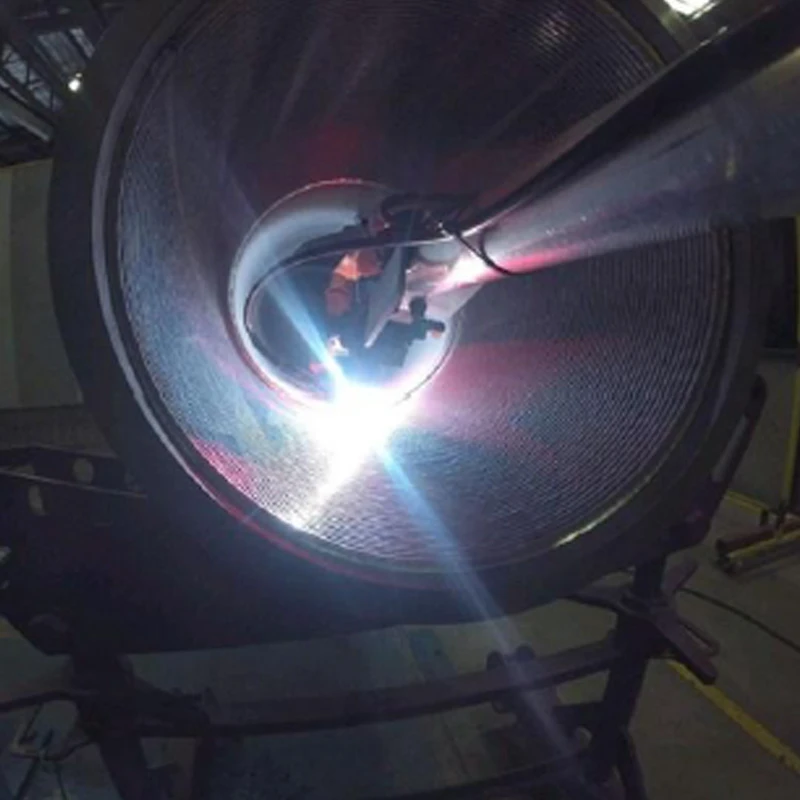
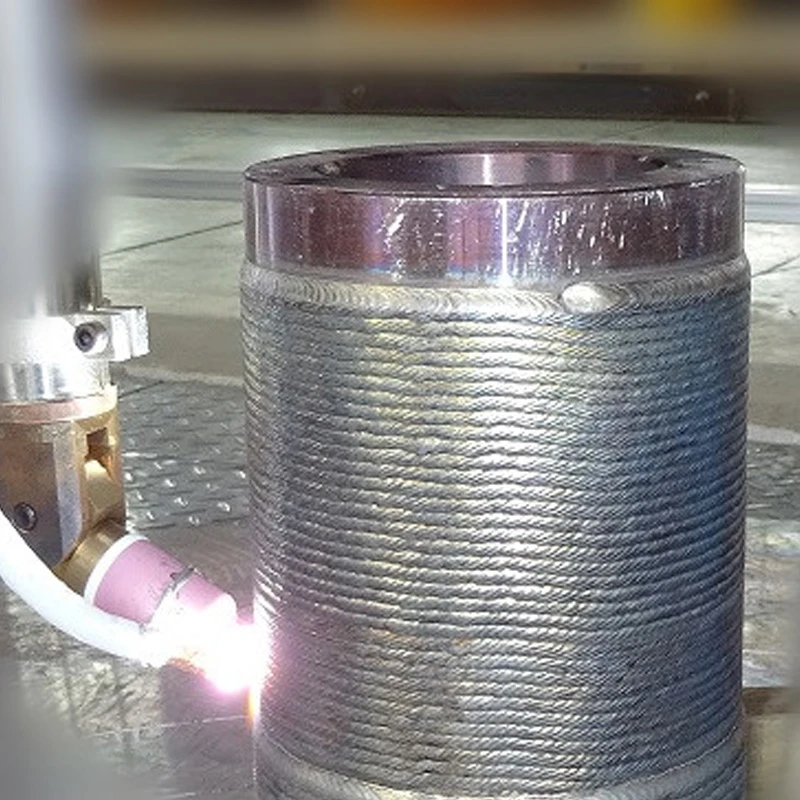
Overlay Welding Clad Steel Pipe
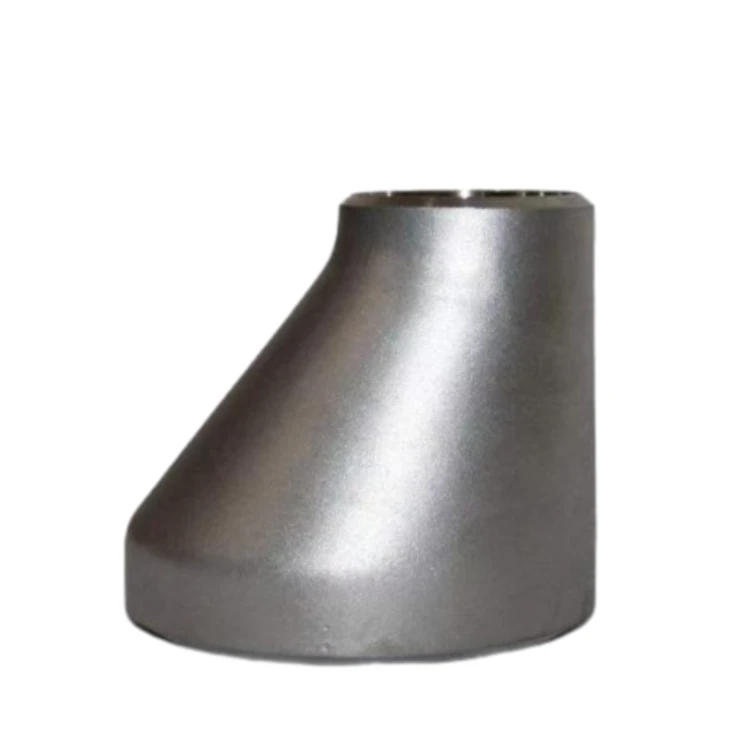

Ultimate Guide to 4130 Tubing Strength Performance and Applications
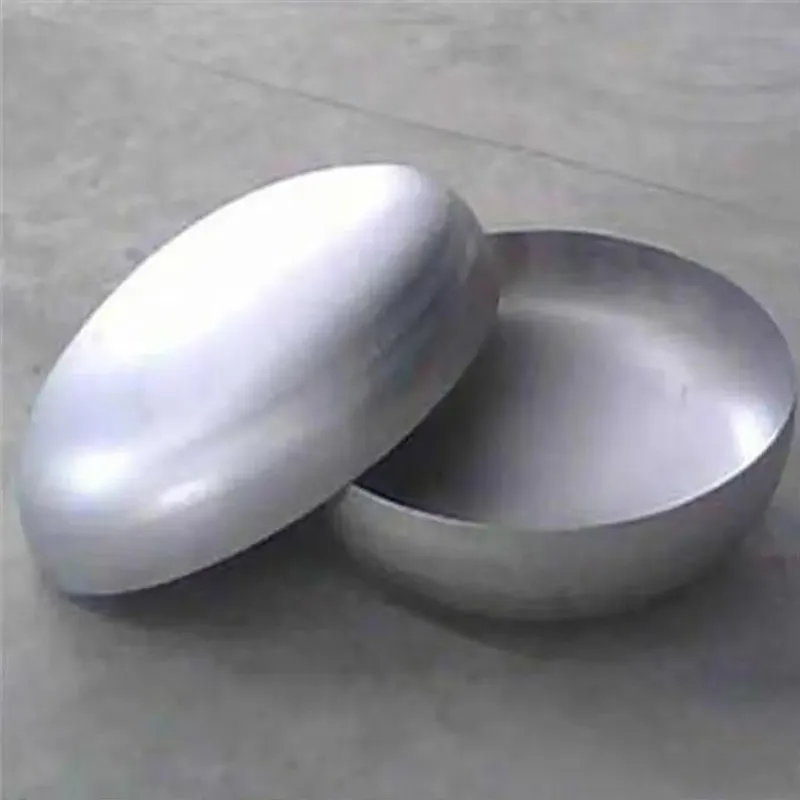
Pipe Cap-Cangzhou Lion Technology Co., Ltd.|Enhancing System Efficiency&Durability
Pipe Cap-Cangzhou Lion Technology Co., Ltd.|Enhancing System Efficiency&Durability
Pipe Cap-Cangzhou Lion Technology Co., Ltd.|Enhancing System Efficiency&Durability
Pipe Cap-Cangzhou Lion Technology Co., Ltd.|Enhancing System Efficiency&Durability
Pipe Cap-Cangzhou Lion Technology Co., Ltd.|Enhancing System Efficiency&Durability