310 stainless steel pipe is a high-alloy austenitic stainless steel renowned for its exceptional resistance to oxidation and corrosion, particularly in high-temperature environments. Its unique composition makes it a crucial material in various industries, from chemical processing to aerospace. This article will delve into the key properties, common applications, and considerations for sourcing 310 stainless steel pipe, offering a comprehensive guide for engineers, procurement professionals, and anyone seeking to understand this versatile material. Selecting the right pipe grade is paramount for ensuring longevity and safety in demanding applications.
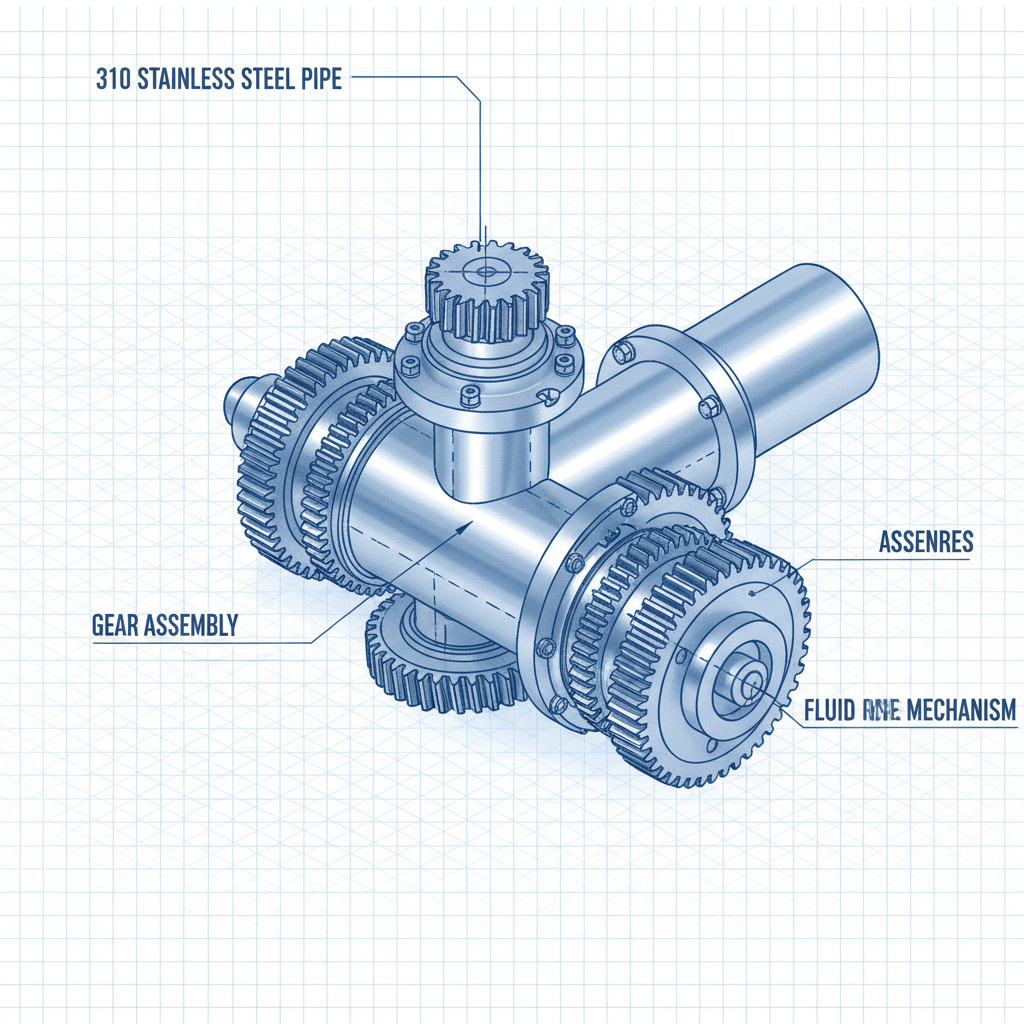
310 stainless steel's superior performance stems from its composition. Containing significant levels of chromium (19-22%), nickel (10-12%), and a notable amount of silicon (1.5-2.5%), it exhibits outstanding resistance to oxidation at elevated temperatures – up to 1100°C (2012°F) in continuous service. This makes it ideal for applications involving high heat. Furthermore, its excellent corrosion resistance extends to a wide range of corrosive media, including acids, alkalis, and chlorides. The austenitic structure ensures high ductility, weldability, and toughness, even at cryogenic temperatures. It is, however, generally more expensive than other stainless steel grades like 304 and 316.
Key Highlights: Exceptional resistance to oxidation, even at extremely high temperatures, making it suitable for furnaces and heat exchangers. Excellent corrosion resistance across a broad spectrum of environments.
The unique properties of 310 stainless steel pipe lead to its widespread use in demanding applications. The chemical processing industry relies heavily on it for handling corrosive fluids at high temperatures. In the aerospace sector, it’s used in exhaust systems and other components exposed to intense heat. Furnace components, heat exchangers, and creasing rolls also benefit from its exceptional oxidation resistance. Power generation plants utilize it for boiler tubes and superheater tubes. Additionally, it finds applications in food processing equipment where hygiene and corrosion resistance are critical.
Application Benefits:
• High-temperature strength and corrosion resistance.
• Durability and long service life.
• Compatibility with various welding techniques.
• Suitable for critical applications in harsh environments.
While various stainless steel grades are available, 310 stands out in specific scenarios. Compared to 304 and 316 stainless steel, 310 offers significantly better resistance to oxidation at high temperatures. However, 304 and 316 are generally more cost-effective and suitable for less demanding applications. 310S, a lower-carbon variant of 310, offers improved weldability and is often preferred for fabricated components. Understanding these differences is critical for selecting the optimal material for a given application. Lion Pipeline offers detailed material specifications and can assist in selecting the appropriate grade.
Choosing a reputable supplier is vital when sourcing 310 stainless steel pipe. Consider factors such as material certifications, adherence to industry standards (ASTM, ASME), lead times, and pricing. Look for suppliers with a proven track record of delivering high-quality products and providing excellent customer service. Lion Pipeline is a trusted source for premium stainless steel pipes, offering a wide range of sizes, schedules, and finishes.
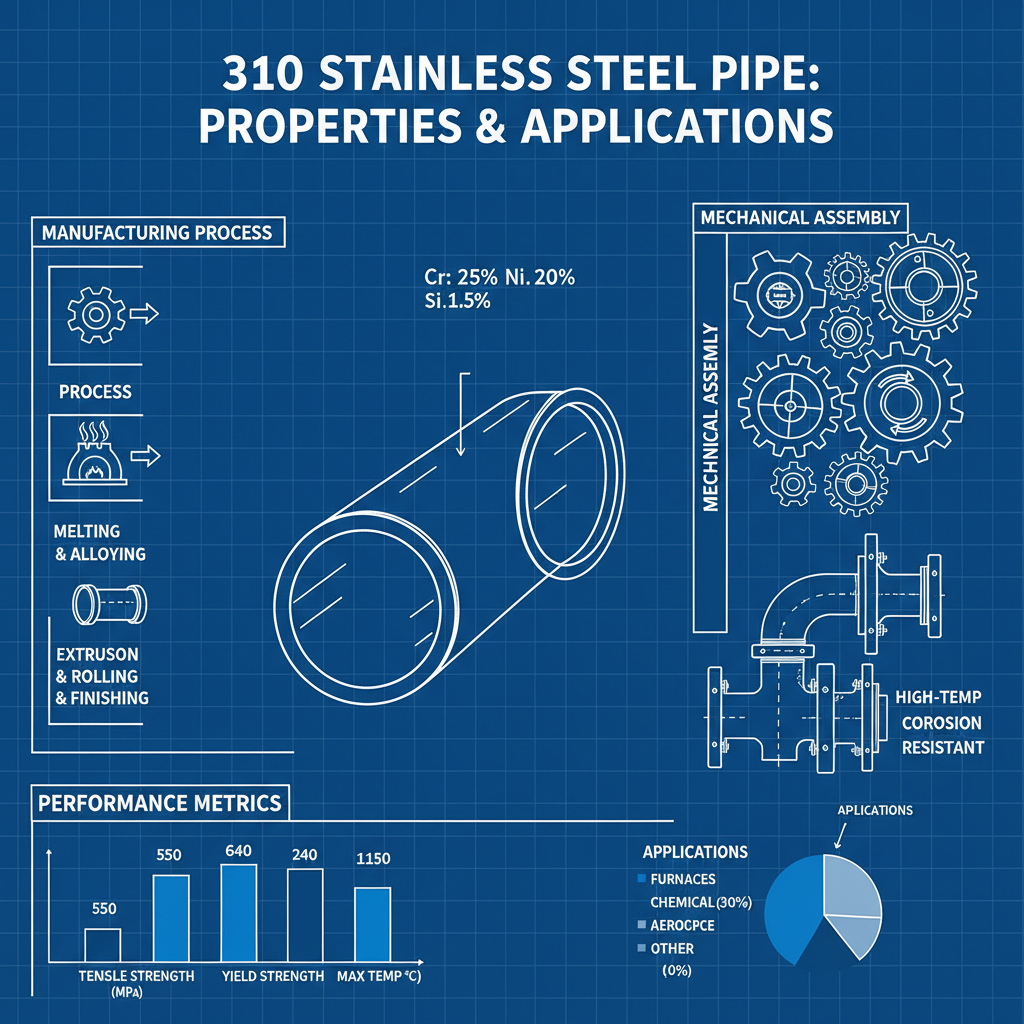
310 stainless steel pipe is available in various forms, including seamless, welded, and ERW (Electric Resistance Welded). Standard specifications include ASTM A312 for seamless and welded pipes. Pipe schedules (e.g., 40, 80, 160) determine the wall thickness and pressure-bearing capacity. Understanding these specifications is crucial for selecting the appropriate pipe for your application. Here's a glimpse into common specifications:
310 stainless steel pipe is a valuable material for applications demanding high-temperature resistance, corrosion protection, and durability. By carefully considering the specific requirements of your project and selecting a reputable supplier like Lion Pipeline, you can ensure optimal performance and longevity. Investing in quality stainless steel pipe is an investment in the long-term reliability and safety of your operations.
Lead times can vary depending on the size, schedule, quantity, and availability of the specific pipe you require. Standard sizes and schedules are often readily available for quick shipment. However, custom sizes or large orders may require longer lead times. It's best to contact your supplier, such as Lion Pipeline, for an accurate quote and estimated delivery schedule. Factors like current market demand and manufacturing capacity can also influence lead times.
Yes, 310 stainless steel is readily weldable using various techniques, including GTAW (Gas Tungsten Arc Welding), GMAW (Gas Metal Arc Welding), and SMAW (Shielded Metal Arc Welding). However, proper welding procedures and filler metals are essential to maintain corrosion resistance and mechanical properties. The lower-carbon 310S grade is particularly well-suited for welding, minimizing the risk of carbide precipitation. Always consult with a qualified welding professional.
Common finishes include mill finish, which is the standard as-rolled surface, and polished finishes such as No. 1, No. 2B, and No. 4. Polished finishes offer improved aesthetics and corrosion resistance but are typically more expensive. The choice of finish depends on the specific application and aesthetic requirements. Lion Pipeline offers various finish options to meet your needs.
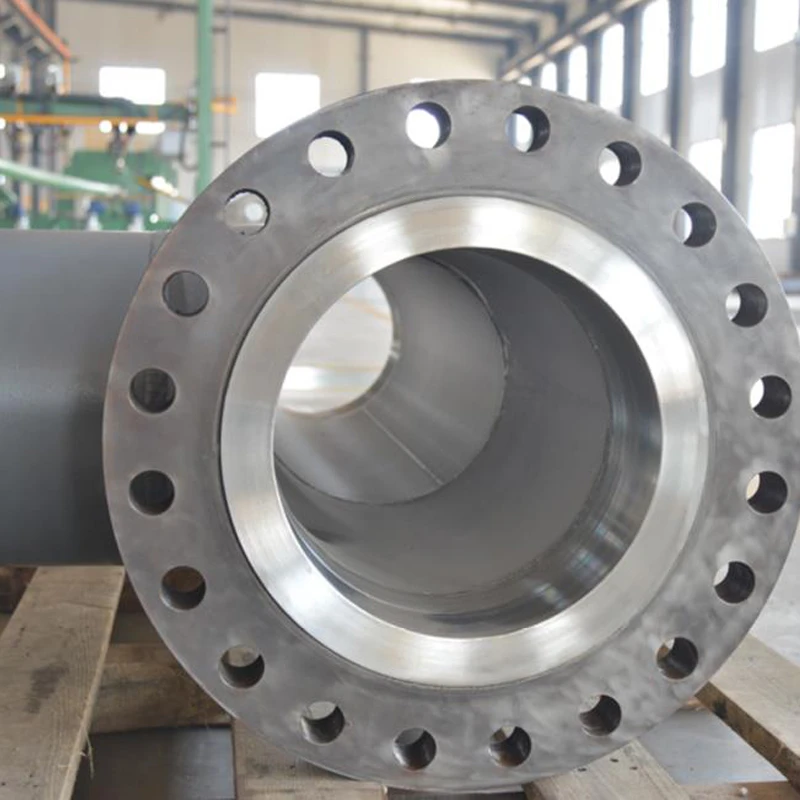
Factory Prefabricated Products
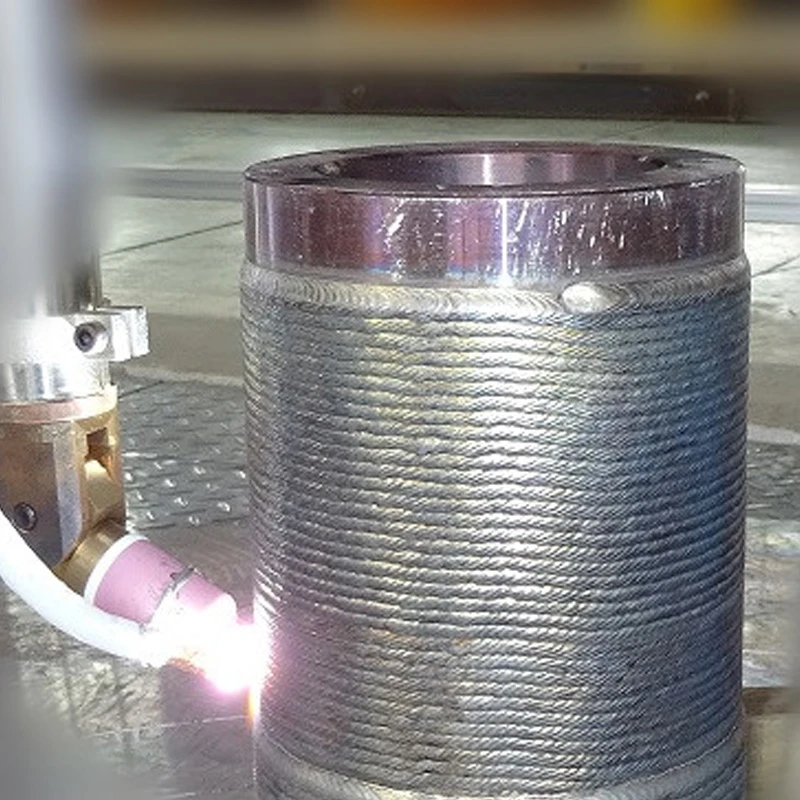
Overlay Welding Clad Steel Pipe
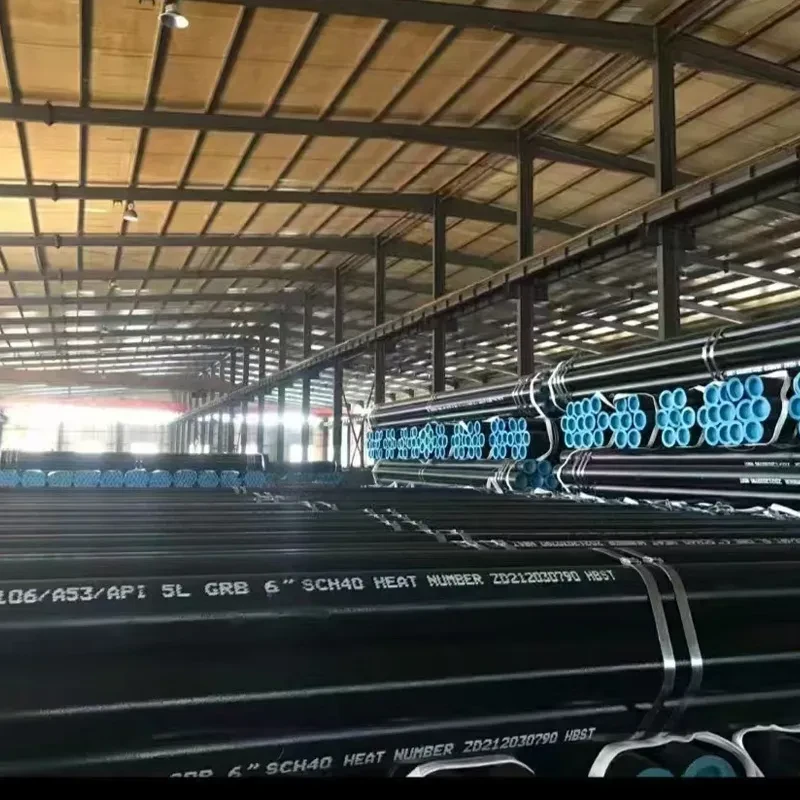

Ultimate Guide to 4130 Tubing Strength Performance and Applications
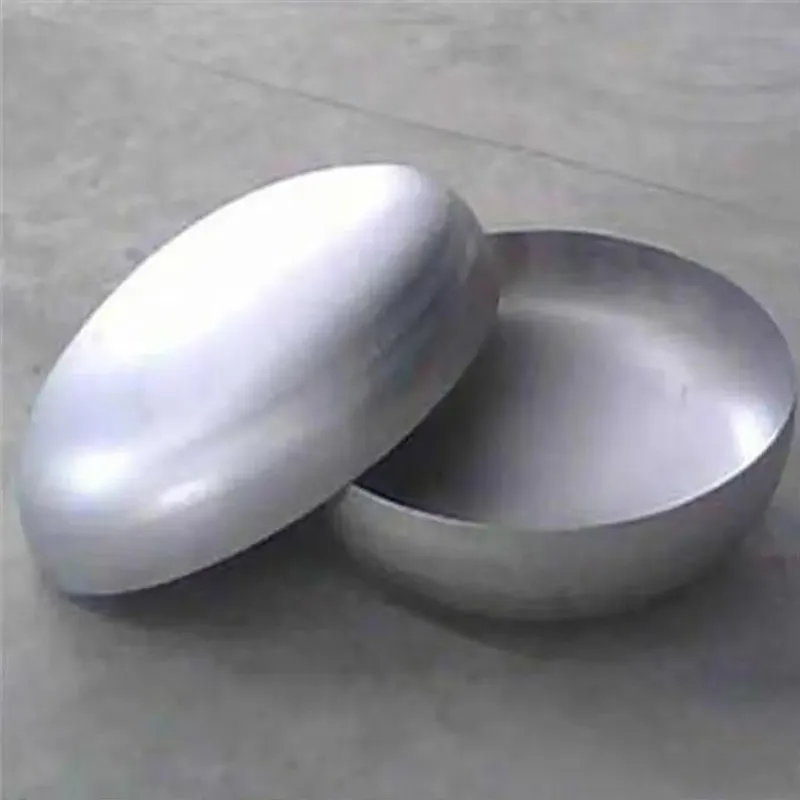
Pipe Cap-Cangzhou Lion Technology Co., Ltd.|Enhancing System Efficiency&Durability
Pipe Cap-Cangzhou Lion Technology Co., Ltd.|Enhancing System Efficiency&Durability
Pipe Cap-Cangzhou Lion Technology Co., Ltd.|Enhancing System Efficiency&Durability
Pipe Cap-Cangzhou Lion Technology Co., Ltd.|Enhancing System Efficiency&Durability
Pipe Cap-Cangzhou Lion Technology Co., Ltd.|Enhancing System Efficiency&Durability