tel
Email
to top

Comprehensive Guide to 19mm Stainless Steel Tube: Specifications, Applications & Industry Insights

Dec 03 2025
share:

Understanding the 19mm Stainless Steel Tube: A Global Industrial Staple

When you hear “19mm stainless steel tube,” you might picture some shiny pipe tucked away in a factory corner. But this component is quietly pivotal in industries worldwide. It blends precision, durability, and versatility—qualities that make it a go-to for engineers, manufacturers, and innovators alike. On a larger scale, understanding the value and specifications of the 19mm stainless steel tube touches everything from infrastructure resilience to humanitarian efforts.

Globally, industries are tasked with sourcing materials that are both robust and sustainable. According to ISO standards, stainless steel tubes meet rigorous specifications, ensuring that products like these can withstand everything from corrosive environments to extreme pressure. The 19mm size is a sweet spot for applications demanding a balance between strength and flexibility.

Global and Industry Context

The demand for stainless steel tubes has been rising sharply — estimated to grow at over 5% annually worldwide, influenced by expanding infrastructure and renewable energy projects (World Bank). The 19mm stainless steel tube is a common size for pipelines, structural framing, and even medical equipment. Yet, challenges such as material shortages and environmental concerns push manufacturers towards better designs and sourcing.

In sectors ranging from petrochemical plants to aerospace, opting for the right tube thickness and stainless grade can mean the difference between premature failure and decades of service. The ongoing transition toward green technologies underscores the importance of corrosion-resistant, recyclable materials—making stainless steel more than just a sturdy pipe.

Defining the 19mm Stainless Steel Tube

Simply put, a 19mm stainless steel tube is a hollow cylindrical metal piece with an outer diameter of 19 millimeters, made primarily from chromium-nickel steel alloys. Its stainless quality means it resists rust and tarnishing, which is critical when exposed to moisture or harsh chemicals.

These tubes serve in piping, construction, and even in precision instruments. You might find them channeling water in urban projects or forming the skeleton of modular housing in disaster zones. Oddly enough, their seemingly simple design belies their critical connection to both modern industry demands and humanitarian infrastructure.

Core Components and Key Factors

1. Durability

The chromium content in stainless steel forms a passive film that protects the tube from corrosion, even in acidic or marine environments. For a 19mm tube, this means long-term reliability in harsh conditions.

2. Scalability

Thanks to its standard dimension, the 19mm tube integrates seamlessly into modular systems, enabling scalable assembly lines and rapid deployment structures.

3. Cost Efficiency

Balancing strength and material usage, the 19mm size reduces waste while delivering essential structural support—making it a cost-effective choice for many industries.

4. Versatility

Used in everything from automotive exhausts to handrails and medical devices, its adaptability is impressive—a single size, multiple roles.

5. Environmental Impact

Stainless steel is 100% recyclable, reducing environmental footprint. Plus, its durability extends product lifespans, an often-overlooked sustainability factor.

Product Specifications

Specification Details
Outer Diameter 19mm
Wall Thickness 1.5mm - 3mm (varies by model)
Material Grade 304, 316 (common)
Length Availability 1m, 2m, 3m, custom cuts
Finish Polished, matte, brushed

Global Applications and Use Cases

The ubiquitous 19mm stainless steel tube finds roles in a variety of real-world scenarios:

  • Infrastructure & Construction: Used for scaffolding, railing, and pipelines in urban and remote construction projects alike.
  • Medical Equipment: Its cleanability and corrosion resistance make it ideal for hospital-grade carts and equipment framing.
  • Water & Waste Treatment: Resistant to corrosive agents, it’s vital in treatment plants globally—including challenging post-disaster sanitation systems.
  • Automotive & Aerospace: Lightweight yet strong, the tubes support fuel and hydraulic lines in vehicles and aircraft.
  • Humanitarian Efforts: NGOs often use modular housing frameworks featuring 19mm stainless steel tube for rapid, durable shelter solutions.

For example, in Southeast Asia's flood-prone areas, deploying stainless steel framing ensures shelters can endure multiple wet seasons without corrosion.

Vendor Comparison Table

Vendor Material Grades Customization Delivery Lead Time Sustainability Certifications
Lion Pipeline 304, 316 Custom cuts & finishes 2-3 weeks ISO 14001
Delta Metals 304 only Limited sizes 4-5 weeks None
Global Steel Solutions 304, 316, 321 Wide range, including custom alloys 3-4 weeks ISO 14001, LEED Compatible

Advantages and Long-Term Value

Using 19mm stainless steel tubes means investing in:

  • Costs Savings: Low maintenance due to corrosion resistance minimizes repairs.
  • Sustainability: Recyclability and long life align with ESG goals.
  • Trust and Safety: Reliable materials ensure safety in critical infrastructure.
  • Innovation: Supports advanced manufacturing techniques and designs.

On an emotional level, it feels comforting to know that the shelters or equipment relying on these tubes can withstand time and elements without faltering—a subtle, yet impactful reassurance.

Future Trends and Innovations

The industry is looking forward to new stainless steel alloys that improve tensile strength while reducing weight. Couple that with digital production techniques like laser cutting and 3D printing, and you get ultra-precise, customized tubes ready for smart infrastructure.

Policy-wise, environmental regulations are tightening. Expect a surge in tubes certified for reduced carbon footprint and possibly hybrid tubes incorporating bio-based materials. Oddly enough, this "old" material keeps reinventing itself.

Challenges and Solutions

While 19mm stainless steel tubes shine in durability, sourcing high-quality materials can be tricky amid global supply chain disruptions. Additionally, improper installation risks compromising their corrosion resistance.

Expert tips include engaging suppliers with sustainability certifications and providing rigorous employee training on handling stainless steel tubes. Testing using non-destructive methods ensures defects don’t slip through.

FAQ: Frequently Asked Questions About 19mm Stainless Steel Tube

Q: What distinguishes a 19mm stainless steel tube from other pipes?
A: Mainly its precise outer diameter and stainless alloy composition, offering corrosion resistance and structural versatility that make it ideal for multiple industrial uses.
Q: How long can a 19mm stainless steel tube last in outdoor installations?
A: Typically, 20-50 years depending on environmental conditions and maintenance, thanks to its chromium layer preventing rusting.
Q: Is 19mm stainless steel tube recyclable?
A: Yes, stainless steel is 100% recyclable without degradation of properties, making it environmentally responsible.
Q: Can I get custom lengths or finishes for 19mm tubes?
A: Most vendors, including Lion Pipeline, offer custom cuts and finishes based on project needs.
Q: How do I import stainless steel tubes internationally?
A: Work with experienced suppliers familiar with international trade regulations and logistics. They can guide compliance with customs and import tariffs.

Conclusion + Call to Action

Long story short, the 19mm stainless steel tube is more than just a pipe. It’s a durable, versatile, and increasingly sustainable solution that supports countless industries and communities worldwide. Its balance of cost efficiency, reliability, and adaptability makes it smart for current and future projects.

If you want to explore professional-grade 19mm stainless steel tubes with customization options, visit our website: https://www.lion-pipeline.com and discover how this simple tube can elevate your project.

Takeaway: Even a small diameter like 19mm packs a punch when material science meets thoughtful design — a classic example of how the details shape the big picture.
References

  1. ISO 1127: Stainless steel tubes specification
  2. World Steel Association on Sustainability
  3. Wikipedia - Stainless Steel
  • Anti Corrosion And Thermal Insulation Products

    Anti Corrosion And Thermal Insulation Products

    The anti-corrosion and thermal insulation products we focus on produce play a key role in the industrial pipeline system, especially the thermal insulation pipe fittings and steel pipes. Thermal insulation pipe fittings cover elbows, tees, reducers and pipe supports, with specifications ranging from DN15 to DN1800, and are made of carbon steel, alloy steel, stainless steel, bimetallic composite, nickel-based alloy and other materials.
    VIEW ALL
  • Mechanical Clad Steel Pipe

    Mechanical Clad Steel Pipe

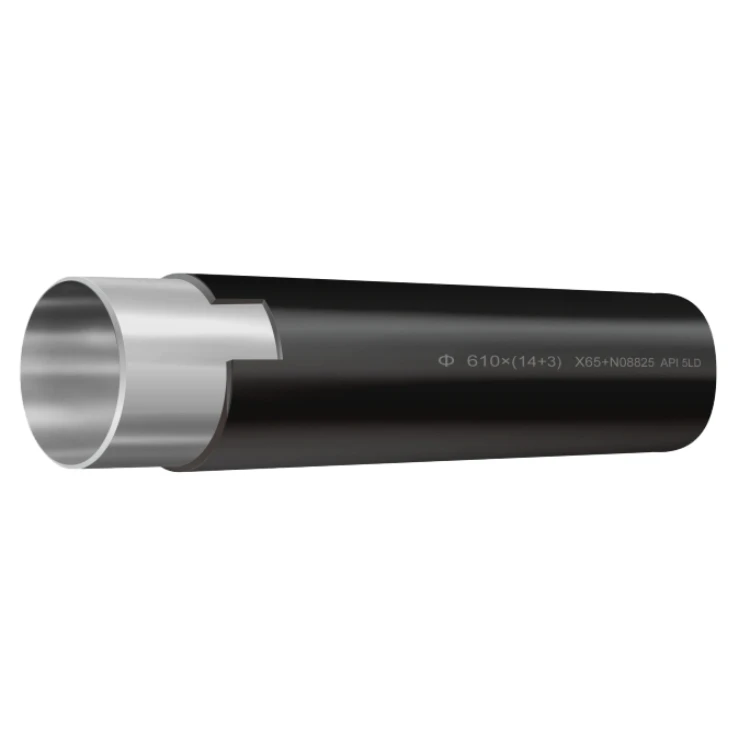
    Mechanical clad steel pipe (MCSP) is a kind of high-performance pipe, which is specially designed for demanding industrial applications. Combining the durability and strength of steel with advanced composite materials, MCSP provides enhanced corrosion resistance, high pressure and extreme temperatures.
    VIEW ALL
  • Reducer

    Reducer

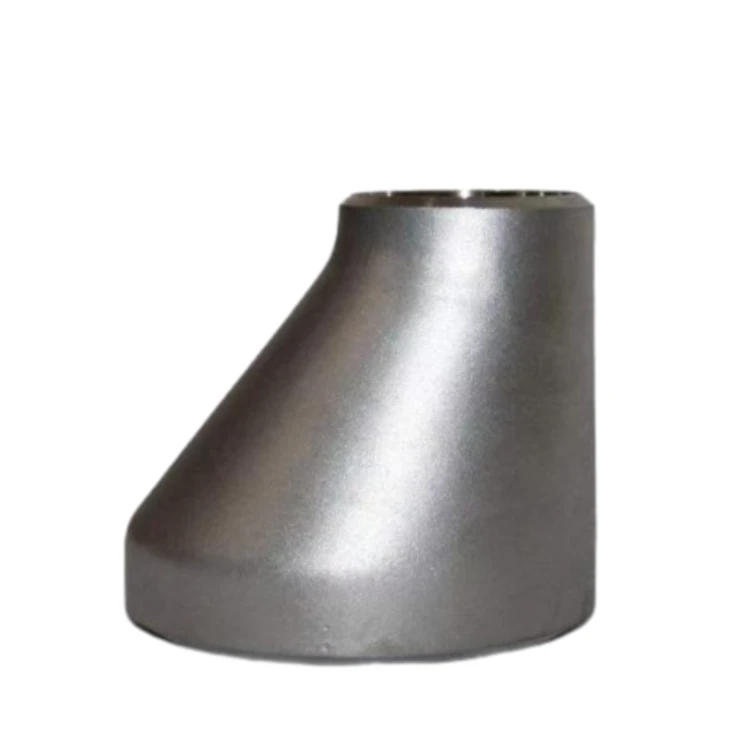
    Reducer is a pipe fitting used to connect pipes of different diameters, facilitating smooth transitions between varying flow capacities in piping systems. Available in concentric and eccentric designs, reducers help maintain optimal flow efficiency while minimizing pressure loss and turbulence.
    VIEW ALL
To create value for customers!
Cangzhou Leo Technology Co., Ltd. is located in Mengcun County Economic Development Zone, Cangzhou City, Hebei Province. It is a specialized high-tech enterprise that integrates the research and development, production, and sales of composite pipes and fittings.
News
The company regards product quality as the life of the enterprise, establishes a sound quality management system in accordance with the requirements of industry and national standards, controls all aspects of input and output in the whole process, pays attention to every detail, and ensures that the product delivery pass rate is 100%.
High Performance Sink Pipe Steel Guide for Industrial Piping

High Performance Sink Pipe Steel Guide for Industrial Piping

High-Performance Sink Pipe Steel: The Ultimate Guide to Industrial Piping In the demanding world of industrial manufacturing and pressure vessel construction, the selection of materials for piping systems is critical. Utilizing high-quality sink pipe steel ensures that systems can withstand extreme pressures, corrosive media, and mechanical stress. Whether it is for chemical processing, oil and gas, or construction, the right steel grade and fitting geometry can mean the difference between seamless operation and costly system failure. This guide explores the technical nuances of steel elbows and specialized clad materials designed for the most rigorous environments.
Ultimate Guide to Industrial Seamless Steel Pipe for Piping

Ultimate Guide to Industrial Seamless Steel Pipe for Piping

In the realm of modern industrial infrastructure, the integrity of piping systems is non-negotiable. The seamless steel pipe stands as the gold standard for transporting high-pressure fluids and gases. Unlike welded alternatives, seamless pipes are manufactured without a longitudinal seam, eliminating the most common point of failure and ensuring superior structural consistency. This makes them indispensable in sectors where safety and reliability are paramount, such as petroleum, nuclear power, and thermal energy. In this comprehensive guide, we will explore the technical advantages, material specifications, and critical applications of these high-performance components to help you make an informed procurement decision.
High Performance Seamless Steel Pipes for Industrial Piping

High Performance Seamless Steel Pipes for Industrial Piping

In the world of industrial fluid transportation and pressure vessel manufacturing, the choice of piping material can determine the safety and longevity of an entire system. Seamless steel pipes are engineered to withstand extreme conditions without the risk of weld-line failure, making them the gold standard for high-pressure environments. From oil and gas pipelines to hydraulic systems, these pipes offer unmatched structural integrity. In this comprehensive guide, we will explore the technical specifications, benefits, and diverse applications of carbon seamless steel solutions to help you make an informed procurement decision for your next engineering project.
High Performance Seamless Stainless Steel Pipe for Industrial Use

High Performance Seamless Stainless Steel Pipe for Industrial Use

The Ultimate Guide to Seamless Stainless Steel Pipe for Industrial Applications In the demanding world of oil and gas extraction, particularly in fields characterized by high hydrogen sulfide and carbon dioxide levels, the integrity of transportation infrastructure is critical. While traditional carbon steel often fails due to insufficient corrosion resistance, the seamless stainless steel pipe emerges as a premium solution. By eliminating weld seams, these pipes provide superior structural integrity and a seamless barrier against corrosive media. For industries operating under extreme pressure and chemical aggression, choosing the right piping material is not just about efficiencyit is about safety and long-term economic viability.
Industrial Piping Solutions Using Durable sch 40 steel pipe

Industrial Piping Solutions Using Durable sch 40 steel pipe

Optimizing Industrial Piping with SCH 40 Steel Pipe Solutions In the demanding world of industrial manufacturing and fluid transport, selecting the right piping specification is critical for safety and efficiency. The sch 40 steel pipe serves as a global standard for versatility, balancing wall thickness with internal flow capacity. Whether used in petrochemical plants, marine environments, or construction, this pipe grade provides the structural reliability needed to handle moderate pressures. However, as industries evolve, the integration of advanced technologies like laser cladding is transforming how we enhance these pipes to resist extreme corrosion and wear, extending the lifecycle of critical infrastructure.
Industrial 5 inch steel tubing Guide for High Pressure Systems

Industrial 5 inch steel tubing Guide for High Pressure Systems

The Ultimate Guide to 5 Inch Steel Tubing for Industrial Applications When designing high-pressure piping systems or structural frameworks, selecting the right material dimensions is critical for safety and efficiency. The 5 inch steel tubing serves as a versatile midpoint in industrial piping, offering a perfect balance between flow capacity and structural rigidity. Whether it is used in oil and gas transport, water management, or architectural support, the quality of the steel determines the longevity of the entire project. In this comprehensive guide, we will explore the technical specifications, material grades, and strategic advantages of utilizing this specific tubing size
tel email tel top

If you are interested in our products, you can choose to leave your information here, and we will be in touch with you shortly.