tel
Email
to top

18mm Steel Tube: Global Applications, Benefits, and Future Trends Explained

Dec 03 2025
share:

Understanding the 18mm Steel Tube: A Backbone of Modern Industry

Steel tubes might seem mundane, but when you zoom in on something as specific as the 18mm steel tube, you start appreciating its pivotal role across various sectors globally. Whether it's infrastructure, manufacturing, or even humanitarian aid, this modest-sized tube packs significant utility that's often underestimated. Simply put, knowing about 18mm steel tubes isn’t just for engineers; it matters worldwide because they help build safer homes, efficient pipelines, and sustainable projects.

Global Context: Why 18mm Steel Tubes Matter Now More Than Ever

In an era shaped by rapid urbanization and climate challenges, reliable infrastructure is non-negotiable. The World Bank notes that over half the world's population lives in urban areas, prompting a soaring demand for robust construction materials. Here’s where the 18mm steel tube shines: it offers a balance of strength and versatility that's essential for pipelines, scaffolding, and fabricated parts. Oddly enough, despite being a small-diameter steel tube, it meets several ISO standards that enable global trade, ensuring availability in developing regions where infrastructure gaps are widest.

Yet, challenges persist — supply chain disruptions, cost fluctuations in raw materials, and the need for sustainability push manufacturers and end-users to optimize their choices. The 18mm steel tube often emerges as a practical solution in such constrained scenarios.

Defining the 18mm Steel Tube

At its core, an 18mm steel tube refers to a hollow cylindrical steel product with an outer diameter of approximately 18 millimeters. It can be seamless or welded, manufactured from various steel grades – carbon steel being most common. You’ll find it used in everything from fluid transport pipelines to structural supports in modular constructions.

Frankly, its compact size belies its importance. It bridges the gap between smaller tubes used in light applications and larger, heavy-duty structural steel pipes. This versatility also ties 18mm steel tubes to humanitarian efforts—deploying light but durable piping for clean water access in disaster zones, where traditional solutions might be too bulky or slow.

Key Factors Behind the Popularity of 18mm Steel Tubes

1. Durability and Strength

18mm steel tubes often undergo rigorous testing to ensure they withstand pressure and environmental stresses. Their tensile strength and corrosion resistance, especially with coatings or stainless variants, make them suitable for long-term use in harsh conditions.

2. Scalability and Flexibility

These tubes serve small-scale projects elegantly — like residential conduits — and scale comfortably up to industrial applications. Suppliers often customize lengths and thicknesses, which adds to design flexibility.

3. Cost Efficiency

The balance between size and material cost makes 18mm steel tubes a popular pick. They deliver structural advantages without the price tag of larger pipes, an especially big deal in regions budget-conscious on infrastructure.

4. Compatibility with Other Materials

Steel’s weldability and compatibility with various coatings and plastics extend its lifetime and application. For example, in oil and gas fields, 18mm steel tubes often interface with synthetic seals, harnessing advantages from both.

5. Compliance and Standards

Adhering to ISO 3183 or ASTM standards ensures consistent quality and safety, easing international trade and regulatory approvals.

Technical Specifications of a Typical 18mm Steel Tube

Specification Value
Outer Diameter 18 mm
Wall Thickness 1.5 - 3.0 mm (varies by application)
Material Carbon Steel / Stainless Steel
Length Standard 6m, custom cut available
Standards ISO 3183, ASTM A53, EN 10210

Global Applications & Use Cases

In real terms, the 18mm steel tube finds itself everywhere from the industrial hubs of China to water supply projects in sub-Saharan Africa. Among the notable applications:

  • Infrastructure & Construction: Used extensively in scaffolding, railing systems, and infrastructure frameworks due to its lightweight and durable nature.
  • Oil & Gas Industry: Serves in instrumentation tubing where precision and pressure resistance are key.
  • Water & Sanitation Projects: NGOs supply these tubes to facilitate safe water transport, particularly in emergency relief scenarios.
  • Manufacturing & Fabrication: Integral in machine frames, greenhouse pipes, and automotive components.

For example, crisis response teams in Southeast Asia often require lightweight yet strong pipes like the 18mm steel tube to quickly deploy temporary water delivery systems after floods.

Advantages & Long-Term Value

The tangible benefits include affordability and resilience, but there’s more beneath the surface. Using these tubes helps projects last decades without frequent replacements, reducing both waste and costs. Environmentally, steel’s recyclability fits well with sustainability goals — and frankly, it feels good to rely on materials that can be repurposed rather than trashed.

Socially, they underpin safety and dignity. Think about durable shelters and safe plumbing systems in vulnerable communities — small details like these sustain trust and support economic growth around the globe.

Vendor Comparison: Popular 18mm Steel Tube Providers

Supplier Material Options Price Range Customization Lead Time
SteelCo Intl. Carbon, Stainless $$$ Custom length & coating 2-3 weeks
Global Steel Pipes Carbon only $$ Standard lengths 1-2 weeks
EcoPipes Ltd. Recycled steel $$$ Custom coatings 3-4 weeks

Future Trends & Innovations

As the march toward sustainability quickens, the 18mm steel tube is evolving. We’re seeing advances like:

  • Green Steel Production: Lower-carbon footprint processes promise to make steel tubes even greener.
  • Smart Coatings: Nanotechnology creates corrosion-resistant layers that extend durability.
  • Digital Supply Chain: Real-time tracking and AI optimize inventory and delivery times.
  • Automation in Fabrication: Robots and 3D printing enhance precision and reduce waste.

These innovations imply not only better tubes but faster, more reliable access everywhere — especially crucial in remote or disaster-prone areas.

Challenges & Solutions

Still, not all challenges have been solved. Fluctuating steel prices can make budgeting tough. In addition, some regions face logistical hurdles, like transporting heavy pipes to isolated sites. There’s also the matter of corrosion in extremely harsh environments, sometimes shortening service life unexpectedly.

Experts suggest diversified sourcing, corrosion-resistant coatings, and modular designs to ease installation and replacement. Also, some companies are exploring alternatives like composite tubes where steel alone is too cumbersome.

FAQ: Frequently Asked Questions About 18mm Steel Tubes

1. What are the common uses of the 18mm steel tube?

They’re often used in construction scaffolding, instrumentation pipelines in oil/gas, water supply systems, and structural frameworks where moderate strength and weight are crucial.

2. How long can an 18mm steel tube typically last in outdoor conditions?

Depending on the coating and environmental factors, these tubes can last 10+ years outdoors. Stainless steel variants last longer, especially with proper maintenance.

3. Is the 18mm steel tube suitable for transport of potable water?

Yes, if made from or coated with food-grade materials. Carbon steel tubes may require protective linings to prevent contamination.

4. Can these tubes be customized for non-standard projects?

Absolutely. Suppliers often cut to length, adjust wall thickness, and apply specialized coatings or threading to meet project needs.

5. How do NGOs typically source 18mm steel tubes for relief efforts?

NGOs usually partner with local manufacturers or global suppliers who can offer quick delivery and guarantee compliance with international standards.

Conclusion: Why Understanding 18mm Steel Tubes is a Smart Choice

In a nutshell, the 18mm steel tube might be small but feels like a giant in terms of its importance to infrastructure, sustainability, and humanitarian aid worldwide. Its adaptability, strength, and evolving technology keep it relevant and often indispensable.

If you’re looking for reliable, cost-effective steel tubes that meet global standards, you should definitely check out options at 18mm steel tube. It’s worth giving these unsung heroes of modern infrastructure your attention.

Takeaway: Whether for building cities or rebuilding communities, the 18mm steel tube quietly supports progress worldwide.
References

  1. World Bank Infrastructure Report
  2. Steel Tube - Wikipedia
  3. ISO 3183 - Petroleum and natural gas industries — Steel pipe for pipeline transportation systems
  • Reducer

    Reducer

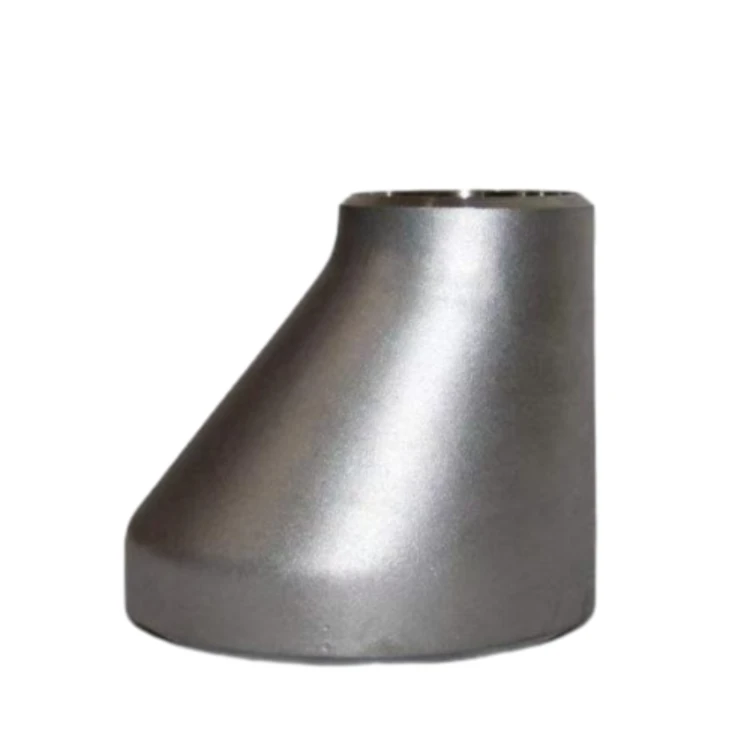
    Reducer is a pipe fitting used to connect pipes of different diameters, facilitating smooth transitions between varying flow capacities in piping systems. Available in concentric and eccentric designs, reducers help maintain optimal flow efficiency while minimizing pressure loss and turbulence.
    VIEW ALL
  • Bend Pipe

    Bend Pipe

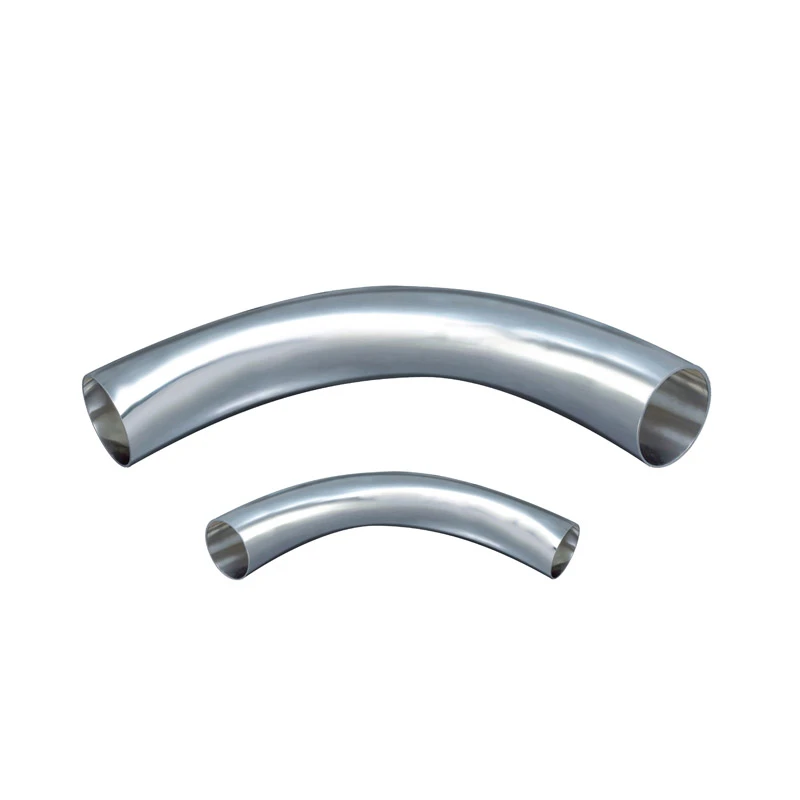
    Bend is a crucial pipe fitting used to change the direction of flow in a piping system. It allows for smooth transitions between sections of pipe, accommodating layout constraints, avoiding obstacles, and optimizing flow paths. Bends are designed to maintain the fluid's velocity and minimize pressure loss while providing the necessary angle of deviation. They are commonly used in various industries, including oil and gas, petrochemicals, water supply, and HVAC systems.
    VIEW ALL
  • Overlay Welding Clad Steel Pipe

    Overlay Welding Clad Steel Pipe

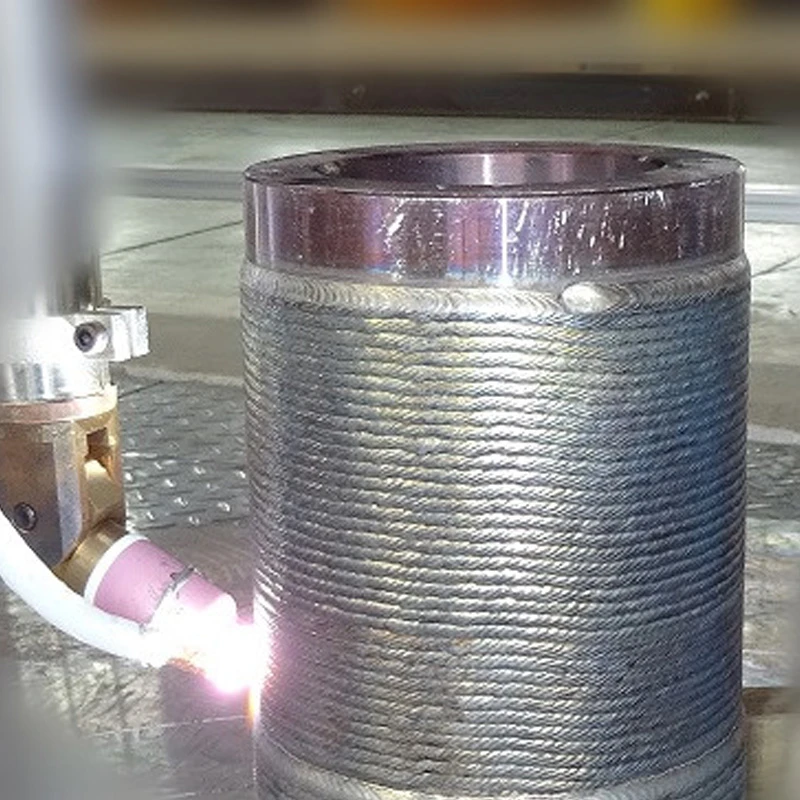
    Overlay Welding clad Steel Pipe features a high-performance welded overlay that enhances the pipe’s surface properties, providing superior resistance to corrosion, erosion, and wear. This process involves applying a wear-resistant alloy layer over a strong steel base, making it ideal for industries such as oil and gas, mining, and chemical processing, where pipes are exposed to harsh conditions. The overlay ensures extended service life, reduced maintenance costs, and reliable performance even in extreme environments. With its combination of strength, durability, and corrosion resistance, the Overlay Welding Steel Pipe is a trusted solution for critical applications.
    VIEW ALL
To create value for customers!
Cangzhou Leo Technology Co., Ltd. is located in Mengcun County Economic Development Zone, Cangzhou City, Hebei Province. It is a specialized high-tech enterprise that integrates the research and development, production, and sales of composite pipes and fittings.
News
The company regards product quality as the life of the enterprise, establishes a sound quality management system in accordance with the requirements of industry and national standards, controls all aspects of input and output in the whole process, pays attention to every detail, and ensures that the product delivery pass rate is 100%.
SS Pipe Cap FAQ: Fit, Connections, Materials and Uses

SS Pipe Cap FAQ: Fit, Connections, Materials and Uses

Get direct answers about ss pipe cap materials, threaded or welded connections, shapes, DN and NPS sizes, schedules, uses, and associated standards.
Mechanical Steel Pipe Comparison: Materials, Standards and Supplier Documentation

Mechanical Steel Pipe Comparison: Materials, Standards and Supplier Documentation

Compare two mechanical steel pipe options by materials, API 5LD and DNV OS F101 references, applications, bonding descriptions and supplier documentation.
Choosing an SS Bend Pipe: Application Fit and Specification Checks

Choosing an SS Bend Pipe: Application Fit and Specification Checks

Learn how to choose the right ss bend pipe for your piping system. This guide covers material grade, bend angle, radius, pressure rating, and applicable standards to help procurement teams specify stainless steel bend pipes with confidence.
High Performance Sink Pipe Steel Guide for Industrial Piping

High Performance Sink Pipe Steel Guide for Industrial Piping

High-Performance Sink Pipe Steel: The Ultimate Guide to Industrial Piping In the demanding world of industrial manufacturing and pressure vessel construction, the selection of materials for piping systems is critical. Utilizing high-quality sink pipe steel ensures that systems can withstand extreme pressures, corrosive media, and mechanical stress. Whether it is for chemical processing, oil and gas, or construction, the right steel grade and fitting geometry can mean the difference between seamless operation and costly system failure. This guide explores the technical nuances of steel elbows and specialized clad materials designed for the most rigorous environments.
Ultimate Guide to Industrial Seamless Steel Pipe for Piping

Ultimate Guide to Industrial Seamless Steel Pipe for Piping

In the realm of modern industrial infrastructure, the integrity of piping systems is non-negotiable. The seamless steel pipe stands as the gold standard for transporting high-pressure fluids and gases. Unlike welded alternatives, seamless pipes are manufactured without a longitudinal seam, eliminating the most common point of failure and ensuring superior structural consistency. This makes them indispensable in sectors where safety and reliability are paramount, such as petroleum, nuclear power, and thermal energy. In this comprehensive guide, we will explore the technical advantages, material specifications, and critical applications of these high-performance components to help you make an informed procurement decision.
High Performance Seamless Steel Pipes for Industrial Piping

High Performance Seamless Steel Pipes for Industrial Piping

In the world of industrial fluid transportation and pressure vessel manufacturing, the choice of piping material can determine the safety and longevity of an entire system. Seamless steel pipes are engineered to withstand extreme conditions without the risk of weld-line failure, making them the gold standard for high-pressure environments. From oil and gas pipelines to hydraulic systems, these pipes offer unmatched structural integrity. In this comprehensive guide, we will explore the technical specifications, benefits, and diverse applications of carbon seamless steel solutions to help you make an informed procurement decision for your next engineering project.
tel email tel top

If you are interested in our products, you can choose to leave your information here, and we will be in touch with you shortly.