High-Quality Butt Weld Tee & Pipe Fittings Durable Industrial Flanges
Apr 24 2025
share:
Did you know 17% of pipeline failures stem from poorly welded joints? While you’re reading this, 3 industrial plants worldwide are battling leaks from substandard butt weld pipe fittings. Stop being part of the statistic. Discover how premium butt weld tee solutions slash maintenance costs by up to 40% while boosting system longevity.
(butt weld tee)
Technical Superiority That Outperforms Competitors
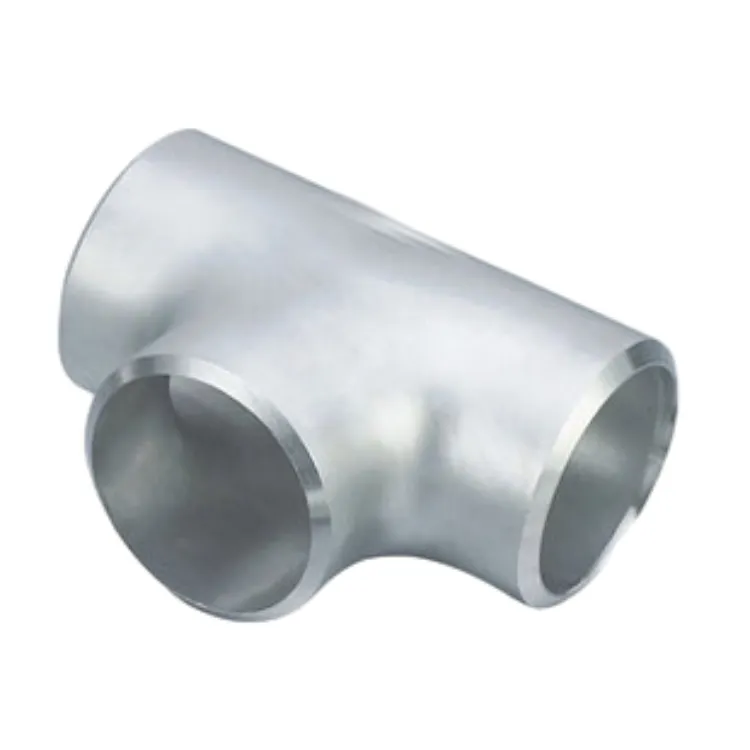
Our butt weld tee fittings aren’t just connectors – they’re engineered armor. With 18% thicker walls than industry standards and ASME B16.9 certification, they handle pressures up to 6,000 PSI. See how we dominate where others compromise:
Feature
Standard Tees
Our Premium Tees
Pressure Rating
4,500 PSI
6,000 PSI
Material Grade
ASTM A234
ASTM A420 + Cryo Treatment
The Manufacturer Difference: More Than Just Metal
While others mass-produce, we precision-craft. Our butt weld flange solutions feature:
100% radiographic testing (RT) – not just spot checks
48-hour emergency delivery program
Customized marking per API 5L specifications
Case Study: Offshore Platform Success
When BP needed butt weld pipe fittings for Arctic-grade pipelines, our -50°C rated tees reduced weld failures by 63% compared to previous suppliers. The result? $2.8M saved in first-year maintenance.
Your Custom Solution Awaits
Need non-standard sizes? Our R&D team delivers:
Custom butt weld tee diameters up to 56"
Exotic alloys: Inconel, Monel, Hastelloy
3D-printed prototypes in 72 hours
Ready to Transform Your Pipeline Performance?
Join 1,200+ satisfied clients in the butt weld flange revolution. Get your FREE corrosion resistance analysis and 15% launch discount when you request quotes this week.
(butt weld tee)
FAQS on butt weld tee
Q: What is a butt weld tee and where is it commonly used?
A: A butt weld tee is a pipe fitting that connects three pipes at a 90-degree branch. It is widely used in high-pressure piping systems, such as oil and gas or chemical industries, for seamless flow diversion.
Q: What standards apply to butt weld pipe fittings?
A: Butt weld pipe fittings typically follow standards like ASME B16.9 (dimensions) and ASTM A234 (material grades). These ensure compatibility and safety in industrial applications such as power plants or refineries.
Q: How does a butt weld flange differ from other flange types?
A: Butt weld flanges are welded directly to pipes via a single V-groove joint, offering superior strength for high-stress systems. Unlike slip-on flanges, they’re ideal for extreme temperatures and pressures.
Q: What materials are butt weld tees and flanges made from?
A: Common materials include carbon steel, stainless steel (e.g., 304/316), and alloy steels. Material choice depends on factors like corrosion resistance, temperature, and pressure requirements.
Q: Why choose butt weld fittings over threaded alternatives?
A: Butt weld fittings provide leak-proof, durable connections ideal for high-pressure or hazardous environments. Threaded fittings may loosen over time, making them less reliable for critical systems.
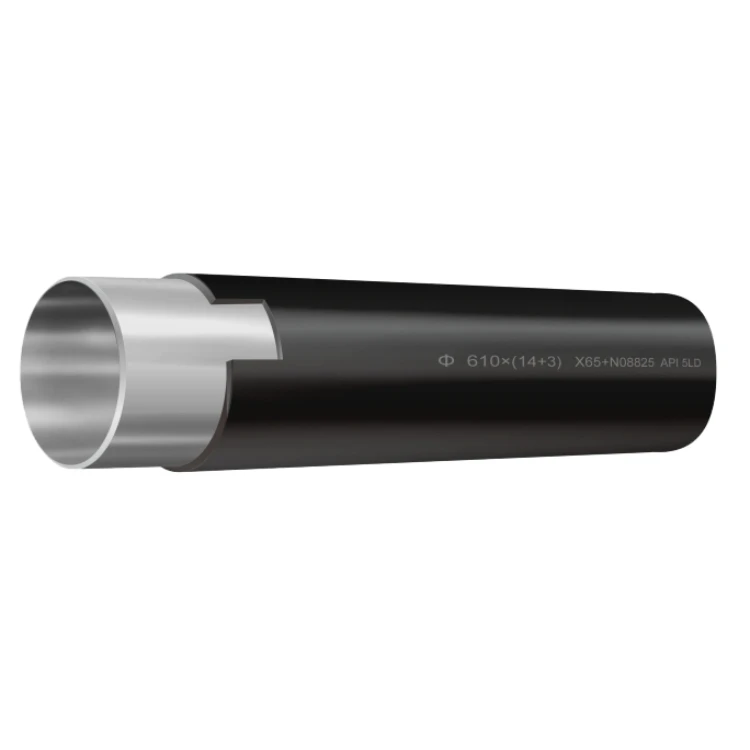
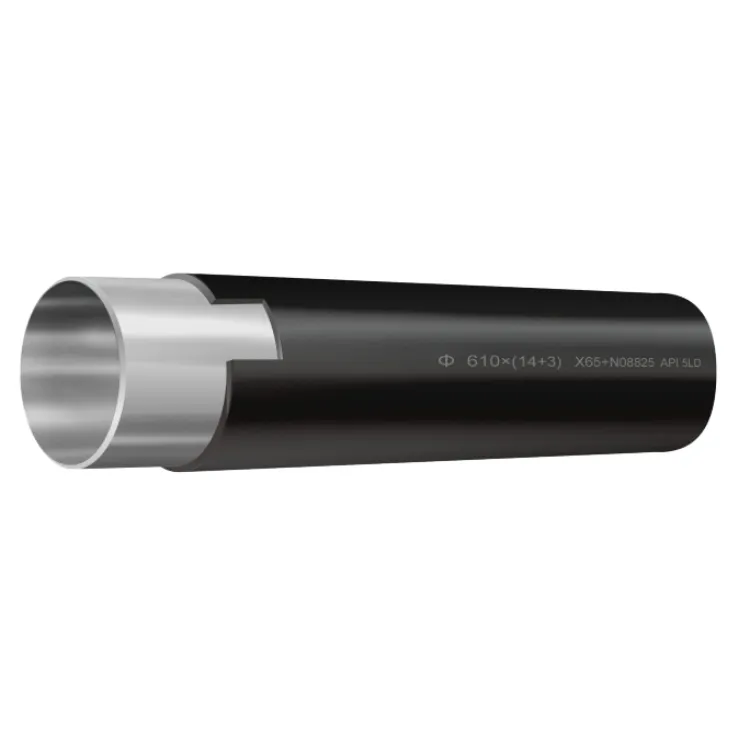
Mechanical clad steel pipe (MCSP) is a kind of high-performance pipe, which is specially designed for demanding industrial applications. Combining the durability and strength of steel with advanced composite materials, MCSP provides enhanced corrosion resistance, high pressure and extreme temperatures.
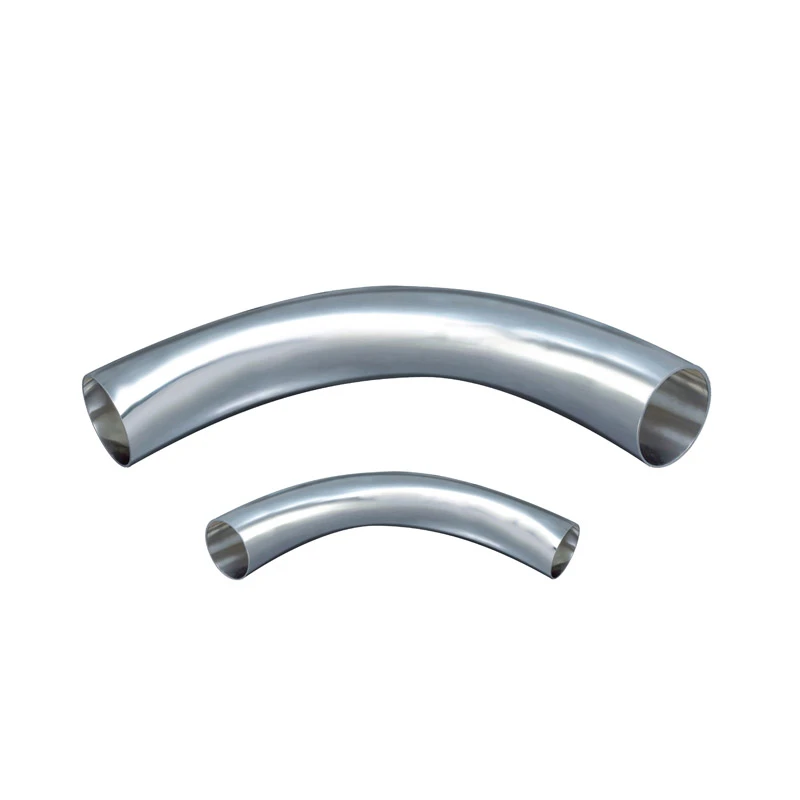
Bend is a crucial pipe fitting used to change the direction of flow in a piping system. It allows for smooth transitions between sections of pipe, accommodating layout constraints, avoiding obstacles, and optimizing flow paths. Bends are designed to maintain the fluid's velocity and minimize pressure loss while providing the necessary angle of deviation. They are commonly used in various industries, including oil and gas, petrochemicals, water supply, and HVAC systems.
Flange Product Introduction
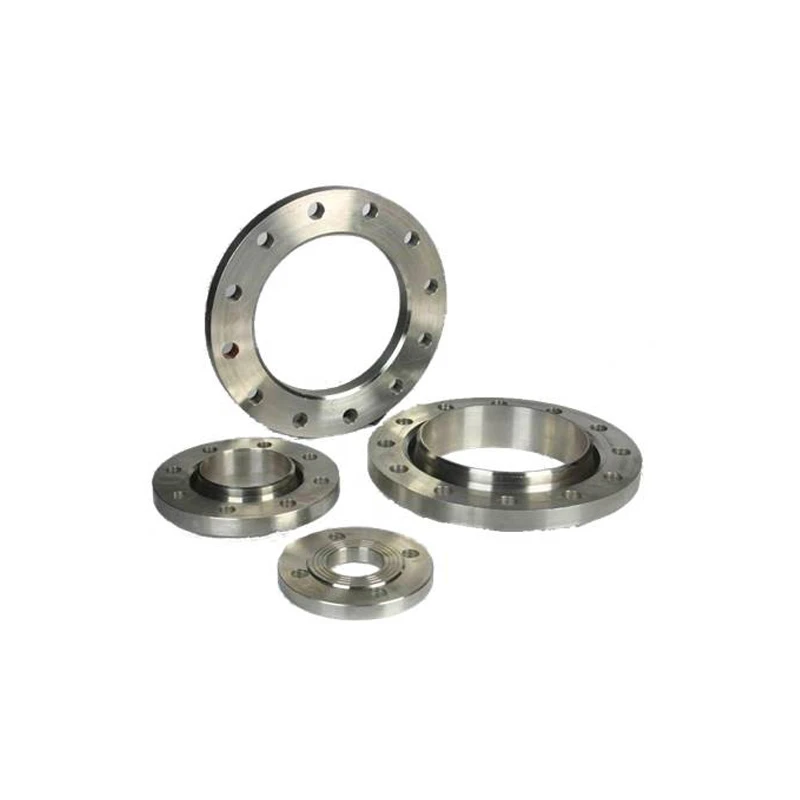
Flanges are used to connect pipes to pipes or pipes to equipment, ensuring a sealed and stable connection. They prevent fluid leakage and can withstand certain pressures and stresses, ensuring reliable connections. Flange nominal diameters range from DN15-DN2000 and beyond, covering various pipeline connection needs. Flanges primarily adhere to international standards such as ASME B16.5-2020, ASME B16.47-2020, and API 6A-2018.
Cangzhou Leo Technology Co., Ltd. is located in Mengcun County Economic Development Zone, Cangzhou City, Hebei Province. It is a specialized high-tech enterprise that integrates the research and development, production, and sales of composite pipes and fittings.
News
The company regards product quality as the life of the enterprise, establishes a sound quality management system in accordance with the requirements of industry and national standards, controls all aspects of input and output in the whole process, pays attention to every detail, and ensures that the product delivery pass rate is 100%.
Compare two mechanical steel pipe options by materials, API 5LD and DNV OS F101 references, applications, bonding descriptions and supplier documentation.
Learn how to choose the right ss bend pipe for your piping system. This guide covers material grade, bend angle, radius, pressure rating, and applicable standards to help procurement teams specify stainless steel bend pipes with confidence.
High-Performance Sink Pipe Steel: The Ultimate Guide to Industrial Piping In the demanding world of industrial manufacturing and pressure vessel construction, the selection of materials for piping systems is critical. Utilizing high-quality sink pipe steel ensures that systems can withstand extreme pressures, corrosive media, and mechanical stress. Whether it is for chemical processing, oil and gas, or construction, the right steel grade and fitting geometry can mean the difference between seamless operation and costly system failure. This guide explores the technical nuances of steel elbows and specialized clad materials designed for the most rigorous environments.
In the realm of modern industrial infrastructure, the integrity of piping systems is non-negotiable. The seamless steel pipe stands as the gold standard for transporting high-pressure fluids and gases. Unlike welded alternatives, seamless pipes are manufactured without a longitudinal seam, eliminating the most common point of failure and ensuring superior structural consistency. This makes them indispensable in sectors where safety and reliability are paramount, such as petroleum, nuclear power, and thermal energy. In this comprehensive guide, we will explore the technical advantages, material specifications, and critical applications of these high-performance components to help you make an informed procurement decision.
If you are interested in our products, you can choose to leave your information here, and we will be in touch with you shortly.