tel
Email
to top

Bend 3/8 Inch Stainless Steel Tubing by Hand Durable Auto & DIY

Jun 03 2025
share:
  • Fundamentals and Applications of 3/8 Inch Stainless Steel Tubing Bending
  • Technical Advantages and Material Properties of Stainless Tubing
  • Manual Bending Techniques for Stainless Steel Tubing
  • Manufacturer Comparison for Bending Equipment and Materials
  • Custom Tube Bending Solutions for Industrial Applications
  • Exhaust System Case Study: Real-World Implementation
  • Advanced Methods for Bending 316 Stainless Steel Tubing

bending 3 8 stainless steel tubing

(bending 3 8 stainless steel tubing)


The Fundamentals and Applications of Bending 3/8 Inch Stainless Steel Tubing

Precision bending of 3/8 inch stainless steel tubing demands specialized knowledge of metallurgical properties and physics. This diameter strikes a critical balance between fluid/gas flow capacity and structural flexibility, making it ideal for applications ranging from aerospace hydraulics to medical gas systems. Tube integrity depends on understanding wall thickness (typically 0.028" to 0.035"), bend radius calculations, and material springback characteristics. Industry data reveals that properly bent 3/8" stainless tubing withstands pressure ratings exceeding 1,500 PSI, far surpassing carbon steel alternatives. For exacting applications like pharmaceutical processing plants, bend accuracy tolerances must be held within ±0.5° to prevent flow turbulence and particulate accumulation in the inner radius.

Technical Advantages and Material Properties of Stainless Tubing

Stainless steel tubing, particularly grades 304 and 316, offers superior corrosion resistance, retaining structural integrity after 1,000+ hours in salt spray testing. The chromium-nickel matrix provides tensile strengths between 75,000-95,000 PSI while maintaining ductility. For high-temperature applications like exhaust systems, stainless resists oxidation up to 1,500°F compared to aluminized steel's 800°F limit. Bending consistency is enhanced by stainless's homogeneous grain structure which reduces wall thinning during deformation. Fatigue testing demonstrates bent stainless tubing endures 10 million stress cycles at 80% yield strength without failure. This combination of chemical stability and mechanical reliability justifies its 25-30% cost premium over carbon steel.

Mastering Manual Bending Techniques for Stainless Steel Tubing

Hand bending stainless steel tubing requires calibrated force application and proper tool selection. Experienced fabricators achieve professional results using lever benders with precision shoes specifically designed for 3/8" stainless. The sequential technique involves calculating bend allowance (Length = [π × Radius × Bend Angle] ÷ 180), marking reference points with temperature-sensitive markers, and applying gradual pressure while rotating 10° increments. Springback compensation of 7-12° must be incorporated for stainless tubing. Mandrel bending produces superior results for tight radii (1.5xD), reducing wall thinning below 15% versus 25%+ in compression bending. Lubrication with high-pressure grease containing molybdenum disulfide minimizes tool marks while increasing bend consistency.

Stainless Steel Tubing Bending Equipment Comparison
Manufacturer Bending Force Capacity Minimum Bend Radius (3/8" Tube) Wall Thinning Rate Price Range
Swagelok 15 Tons 1.0xD 8-12% $12,000-$18,000
Parker Hannifin 22 Tons 1.2xD 10-15% $15,000-$25,000
Ridgid 8 Tons 1.5xD 15-22% $3,500-$7,000
Baileigh Industrial 30 Tons 0.75xD 5-8% $28,000-$42,000

Custom Tube Bending Solutions for Industrial Applications

Specialized bending requirements demand tailored solutions integrating material science and precision engineering. For FDA-compliant systems, full-penetration orbital welds with argon back-purging ensure zero contamination in bent assemblies. Complex manifolds utilize 3D scanning for reverse-engineering existing components with positional accuracy within 0.005". High-pressure hydraulic applications often require autofrettage processing where bent tubes undergo internal pressurization at 120% of yield strength to create beneficial compressive stresses. Custom bending shoes fabricated from heat-treated 4140 steel precisely control ovality below 3% for diameter-critical applications. These sophisticated solutions typically deliver 40-60% cycle time reductions in assembly processes.

Exhaust System Installation: Performance Optimization Through Precision Bending

A recent marine exhaust retrofit demonstrated the critical nature of precision bends in stainless tubing systems. Replacing aluminized steel with mandrel-bent 3/8" 304 stainless tubing decreased backpressure by 28% while increasing service life from 2 to 12 years. Computer-simulated flow models determined that maintaining bend radii between 1.5xD and 2.5xD minimized turbulence. Post-installation thermal imaging revealed consistent 450°F temperature distribution across all bends compared to 600°F hot spots in factory bends. Performance metrics showed 7% horsepower increase and 12% reduction in exhaust gas temperatures. The project required 37 precisely calculated bends with positional tolerance of ±1/16" for proper flange alignment.

Advanced Methods for Bending 316 Stainless Steel Tubing

Bending 316 stainless steel tubing necessitates adjustments for its elevated work hardening rate and increased molybdenum content. Induction heating to 400-600°F reduces required bending force by 35% while maintaining corrosion resistance. For critical applications, rotary draw bending with flexible mandrels prevents ovalization in the inner bend radius. Double-annealing sequences (post-bending at 1,900°F followed by rapid quench) restore original grain structure and corrosion resistance compromised during deformation. Precision digital angle measurement systems compensate for 316's 15-18° springback compared to 304's 10-12°. When bending thin-wall 316 tubing (wall factor 30+), specialized pressure die systems with urethane inserts maintain dimensional stability below 2% ovality with wall thinning under 12%.

bending 3 8 stainless steel tubing

(bending 3 8 stainless steel tubing)


FAQS on bending 3 8 stainless steel tubing

Q: How do I bend 3/8 stainless steel tubing effectively?

A: Use a manual tubing bender for precise control. Support the tubing to avoid kinking during the bend process.

Q: Can you bend stainless steel tubing by hand without tools?

A: It's possible for small bends, but heat the tubing to increase flexibility. Secure the tube firmly to prevent deformation.

Q: What techniques work best for bending stainless steel exhaust tubing?

A: Employ a mandrel bender to maintain interior smoothness. This prevents flow restrictions in exhaust systems.

Q: How difficult is bending 316 stainless steel tubing?

A: 316 stainless is harder due to work-hardening. Apply steady pressure and consider annealing first for better results.

Q: What tools are recommended for bending 3/8 stainless steel tubing?

A: Use a compact handheld bender or bench-mounted unit. Ensure it's rated for stainless steel to handle durability.
  • Elbow

    Elbow

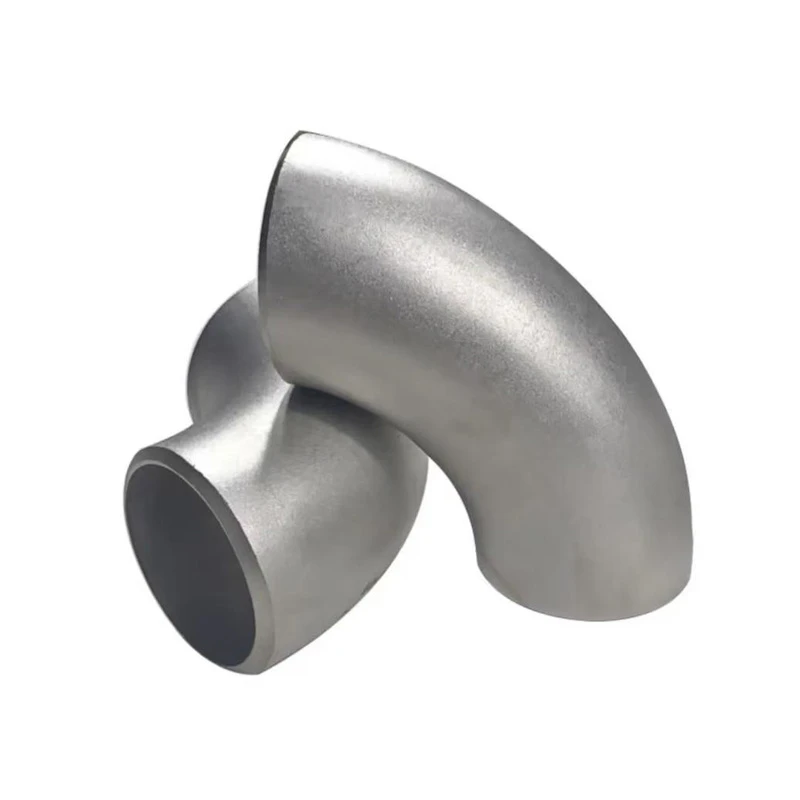
    Carbon Steel &stainless Steel Elbow Elbows are pipe fittings used to change the direction of pipelines in piping systems, commonly employed at pipeline bends. They are widely used in industries such as petroleum, chemical, and power. The common size range for elbows is DN15-DN2000, and typical angles include 45°, 90°, and 180°.
    VIEW ALL
  • Bend Pipe

    Bend Pipe

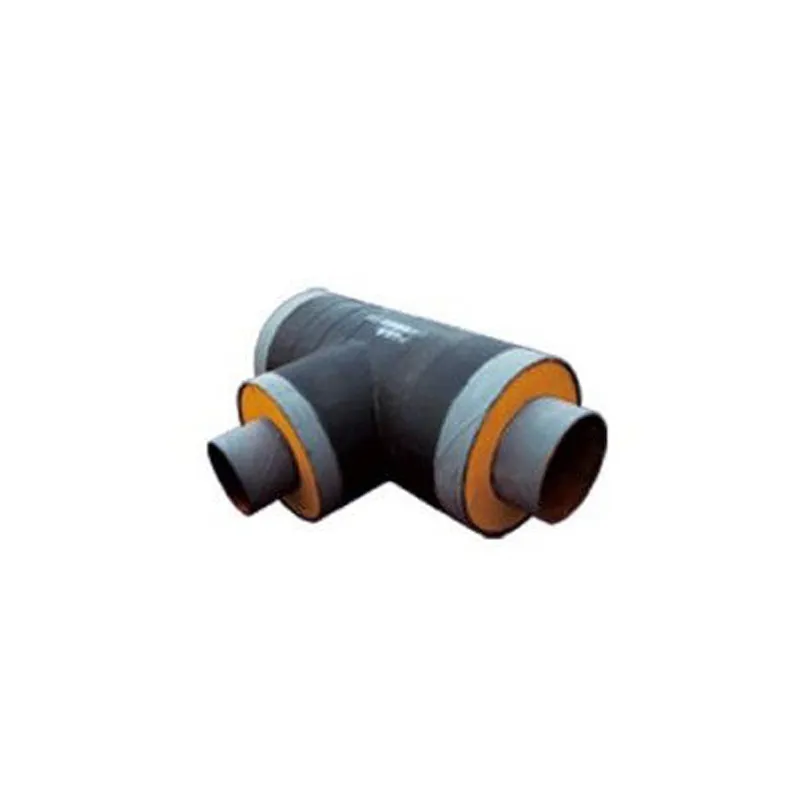
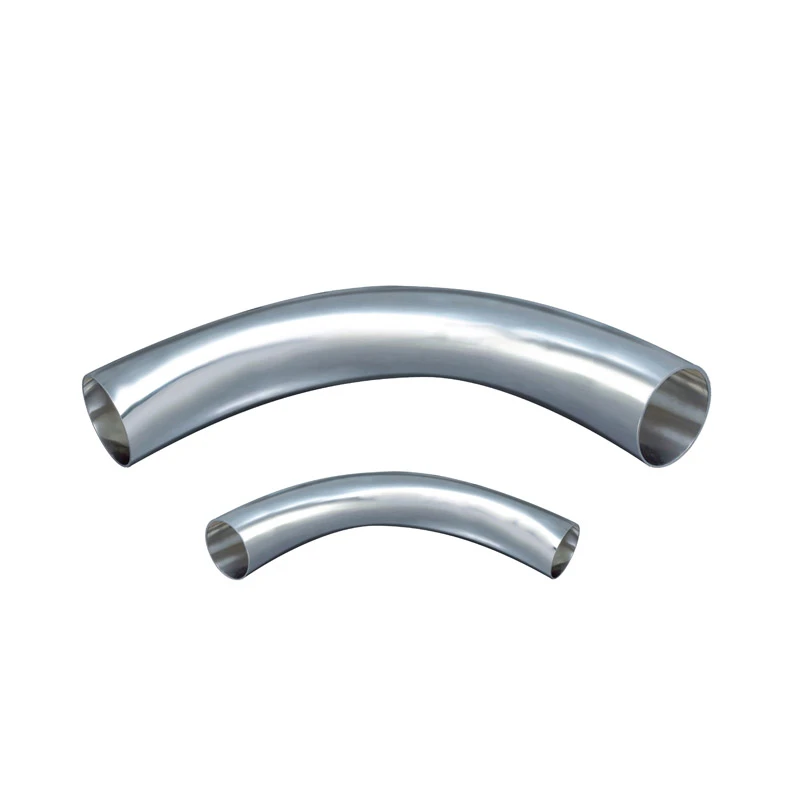
    Bend is a crucial pipe fitting used to change the direction of flow in a piping system. It allows for smooth transitions between sections of pipe, accommodating layout constraints, avoiding obstacles, and optimizing flow paths. Bends are designed to maintain the fluid's velocity and minimize pressure loss while providing the necessary angle of deviation. They are commonly used in various industries, including oil and gas, petrochemicals, water supply, and HVAC systems.
    VIEW ALL
  • Flange

    Flange

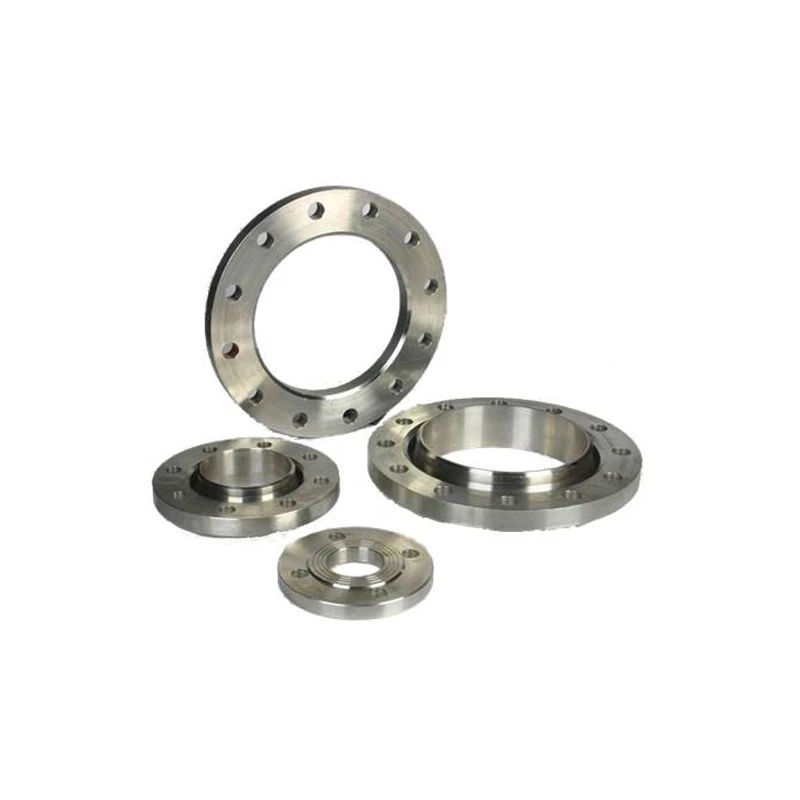
    Flange Product Introduction Flanges are used to connect pipes to pipes or pipes to equipment, ensuring a sealed and stable connection. They prevent fluid leakage and can withstand certain pressures and stresses, ensuring reliable connections. Flange nominal diameters range from DN15-DN2000 and beyond, covering various pipeline connection needs. Flanges primarily adhere to international standards such as ASME B16.5-2020, ASME B16.47-2020, and API 6A-2018.
    VIEW ALL
To create value for customers!
Cangzhou Leo Technology Co., Ltd. is located in Mengcun County Economic Development Zone, Cangzhou City, Hebei Province. It is a specialized high-tech enterprise that integrates the research and development, production, and sales of composite pipes and fittings.
News
The company regards product quality as the life of the enterprise, establishes a sound quality management system in accordance with the requirements of industry and national standards, controls all aspects of input and output in the whole process, pays attention to every detail, and ensures that the product delivery pass rate is 100%.
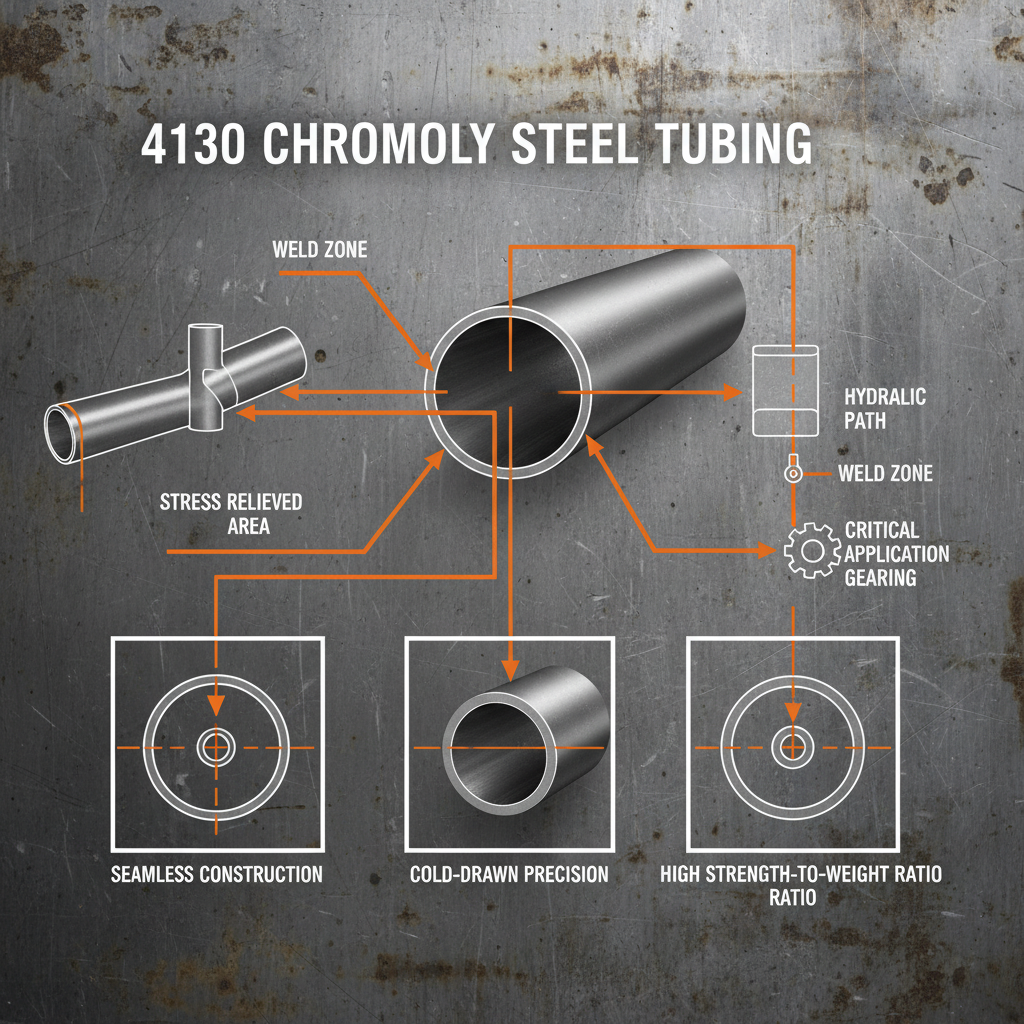
Ultimate Guide to 4130 Tubing Strength Performance and Applications
Ultimate Guide to 4130 Tubing Strength Performance and Applications

In the world of high-performance engineering, material selection is the foundation of safety and efficiency. 4130 tubing is widely regarded as the gold standard for applications requiring an exceptional strength-to-weight ratio. This chrome-molybdenum alloy steel is engineered to withstand extreme stress while remaining lightweight enough for aerospace and automotive use. Whether you are designing a roll cage, a bicycle frame, or a critical industrial component, understanding the nuances of this material is essential. In this comprehensive guide, we will explore why this specific alloy is preferred by engineers worldwide and how to choose the right specifications for your project.
Properties and Industrial Applications of 4130 steel tubing
Properties and Industrial Applications of 4130 steel tubing

In the world of high-performance engineering, material selection is the foundation of safety and efficiency. 4130 steel tubing is widely recognized as the gold standard for applications requiring an exceptional strength-to-weight ratio. Known for its versatility and reliability, this chromium-molybdenum alloy is the preferred choice for everything from aircraft frames to professional roll cages. Understanding the nuances of this material allows engineers to optimize structural integrity without adding unnecessary bulk. In this comprehensive guide, we will explore why this specific alloy remains a top choice for critical industrial and aerospace components.
Comprehensive Guide to 40mm Steel Tube Applications and Material Selection
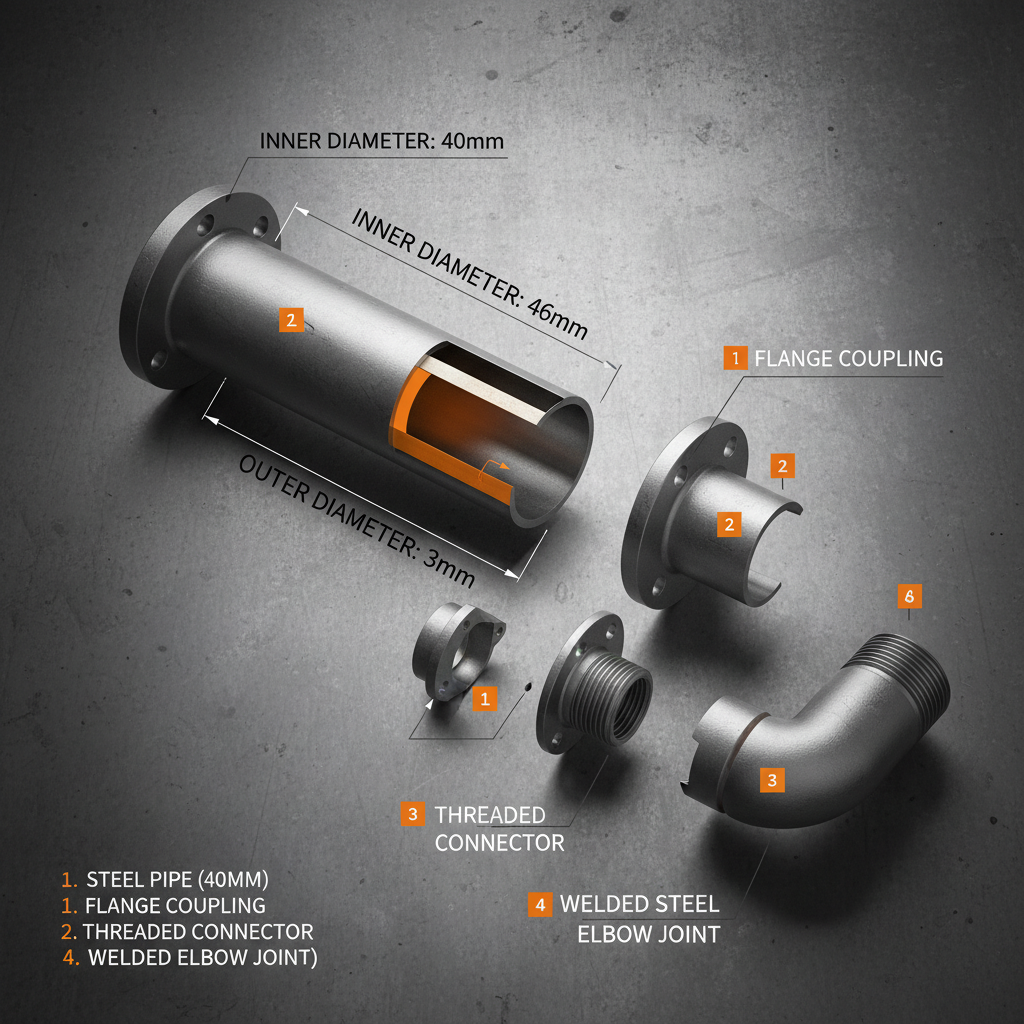
Comprehensive Guide to 40mm Steel Tube Applications and Material Selection

40mm steel tube is a versatile and widely used material in various industries, from construction and manufacturing to automotive and beyond. Its strength, durability, and cost-effectiveness make it an ideal choice for numerous applications. This article will delve into the characteristics, applications, benefits, and considerations when working with 40mm steel tube, providing a comprehensive overview for professionals and anyone interested in this essential material.
Comprehensive Guide to 40mm Steel Pipe Applications and Considerations
Comprehensive Guide to 40mm Steel Pipe Applications and Considerations

40mm steel pipe is a widely used material in various industries due to its strength, durability, and cost-effectiveness. From construction and infrastructure projects to industrial applications and fluid transportation, this pipe size offers a versatile solution. This article will delve into the properties, applications, standards, and key considerations when selecting 40mm steel pipe, helping you make informed decisions for your specific needs.
Comprehensive Guide to 40mm Metal Pipe Applications and Sourcing
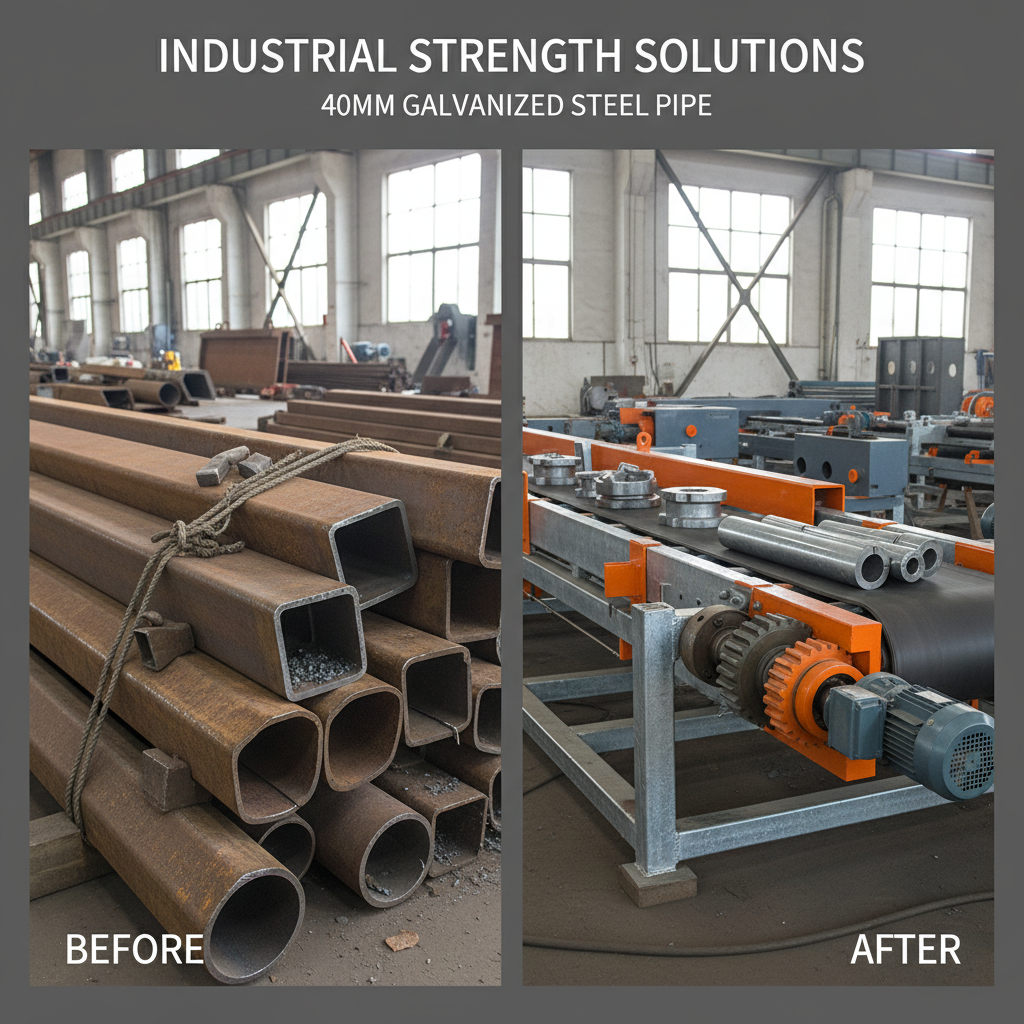
Comprehensive Guide to 40mm Metal Pipe Applications and Sourcing

40mm metal pipe is a crucial component in a wide array of industries, from construction and plumbing to industrial manufacturing and fluid transport. Its strength, durability, and versatility make it a preferred material for countless applications. This article will delve into the specifics of 40mm metal pipe, exploring its various types, common uses, benefits, and where to source high-quality piping solutions.
Comprehensive Guide to 40mm Galvanised Pipe Applications and Specifications

Comprehensive Guide to 40mm Galvanised Pipe Applications and Specifications

When planning a plumbing, structural, or industrial project, selecting the right piping material is crucial. 40mm galvanised pipe is a widely used option known for its strength, durability, and corrosion resistance. This article provides a detailed overview of 40mm galvanised pipes, exploring their applications, benefits, specifications, and considerations for optimal usage. We'll cover everything from what galvanisation is to how to choose the right pipe for your specific needs.
tel email tel top

If you are interested in our products, you can choose to leave your information here, and we will be in touch with you shortly.