tel
Email
to top

Applications in Oil Pipelines with Alloy Steel Elbows

Sep 09 2025
share:

The safe and efficient transportation of crude oil and refined products across vast distances relies on an intricate network of pipelines. Within this critical infrastructure, pipe fittings play an indispensable role, ensuring the fluid flow can navigate changes in direction, elevation, and layout while maintaining structural integrity under immense pressure and harsh environmental conditions. Among these fittings, elbows are fundamental, and the material from which they are constructed is paramount. This is where specialized manufacturers like Cangzhou Lion Technology Co., Ltd. leverage advanced materials science and manufacturing prowess to deliver reliable solutions, particularly focusing on high-performance alloy steel elbowblack steel elbow, and carbon steel elbow components for the demanding oil and gas sector.
 

Applications in Oil Pipelines with Alloy Steel Elbows


The Critical Role of Carbon Steel Elbows in Pipeline Infrastructure


Elbows are the essential joints enabling pipelines to change direction. In the oil industry, where pipelines traverse diverse terrains and connect complex facilities, the ability to install bends efficiently is crucial. Common angles include 45°, 90°, and 180°, accommodating various layout requirements. These fittings must withstand significant internal pressure, external loads (like soil pressure or seismic activity), potential abrasion from the fluid, and, critically, corrosion – both from the transported medium and the external environment. The choice of material directly impacts the fitting's longevity, safety, and overall pipeline reliability. Carbon steel elbowblack steel elbow, and specially formulated alloy steel elbow are the primary workhorses, each selected based on specific operational parameters like pressure rating, temperature, fluid corrosivity, and cost-effectiveness. Sizes range widely, typically from DN15 up to DN2000, catering to everything from small distribution lines to massive transmission pipelines.


Advanced Manufacturing of Alloy Steel Elbows for Demanding Applications 


Cangzhou Lion Technology Co., Ltd., strategically located in the Mengcun County Economic Development Zone, Cangzhou City, Hebei Province, stands as a prominent high-tech enterprise dedicated to pushing the boundaries of pipe fitting technology. With a substantial registered capital of 100.8 million yuan and sprawling across a 75,000 square meter plant manned by 120 skilled employees, the company has cemented its position as a designated supplier to major energy enterprise groups under the jurisdiction of China's State-owned Assets Supervision and Administration Commission (SASAC).


The company's strength lies in its integration of R&D, production, and sales, particularly excelling in clad pipes and fittings, alongside substantial capabilities in monolithic carbon steel elbow and alloy steel elbow production. Their expertise is bolstered by continuous innovation fostered through long-term technical collaborations with leading domestic research institutes. This focus ensures their professional production technology consistently achieves leading levels domestically and internationally.


For manufacturing robust elbows, especially alloy steel elbow types designed for high-stress, corrosive, or high-temperature sections of oil pipelines, Cangzhou Lion employs formidable capabilities. Their facility boasts over 200 sets of production and testing equipment. Key assets include a massive 6000T heavy-duty hydraulic press for heavy forming, and advanced intermediate frequency induction pushers (DN1200, DN600, DN350) for precise bending operations. Three large-scale natural gas heat treatment furnaces ensure critical metallurgical properties are achieved, featuring impressive temperature control accuracy (±10°C) and rapid quenching capabilities (water entry within 30 seconds). Furthermore, their significant investment in additive manufacturing (over 100 sets of equipment) allows for innovative approaches, including building up wear or corrosion-resistant layers on the inner walls of fittings, enhancing the longevity of both carbon steel elbow and alloy steel elbow products. Their annual production capacity for pressure piping components, encompassing a wide range of elbows, stands at an impressive 10,000 tons.


Performance Advantages of Black Steel and Carbon Steel Elbows 


While alloy steel elbow fittings are essential for the most challenging conditions, carbon steel elbow and black steel elbow remain indispensable for vast sections of oil pipeline networks due to their excellent balance of strength, ductility, weldability, and cost.


  • Carbon Steel Elbows:These are the most widely used type. They offer high strength and pressure resistance, making them suitable for the majority of pipeline bends where extreme corrosion resistance is not the primary concern. Standard carbon steel elbow fittings are manufactured to stringent specifications (e.g., ASME B16.9) and are available in various grades (like ASTM A234 WPB) to match pipeline requirements. Their excellent weldability ensures seamless integration into the pipeline system. Cangzhou Lion's large-scale production capabilities ensure consistent quality and availability for these fundamental components.
  • Black Steel Elbows:Often synonymous with carbon steel elbow but typically referring to unfinished, as-rolled or as-forged carbon steel without a specific anti-corrosion coating (like galvanization). "Black" refers to the dark iron oxide scale formed during manufacturing. In pipeline contexts, black steel elbow fittings are frequently used in sections where external corrosion protection (e.g., fusion-bonded epoxy coating, cathodic protection) will be applied post-installation, or in non-corrosive environments internally. They provide the core strength and form of a carbon steel elbow at a potentially lower initial cost point before final coating.
  •  

Cangzhou Lion's expertise extends to the precise forming and heat treatment of these components, ensuring they meet the dimensional tolerances, mechanical properties (tensile strength, yield strength, hardness), and impact toughness required for safe oil transportation, even in demanding climatic conditions.


FAQs About Carbon Steel Elbows,Black Steel Elbows 


What distinguishes an alloy steel elbow from a standard carbon steel elbow in oil pipeline applications?


The key difference lies in composition and enhanced properties. Alloy steel elbow fittings incorporate elements like chromium, molybdenum, nickel, or vanadium alongside carbon and iron. This significantly boosts strength at high temperatures, improves toughness at low temperatures, and enhances resistance to specific types of corrosion (e.g., hydrogen sulfide cracking in sour service) encountered in oil pipelines, compared to standard carbon steel elbow fittings.


Why might an operator choose a black steel elbow over other finishes?


black steel elbow is typically chosen when the final external corrosion protection will be applied uniformly across the entire pipeline string after installation (e.g., field-applied FBE coating). This ensures continuity of the protective layer. It can also be a cost-effective solution for internal services where corrosion is minimal and no internal coating is required, leveraging the inherent properties of the carbon steel base material.


How do carbon steel elbows maintain sufficient corrosion resistance for typical crude oil transport?


Carbon steel elbow fittings rely on controlled chemistry, proper manufacturing (including heat treatment), and the application of external protective coatings and cathodic protection systems. For many crude oil streams, the corrosivity is manageable with this combined approach. Regular inspection and maintenance are also crucial. Their inherent strength and cost-effectiveness make them the standard choice for the majority of pipeline bends.


What quality control measures are critical during the production of high-pressure alloy steel elbows?


Rigorous QC is paramount. This includes stringent chemical analysis of raw materials, non-destructive testing (NDT) like ultrasonic testing (UT) and radiography (RT) to detect internal flaws, dimensional verification, mechanical property testing (tensile, impact, hardness), and precise heat treatment cycle control with thorough documentation (heat treat charts). Cangzhou Lion's investment in advanced testing equipment underpins this critical phase for alloy steel elbow reliability.


Can carbon steel elbows be used for high-pressure oil transportation lines?


Absolutely. Carbon steel elbow fittings manufactured to appropriate specifications (e.g., ASME B16.9, ASTM A234) in suitable grades (like WPB, WPHY 60/65) are extensively used in high-pressure oil transmission and distribution pipelines worldwide. Their design, wall thickness (schedule), and material grade are carefully selected during engineering to meet the specific pressure, temperature, and safety factor requirements of the pipeline system.


The reliable operation of oil pipelines hinges on the performance of every component, with elbows being critical junctures managing directional changes. The selection between carbon steel elbowblack steel elbow, and alloy steel elbow is driven by engineering requirements focused on pressure, temperature, corrosion potential, and cost. Cangzhou Lion Technology Co., Ltd., with its significant manufacturing scale, advanced equipment portfolio (including heavy presses, induction benders, and precision heat treatment), and commitment to technological advancement through R&D partnerships, is a key enabler for the oil and gas industry. Their capacity to produce thousands of tons annually of high-quality, specification-compliant elbows – from standard carbon steel and black steel variants to specialized, corrosion-resistant alloy steel types – ensures the availability of robust, reliable fittings essential for constructing and maintaining the vital arteries of global energy infrastructure. Their position as a designated supplier to major state-owned energy groups underscores the critical role they play in supporting safe and efficient hydrocarbon transportation.
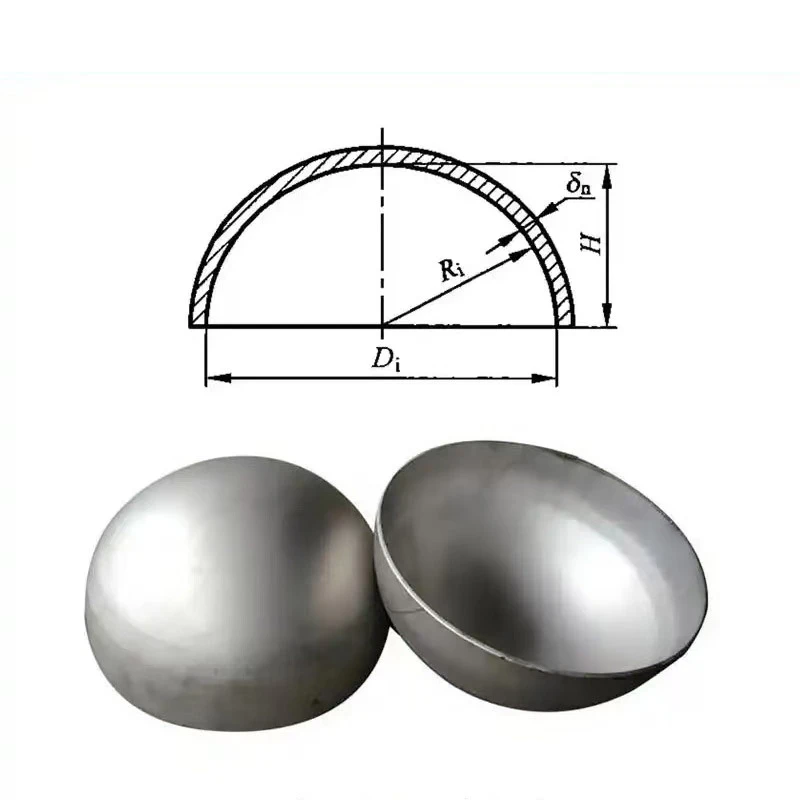
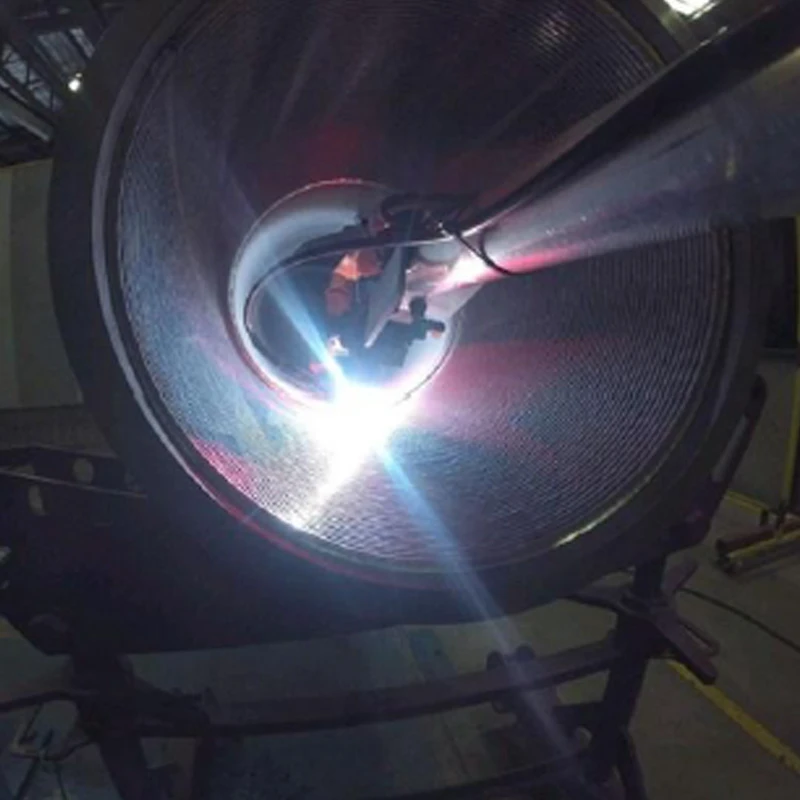
  • Overlay Welding Clad Steel Pipe

    Overlay Welding Clad Steel Pipe

    Overlay Welding clad Steel Pipe features a high-performance welded overlay that enhances the pipe’s surface properties, providing superior resistance to corrosion, erosion, and wear. This process involves applying a wear-resistant alloy layer over a strong steel base, making it ideal for industries such as oil and gas, mining, and chemical processing, where pipes are exposed to harsh conditions. The overlay ensures extended service life, reduced maintenance costs, and reliable performance even in extreme environments. With its combination of strength, durability, and corrosion resistance, the Overlay Welding Steel Pipe is a trusted solution for critical applications.
    VIEW ALL
  • Bend Pipe

    Bend Pipe

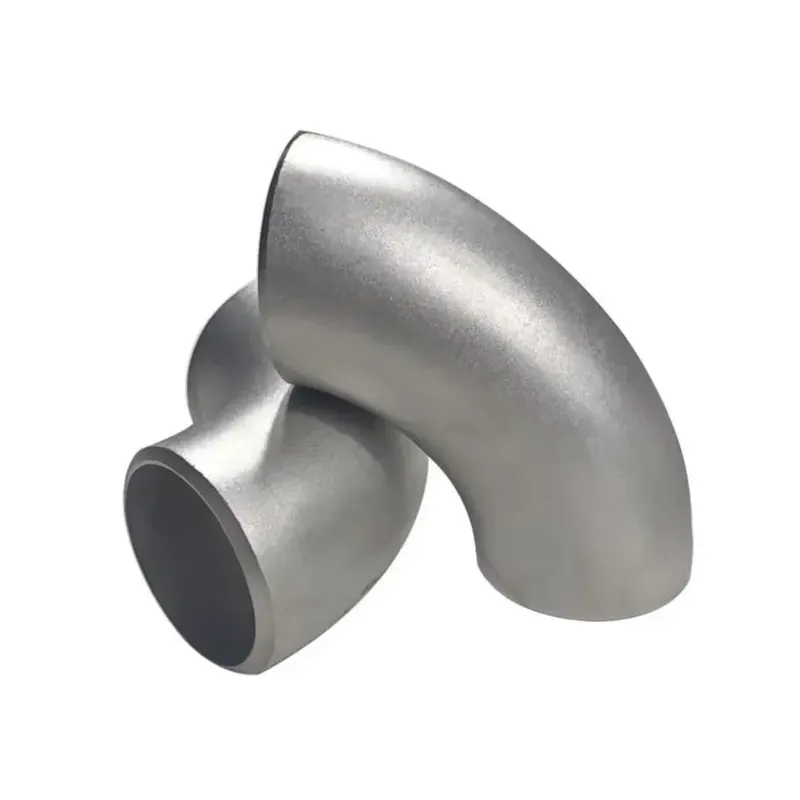
    Bend is a crucial pipe fitting used to change the direction of flow in a piping system. It allows for smooth transitions between sections of pipe, accommodating layout constraints, avoiding obstacles, and optimizing flow paths. Bends are designed to maintain the fluid's velocity and minimize pressure loss while providing the necessary angle of deviation. They are commonly used in various industries, including oil and gas, petrochemicals, water supply, and HVAC systems.
    VIEW ALL
  • Tee Pipe

    Tee Pipe

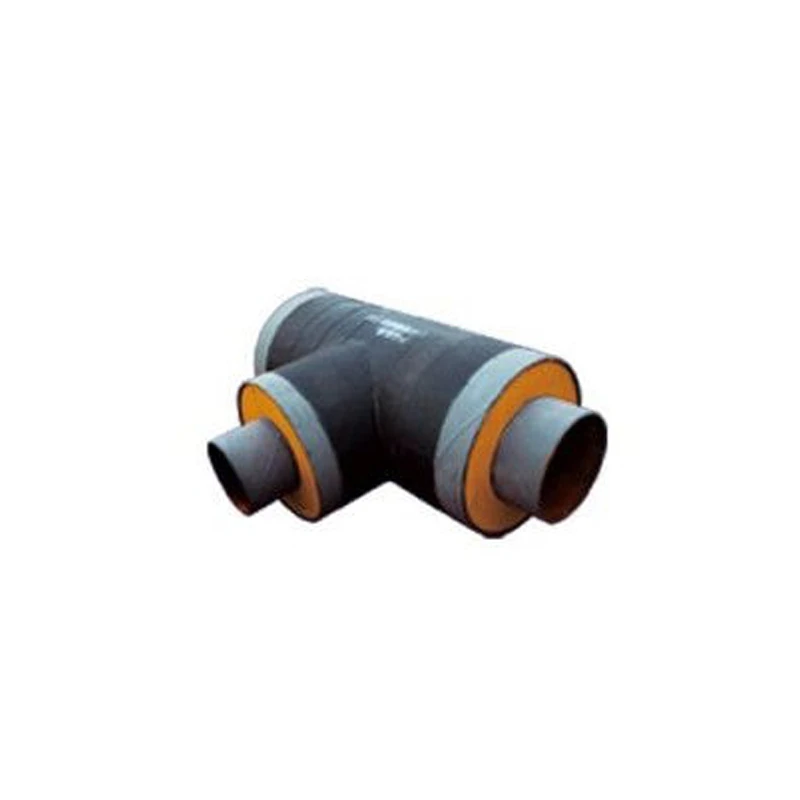
    Tee products are essential pipe fittings used to connect three sections of piping, forming a "T" shape. Available in various materials like carbon steel, stainless steel, and alloy steel, they are designed for use in systems requiring the diversion or junction of fluid flow.
    VIEW ALL
To create value for customers!
Cangzhou Leo Technology Co., Ltd. is located in Mengcun County Economic Development Zone, Cangzhou City, Hebei Province. It is a specialized high-tech enterprise that integrates the research and development, production, and sales of composite pipes and fittings.
News
The company regards product quality as the life of the enterprise, establishes a sound quality management system in accordance with the requirements of industry and national standards, controls all aspects of input and output in the whole process, pays attention to every detail, and ensures that the product delivery pass rate is 100%.
High Performance Sink Pipe Steel Guide for Industrial Piping

High Performance Sink Pipe Steel Guide for Industrial Piping

High-Performance Sink Pipe Steel: The Ultimate Guide to Industrial Piping In the demanding world of industrial manufacturing and pressure vessel construction, the selection of materials for piping systems is critical. Utilizing high-quality sink pipe steel ensures that systems can withstand extreme pressures, corrosive media, and mechanical stress. Whether it is for chemical processing, oil and gas, or construction, the right steel grade and fitting geometry can mean the difference between seamless operation and costly system failure. This guide explores the technical nuances of steel elbows and specialized clad materials designed for the most rigorous environments.
Ultimate Guide to Industrial Seamless Steel Pipe for Piping

Ultimate Guide to Industrial Seamless Steel Pipe for Piping

In the realm of modern industrial infrastructure, the integrity of piping systems is non-negotiable. The seamless steel pipe stands as the gold standard for transporting high-pressure fluids and gases. Unlike welded alternatives, seamless pipes are manufactured without a longitudinal seam, eliminating the most common point of failure and ensuring superior structural consistency. This makes them indispensable in sectors where safety and reliability are paramount, such as petroleum, nuclear power, and thermal energy. In this comprehensive guide, we will explore the technical advantages, material specifications, and critical applications of these high-performance components to help you make an informed procurement decision.
High Performance Seamless Steel Pipes for Industrial Piping

High Performance Seamless Steel Pipes for Industrial Piping

In the world of industrial fluid transportation and pressure vessel manufacturing, the choice of piping material can determine the safety and longevity of an entire system. Seamless steel pipes are engineered to withstand extreme conditions without the risk of weld-line failure, making them the gold standard for high-pressure environments. From oil and gas pipelines to hydraulic systems, these pipes offer unmatched structural integrity. In this comprehensive guide, we will explore the technical specifications, benefits, and diverse applications of carbon seamless steel solutions to help you make an informed procurement decision for your next engineering project.
High Performance Seamless Stainless Steel Pipe for Industrial Use

High Performance Seamless Stainless Steel Pipe for Industrial Use

The Ultimate Guide to Seamless Stainless Steel Pipe for Industrial Applications In the demanding world of oil and gas extraction, particularly in fields characterized by high hydrogen sulfide and carbon dioxide levels, the integrity of transportation infrastructure is critical. While traditional carbon steel often fails due to insufficient corrosion resistance, the seamless stainless steel pipe emerges as a premium solution. By eliminating weld seams, these pipes provide superior structural integrity and a seamless barrier against corrosive media. For industries operating under extreme pressure and chemical aggression, choosing the right piping material is not just about efficiencyit is about safety and long-term economic viability.
Industrial Piping Solutions Using Durable sch 40 steel pipe

Industrial Piping Solutions Using Durable sch 40 steel pipe

Optimizing Industrial Piping with SCH 40 Steel Pipe Solutions In the demanding world of industrial manufacturing and fluid transport, selecting the right piping specification is critical for safety and efficiency. The sch 40 steel pipe serves as a global standard for versatility, balancing wall thickness with internal flow capacity. Whether used in petrochemical plants, marine environments, or construction, this pipe grade provides the structural reliability needed to handle moderate pressures. However, as industries evolve, the integration of advanced technologies like laser cladding is transforming how we enhance these pipes to resist extreme corrosion and wear, extending the lifecycle of critical infrastructure.
Industrial 5 inch steel tubing Guide for High Pressure Systems

Industrial 5 inch steel tubing Guide for High Pressure Systems

The Ultimate Guide to 5 Inch Steel Tubing for Industrial Applications When designing high-pressure piping systems or structural frameworks, selecting the right material dimensions is critical for safety and efficiency. The 5 inch steel tubing serves as a versatile midpoint in industrial piping, offering a perfect balance between flow capacity and structural rigidity. Whether it is used in oil and gas transport, water management, or architectural support, the quality of the steel determines the longevity of the entire project. In this comprehensive guide, we will explore the technical specifications, material grades, and strategic advantages of utilizing this specific tubing size
tel email tel top

If you are interested in our products, you can choose to leave your information here, and we will be in touch with you shortly.