tel
Email
to top

Bending Stainless Tubing for Medical Devices

Sep 09 2025
share:

Bending stainless tubing is far more than a simple mechanical process, especially within the highly regulated and demanding medical device industry. It requires exceptional precision, material integrity, and process control to create components that meet stringent biocompatibility, sterility, and performance standards. From intricate surgical instruments and diagnostic equipment to complex fluid handling systems within life-support machines, the reliability of bendable stainless tubing is paramount. Achieving consistent, high-quality bends, including specialized forms like bending plat stainless, demands advanced manufacturing capabilities and deep metallurgical understanding.
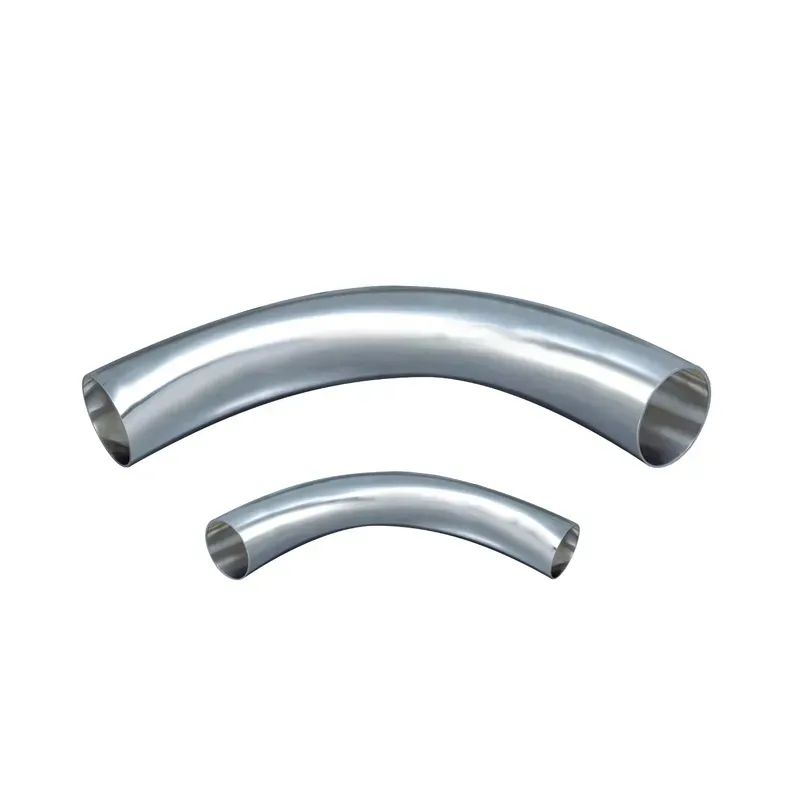
 

Bending Stainless Tubing for Medical Devices


The Critical Role of Precision Bending Stainless in Medical Technology 


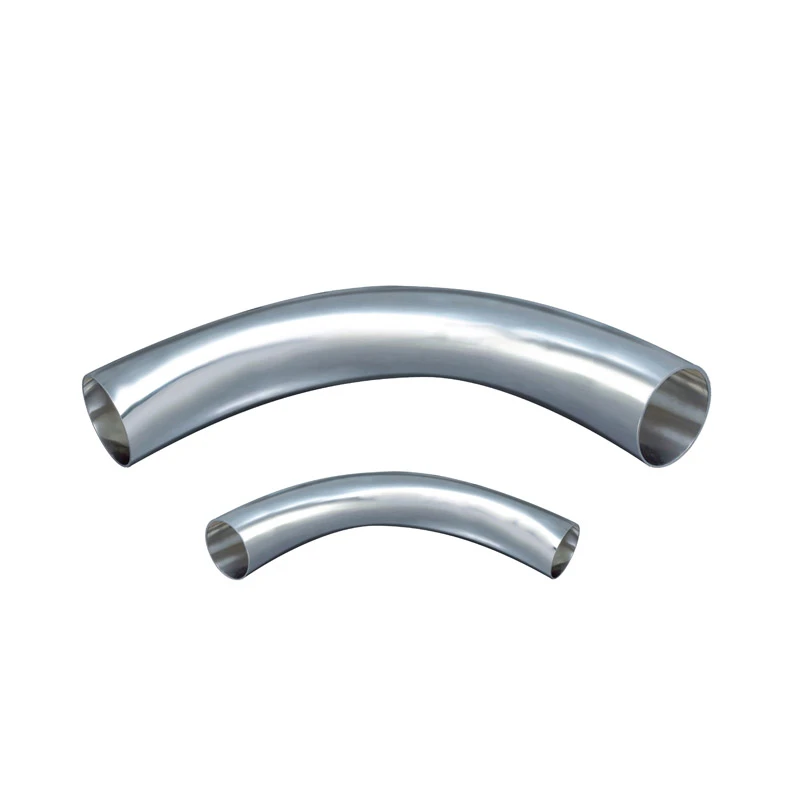
Medical devices rely on fluid pathways that are often complex and space-constrained. Tubing must navigate intricate assemblies without compromising flow characteristics, introducing contamination risks, or creating weak points. A bend is a crucial pipe fitting used to change the direction of flow in a piping system. In the medical context, this allows for smooth transitions between sections of pipe, accommodating layout constraints within compact devices, avoiding internal obstacles, and optimizing flow paths for blood, gases, saline, or other medical fluids. Medical-grade bends are designed to maintain the fluid's velocity and minimize pressure loss while providing the necessary angle of deviation, ensuring predictable device performance and patient safety. Imperfections like kinking, wall thinning, ovalization, or micro-cracks introduced during bending can become sites for bacterial growth, corrosion, or catastrophic failure – outcomes completely unacceptable in life-critical applications. This necessitates bending processes that preserve the tubing's internal diameter, wall thickness consistency, surface finish, and mechanical properties.


Advanced Techniques for Creating High-Quality Bendable Stainless Tubing 


Producing reliable bendable stainless tubing for medical devices starts long before the actual bending operation. It begins with selecting the appropriate stainless steel grade (commonly 304, 316, or 316L-VM for its superior corrosion resistance and biocompatibility) and ensuring the raw tubing meets exacting specifications for composition, surface finish, and dimensional tolerances. Precision bending itself leverages sophisticated methods:


  • Mandrel Bending:This is the gold standard for medical tubing requiring tight radii and minimal deformation. A precisely shaped mandrel rod is inserted into the tube during bending, supporting the inner wall to prevent collapsing or kinking. The combination of a pressure die, wiper die, and clamp die ensures smooth, controlled formation of the bend.
  • Rotary Draw Bending:Highly controllable and repeatable, this method is ideal for complex shapes and multiple bends on a single tube length. The tube is clamped and drawn around a rotating bend die, with the mandrel providing internal support.
  • Heat Induction Bending:For specific alloys or challenging geometries, localized and tightly controlled heat application can facilitate bending without compromising metallurgical properties. This requires extremely precise temperature management to avoid grain growth or sensitization.

Achieving the desired bending plat stainless configuration – essentially creating a flattened or specific profile within a bend section – demands even greater tooling precision and process control to avoid stress concentrations. Regardless of the method, maintaining the pristine internal surface finish of the tubing is critical to prevent bacterial adhesion and ensure cleanability or sterility.


FAQs about Medical Bending Stainless 


Why is bendable stainless tubing the preferred choice for critical medical fluid paths?


Stainless steel (especially 316L) offers unparalleled biocompatibility, exceptional corrosion resistance against bodily fluids and cleaning/steralizing agents, high strength-to-weight ratio, and the ability to be polished to a very smooth surface finish. Its inherent bendable stainless tubing characteristics, when processed correctly, allow for the creation of complex, reliable, and cleanable fluid pathways essential in medical devices.


How does the process of bending stainless tubing ensure it remains suitable for sterile medical applications?


Precision bending stainless techniques like mandrel bending, combined with stringent process controls (clean environment, dedicated tooling), prevent internal surface damage like scratches or kinks that could harbor bacteria. Post-bending processes like electro-polishing further enhance the surface smoothness and cleanability, ensuring the tubing meets sterility requirements.


What makes bending plat stainless configurations particularly challenging, and how is it achieved?


Bending plat stainless requires deforming the tube into a specific non-circular profile within the bend region. This concentrates stresses and risks compromising wall integrity or surface finish. Achieving it demands highly specialized, custom tooling designed for the exact geometry, coupled with extremely precise control over the bending force and mandrel support to prevent wrinkling, tearing, or excessive thinning.


Can you achieve complex, multi-plane bends in small-diameter bendable stainless tubing needed for miniature medical devices?


Yes, advanced CNC rotary draw benders, equipped with precise mandrels and sophisticated programming, are capable of producing intricate, multi-plane bends in very small diameter bendable stainless tubing with high repeatability. This is essential for components used in minimally invasive surgical tools, endoscopes, and implantable drug delivery systems.


What quality assurances are critical when sourcing bending stainless components for medical devices?


Key assurances include strict material certification (ASTM/ISO grades, traceability), dimensional verification (including wall thickness after bending), surface finish validation (Ra values), documentation of bending parameters and heat treatments, comprehensive non-destructive testing (visual, dye penetrant, potentially eddy current), and adherence to relevant quality standards (ISO 13485). Process validation reports are essential.


Bending stainless tubing for medical devices transcends simple fabrication; it's an exacting discipline demanding deep material science knowledge, precision engineering, and rigorous quality control. The transition from straight tube to a precisely formed bend or specialized bending plat stainless shape must preserve every critical property that makes stainless steel suitable for medical use: biocompatibility, corrosion resistance, strength, and a flawless internal surface. Companies like Cangzhou Lion Technology Co., Ltd. demonstrate how industrial-scale manufacturing prowess, backed by significant investment in advanced equipment like heavy-duty presses, precision thermal processing furnaces (±10°C control), and extensive additive manufacturing capabilities, can be effectively channeled to meet the high-volume, high-precision demands of the medical device industry. Their foundation in producing clad pipes for critical energy and chemical applications provides a robust platform of metallurgical expertise and quality systems essential for delivering reliable, large-scale quantities of bendable stainless tubing components that perform flawlessly in life-saving medical technologies.
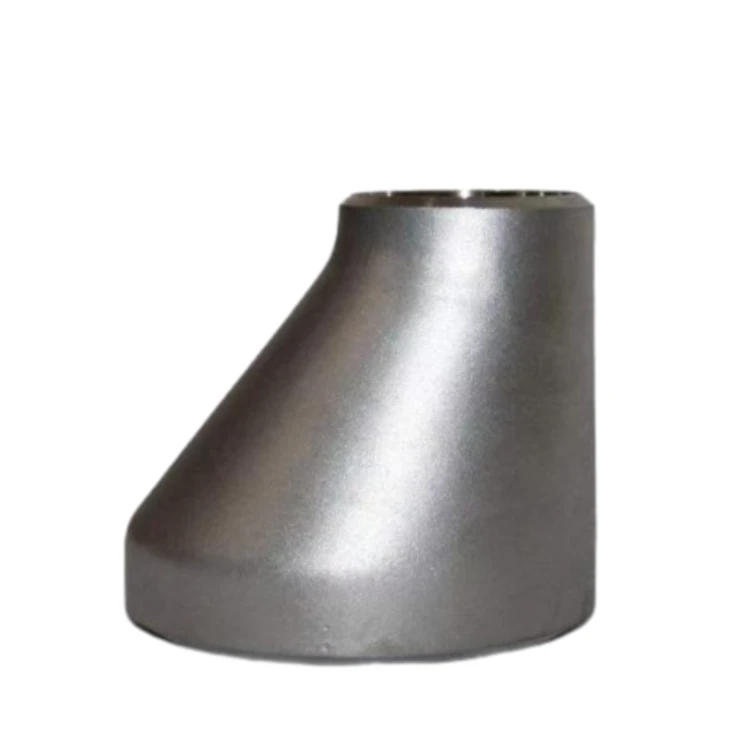
  • Elbow

    Elbow

    Carbon Steel &stainless Steel Elbow Elbows are pipe fittings used to change the direction of pipelines in piping systems, commonly employed at pipeline bends. They are widely used in industries such as petroleum, chemical, and power. The common size range for elbows is DN15-DN2000, and typical angles include 45°, 90°, and 180°.
    VIEW ALL
  • Flange

    Flange

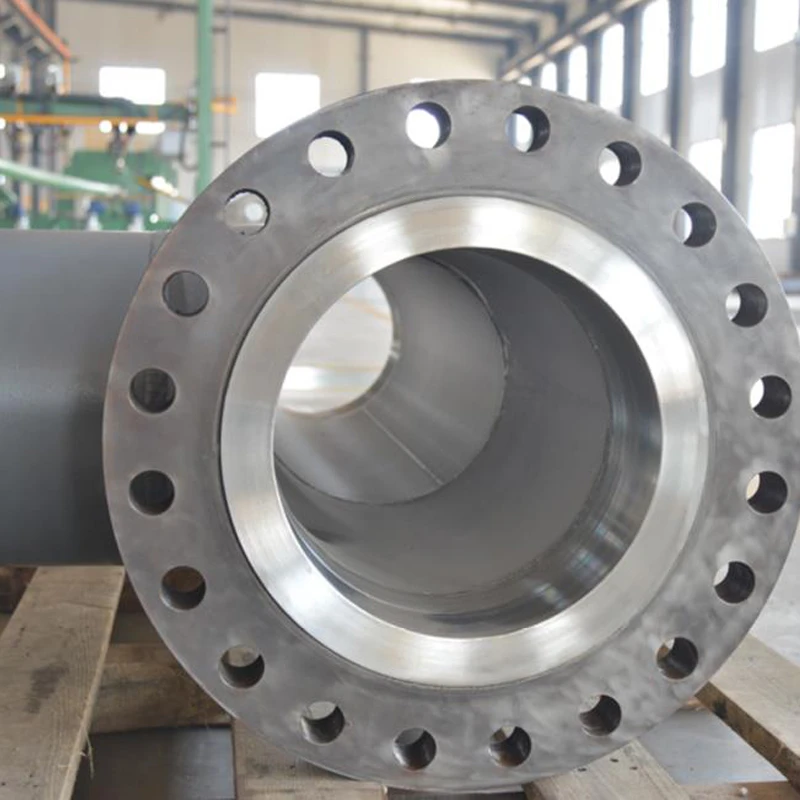
    Flange Product Introduction Flanges are used to connect pipes to pipes or pipes to equipment, ensuring a sealed and stable connection. They prevent fluid leakage and can withstand certain pressures and stresses, ensuring reliable connections. Flange nominal diameters range from DN15-DN2000 and beyond, covering various pipeline connection needs. Flanges primarily adhere to international standards such as ASME B16.5-2020, ASME B16.47-2020, and API 6A-2018.
    VIEW ALL
  • Anti Corrosion And Thermal Insulation Products

    Anti Corrosion And Thermal Insulation Products

    The anti-corrosion and thermal insulation products we focus on produce play a key role in the industrial pipeline system, especially the thermal insulation pipe fittings and steel pipes. Thermal insulation pipe fittings cover elbows, tees, reducers and pipe supports, with specifications ranging from DN15 to DN1800, and are made of carbon steel, alloy steel, stainless steel, bimetallic composite, nickel-based alloy and other materials.
    VIEW ALL
To create value for customers!
Cangzhou Leo Technology Co., Ltd. is located in Mengcun County Economic Development Zone, Cangzhou City, Hebei Province. It is a specialized high-tech enterprise that integrates the research and development, production, and sales of composite pipes and fittings.
News
The company regards product quality as the life of the enterprise, establishes a sound quality management system in accordance with the requirements of industry and national standards, controls all aspects of input and output in the whole process, pays attention to every detail, and ensures that the product delivery pass rate is 100%.
High Performance Sink Pipe Steel Guide for Industrial Piping

High Performance Sink Pipe Steel Guide for Industrial Piping

High-Performance Sink Pipe Steel: The Ultimate Guide to Industrial Piping In the demanding world of industrial manufacturing and pressure vessel construction, the selection of materials for piping systems is critical. Utilizing high-quality sink pipe steel ensures that systems can withstand extreme pressures, corrosive media, and mechanical stress. Whether it is for chemical processing, oil and gas, or construction, the right steel grade and fitting geometry can mean the difference between seamless operation and costly system failure. This guide explores the technical nuances of steel elbows and specialized clad materials designed for the most rigorous environments.
Ultimate Guide to Industrial Seamless Steel Pipe for Piping

Ultimate Guide to Industrial Seamless Steel Pipe for Piping

In the realm of modern industrial infrastructure, the integrity of piping systems is non-negotiable. The seamless steel pipe stands as the gold standard for transporting high-pressure fluids and gases. Unlike welded alternatives, seamless pipes are manufactured without a longitudinal seam, eliminating the most common point of failure and ensuring superior structural consistency. This makes them indispensable in sectors where safety and reliability are paramount, such as petroleum, nuclear power, and thermal energy. In this comprehensive guide, we will explore the technical advantages, material specifications, and critical applications of these high-performance components to help you make an informed procurement decision.
High Performance Seamless Steel Pipes for Industrial Piping

High Performance Seamless Steel Pipes for Industrial Piping

In the world of industrial fluid transportation and pressure vessel manufacturing, the choice of piping material can determine the safety and longevity of an entire system. Seamless steel pipes are engineered to withstand extreme conditions without the risk of weld-line failure, making them the gold standard for high-pressure environments. From oil and gas pipelines to hydraulic systems, these pipes offer unmatched structural integrity. In this comprehensive guide, we will explore the technical specifications, benefits, and diverse applications of carbon seamless steel solutions to help you make an informed procurement decision for your next engineering project.
High Performance Seamless Stainless Steel Pipe for Industrial Use

High Performance Seamless Stainless Steel Pipe for Industrial Use

The Ultimate Guide to Seamless Stainless Steel Pipe for Industrial Applications In the demanding world of oil and gas extraction, particularly in fields characterized by high hydrogen sulfide and carbon dioxide levels, the integrity of transportation infrastructure is critical. While traditional carbon steel often fails due to insufficient corrosion resistance, the seamless stainless steel pipe emerges as a premium solution. By eliminating weld seams, these pipes provide superior structural integrity and a seamless barrier against corrosive media. For industries operating under extreme pressure and chemical aggression, choosing the right piping material is not just about efficiencyit is about safety and long-term economic viability.
Industrial Piping Solutions Using Durable sch 40 steel pipe

Industrial Piping Solutions Using Durable sch 40 steel pipe

Optimizing Industrial Piping with SCH 40 Steel Pipe Solutions In the demanding world of industrial manufacturing and fluid transport, selecting the right piping specification is critical for safety and efficiency. The sch 40 steel pipe serves as a global standard for versatility, balancing wall thickness with internal flow capacity. Whether used in petrochemical plants, marine environments, or construction, this pipe grade provides the structural reliability needed to handle moderate pressures. However, as industries evolve, the integration of advanced technologies like laser cladding is transforming how we enhance these pipes to resist extreme corrosion and wear, extending the lifecycle of critical infrastructure.
Industrial 5 inch steel tubing Guide for High Pressure Systems

Industrial 5 inch steel tubing Guide for High Pressure Systems

The Ultimate Guide to 5 Inch Steel Tubing for Industrial Applications When designing high-pressure piping systems or structural frameworks, selecting the right material dimensions is critical for safety and efficiency. The 5 inch steel tubing serves as a versatile midpoint in industrial piping, offering a perfect balance between flow capacity and structural rigidity. Whether it is used in oil and gas transport, water management, or architectural support, the quality of the steel determines the longevity of the entire project. In this comprehensive guide, we will explore the technical specifications, material grades, and strategic advantages of utilizing this specific tubing size
tel email tel top

If you are interested in our products, you can choose to leave your information here, and we will be in touch with you shortly.