tel
Email
to top

High-Quality 316 SS Tubing with Precision Bending & 90-Degree Elbows Corrosion-Resistant Solutions

Apr 24 2025
share:
  • Introduction to 316 stainless steel tubing and its industrial significance
  • Technical advantages of bending 316 stainless steel tubing
  • Manufacturer comparison: Performance metrics and specifications
  • Customization strategies for specialized tubing configurations
  • Real-world applications in critical industries
  • Maintenance best practices for extended service life
  • Conclusion: Future trends in stainless steel tubing solutions

316 ss tubing

(316 ss tubing)


Understanding the Versatility of 316 SS Tubing

316 stainless steel tubing has become the backbone of modern industrial systems, offering 18-20% chromium and 10-12% nickel content for superior corrosion resistance. Recent data from the International Molybdenum Association shows installations increased by 14% YoY in chemical processing plants, with 83% of new projects specifying 316-grade materials for chloride-rich environments.

Precision Engineering for Complex Fabrication

Cold bending 316 stainless steel tubing requires specialized tooling capable of maintaining ±0.5% wall thickness consistency. Advanced rotary draw bending machines achieve radii as tight as 1.5xD without ovality exceeding 7%, critical for maintaining 5,000+ psi pressure ratings in subsea applications.

Manufacturer Pressure Rating Min. Bend Radius Surface Finish (Ra) Lead Time
Supplier A 8,200 psi 1.8xD 32 µin 6 weeks
Supplier B 7,500 psi 2.2xD 45 µin 4 weeks
Supplier C 9,100 psi 1.5xD 28 µin 8 weeks

Customized Solutions for Specialized Needs

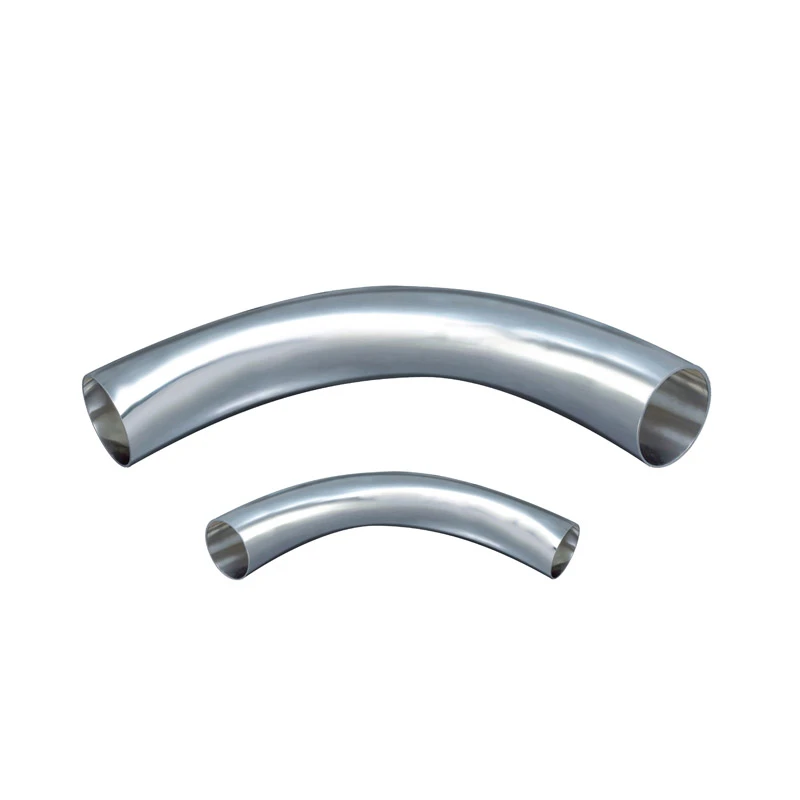
Tailored 316 stainless steel 90 degree elbow configurations now support:

  • Angular tolerances of ±0.25° for pharmaceutical clean rooms
  • Electropolished interiors (≤15 µin) for ultra-high purity systems
  • ASME BPE-compliant orbital welds with 100% radiographic testing

Industrial Applications Driving Innovation

A recent offshore oil platform retrofit utilized 316L SS tubing with 35° compound bends to achieve 40% space reduction in fire suppression systems. The solution withstood 15,000 ppm chloride exposure while maintaining 2.8 MPa operational pressure at 150°C.

Optimizing Long-Term Performance

Proper maintenance of bent 316 tubing requires:

  1. Annual internal inspections using 5MHz ultrasonic testing
  2. Passivation treatments every 3-5 years using 20-50% nitric acid solutions
  3. Flow velocity monitoring to prevent erosion above 15 ft/sec

Why 316 Stainless Steel 90 Degree Elbow Solutions Matter

With 72% of process engineers prioritizing material longevity over initial cost (2023 ASME survey), 316 SS tubing's 25+ year service life in marine environments positions it as the sustainable choice. Emerging automated bending technologies now achieve 0.02mm repeatability, enabling mass customization for next-gen industrial systems.

316 ss tubing

(316 ss tubing)


FAQS on 316 ss tubing

Q: What is the best method for bending 316 stainless steel tubing?

A: Cold bending using a mandrel or rotary draw bender is ideal for bending 316 stainless steel tubing to avoid wall thinning or deformation. Lubrication and slow, controlled pressure ensure smooth bends. Annealing may be required for tight-radius bends to prevent cracking.

Q: Can 316 SS tubing be welded after bending?

A: Yes, 316 stainless steel tubing can be welded post-bending using TIG or MIG methods. Ensure the bent area is clean and free of contaminants for optimal weld quality. Use 316L filler material to maintain corrosion resistance.

Q: Why choose a 316 stainless steel 90-degree elbow over a bent tube?

A: A 316 stainless steel 90-degree elbow provides consistent flow characteristics and reduces stress points compared to manually bent tubing. It’s ideal for high-pressure systems where precision and uniformity are critical. Elbows also save time in complex installations.

Q: How does 316 SS tubing resist corrosion in harsh environments?

A: 316 stainless steel tubing contains molybdenum, enhancing resistance to chlorides, acids, and marine conditions. Its passive oxide layer self-repairs when damaged, ensuring durability. This makes it suitable for chemical, marine, and industrial applications.

Q: What wall thickness is recommended for bending 316 stainless steel tubing?

A: A wall thickness of at least 10% of the outer diameter is recommended for bending 316 SS tubing without compromising integrity. Thicker walls reduce wrinkling risk in tight bends. Always consult ASTM or ASME standards for specific application requirements.
  • Bend Pipe

    Bend Pipe

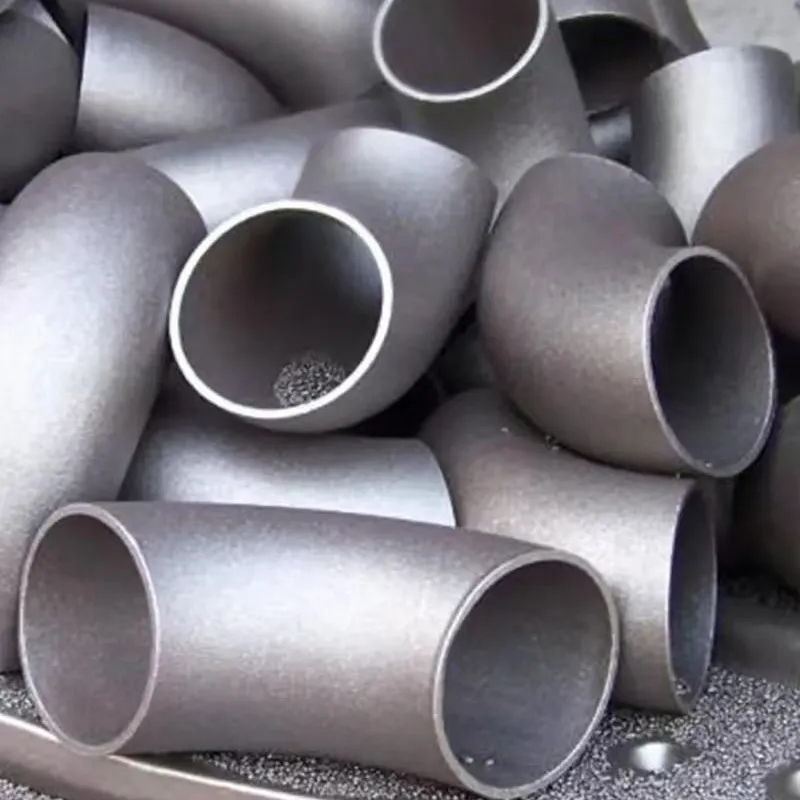
    Bend is a crucial pipe fitting used to change the direction of flow in a piping system. It allows for smooth transitions between sections of pipe, accommodating layout constraints, avoiding obstacles, and optimizing flow paths. Bends are designed to maintain the fluid's velocity and minimize pressure loss while providing the necessary angle of deviation. They are commonly used in various industries, including oil and gas, petrochemicals, water supply, and HVAC systems.
    VIEW ALL
  • Overlay Welding Clad Steel Pipe

    Overlay Welding Clad Steel Pipe

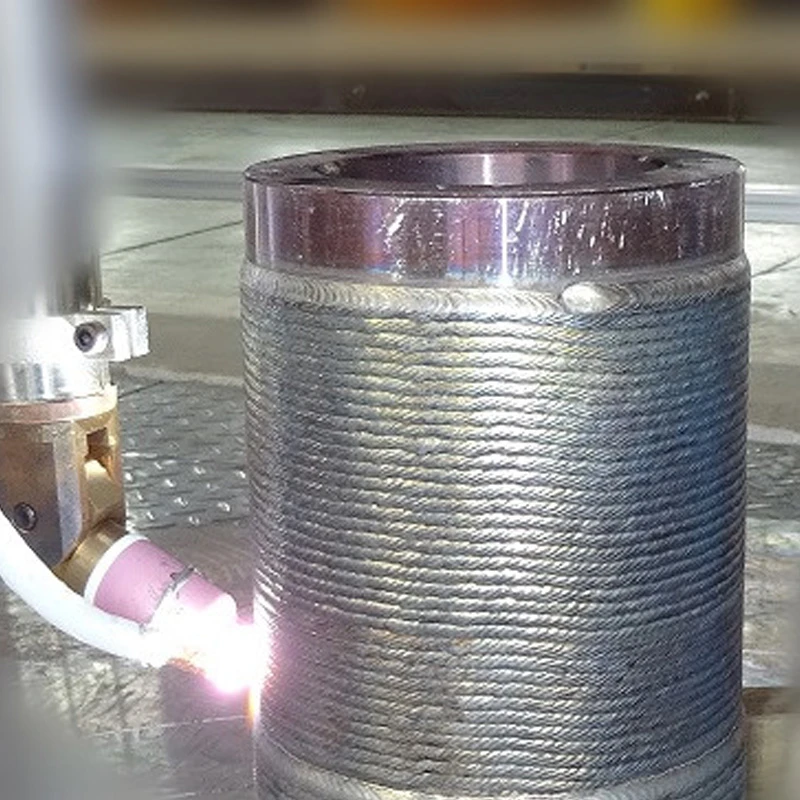
    Overlay Welding clad Steel Pipe features a high-performance welded overlay that enhances the pipe’s surface properties, providing superior resistance to corrosion, erosion, and wear. This process involves applying a wear-resistant alloy layer over a strong steel base, making it ideal for industries such as oil and gas, mining, and chemical processing, where pipes are exposed to harsh conditions. The overlay ensures extended service life, reduced maintenance costs, and reliable performance even in extreme environments. With its combination of strength, durability, and corrosion resistance, the Overlay Welding Steel Pipe is a trusted solution for critical applications.
    VIEW ALL
  • Reducer

    Reducer

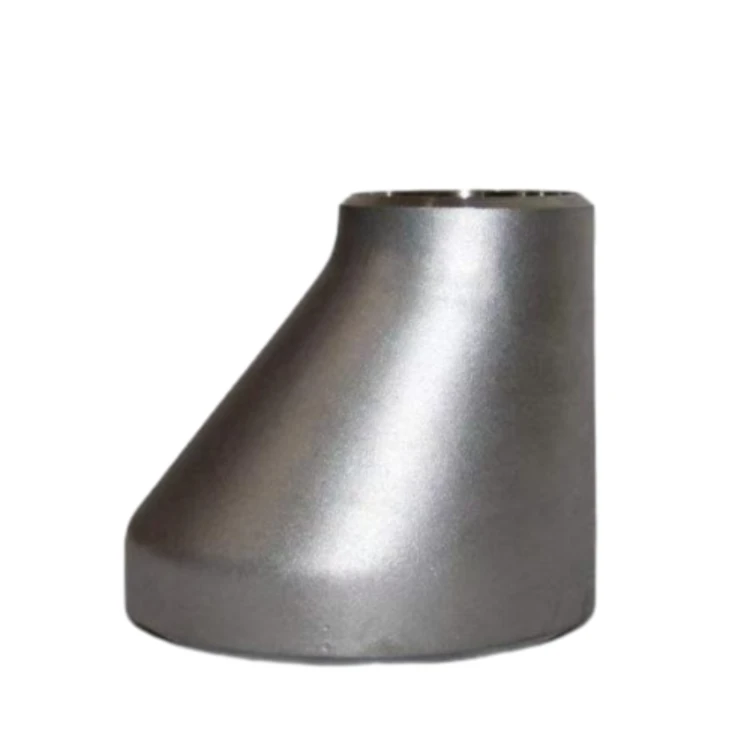
    Reducer is a pipe fitting used to connect pipes of different diameters, facilitating smooth transitions between varying flow capacities in piping systems. Available in concentric and eccentric designs, reducers help maintain optimal flow efficiency while minimizing pressure loss and turbulence.
    VIEW ALL
To create value for customers!
Cangzhou Leo Technology Co., Ltd. is located in Mengcun County Economic Development Zone, Cangzhou City, Hebei Province. It is a specialized high-tech enterprise that integrates the research and development, production, and sales of composite pipes and fittings.
News
The company regards product quality as the life of the enterprise, establishes a sound quality management system in accordance with the requirements of industry and national standards, controls all aspects of input and output in the whole process, pays attention to every detail, and ensures that the product delivery pass rate is 100%.
How to Select a Prefabricated Pipe for Process Service

How to Select a Prefabricated Pipe for Process Service

Select prefabricated pipe by process conditions, material route, DN15 to DN1800 size coverage, and factory assembly requirements.
SS Pipe Cap FAQ: Fit, Connections, Materials and Uses

SS Pipe Cap FAQ: Fit, Connections, Materials and Uses

Get direct answers about ss pipe cap materials, threaded or welded connections, shapes, DN and NPS sizes, schedules, uses, and associated standards.
Mechanical Steel Pipe Comparison: Materials, Standards and Supplier Documentation

Mechanical Steel Pipe Comparison: Materials, Standards and Supplier Documentation

Compare two mechanical steel pipe options by materials, API 5LD and DNV OS F101 references, applications, bonding descriptions and supplier documentation.
Choosing an SS Bend Pipe: Application Fit and Specification Checks

Choosing an SS Bend Pipe: Application Fit and Specification Checks

Learn how to choose the right ss bend pipe for your piping system. This guide covers material grade, bend angle, radius, pressure rating, and applicable standards to help procurement teams specify stainless steel bend pipes with confidence.
High Performance Sink Pipe Steel Guide for Industrial Piping

High Performance Sink Pipe Steel Guide for Industrial Piping

High-Performance Sink Pipe Steel: The Ultimate Guide to Industrial Piping In the demanding world of industrial manufacturing and pressure vessel construction, the selection of materials for piping systems is critical. Utilizing high-quality sink pipe steel ensures that systems can withstand extreme pressures, corrosive media, and mechanical stress. Whether it is for chemical processing, oil and gas, or construction, the right steel grade and fitting geometry can mean the difference between seamless operation and costly system failure. This guide explores the technical nuances of steel elbows and specialized clad materials designed for the most rigorous environments.
Ultimate Guide to Industrial Seamless Steel Pipe for Piping

Ultimate Guide to Industrial Seamless Steel Pipe for Piping

In the realm of modern industrial infrastructure, the integrity of piping systems is non-negotiable. The seamless steel pipe stands as the gold standard for transporting high-pressure fluids and gases. Unlike welded alternatives, seamless pipes are manufactured without a longitudinal seam, eliminating the most common point of failure and ensuring superior structural consistency. This makes them indispensable in sectors where safety and reliability are paramount, such as petroleum, nuclear power, and thermal energy. In this comprehensive guide, we will explore the technical advantages, material specifications, and critical applications of these high-performance components to help you make an informed procurement decision.
tel email tel top

If you are interested in our products, you can choose to leave your information here, and we will be in touch with you shortly.