tel
Email
to top

3 & 4 Inch Stainless Steel Elbow 90° Exhaust Pipe Fittings

Jun 02 2025
share:
  • Fundamentals of industrial stainless steel elbows
  • Technical advantages of grade 304/316 stainless steel
  • Comparative analysis of leading manufacturers
  • Custom fabrication for specialized applications
  • Installation and maintenance protocols
  • Diverse industrial implementation cases
  • Critical selection factors for stainless elbow projects

3 4 stainless steel elbow

(3 4 stainless steel elbow)


Understanding the Critical Role of 3 4 Stainless Steel Elbow Components

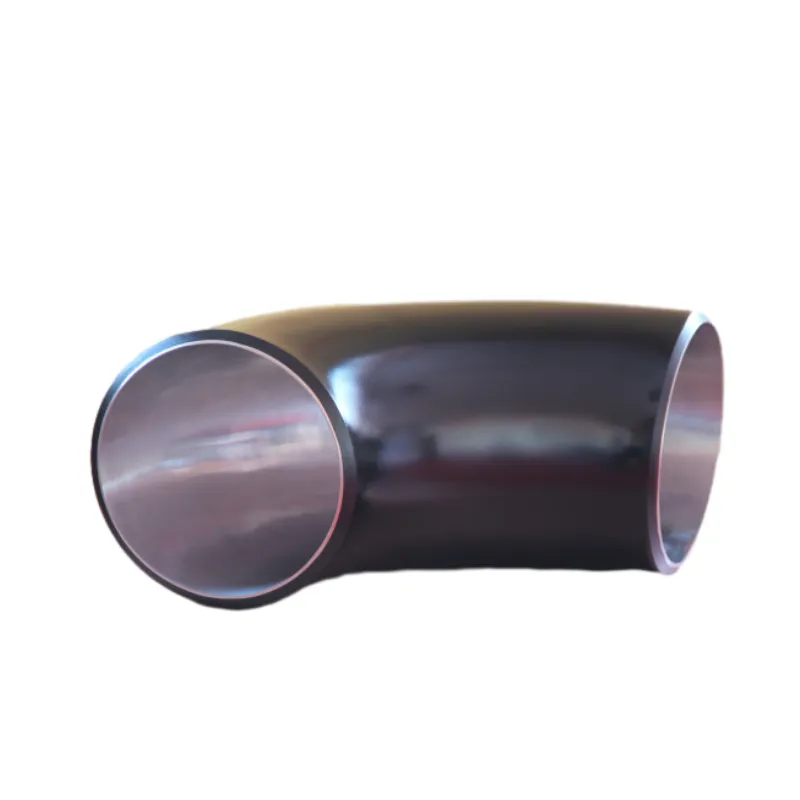
High-grade stainless steel elbows function as essential directional components in pressurized flow systems across industries. The 3 inch stainless steel 90 degree elbow specifically addresses space-constrained installations where abrupt directional changes are required without compromising flow integrity. With pressure ratings exceeding 150 PSI for schedule 10S pipes at 150°F, these engineered solutions withstand demanding operational environments including chemical processing plants and marine applications.

Material composition remains paramount in elbow performance. Our 304 and 316L stainless alloys contain chromium (18-20%) and nickel (8-12%) composition, creating a passive oxide layer that resists pitting corrosion in chloride-rich environments. Independent laboratory testing confirms less than 0.03mm/year corrosion rates in salt spray conditions, providing 25+ years service life even in coastal facilities. Precision mandrel bending processes maintain consistent wall thickness within ±0.15mm tolerances, preventing weak points that could fail under cyclic pressure stress.

Technical Advantages of High-Performance Alloys

Manufacturing processes significantly impact elbow durability. Cold-formed 3 inch stainless steel exhaust pipe 90 degree elbow components maintain superior metallurgical properties compared to hot-bent alternatives. The work-hardening effect during cold forming increases tensile strength by 15-20% (reaching 85 ksi minimum) while preserving elongation characteristics. Surface finish quality measured at 0.8μm Ra prevents particulate accumulation in sanitary applications like pharmaceutical transfer lines.

Advanced joining techniques overcome traditional welding challenges. Automatic orbital welding delivers penetration consistency unattainable through manual methods, achieving 100% radiographic pass rates. For high-purity applications, specialized electropolishing reduces surface roughness below 0.5μm Ra while enhancing passive layer formation. These technical refinements result in leak rates below 1x10⁻⁹ mbar·L/sec under helium mass spectrometer testing, meeting SEMI F19 standards for semiconductor gas delivery systems.

Industry Manufacturer Performance Comparison

Manufacturer Compliance Standards Pressure Rating (PSI) Corrosion Resistance Delivery Lead Time
Precision Flow Systems ASTM A403 / ASME B16.9 470 316L (Mo 2.7%) 3 weeks
Global Fittings Inc. ASTM A312 only 320 304 (Mo 0.1%) 6 weeks
Marine Grade Solutions ASME B16.28 / EN 10253 525 317L (Mo 3.5%) 2 weeks

Third-party validation remains essential for industrial applications. Manufacturer certifications including PED 2014/68/EU, NORSOK M-630, and NACE MR0175 demonstrate compliance with rigorous international standards. Pressure testing documentation must validate hydrostatic performance at 1.5 times maximum working pressure (minimum 700 PSI for 3" elbows). Material traceability via PMI testing guarantees alloy composition matches mill certificates throughout the supply chain.

Custom Fabrication Solutions for Specialized Applications

Non-standard requirements frequently necessitate engineered solutions. For complex configurations, our in-house CNC machining center produces custom 3 inch stainless steel elbow configurations with 0.05mm positional tolerances. Proprietary flow simulation software optimizes radius-to-diameter ratios, reducing turbulence by 40% compared to standard designs. Specialized post-weld treatments address unique challenges:

  • Solution annealing at 1050°C followed by rapid quenching stabilizes molecular structure for cryogenic service
  • Localized passivation removes free iron contamination in high-purity systems
  • Electroless nickel plating enhances abrasion resistance in slurry transport

Short-radius designs offer space savings exceeding 60% over conventional elbows, crucial for vessel internals and retrofit installations. Manufacturing documentation packages include complete dimensional reports, material certifications, and NDE results meeting ASME Section IX requirements for pressure boundary components.

Installation Protocols and Maintenance Best Practices

Correct installation prevents premature failure in stainless steel elbows. Alignment accuracy must stay within 0.3 degrees per foot to prevent torsion stress at connection points. Controlled bolt-tightening sequences applying incrementally increasing torque (final torque value: 120 ft-lbs for 3-inch Class 150 flanges) maintain uniform gasket compression without distortion. Post-installation cleaning eliminates chloride residues from cutting fluids and handling.

Preventative maintenance schedules extend service life significantly. Ultrasonic thickness testing at 12-month intervals tracks wall thinning rates, with action thresholds at 15% reduction from original specifications. For exhaust systems experiencing thermal cycling, visual inspection focuses on deformation signs within the extrados region where temperatures peak at 700°F in turbocharged applications.

Proven Applications Across Industrial Sectors

Oil & gas offshore platforms utilize schedule 80S 3 4 stainless steel elbow
components at critical choke points where erosion-corrosion resistance supersedes cost considerations. At the Petrobras P-74 FPSO vessel, 316L elbows with specialized internal coatings reduced replacement frequency from quarterly to every 26 months during CO₂ injection operations. In power generation, seamless press-formed elbows withstand main steam temperatures up to 1000°F without creep deformation.

Food processing facilities leverage surface-enhanced 304L elbows with Ra<0.4μm finishes that resist bacterial colonization. A leading dairy processor documented sanitation cycle reduction from 90 to 45 minutes following installation of electrochemically polished elbows in their pasteurization loop. The pharmaceutical industry mandates ultra-high-purity orbital welds validated per ASME BPE standards for water-for-injection distribution.

Selecting Optimal 3 Inch Stainless Steel 90 Degree Elbow Specifications

Material specification determines longevity in corrosive environments. For chloride exposure below 500ppm and temperatures under 140°F, 304 alloys provide cost-efficient performance. Environments combining chlorides, sulfides, and elevated temperatures (common in refining and chemical processing) require 316L or higher alloys with molybdenum content exceeding 2.5%. Additional considerations:

  • Schedule selection balancing pressure requirements against weight constraints
  • Validation of third-party testing certificates for pressure boundary components
  • Compatibility verification between gasket materials and process media

Long-term operational economics reveal why premium 3 inch stainless steel elbow products yield superior ROI. Initial material costs represent only 7-12% of total lifecycle expenses across a 25-year service period. Our documented case studies show failures in substandard elbows cause production losses averaging $18,500 per hour in continuous process industries, justifying investment in certified components with comprehensive technical documentation.

3 4 stainless steel elbow

(3 4 stainless steel elbow)


FAQS on 3 4 stainless steel elbow

Q: What is a 3 inch stainless steel 90 degree elbow used for?

A: A 3 inch stainless steel 90 degree elbow is used to change the direction of piping systems by 90 degrees. It’s ideal for applications requiring corrosion resistance, such as industrial plumbing or exhaust systems.

Q: Can a 3 inch stainless steel exhaust pipe 90 degree elbow handle high temperatures?

A: Yes, stainless steel elbows designed for exhaust systems can withstand high temperatures and resist oxidation. They are commonly used in automotive and industrial exhaust setups.

Q: Is a 3 inch stainless steel elbow compatible with other pipe materials?

A: Yes, but proper adapters or fittings may be required. Ensure compatibility with gaskets or welding methods to prevent leaks or corrosion at connection points.

Q: What’s the difference between a 90 degree and 45 degree stainless steel elbow?

A: A 90 degree elbow creates a sharper directional change, while a 45 degree elbow offers a gentler turn. The choice depends on the system’s space and flow requirements.

Q: Are 3 inch stainless steel elbows available in different grades?

A: Yes, common grades include 304 and 316 stainless steel. Grade 316 offers higher corrosion resistance, making it suitable for harsh environments like marine or chemical systems.
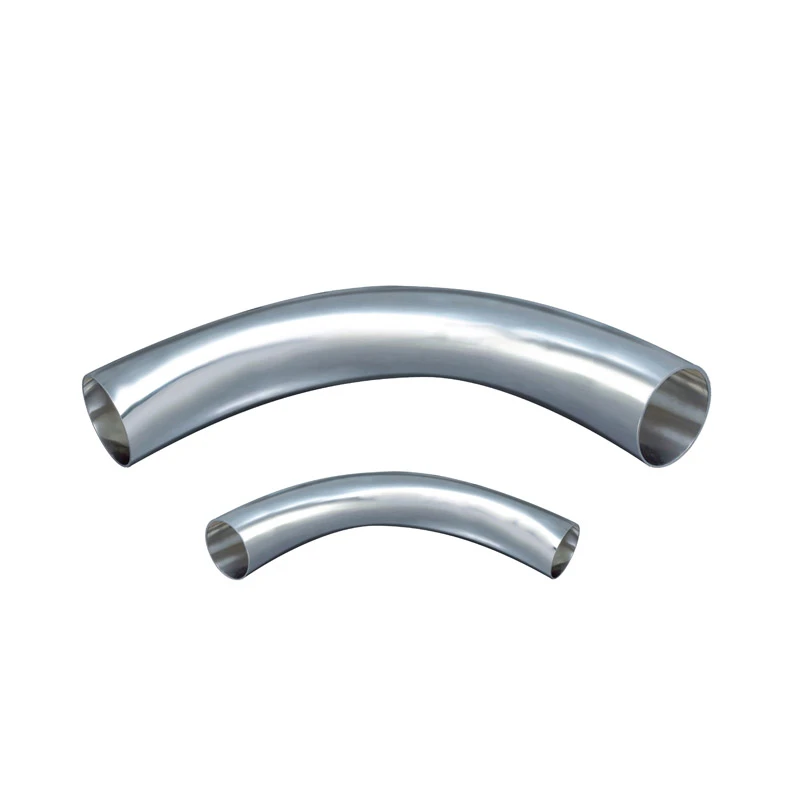
  • Bend Pipe

    Bend Pipe

    Bend is a crucial pipe fitting used to change the direction of flow in a piping system. It allows for smooth transitions between sections of pipe, accommodating layout constraints, avoiding obstacles, and optimizing flow paths. Bends are designed to maintain the fluid's velocity and minimize pressure loss while providing the necessary angle of deviation. They are commonly used in various industries, including oil and gas, petrochemicals, water supply, and HVAC systems.
    VIEW ALL
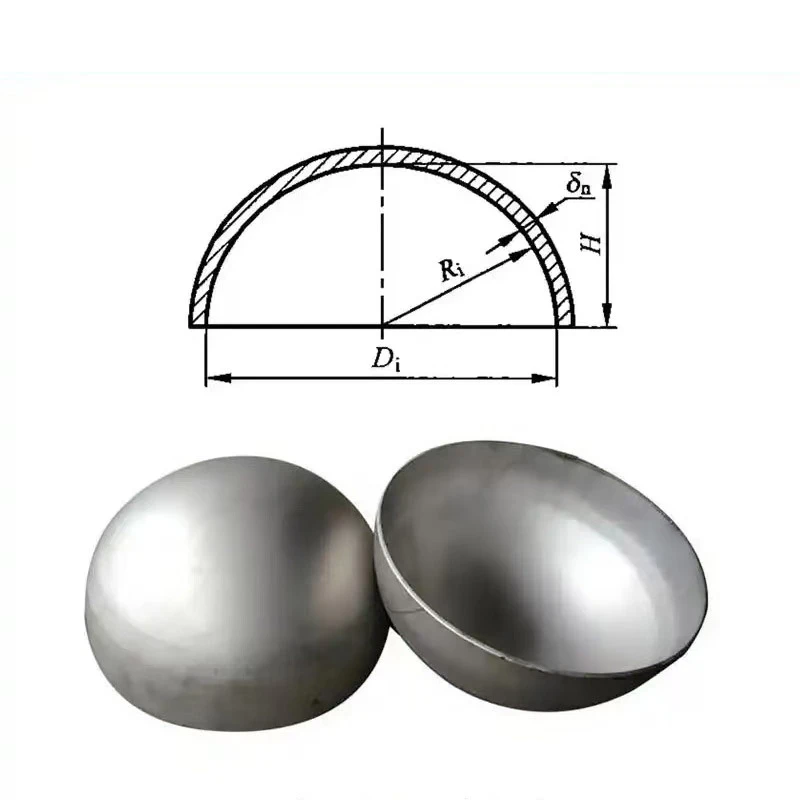
  • Pipe Cap

    Pipe Cap

    Pipe caps come in different shapes, including round, square, and oval, and can be designed for both threaded and welded connections. They ensure the integrity of piping systems during transportation, storage, and installation by protecting the pipe ends from dirt, debris, and environmental factors. Durable and easy to install, pipe caps are critical for maintaining system efficiency and safety.
    VIEW ALL
  • Overlay Welding Clad Steel Pipe

    Overlay Welding Clad Steel Pipe

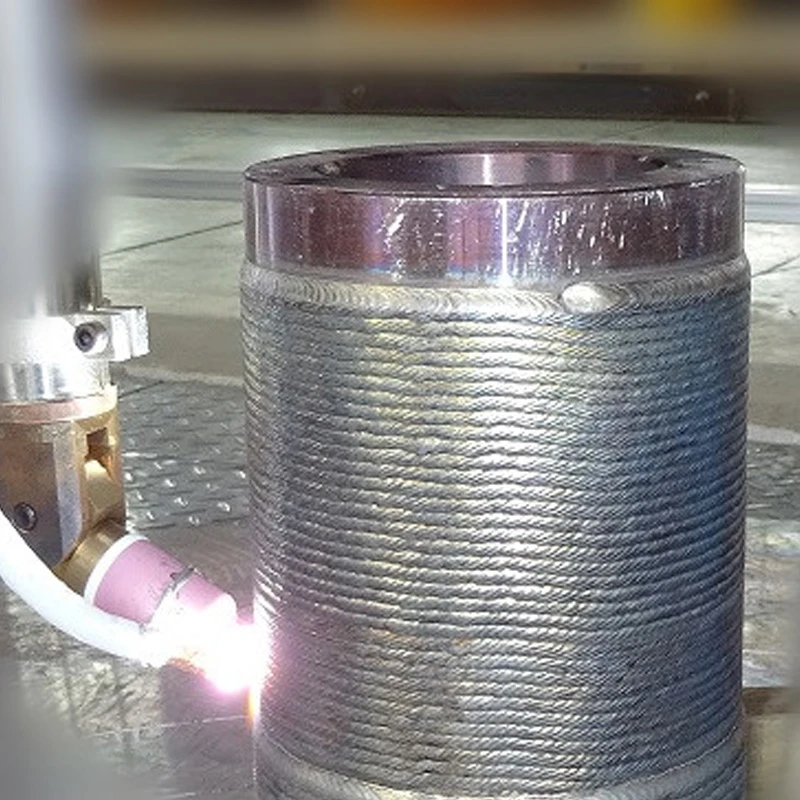
    Overlay Welding clad Steel Pipe features a high-performance welded overlay that enhances the pipe’s surface properties, providing superior resistance to corrosion, erosion, and wear. This process involves applying a wear-resistant alloy layer over a strong steel base, making it ideal for industries such as oil and gas, mining, and chemical processing, where pipes are exposed to harsh conditions. The overlay ensures extended service life, reduced maintenance costs, and reliable performance even in extreme environments. With its combination of strength, durability, and corrosion resistance, the Overlay Welding Steel Pipe is a trusted solution for critical applications.
    VIEW ALL
To create value for customers!
Cangzhou Leo Technology Co., Ltd. is located in Mengcun County Economic Development Zone, Cangzhou City, Hebei Province. It is a specialized high-tech enterprise that integrates the research and development, production, and sales of composite pipes and fittings.
News
The company regards product quality as the life of the enterprise, establishes a sound quality management system in accordance with the requirements of industry and national standards, controls all aspects of input and output in the whole process, pays attention to every detail, and ensures that the product delivery pass rate is 100%.
Ultimate Guide to 4130 Tubing Strength Performance and Applications
Ultimate Guide to 4130 Tubing Strength Performance and Applications

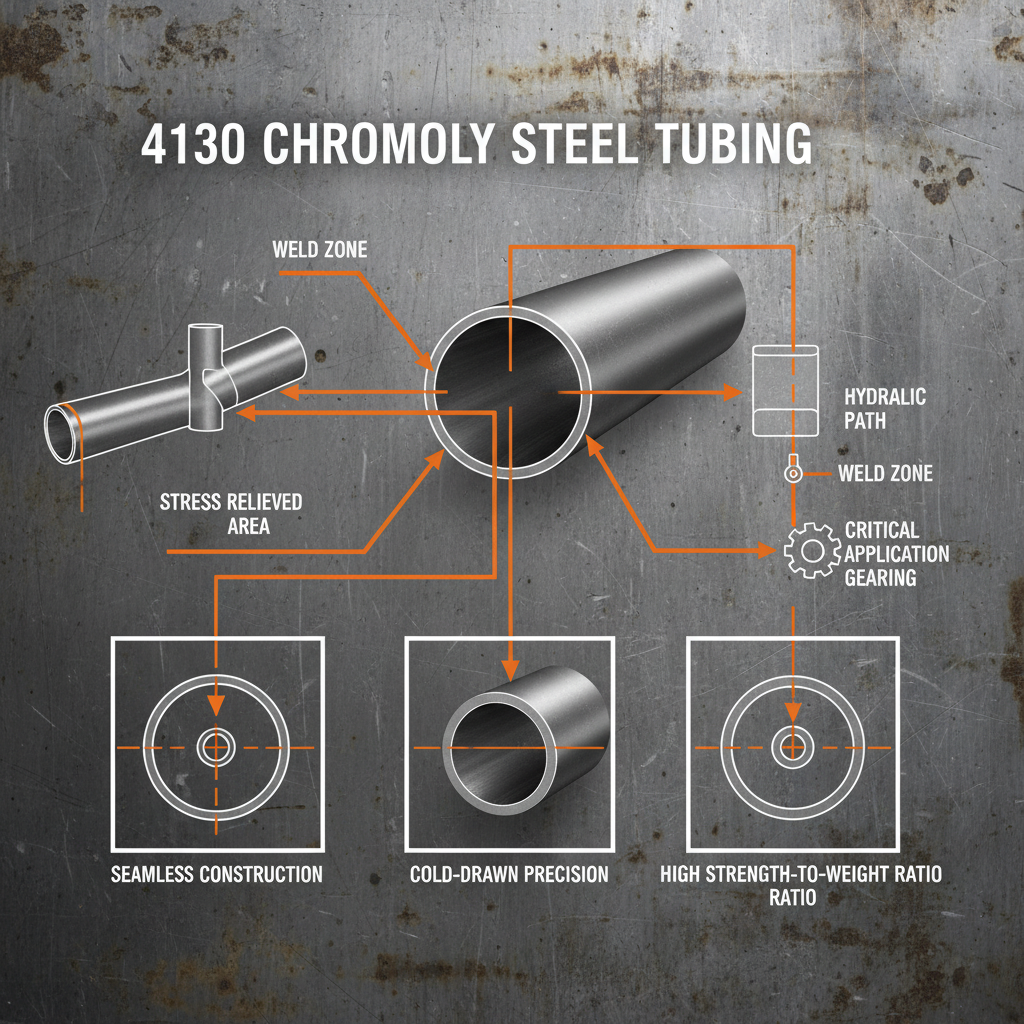
In the world of high-performance engineering, material selection is the foundation of safety and efficiency. 4130 tubing is widely regarded as the gold standard for applications requiring an exceptional strength-to-weight ratio. This chrome-molybdenum alloy steel is engineered to withstand extreme stress while remaining lightweight enough for aerospace and automotive use. Whether you are designing a roll cage, a bicycle frame, or a critical industrial component, understanding the nuances of this material is essential. In this comprehensive guide, we will explore why this specific alloy is preferred by engineers worldwide and how to choose the right specifications for your project.
Properties and Industrial Applications of 4130 steel tubing
Properties and Industrial Applications of 4130 steel tubing

In the world of high-performance engineering, material selection is the foundation of safety and efficiency. 4130 steel tubing is widely recognized as the gold standard for applications requiring an exceptional strength-to-weight ratio. Known for its versatility and reliability, this chromium-molybdenum alloy is the preferred choice for everything from aircraft frames to professional roll cages. Understanding the nuances of this material allows engineers to optimize structural integrity without adding unnecessary bulk. In this comprehensive guide, we will explore why this specific alloy remains a top choice for critical industrial and aerospace components.
Comprehensive Guide to 40mm Steel Tube Applications and Material Selection
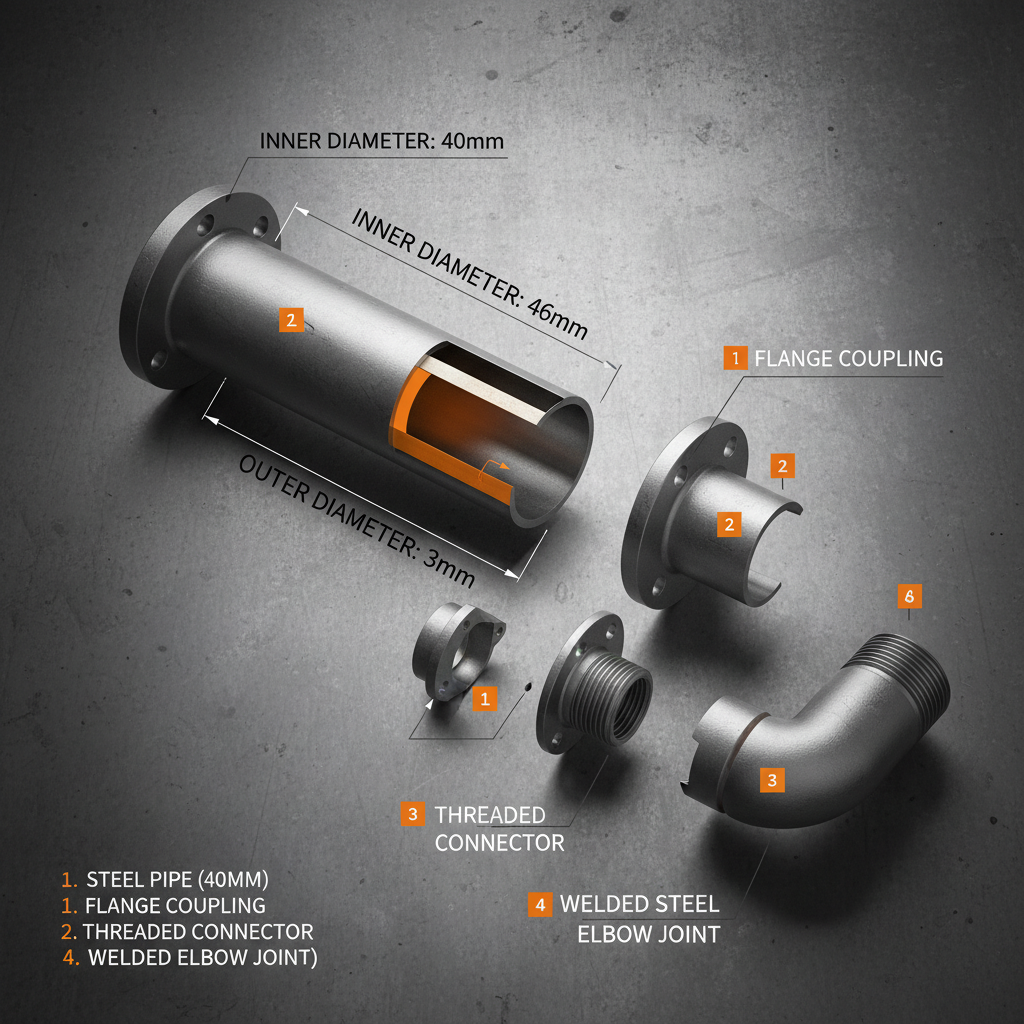
Comprehensive Guide to 40mm Steel Tube Applications and Material Selection

40mm steel tube is a versatile and widely used material in various industries, from construction and manufacturing to automotive and beyond. Its strength, durability, and cost-effectiveness make it an ideal choice for numerous applications. This article will delve into the characteristics, applications, benefits, and considerations when working with 40mm steel tube, providing a comprehensive overview for professionals and anyone interested in this essential material.
Comprehensive Guide to 40mm Steel Pipe Applications and Considerations
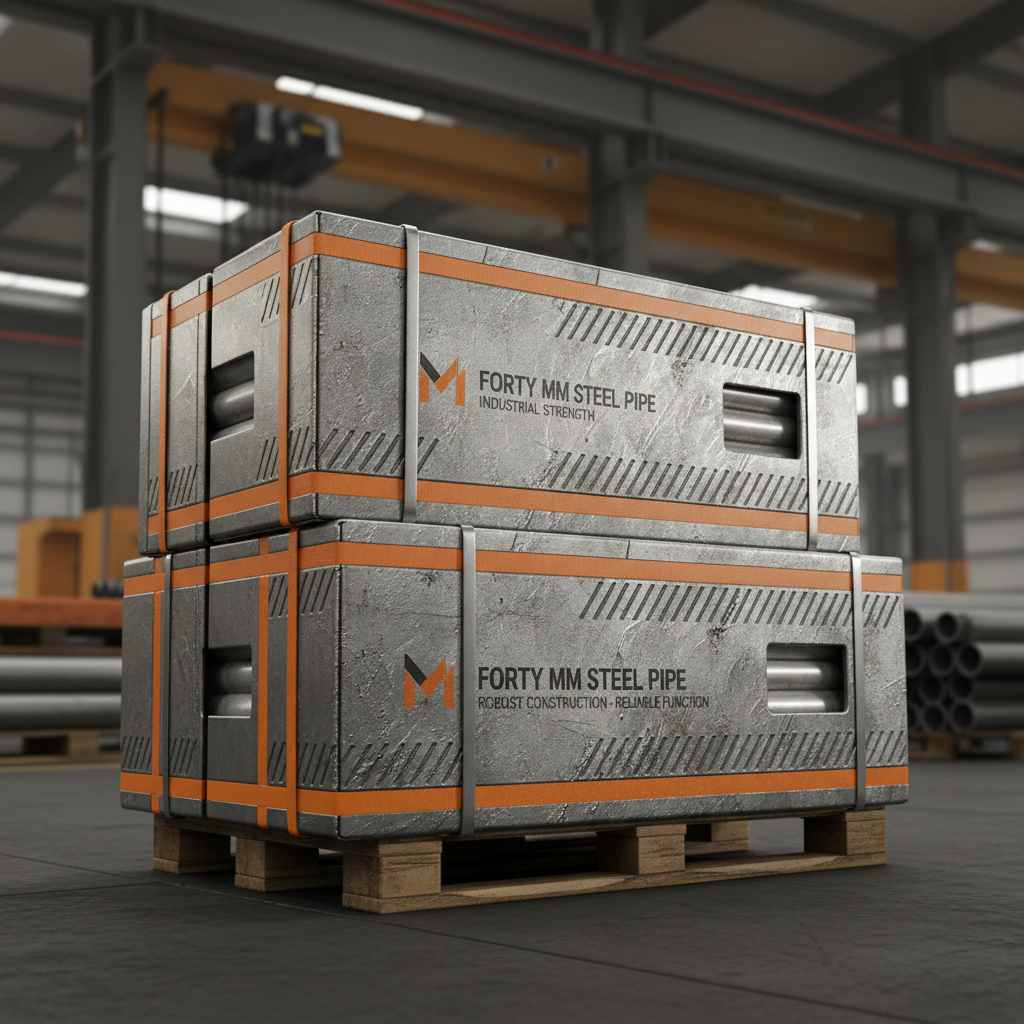
Comprehensive Guide to 40mm Steel Pipe Applications and Considerations

40mm steel pipe is a widely used material in various industries due to its strength, durability, and cost-effectiveness. From construction and infrastructure projects to industrial applications and fluid transportation, this pipe size offers a versatile solution. This article will delve into the properties, applications, standards, and key considerations when selecting 40mm steel pipe, helping you make informed decisions for your specific needs.
Comprehensive Guide to 40mm Metal Pipe Applications and Sourcing
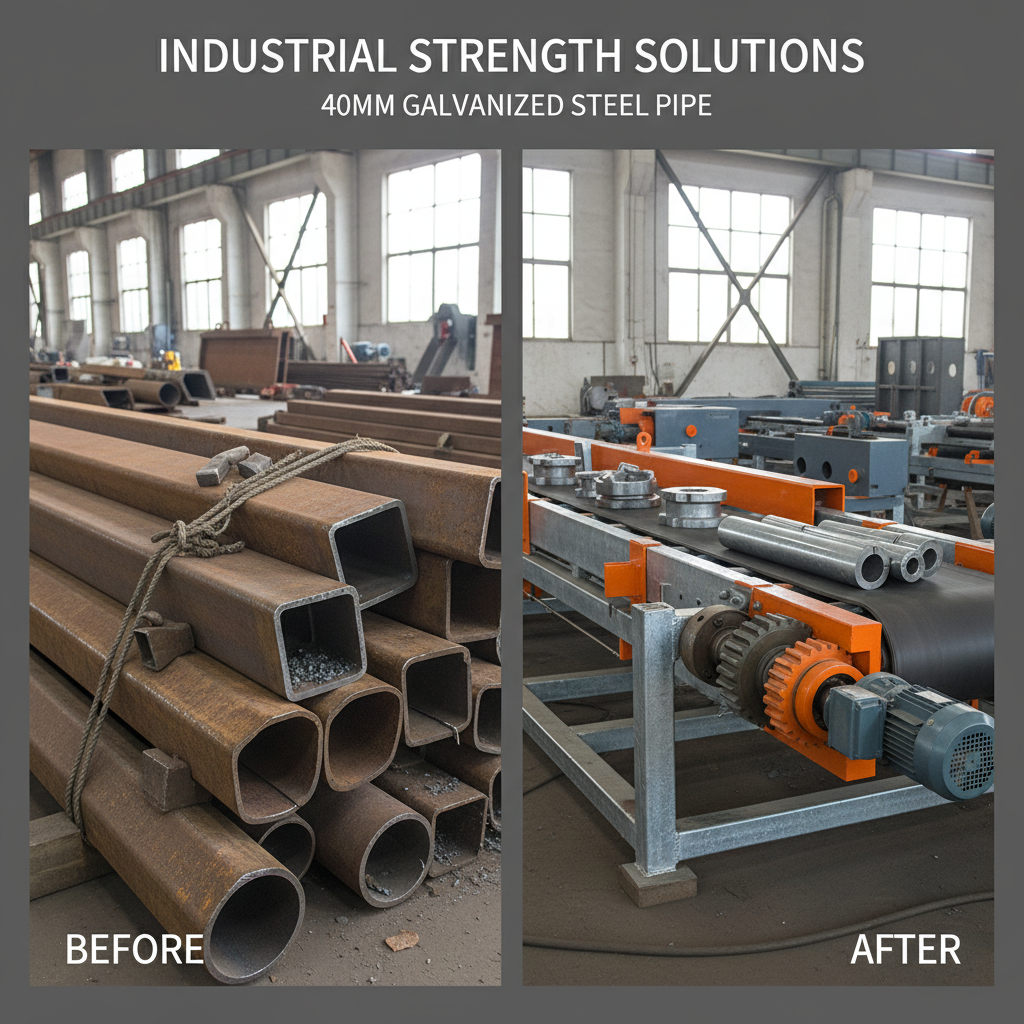
Comprehensive Guide to 40mm Metal Pipe Applications and Sourcing

40mm metal pipe is a crucial component in a wide array of industries, from construction and plumbing to industrial manufacturing and fluid transport. Its strength, durability, and versatility make it a preferred material for countless applications. This article will delve into the specifics of 40mm metal pipe, exploring its various types, common uses, benefits, and where to source high-quality piping solutions.
Comprehensive Guide to 40mm Galvanised Pipe Applications and Specifications

Comprehensive Guide to 40mm Galvanised Pipe Applications and Specifications

When planning a plumbing, structural, or industrial project, selecting the right piping material is crucial. 40mm galvanised pipe is a widely used option known for its strength, durability, and corrosion resistance. This article provides a detailed overview of 40mm galvanised pipes, exploring their applications, benefits, specifications, and considerations for optimal usage. We'll cover everything from what galvanisation is to how to choose the right pipe for your specific needs.
tel email tel top

If you are interested in our products, you can choose to leave your information here, and we will be in touch with you shortly.