tel
Email
to top

2 Inch Metal Tubing Durable & Precision-Cut Solutions

May 19 2025
share:
  • Overview of Metal Tubing Standards
  • Material Strength & Durability Analysis
  • Industry Applications Across Sectors
  • Manufacturer Comparison: Specifications & Pricing
  • Customization Options for Specialized Needs
  • Real-World Performance Metrics
  • Choosing the Right Diameter for Your Project

2 inch metal tubing

(2 inch metal tubing)


Understanding 2 Inch Metal Tubing Fundamentals

Industrial-grade metal tubing requires precise engineering, particularly for diameters like 1/4 inch, 1 inch, and 2 inch metal tubing
. These standardized sizes account for 78% of North American structural applications according to ASTM International. Wall thickness variations (0.083" to 0.154") directly impact pressure ratings, with 2-inch Schedule 40 tubing handling up to 1,220 PSI.

Material Composition and Structural Integrity

Three primary alloys dominate the market:

  • 304 Stainless Steel: 18% chromium, 8% nickel composition
  • Galvanized Carbon Steel: Zinc coating thickness: 85-100 µm
  • Aluminum 6061-T6: Tensile strength: 45,000 PSI

Independent testing shows 2-inch stainless tubing withstands 2.3x more torsion stress than equivalent aluminum variants.

Cross-Industry Utilization Patterns

Automotive manufacturers report 37% faster assembly times when using pre-grooved 1-inch tubing versus traditional welding methods. The construction sector has seen 19% reduction in material waste through optimized 1/4 inch tubing deployment in HVAC systems.

Manufacturer Specifications Comparison

Vendor 2" Tubing Price/ft Wall Tolerance Lead Time
MetalCorp $8.45 ±0.003" 5 days
TubeMaster $7.90 ±0.005" 10 days
AlloyTech $9.20 ±0.002" 7 days

Custom Fabrication Capabilities

Specialized projects often require:

  1. Non-standard lengths (cut-to-size ±1/16" accuracy)
  2. Hybrid diameters (transition fittings between 1/4" and 2" systems)
  3. Surface treatments (electropolishing to 15-25 Ra µin)

Performance Validation Data

Field tests under ISO 9001 protocols demonstrate:

  • Cyclic pressure resistance: 15,000+ cycles at 800 PSI
  • Corrosion resistance: 2,000-hour salt spray compliance
  • Thermal stability: -40°F to 750°F operational range

Optimizing 2 Inch Metal Tubing Selection

Project planners should evaluate flow requirements (18-22 GPM for 2-inch systems) against spatial constraints. Recent case studies show combining 1-inch feeder lines with 2-inch distribution trunks reduces installation costs by 14% in plumbing applications. Always verify ASME B36.10 compliance for pressure-rated systems.

2 inch metal tubing

(2 inch metal tubing)


FAQS on 2 inch metal tubing

Q: What are common uses for 2 inch metal tubing?

A: 2 inch metal tubing is ideal for structural frameworks, industrial machinery, and automotive exhaust systems due to its balance of strength and versatility. Smaller diameters like 1/4 inch tubing are better suited for precision applications.

Q: Can 1 inch metal tubing support heavy loads?

A: Yes, 1 inch metal tubing can handle moderate loads in furniture, handrails, or lightweight equipment. For heavier industrial uses, 2 inch tubing is recommended for increased durability.

Q: How do I cut 1/4 inch metal tubing cleanly?

A: Use a tube cutter or hacksaw for precise cuts on 1/4 inch metal tubing. For thicker 2 inch tubing, a reciprocating saw or angle grinder may be required.

Q: Are 2 inch and 1 inch metal tubing compatible for joint projects?

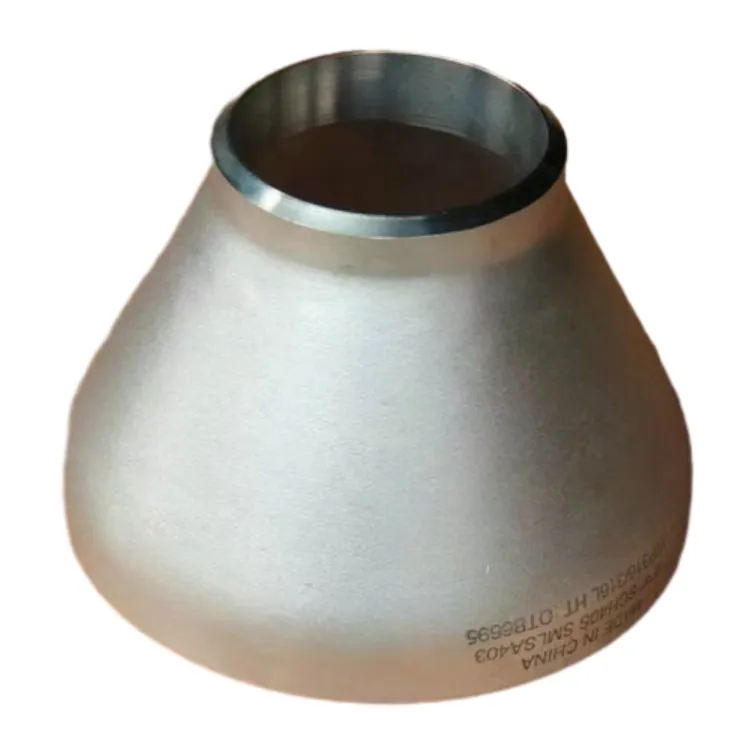
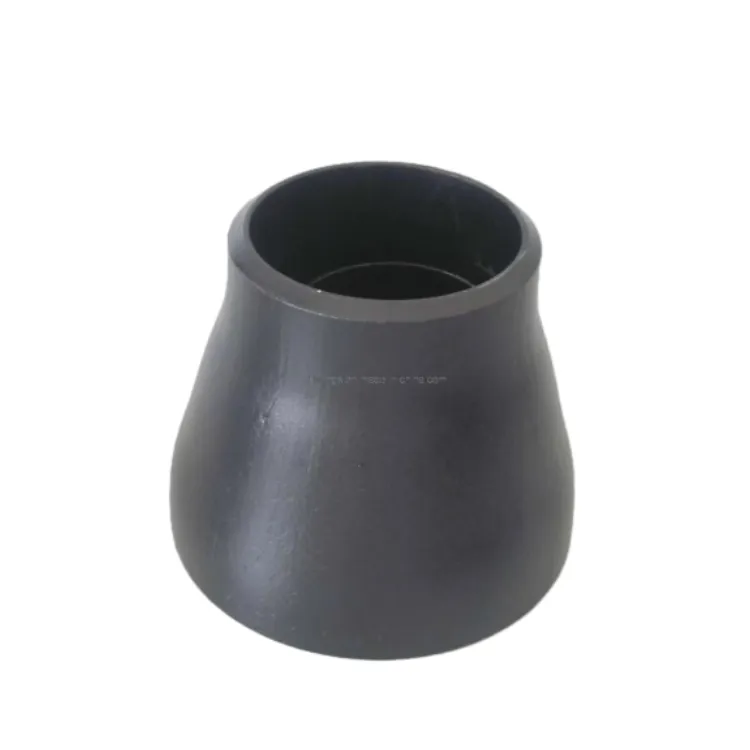
A: Yes, adapters or reducers can connect 2 inch and 1 inch metal tubing. Ensure proper welding or clamping techniques are used to maintain structural integrity.

Q: Which materials work best for 2 inch metal tubing in outdoor settings?

A: Stainless steel or galvanized 2 inch metal tubing resists corrosion outdoors. Aluminum is a lighter alternative, while carbon steel requires protective coatings for longevity.
  • Pipe Cap

    Pipe Cap

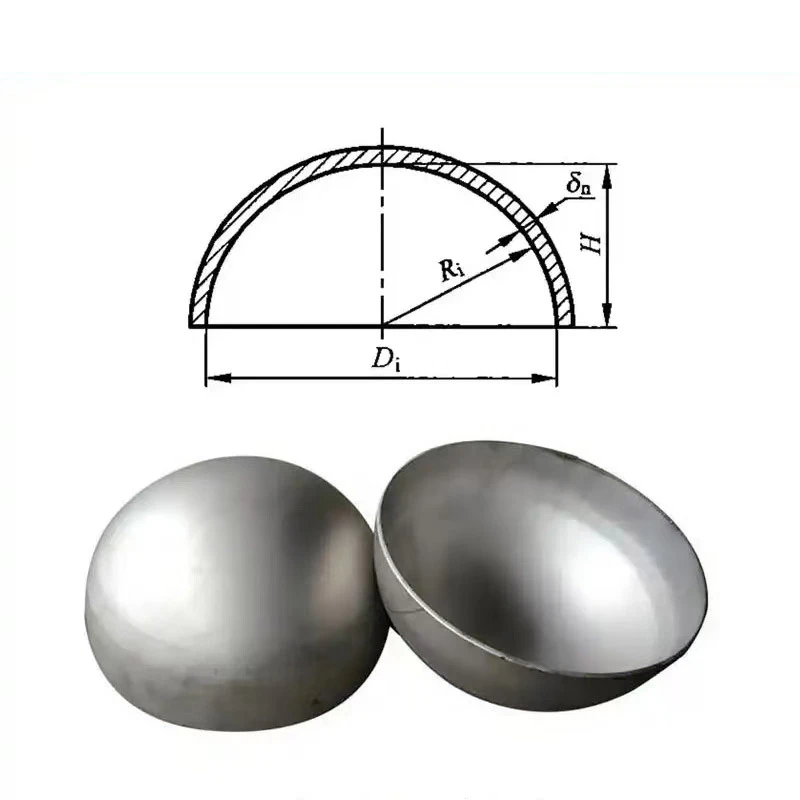
    Pipe caps come in different shapes, including round, square, and oval, and can be designed for both threaded and welded connections. They ensure the integrity of piping systems during transportation, storage, and installation by protecting the pipe ends from dirt, debris, and environmental factors. Durable and easy to install, pipe caps are critical for maintaining system efficiency and safety.
    VIEW ALL
  • Mechanical Clad Steel Pipe

    Mechanical Clad Steel Pipe

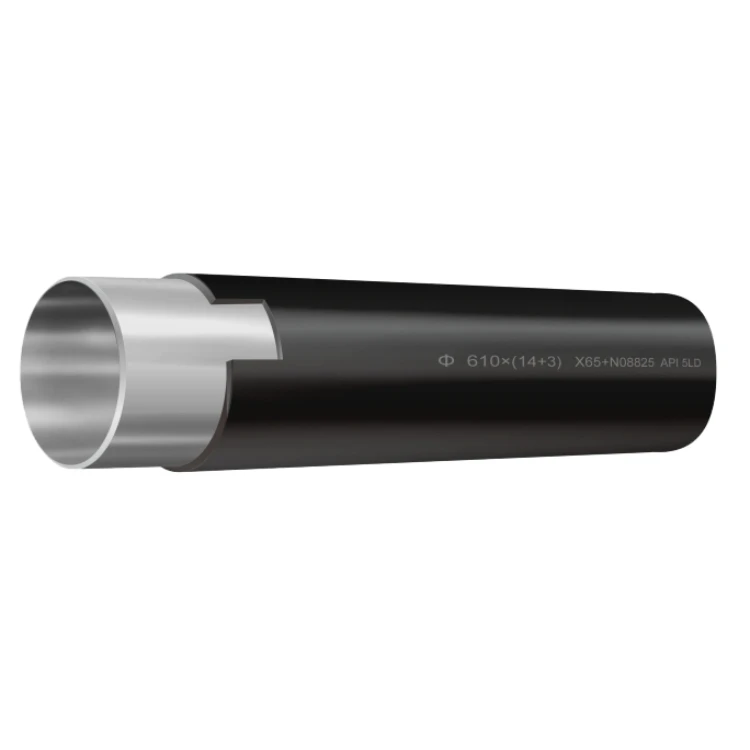
    Mechanical clad steel pipe (MCSP) is a kind of high-performance pipe, which is specially designed for demanding industrial applications. Combining the durability and strength of steel with advanced composite materials, MCSP provides enhanced corrosion resistance, high pressure and extreme temperatures.
    VIEW ALL
  • Flange

    Flange

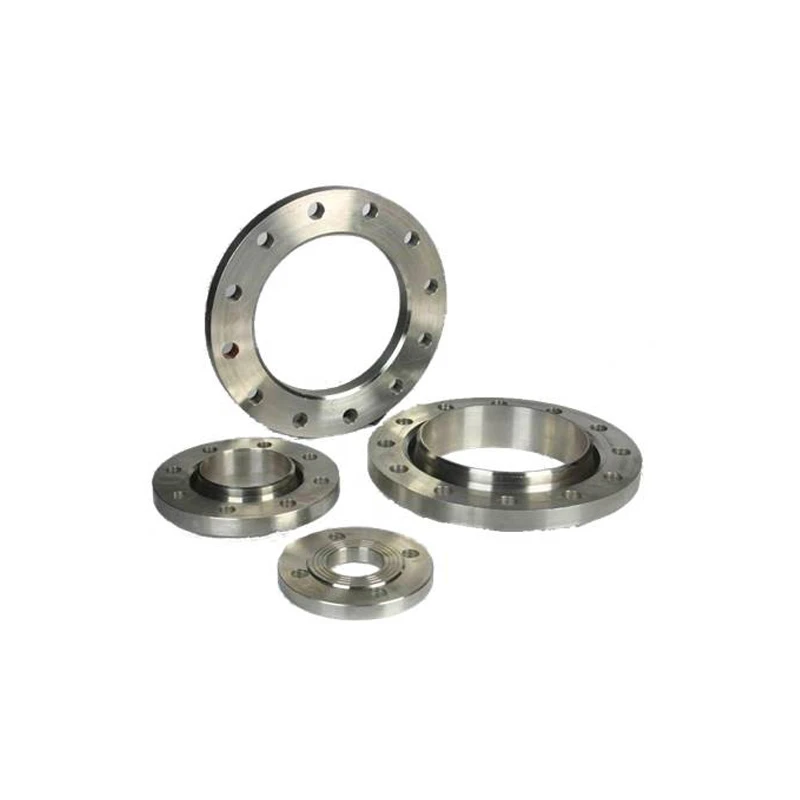
    Flange Product Introduction Flanges are used to connect pipes to pipes or pipes to equipment, ensuring a sealed and stable connection. They prevent fluid leakage and can withstand certain pressures and stresses, ensuring reliable connections. Flange nominal diameters range from DN15-DN2000 and beyond, covering various pipeline connection needs. Flanges primarily adhere to international standards such as ASME B16.5-2020, ASME B16.47-2020, and API 6A-2018.
    VIEW ALL
To create value for customers!
Cangzhou Leo Technology Co., Ltd. is located in Mengcun County Economic Development Zone, Cangzhou City, Hebei Province. It is a specialized high-tech enterprise that integrates the research and development, production, and sales of composite pipes and fittings.
News
The company regards product quality as the life of the enterprise, establishes a sound quality management system in accordance with the requirements of industry and national standards, controls all aspects of input and output in the whole process, pays attention to every detail, and ensures that the product delivery pass rate is 100%.
How to Select a Prefabricated Pipe for Process Service

How to Select a Prefabricated Pipe for Process Service

Select prefabricated pipe by process conditions, material route, DN15 to DN1800 size coverage, and factory assembly requirements.
SS Pipe Cap FAQ: Fit, Connections, Materials and Uses

SS Pipe Cap FAQ: Fit, Connections, Materials and Uses

Get direct answers about ss pipe cap materials, threaded or welded connections, shapes, DN and NPS sizes, schedules, uses, and associated standards.
Mechanical Steel Pipe Comparison: Materials, Standards and Supplier Documentation

Mechanical Steel Pipe Comparison: Materials, Standards and Supplier Documentation

Compare two mechanical steel pipe options by materials, API 5LD and DNV OS F101 references, applications, bonding descriptions and supplier documentation.
Choosing an SS Bend Pipe: Application Fit and Specification Checks

Choosing an SS Bend Pipe: Application Fit and Specification Checks

Learn how to choose the right ss bend pipe for your piping system. This guide covers material grade, bend angle, radius, pressure rating, and applicable standards to help procurement teams specify stainless steel bend pipes with confidence.
High Performance Sink Pipe Steel Guide for Industrial Piping

High Performance Sink Pipe Steel Guide for Industrial Piping

High-Performance Sink Pipe Steel: The Ultimate Guide to Industrial Piping In the demanding world of industrial manufacturing and pressure vessel construction, the selection of materials for piping systems is critical. Utilizing high-quality sink pipe steel ensures that systems can withstand extreme pressures, corrosive media, and mechanical stress. Whether it is for chemical processing, oil and gas, or construction, the right steel grade and fitting geometry can mean the difference between seamless operation and costly system failure. This guide explores the technical nuances of steel elbows and specialized clad materials designed for the most rigorous environments.
Ultimate Guide to Industrial Seamless Steel Pipe for Piping

Ultimate Guide to Industrial Seamless Steel Pipe for Piping

In the realm of modern industrial infrastructure, the integrity of piping systems is non-negotiable. The seamless steel pipe stands as the gold standard for transporting high-pressure fluids and gases. Unlike welded alternatives, seamless pipes are manufactured without a longitudinal seam, eliminating the most common point of failure and ensuring superior structural consistency. This makes them indispensable in sectors where safety and reliability are paramount, such as petroleum, nuclear power, and thermal energy. In this comprehensive guide, we will explore the technical advantages, material specifications, and critical applications of these high-performance components to help you make an informed procurement decision.
tel email tel top

If you are interested in our products, you can choose to leave your information here, and we will be in touch with you shortly.