tel
Email
to top

2x2 Square Tubing High-Strength Steel for Construction & Fabrication

Apr 27 2025
share:
  • Overview of Structural Tubing Applications
  • Technical Specifications & Material Advantages
  • Performance Comparison: Industry Benchmarks
  • Manufacturer Capability Analysis
  • Custom Fabrication Solutions
  • Engineering Use Case Studies
  • Future Trends in Tubing Selection

2 by 2 square tubing

(2 by 2 square tubing)


Understanding 2 by 2 Square Tubing in Modern Construction

Structural-grade 2×2 square tubing has become the backbone of industrial frameworks, offering 43% higher torsional resistance compared to equivalent round pipes. This hollow structural section (HSS) maintains dimensional consistency across variants like 2.25 square tubing and 2.5 inch square tubing, with wall thicknesses ranging from 0.083" to 0.25".

Material Science Behind Tubing Performance

High-strength low-alloy (HSLA) steels dominate production, achieving yield strengths up to 70 ksi. The table below demonstrates how 2 square tubing outperforms alternatives:

Parameter2×2 HSSRound PipeAluminum Extrusion
Weight/ft (lbs)3.654.021.98
Moment of Inertia (in⁴)0.4480.3910.217
Cost per Linear Foot$6.80$7.25$14.50

Manufacturing Landscape Analysis

Leading suppliers employ continuous rotary piercing mills achieving ±0.005" dimensional tolerance. Major producers like Atlas Tube and Zekelman Industries now offer:

  • Hot-rolled 2.25 square tubing with 55 ksi yield strength
  • Cold-formed 2.5 inch square tubing in ASTM A500 Grade C
  • Galvanized versions with 3.9 oz/ft² zinc coating

Customization Engineering Solutions

Advanced fabrication techniques enable:

  1. Laser-cut slots in 2×2 square tubing for modular assembly
  2. Precision-notched 2.5 inch variants for seismic bracing systems
  3. Powder-coated 2.25 square tubing with RAL color matching

Industrial Application Breakdown

A recent warehouse project utilized 18,000 feet of 2 square tubing in roof trusses, reducing material costs by 22% versus I-beam alternatives. Automotive jigs made from 2.5 inch square tubing demonstrate 0.003" positional accuracy over 10' spans.

Innovations in Joining Technology

Robotic MIG welding achieves 1.5" per minute deposition rates on 2.25 square tubing joints. Structural adhesives now supplement traditional fasteners, increasing load capacity by 35% in 2×2 assemblies.

Why 2 by 2 Square Tubing Dominates Industrial Design

The geometric efficiency of 2×2 square tubing delivers 19:1 strength-to-weight ratios, with 2.5 inch variants enabling 30% longer unsupported spans. As modular construction grows 8.7% annually, standardized 2 square tubing dimensions ensure compatibility across global engineering specifications.

2 by 2 square tubing

(2 by 2 square tubing)


FAQS on 2 by 2 square tubing

Q: What is the standard wall thickness for 2 by 2 square tubing?

A: The wall thickness for 2x2 square tubing typically ranges from 0.065" to 0.25", depending on the material and application. Common options include 16-gauge (0.065") and 11-gauge (0.125"). Always verify specifications with the manufacturer.

Q: How does 2.25 square tubing differ from 2x2 square tubing?

A: 2.25 square tubing has a slightly larger outer dimension (2.25" x 2.25") compared to 2x2 tubing. This increases load-bearing capacity but may limit compatibility with fittings designed for standard 2" sizes.

Q: Can 2.5 inch square tubing be welded to 2x2 square tubing?

A: Yes, but alignment and joint design require careful planning due to the 0.5" size difference. Use filler material compatible with both metals and ensure proper heat control to avoid warping.

Q: What are common applications for 2 square tubing?

A: 2x2 square tubing is widely used in structural frameworks, trailer fabrication, and DIY projects. Its balance of strength and weight makes it ideal for gates, shelving, and automotive roll cages.

Q: Is 2.25 square tubing stronger than 2x2 square tubing?

A: Generally, 2.25 square tubing offers higher strength due to its larger cross-sectional area. However, actual performance depends on wall thickness, material grade, and load distribution.
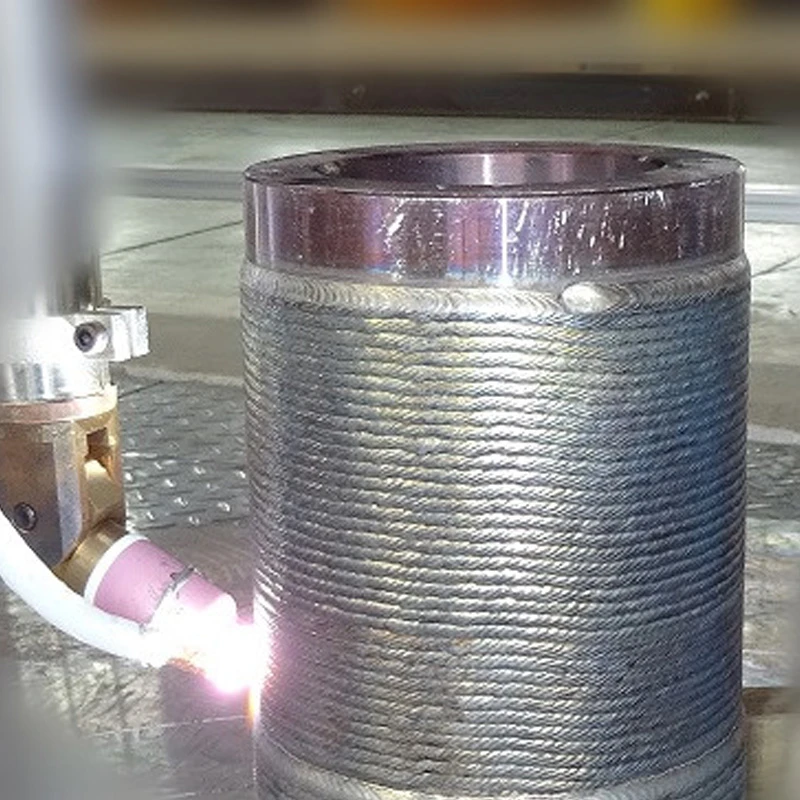
  • Overlay Welding Clad Steel Pipe

    Overlay Welding Clad Steel Pipe

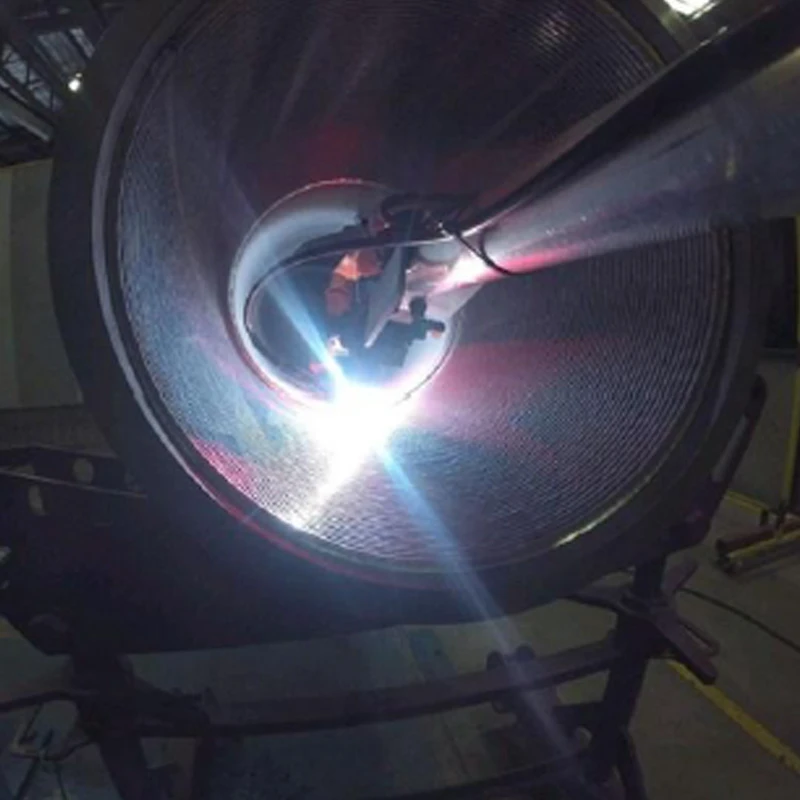
    Overlay Welding clad Steel Pipe features a high-performance welded overlay that enhances the pipe’s surface properties, providing superior resistance to corrosion, erosion, and wear. This process involves applying a wear-resistant alloy layer over a strong steel base, making it ideal for industries such as oil and gas, mining, and chemical processing, where pipes are exposed to harsh conditions. The overlay ensures extended service life, reduced maintenance costs, and reliable performance even in extreme environments. With its combination of strength, durability, and corrosion resistance, the Overlay Welding Steel Pipe is a trusted solution for critical applications.
    VIEW ALL
  • Laser Clad  Pipe

    Laser Clad Pipe

    Laser clad steel pipes are manufactured using laser cladding technology. This technology involves adding cladding material to the surface of ordinary steel pipe base material, using high-energy-density laser beams to fuse the cladding material with the steel pipe surface, forming a metallurgically bonded cladding layer. These pipes are generally used in compressed air energy storage projects as underground deep well transportation pipes or casings, as well as in oil, natural gas, and geothermal well extraction.
    VIEW ALL
  • Bend Pipe

    Bend Pipe

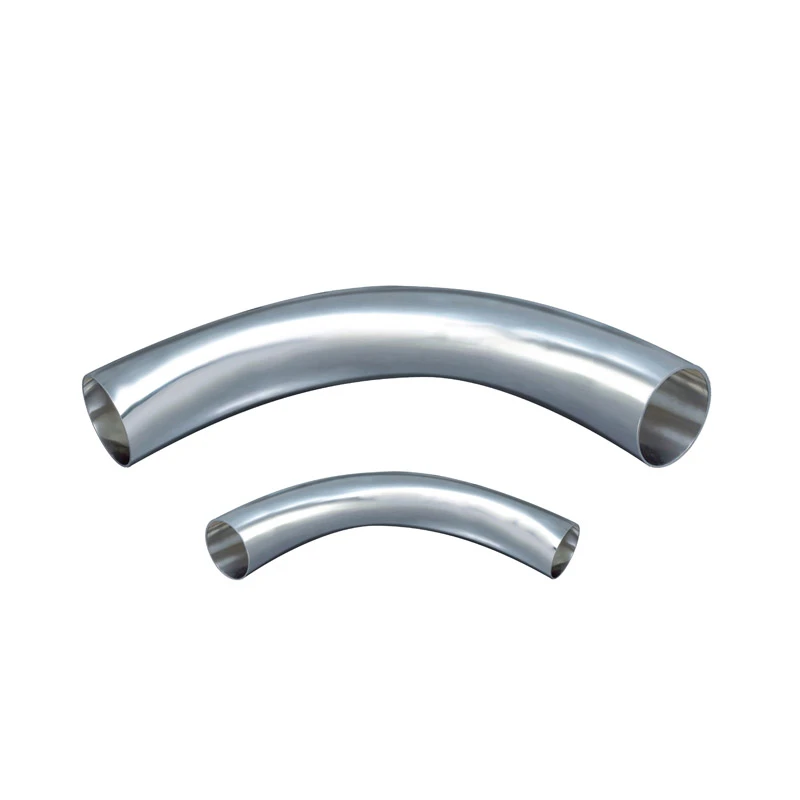
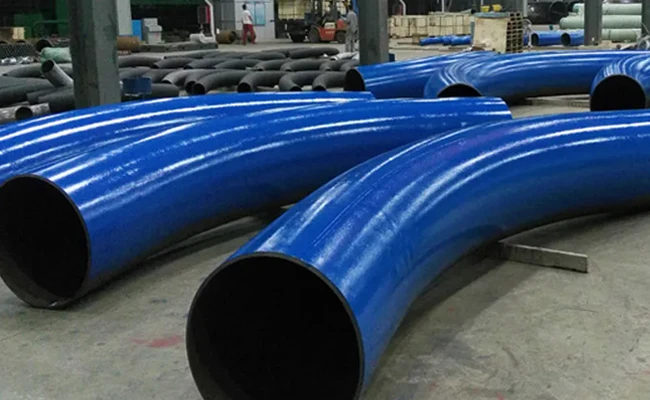
    Bend is a crucial pipe fitting used to change the direction of flow in a piping system. It allows for smooth transitions between sections of pipe, accommodating layout constraints, avoiding obstacles, and optimizing flow paths. Bends are designed to maintain the fluid's velocity and minimize pressure loss while providing the necessary angle of deviation. They are commonly used in various industries, including oil and gas, petrochemicals, water supply, and HVAC systems.
    VIEW ALL
To create value for customers!
Cangzhou Leo Technology Co., Ltd. is located in Mengcun County Economic Development Zone, Cangzhou City, Hebei Province. It is a specialized high-tech enterprise that integrates the research and development, production, and sales of composite pipes and fittings.
News
The company regards product quality as the life of the enterprise, establishes a sound quality management system in accordance with the requirements of industry and national standards, controls all aspects of input and output in the whole process, pays attention to every detail, and ensures that the product delivery pass rate is 100%.
How to Select a Prefabricated Pipe for Process Service

How to Select a Prefabricated Pipe for Process Service

Select prefabricated pipe by process conditions, material route, DN15 to DN1800 size coverage, and factory assembly requirements.
SS Pipe Cap FAQ: Fit, Connections, Materials and Uses

SS Pipe Cap FAQ: Fit, Connections, Materials and Uses

Get direct answers about ss pipe cap materials, threaded or welded connections, shapes, DN and NPS sizes, schedules, uses, and associated standards.
Mechanical Steel Pipe Comparison: Materials, Standards and Supplier Documentation

Mechanical Steel Pipe Comparison: Materials, Standards and Supplier Documentation

Compare two mechanical steel pipe options by materials, API 5LD and DNV OS F101 references, applications, bonding descriptions and supplier documentation.
Choosing an SS Bend Pipe: Application Fit and Specification Checks

Choosing an SS Bend Pipe: Application Fit and Specification Checks

Learn how to choose the right ss bend pipe for your piping system. This guide covers material grade, bend angle, radius, pressure rating, and applicable standards to help procurement teams specify stainless steel bend pipes with confidence.
High Performance Sink Pipe Steel Guide for Industrial Piping

High Performance Sink Pipe Steel Guide for Industrial Piping

High-Performance Sink Pipe Steel: The Ultimate Guide to Industrial Piping In the demanding world of industrial manufacturing and pressure vessel construction, the selection of materials for piping systems is critical. Utilizing high-quality sink pipe steel ensures that systems can withstand extreme pressures, corrosive media, and mechanical stress. Whether it is for chemical processing, oil and gas, or construction, the right steel grade and fitting geometry can mean the difference between seamless operation and costly system failure. This guide explores the technical nuances of steel elbows and specialized clad materials designed for the most rigorous environments.
Ultimate Guide to Industrial Seamless Steel Pipe for Piping

Ultimate Guide to Industrial Seamless Steel Pipe for Piping

In the realm of modern industrial infrastructure, the integrity of piping systems is non-negotiable. The seamless steel pipe stands as the gold standard for transporting high-pressure fluids and gases. Unlike welded alternatives, seamless pipes are manufactured without a longitudinal seam, eliminating the most common point of failure and ensuring superior structural consistency. This makes them indispensable in sectors where safety and reliability are paramount, such as petroleum, nuclear power, and thermal energy. In this comprehensive guide, we will explore the technical advantages, material specifications, and critical applications of these high-performance components to help you make an informed procurement decision.
tel email tel top

If you are interested in our products, you can choose to leave your information here, and we will be in touch with you shortly.