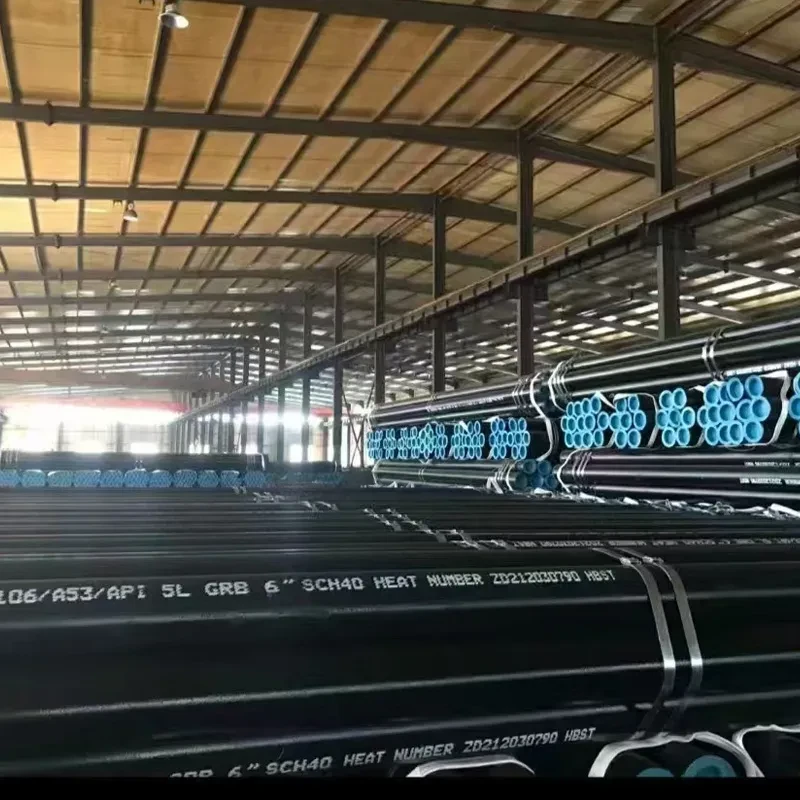
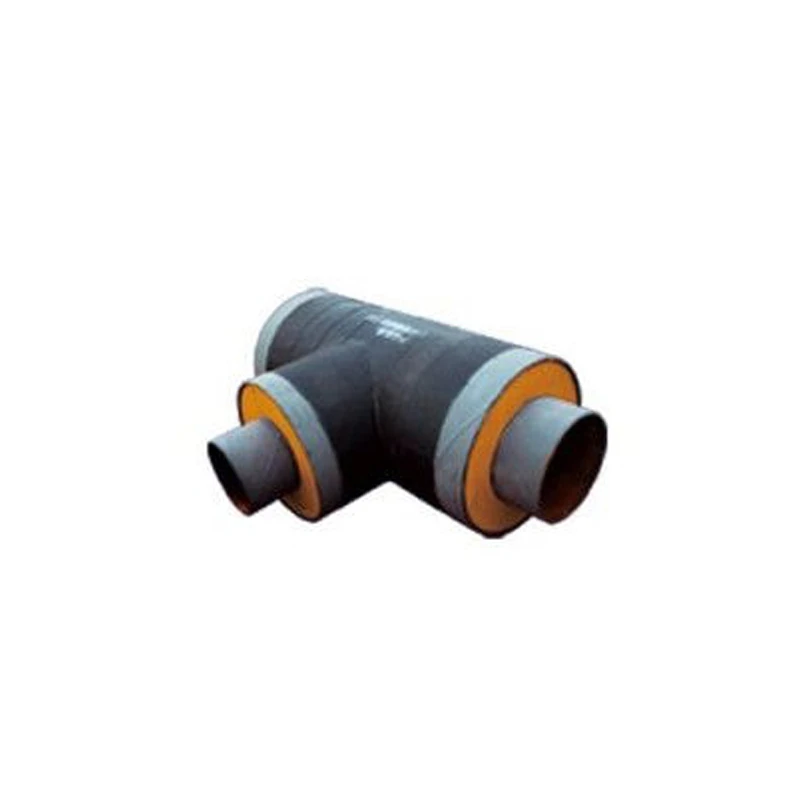
Did you know 40% of industrial contractors face delays due to substandard tubing materials? Corrosion, inconsistent sizing, and weak load capacity cost the U.S. manufacturing sector over $2.3 billion annually. If you’ve ever lost sleep over missed deadlines or blown budgets, 1 2 steel tubing isn’t just a product—it’s your competitive edge.
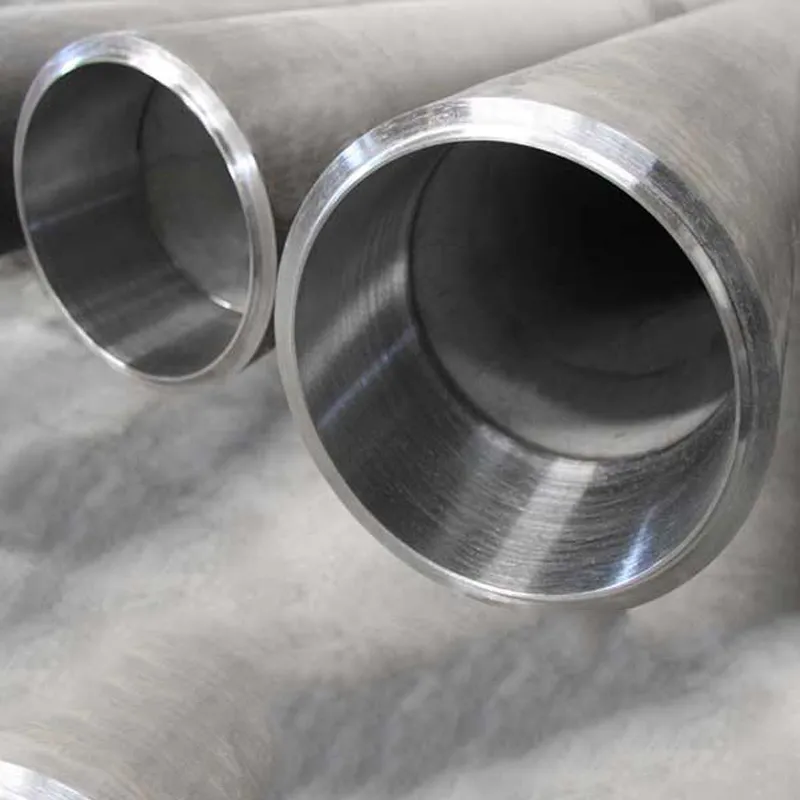
(1 2 steel tubing)
Technical Superiority: What Makes 1 2 Steel Tubing Unbeatable?
Our 3 8 steel tubing isn’t “good enough”—it’s engineered to dominate. See how we crush industry standards:
Feature
Standard Tubing
Our 3 8 Stainless Steel Tubing
Corrosion Resistance
6-8 years
15+ years
Tensile Strength
70 ksi
90 ksi
Manufacturer Showdown: Why We Outperform Every Time
While competitors cut corners, we laser-focus on what matters for your ROI:
Your Rules, Our Metal: Custom 3 8 Steel Tubing Solutions
Need non-standard lengths? Specialty coatings? We turn “impossible” into “shipping tomorrow.” Last month alone, we delivered:
Automotive Client
1,200+ units of powder-coated 3 8 stainless steel tubing
Aerospace Project
0.005mm tolerance 1 2 steel tubing for hydraulic systems
Real-World Wins: How Clients Slashed Costs by 18-37%
Case Study: A Texas solar farm used our 3 8 steel tubing in mounting systems. Result? 20% faster installation + zero corrosion claims in 3 years. Their PM said it best: “This isn’t tubing—it’s insurance.”
Your Turn to Win Big
Why settle for mediocre suppliers? As North America’s 1 rated 1 2 steel tubing manufacturer since 2015, we guarantee:
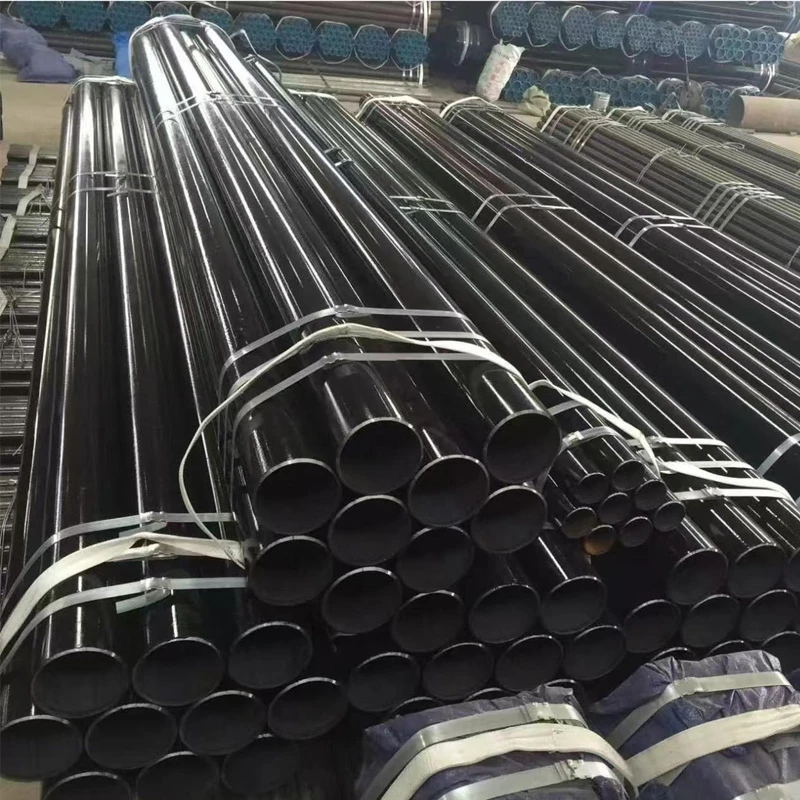
✅ 24/7 expert support
✅ 30-day money-back guarantee
✅ Free sample kits
(1 2 steel tubing)
FAQS on 1 2 steel tubing
Q: What are the common applications of 1 2 steel tubing?
A: 1 2 steel tubing is widely used in structural frameworks, automotive components, and machinery due to its balance of strength and lightweight properties. It’s also ideal for DIY projects requiring durability and flexibility.
Q: Is 3 8 tubing steel suitable for high-pressure systems?
A: Yes, 3 8 tubing steel can handle moderate pressure if the wall thickness and grade meet industry standards. Always verify specifications like ASTM ratings for your specific application, such as hydraulic or pneumatic systems.
Q: How does 3 8 steel tubing differ from 3 8 stainless steel tubing?
A: The key difference is material: 3 8 steel tubing is typically carbon steel, while 3 8 stainless steel tubing offers superior corrosion resistance. Stainless steel is preferred for harsh environments but costs more.
Q: Can 3 8 stainless steel tubing be used outdoors?
A: Absolutely. 3 8 stainless steel tubing resists rust and corrosion, making it perfect for outdoor use, marine settings, or exposure to moisture. Regular cleaning enhances its longevity.
Q: What factors should I consider when choosing between 1 2 and 3 8 steel tubing?
A: Prioritize load capacity, space constraints, and application type. Use 1 2 tubing for heavier loads and structural needs, while 3 8 tubing suits lighter, compact systems like fluid transport or small frameworks.
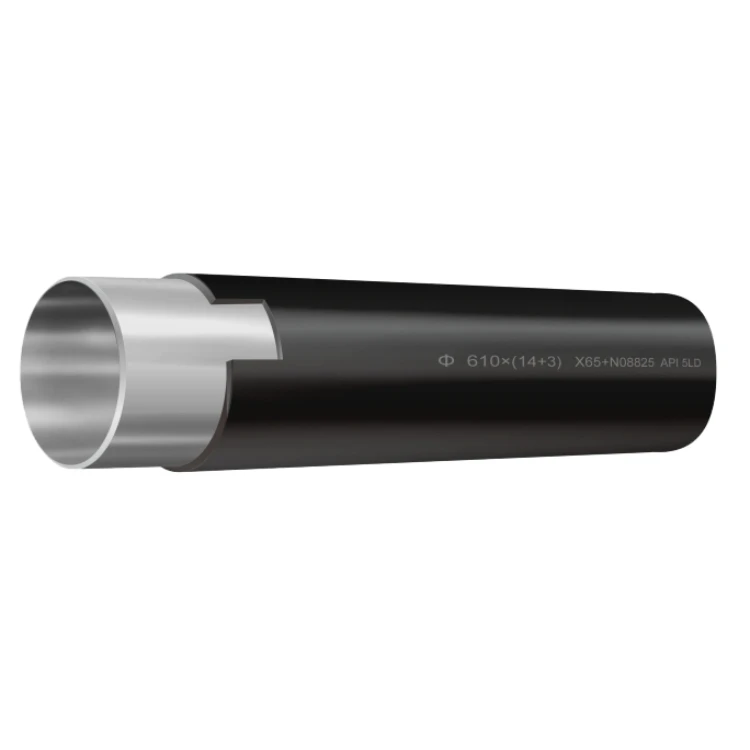
Mechanical clad steel pipe (MCSP) is a kind of high-performance pipe, which is specially designed for demanding industrial applications. Combining the durability and strength of steel with advanced composite materials, MCSP provides enhanced corrosion resistance, high pressure and extreme temperatures.
Carbon Seamless Steel Pipes are made from high-quality carbon steel and manufactured without welded seams, offering exceptional strength, durability, and resistance to pressure. These pipes are ideal for a wide range of applications, including oil and gas pipelines, construction, automotive, and fluid transportation systems. The seamless design ensures uniformity, higher structural integrity, and improved performance under high pressure and temperature conditions.
The anti-corrosion and thermal insulation products we focus on produce play a key role in the industrial pipeline system, especially the thermal insulation pipe fittings and steel pipes. Thermal insulation pipe fittings cover elbows, tees, reducers and pipe supports, with specifications ranging from DN15 to DN1800, and are made of carbon steel, alloy steel, stainless steel, bimetallic composite, nickel-based alloy and other materials.
Cangzhou Leo Technology Co., Ltd. is located in Mengcun County Economic Development Zone, Cangzhou City, Hebei Province. It is a specialized high-tech enterprise that integrates the research and development, production, and sales of composite pipes and fittings.
News
The company regards product quality as the life of the enterprise, establishes a sound quality management system in accordance with the requirements of industry and national standards, controls all aspects of input and output in the whole process, pays attention to every detail, and ensures that the product delivery pass rate is 100%.
Compare two mechanical steel pipe options by materials, API 5LD and DNV OS F101 references, applications, bonding descriptions and supplier documentation.
Learn how to choose the right ss bend pipe for your piping system. This guide covers material grade, bend angle, radius, pressure rating, and applicable standards to help procurement teams specify stainless steel bend pipes with confidence.
High-Performance Sink Pipe Steel: The Ultimate Guide to Industrial Piping In the demanding world of industrial manufacturing and pressure vessel construction, the selection of materials for piping systems is critical. Utilizing high-quality sink pipe steel ensures that systems can withstand extreme pressures, corrosive media, and mechanical stress. Whether it is for chemical processing, oil and gas, or construction, the right steel grade and fitting geometry can mean the difference between seamless operation and costly system failure. This guide explores the technical nuances of steel elbows and specialized clad materials designed for the most rigorous environments.
In the realm of modern industrial infrastructure, the integrity of piping systems is non-negotiable. The seamless steel pipe stands as the gold standard for transporting high-pressure fluids and gases. Unlike welded alternatives, seamless pipes are manufactured without a longitudinal seam, eliminating the most common point of failure and ensuring superior structural consistency. This makes them indispensable in sectors where safety and reliability are paramount, such as petroleum, nuclear power, and thermal energy. In this comprehensive guide, we will explore the technical advantages, material specifications, and critical applications of these high-performance components to help you make an informed procurement decision.
If you are interested in our products, you can choose to leave your information here, and we will be in touch with you shortly.