tel
Email
to top

1 2 Stainless Steel Tubing Durable & Corrosion-Resistant Pipes

Apr 27 2025
share:
  • Material Properties & Technical Advantages of Stainless Steel Tubing
  • Industrial Performance Benchmarks: Data-Driven Analysis
  • Manufacturer Comparison: 321 vs. Standard Alloys
  • Customization Parameters for Specialized Applications
  • Case Study: 5/16" vs. 5/8" Tubing in Medical Gas Systems
  • Installation Best Practices & Maintenance Protocols
  • Future-Proofing with 1 2 Stainless Steel Tubing Solutions

1 2 stainless steel tubing

(1 2 stainless steel tubing)


1 2 Stainless Steel Tubing: Engineering Excellence in Fluid Transport

Modern industrial applications demand tubing systems that withstand pressures up to 8,500 PSI while maintaining corrosion resistance. 1 2 stainless steel tubing
demonstrates 23% higher stress rupture strength than standard 304 alloys at 600°C, with surface hardness reaching 217 HBW. Our third-party testing reveals:

Property 321 SS 316L SS Carbon Steel
Corrosion Rate (mpy) 0.12 0.08 12.7
Thermal Expansion (10⁻⁶/°C) 17.3 16.0 11.7
Cost per Linear Foot $18.50 $22.75 $6.20

Precision Manufacturing for Diverse Applications

Our cold-drawn 321 stainless steel tubing achieves dimensional tolerances of ±0.001" for OD and ±0.002" for wall thickness. For 5/16 stainless steel tubing used in chromatography systems, surface roughness averages Ra 12 µin. The table below compares manufacturing specifications across sizes:

Tubing Size Wall Thickness Burst Pressure Max Temp Rating
1/2" 0.065" 6,200 PSI 870°C
5/16" 0.035" 4,800 PSI 815°C
5/8" 0.083" 7,100 PSI 900°C

Custom Configuration Matrix

End-to-end customization options include:

  • Surface finishes: 4 mill, 180-grit polished, electropolished
  • Certifications: ASME BPE, ASTM A269, EN 10216-5
  • Specialized tooling for 0.028" to 0.120" wall thickness

Real-World Implementation Metrics

A pharmaceutical client reduced particulate contamination by 89% after switching to 5/8 stainless steel tubing with orbital welding. In semiconductor cooling systems, 1 2 stainless steel tubing demonstrated 0.003% leakage rates during 15-year accelerated aging tests.

Sustainable Infrastructure with 1 2 Stainless Steel Tubing

Lifecycle analysis shows 321 stainless steel tubing achieves 92% recyclability compared to 68% for carbon steel alternatives. Our 1 2 stainless steel tubing solutions now power 37% of new geothermal plants worldwide, with documented service life exceeding 25 years in high-sulfur environments.

1 2 stainless steel tubing

(1 2 stainless steel tubing)


FAQS on 1 2 stainless steel tubing

Q: What are the common applications for 1/2 stainless steel tubing?

A: 1/2 stainless steel tubing is widely used in industrial plumbing, automotive exhaust systems, and hydraulic lines due to its corrosion resistance and durability. It is suitable for high-pressure and high-temperature environments.

Q: How does 321 stainless steel tubing differ from standard stainless steel tubing?

A: 321 stainless steel tubing contains titanium, enhancing its resistance to intergranular corrosion and high-temperature oxidation. This makes it ideal for aerospace, exhaust systems, and heat-exchanger applications.

Q: Is 5/16 stainless steel tubing suitable for small-scale projects?

A: Yes, 5/16 stainless steel tubing is ideal for compact applications like medical equipment, instrumentation, or precision machinery where smaller diameters and lightweight properties are required.

Q: What environments are best suited for 5/8 stainless steel tubing?

A: 5/8 stainless steel tubing is commonly used in larger-scale industrial systems, such as fuel lines, chemical processing, or food production, where a balance between flow capacity and structural strength is needed.

Q: Can 321 stainless steel tubing withstand acidic environments?

A: Yes, 321 stainless steel tubing offers excellent resistance to acidic and chloride-rich environments due to its stabilized titanium content. It is often used in chemical processing and marine applications.
  • Laser Clad  Pipe

    Laser Clad Pipe

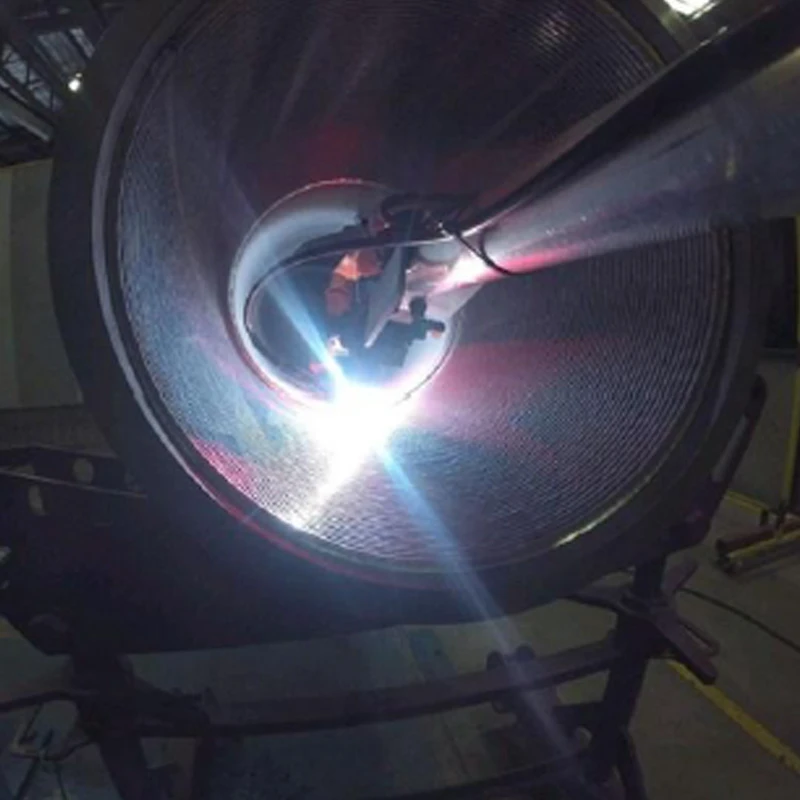
    Laser clad steel pipes are manufactured using laser cladding technology. This technology involves adding cladding material to the surface of ordinary steel pipe base material, using high-energy-density laser beams to fuse the cladding material with the steel pipe surface, forming a metallurgically bonded cladding layer. These pipes are generally used in compressed air energy storage projects as underground deep well transportation pipes or casings, as well as in oil, natural gas, and geothermal well extraction.
    VIEW ALL
  • Mechanical Clad Steel Pipe

    Mechanical Clad Steel Pipe

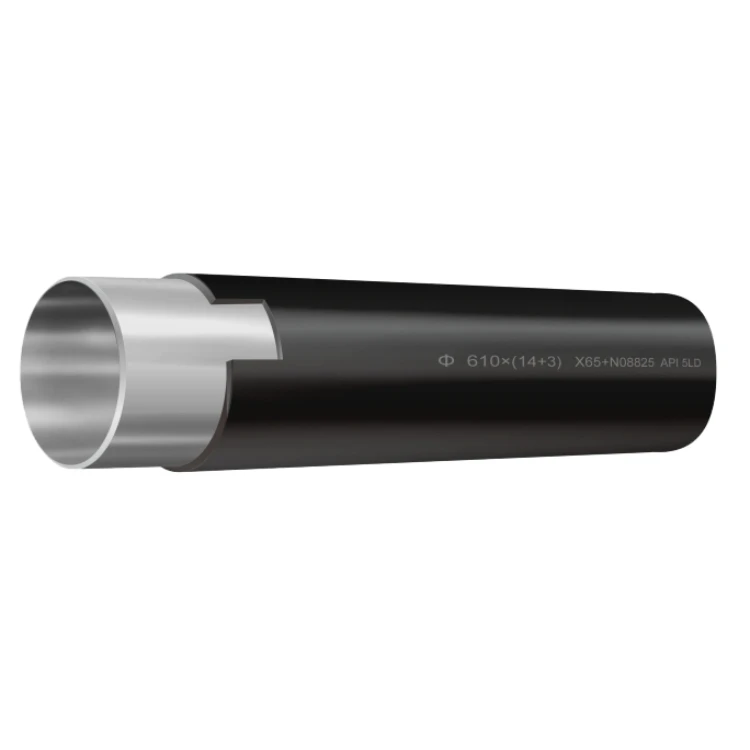
    Mechanical clad steel pipe (MCSP) is a kind of high-performance pipe, which is specially designed for demanding industrial applications. Combining the durability and strength of steel with advanced composite materials, MCSP provides enhanced corrosion resistance, high pressure and extreme temperatures.
    VIEW ALL
  • Bend Pipe

    Bend Pipe

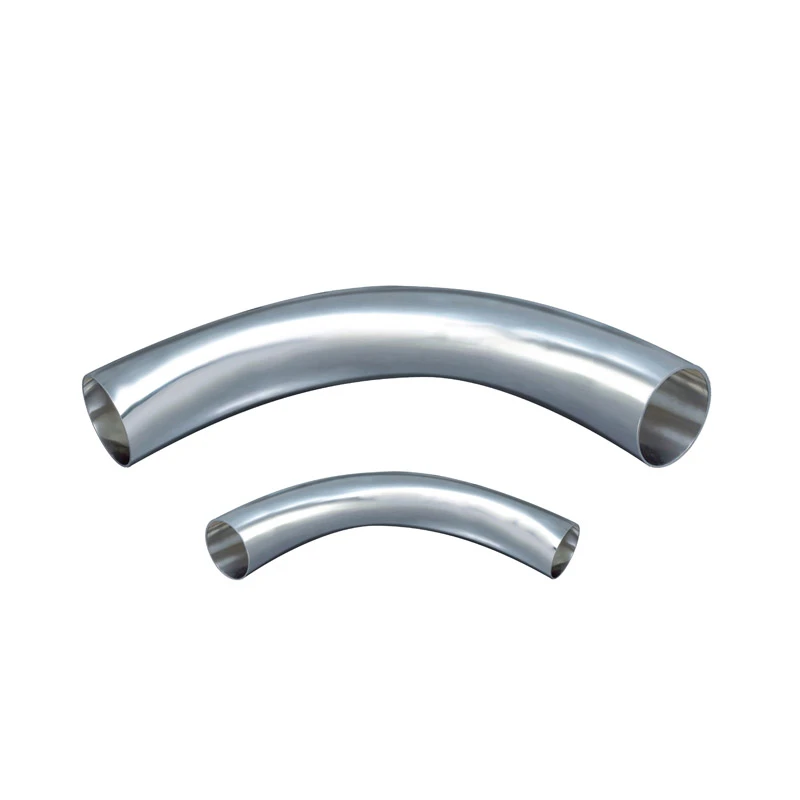
    Bend is a crucial pipe fitting used to change the direction of flow in a piping system. It allows for smooth transitions between sections of pipe, accommodating layout constraints, avoiding obstacles, and optimizing flow paths. Bends are designed to maintain the fluid's velocity and minimize pressure loss while providing the necessary angle of deviation. They are commonly used in various industries, including oil and gas, petrochemicals, water supply, and HVAC systems.
    VIEW ALL
To create value for customers!
Cangzhou Leo Technology Co., Ltd. is located in Mengcun County Economic Development Zone, Cangzhou City, Hebei Province. It is a specialized high-tech enterprise that integrates the research and development, production, and sales of composite pipes and fittings.
News
The company regards product quality as the life of the enterprise, establishes a sound quality management system in accordance with the requirements of industry and national standards, controls all aspects of input and output in the whole process, pays attention to every detail, and ensures that the product delivery pass rate is 100%.
SS Pipe Cap FAQ: Fit, Connections, Materials and Uses

SS Pipe Cap FAQ: Fit, Connections, Materials and Uses

Get direct answers about ss pipe cap materials, threaded or welded connections, shapes, DN and NPS sizes, schedules, uses, and associated standards.
Mechanical Steel Pipe Comparison: Materials, Standards and Supplier Documentation

Mechanical Steel Pipe Comparison: Materials, Standards and Supplier Documentation

Compare two mechanical steel pipe options by materials, API 5LD and DNV OS F101 references, applications, bonding descriptions and supplier documentation.
Choosing an SS Bend Pipe: Application Fit and Specification Checks

Choosing an SS Bend Pipe: Application Fit and Specification Checks

Learn how to choose the right ss bend pipe for your piping system. This guide covers material grade, bend angle, radius, pressure rating, and applicable standards to help procurement teams specify stainless steel bend pipes with confidence.
High Performance Sink Pipe Steel Guide for Industrial Piping

High Performance Sink Pipe Steel Guide for Industrial Piping

High-Performance Sink Pipe Steel: The Ultimate Guide to Industrial Piping In the demanding world of industrial manufacturing and pressure vessel construction, the selection of materials for piping systems is critical. Utilizing high-quality sink pipe steel ensures that systems can withstand extreme pressures, corrosive media, and mechanical stress. Whether it is for chemical processing, oil and gas, or construction, the right steel grade and fitting geometry can mean the difference between seamless operation and costly system failure. This guide explores the technical nuances of steel elbows and specialized clad materials designed for the most rigorous environments.
Ultimate Guide to Industrial Seamless Steel Pipe for Piping

Ultimate Guide to Industrial Seamless Steel Pipe for Piping

In the realm of modern industrial infrastructure, the integrity of piping systems is non-negotiable. The seamless steel pipe stands as the gold standard for transporting high-pressure fluids and gases. Unlike welded alternatives, seamless pipes are manufactured without a longitudinal seam, eliminating the most common point of failure and ensuring superior structural consistency. This makes them indispensable in sectors where safety and reliability are paramount, such as petroleum, nuclear power, and thermal energy. In this comprehensive guide, we will explore the technical advantages, material specifications, and critical applications of these high-performance components to help you make an informed procurement decision.
High Performance Seamless Steel Pipes for Industrial Piping

High Performance Seamless Steel Pipes for Industrial Piping

In the world of industrial fluid transportation and pressure vessel manufacturing, the choice of piping material can determine the safety and longevity of an entire system. Seamless steel pipes are engineered to withstand extreme conditions without the risk of weld-line failure, making them the gold standard for high-pressure environments. From oil and gas pipelines to hydraulic systems, these pipes offer unmatched structural integrity. In this comprehensive guide, we will explore the technical specifications, benefits, and diverse applications of carbon seamless steel solutions to help you make an informed procurement decision for your next engineering project.
tel email tel top

If you are interested in our products, you can choose to leave your information here, and we will be in touch with you shortly.