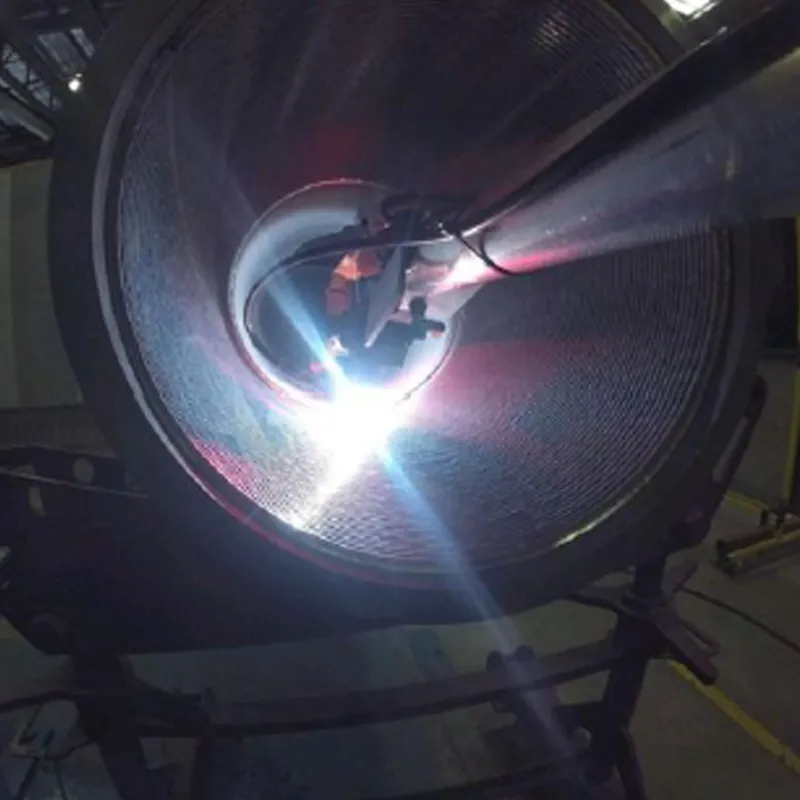


Laser Clad Steel Pipes represent the pinnacle of surface engineering, merging the structural strength of high-grade steel with the extreme resilience of advanced alloys. By utilizing cutting-edge laser cladding technology, a high-performance composite layer is fused onto the pipe surface, creating a robust barrier that provides exceptional resistance to corrosion, abrasion, and high-temperature degradation.
Specifically engineered for the most demanding industrial environments—including oil and gas, petrochemical, and marine applications—these pipes ensure reliable operation in critical systems. The precise laser application results in superior bonding strength and minimal thermal distortion, offering a lightweight yet durable solution that significantly extends equipment lifespan and reduces long-term maintenance overhead.
| Outer Diameter (D) | Nominal Wall Thickness (T) | Matrix steel pipe thickness (0.1mm precision) | |
|---|---|---|---|
| Alloy Layer Thickness (t) | Corrosion-resistant layer (0.1mm precision) | Weight Calculation (wpe) | 0.02466(D-T)(T) + 0.02466(D-2T-t)(t)(F) |
| Correction Factor (1812) | 1.017 | Correction Factor (2205) | 0.995 |
| Correction Factor (2506) | 0.995 | Correction Factor (2242) | 1.038 |
| Correction Factor (2262) | 1.075 | Application Fields | Oil, Gas, Petrochemical, Marine |
Nickel-based alloy cladding provides 3-5 times better corrosion resistance than standard alloy pipes, ideal for aggressive chemical environments.
High surface hardness and exceptional wear resistance significantly reduce material loss and prolong the operational lifecycle.
Unlike traditional coatings, the laser-clad layer is metallurgically bonded, eliminating the risk of peeling or delamination.
Low heat input ensures the base material's structure and properties remain intact, preventing deformation and structural weakness.
Combines the load-bearing capacity of traditional steel with the chemical protection of premium alloys.
Lightweight design compared to solid alloy pipes simplifies logistics and onsite installation processes.
Advanced CNC and laser systems ensure micron-level accuracy for every cladding layer.
Rigorous non-destructive testing (NDT) to verify bond integrity and coating uniformity.
Full certification and heat-number tracking for all base steels and cladding powders.
Tailored alloy selection based on specific chemical exposure and pressure requirements.
Integrated logistics management for timely delivery of prefabricated pressure vessel components.
End-to-end consulting from initial material selection to final installation guidance.
| Comparison Metric | Ordinary Alloy Pipe | Laser Clad Steel Pipe |
|---|---|---|
| Corrosion Resistance | Standard | Exceptional (3-5x Higher) |
| Initial Material Cost | Very High | Optimized / Moderate |
| Maintenance Frequency | High | Low |
| Operational Lifespan | Medium | Very Long |
| Total Cost of Ownership | High (due to replacements) | Low (High ROI) |
Traditional coatings are often mechanical or chemical bonds prone to peeling. Laser cladding creates a metallurgical bond, fusing the alloy to the steel, which ensures it cannot peel or flake under extreme pressure.
Industries dealing with corrosive chemicals or abrasive fluids, such as oil and gas exploration, petrochemical refining, and marine engineering, see the highest returns in durability and safety.
Laser cladding uses a concentrated energy beam, resulting in a very small HAZ. This means the base steel's mechanical properties are not compromised, preventing the deformation common in traditional welding.
Yes, we provide various alloy options, including nickel-based and stainless alloys, tailored to the specific pH levels, temperature, and corrosive agents of your application.
No, the cladding layer is typically very thin yet highly effective. This allows the pipe to maintain a lightweight profile compared to pipes made entirely of expensive corrosion-resistant alloys.
The weight is calculated using a specific formula that accounts for the outer diameter, matrix steel thickness, the nominal thickness of the alloy layer, and a material-specific correction factor (F).
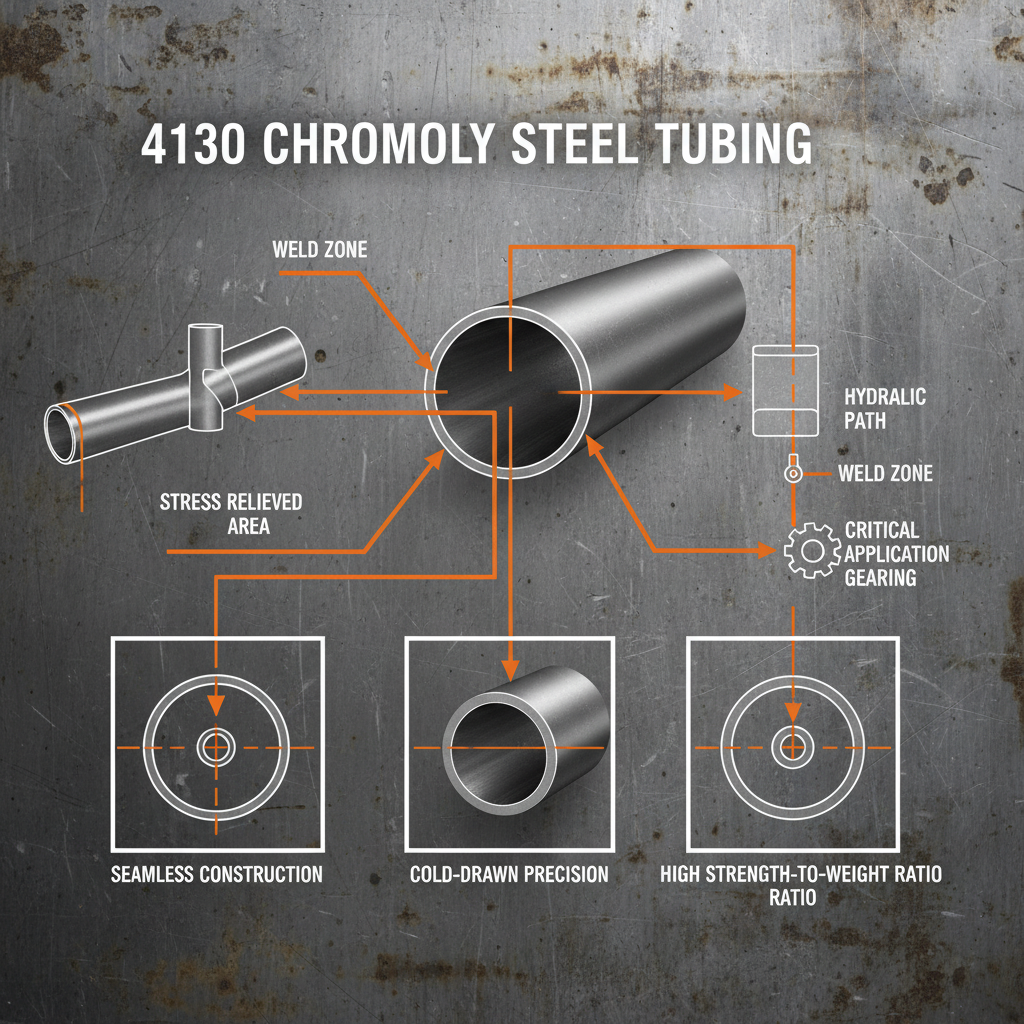
Ultimate Guide to 4130 Tubing Strength Performance and Applications
Properties and Industrial Applications of 4130 steel tubing
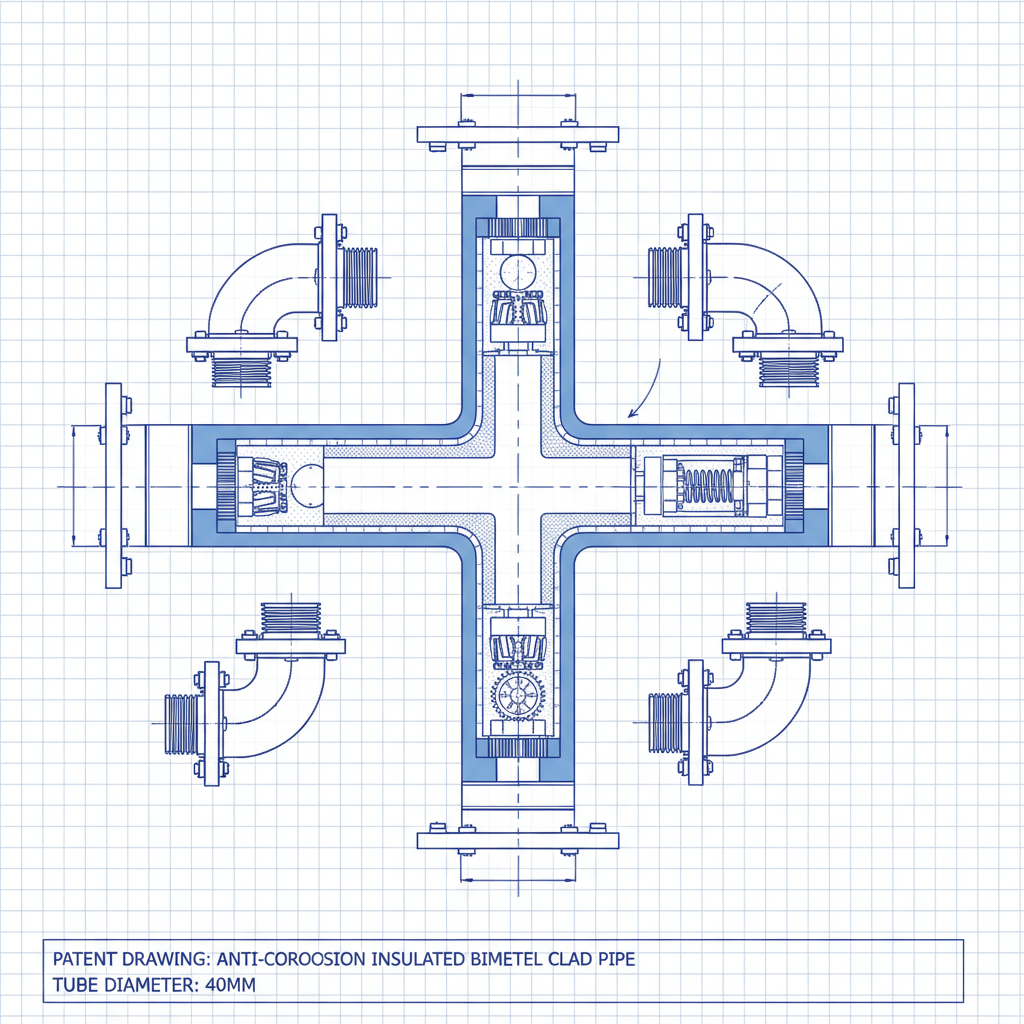
Comprehensive Guide to 40mm Steel Tube Applications and Material Selection
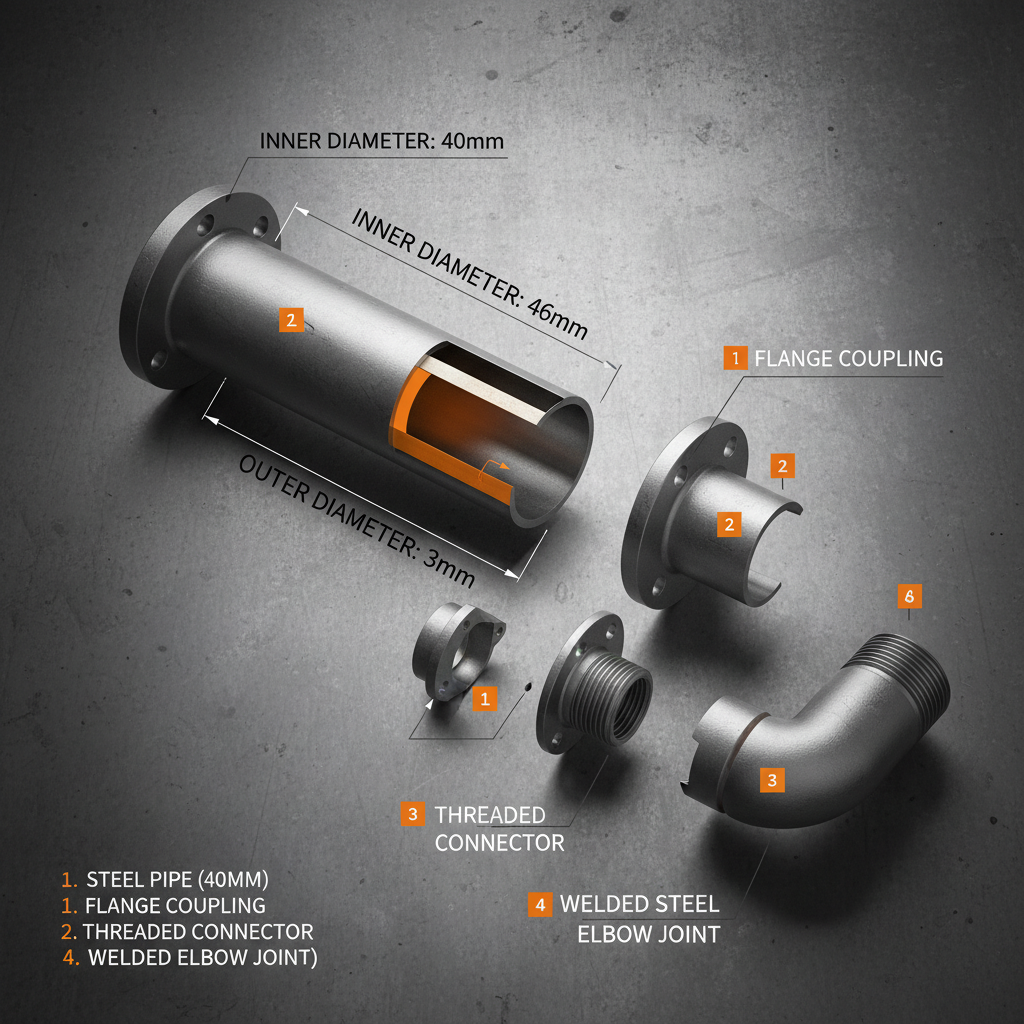
Comprehensive Guide to 40mm Steel Pipe Applications and Considerations
Comprehensive Guide to 40mm Metal Pipe Applications and Sourcing
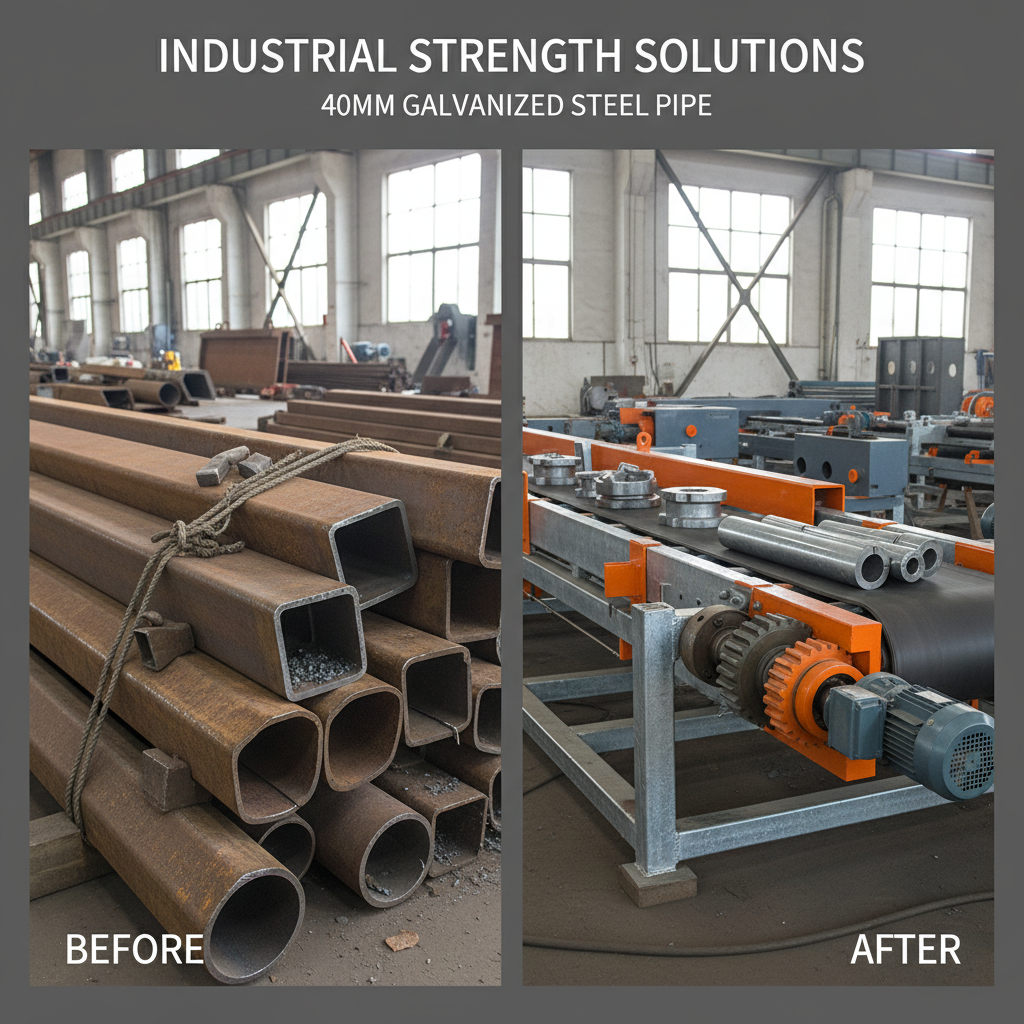
Comprehensive Guide to 40mm Galvanised Pipe Applications and Specifications