tel
Email
to top

Types of Flange

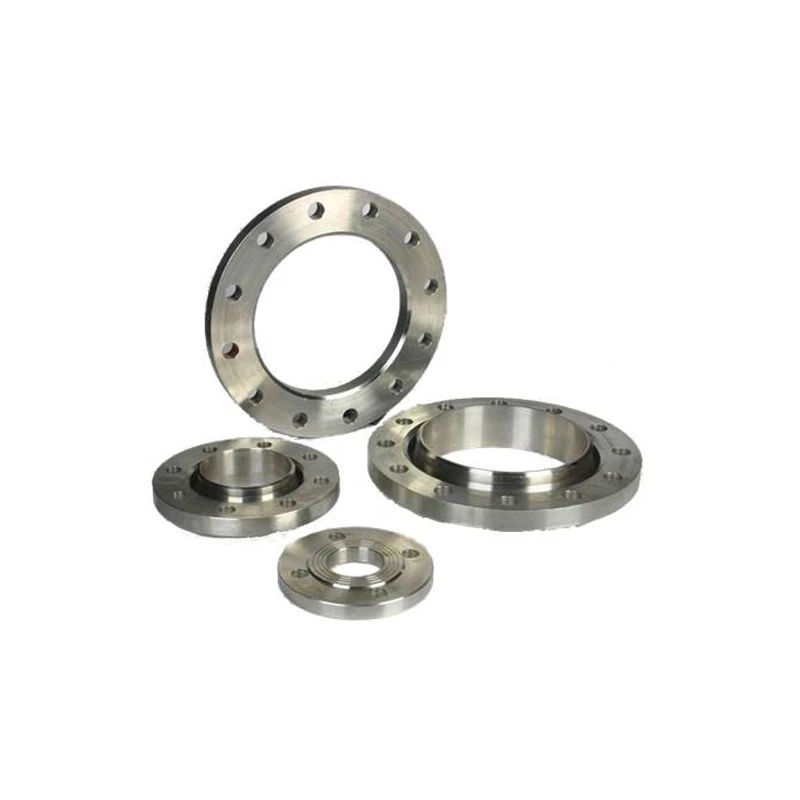
We fully understand the special needs that different customers may face in pipeline engineering, and therefore provide comprehensive customized flange product services. No matter what special specifications and sizes of flanges you need, such as non-standard pipe diameters and bolt hole spacing; Or flanges made of special material combinations to meet specific corrosion environments or physical performance requirements; Or for unique design requirements such as special sealing structures or connection methods, our professional team will work closely with you.

Performance Characteristics of Flanges

The flange provides the connection foundation, bolt holes are used to insert bolts to tighten the connection, and the sealing surface directly affects the sealing performance of the connection part. Different types of sealing surfaces are suitable for different working conditions.
  • High Strength and Stability

    High Strength and Stability

    Flanges can withstand high pressure, tension, and impact forces in pipeline systems, ensuring stability and reliability of connections under various complex working conditions, and providing solid guarantees for the safe operation of pipeline systems.
  • Excellent Sealing Performance

    Excellent Sealing Performance

    The carefully designed sealing surface is closely matched with high-quality sealing gaskets to form a reliable sealing structure, which can effectively prevent the leakage of various fluids.
  • Good Corrosion Resistance

    Good Corrosion Resistance

    According to different usage environments and medium characteristics, corresponding corrosion-resistant materials can be selected to manufacture flanges.

Flange FAQ

  • What are the precautions for flange installation?

    Before installation, check the flange specifications, model, and appearance, and clean the connection parts. The appropriate specifications should be selected for bolt tightening, and the bolts should be tightened diagonally according to the specified torque to avoid loose sealing or flange deformation. The installation of sealing gaskets should select the correct size, place them accurately, and pay attention to the winding direction and compression amount of special gaskets. Ensure that the pipeline aligns with the centerline of the flange during installation, check for levelness and perpendicularity to prevent additional stress.
  • How to maintain flanges and extend their service life?

    Regularly inspect the appearance for leaks, deformations, and corrosion, check the tightening status of bolts, and use non-destructive testing technology to detect internal defects in important flange parts. Keep the surface clean and regularly clean the pipeline system that transports easily scaling media. Metal flanges undergo regular anti-corrosion treatment in humid and corrosive environments, such as painting with anti rust paint, galvanizing, etc. Once damage is found, it should be repaired or replaced in a timely manner to ensure that the quality of the repaired and replaced flanges meets the requirements.
  • How to ensure the sealing performance of flanges?

    The carefully designed sealing surface and high-quality sealing gasket work closely together to form a sealing structure. When installing, the sealing gasket should be selected according to the working conditions, ensuring that the gasket size matches the flange sealing surface, accurately placing the gasket, and avoiding deviation or distortion. When tightening bolts, use diagonal sequential tightening method and operate according to the specified torque to ensure that the flange is evenly stressed, so that the sealing surface and gasket are fully fitted, effectively preventing fluid leakage.
  • What is the process of customizing flanges?

    The customer requests special specifications, dimensions, material combinations, design requirements, etc. The manufacturer's professional team evaluates feasibility and communicates with the customer to determine the details of the solution, including drawing drawings, clarifying technical parameters, etc. Afterwards, the manufacturer arranges production, strictly controls quality during the production process, conducts inspections after completion, delivers qualified products to customers, and may provide after-sales technical support after delivery to ensure that customized flanges meet actual usage needs.
News
The company regards product quality as the life of the enterprise, establishes a sound quality management system in accordance with the requirements of industry and national standards, controls all aspects of input and output in the whole process, pays attention to every detail, and ensures that the product delivery pass rate is 100%.
High Performance Sink Pipe Steel Guide for Industrial Piping

High Performance Sink Pipe Steel Guide for Industrial Piping

Jul.01,2026
High-Performance Sink Pipe Steel: The Ultimate Guide to Industrial Piping In the demanding world of industrial manufacturing and pressure vessel construction, the selection of materials for piping systems is critical. Utilizing high-quality sink pipe steel ensures that systems can withstand extreme pressures, corrosive media, and mechanical stress. Whether it is for chemical processing, oil and gas, or construction, the right steel grade and fitting geometry can mean the difference between seamless operation and costly system failure. This guide explores the technical nuances of steel elbows and specialized clad materials designed for the most rigorous environments.
Ultimate Guide to Industrial Seamless Steel Pipe for Piping

Ultimate Guide to Industrial Seamless Steel Pipe for Piping

Jun.29,2026
In the realm of modern industrial infrastructure, the integrity of piping systems is non-negotiable. The seamless steel pipe stands as the gold standard for transporting high-pressure fluids and gases. Unlike welded alternatives, seamless pipes are manufactured without a longitudinal seam, eliminating the most common point of failure and ensuring superior structural consistency. This makes them indispensable in sectors where safety and reliability are paramount, such as petroleum, nuclear power, and thermal energy. In this comprehensive guide, we will explore the technical advantages, material specifications, and critical applications of these high-performance components to help you make an informed procurement decision.
High Performance Seamless Steel Pipes for Industrial Piping

High Performance Seamless Steel Pipes for Industrial Piping

Jun.27,2026
In the world of industrial fluid transportation and pressure vessel manufacturing, the choice of piping material can determine the safety and longevity of an entire system. Seamless steel pipes are engineered to withstand extreme conditions without the risk of weld-line failure, making them the gold standard for high-pressure environments. From oil and gas pipelines to hydraulic systems, these pipes offer unmatched structural integrity. In this comprehensive guide, we will explore the technical specifications, benefits, and diverse applications of carbon seamless steel solutions to help you make an informed procurement decision for your next engineering project.
High Performance Seamless Stainless Steel Pipe for Industrial Use

High Performance Seamless Stainless Steel Pipe for Industrial Use

Jun.26,2026
The Ultimate Guide to Seamless Stainless Steel Pipe for Industrial Applications In the demanding world of oil and gas extraction, particularly in fields characterized by high hydrogen sulfide and carbon dioxide levels, the integrity of transportation infrastructure is critical. While traditional carbon steel often fails due to insufficient corrosion resistance, the seamless stainless steel pipe emerges as a premium solution. By eliminating weld seams, these pipes provide superior structural integrity and a seamless barrier against corrosive media. For industries operating under extreme pressure and chemical aggression, choosing the right piping material is not just about efficiencyit is about safety and long-term economic viability.
Industrial Piping Solutions Using Durable sch 40 steel pipe

Industrial Piping Solutions Using Durable sch 40 steel pipe

Jun.25,2026
Optimizing Industrial Piping with SCH 40 Steel Pipe Solutions In the demanding world of industrial manufacturing and fluid transport, selecting the right piping specification is critical for safety and efficiency. The sch 40 steel pipe serves as a global standard for versatility, balancing wall thickness with internal flow capacity. Whether used in petrochemical plants, marine environments, or construction, this pipe grade provides the structural reliability needed to handle moderate pressures. However, as industries evolve, the integration of advanced technologies like laser cladding is transforming how we enhance these pipes to resist extreme corrosion and wear, extending the lifecycle of critical infrastructure.
Industrial 5 inch steel tubing Guide for High Pressure Systems

Industrial 5 inch steel tubing Guide for High Pressure Systems

Jun.23,2026
The Ultimate Guide to 5 Inch Steel Tubing for Industrial Applications When designing high-pressure piping systems or structural frameworks, selecting the right material dimensions is critical for safety and efficiency. The 5 inch steel tubing serves as a versatile midpoint in industrial piping, offering a perfect balance between flow capacity and structural rigidity. Whether it is used in oil and gas transport, water management, or architectural support, the quality of the steel determines the longevity of the entire project. In this comprehensive guide, we will explore the technical specifications, material grades, and strategic advantages of utilizing this specific tubing size
tel email tel top

If you are interested in our products, you can choose to leave your information here, and we will be in touch with you shortly.