The Quiet Power of Welded Steel Pipe in Today's World
If you’re here, you’re probably wondering what exactly a welded steel pipe is—and why it seems to pop up in everything from skyscrapers to oil rigs. At first glance, it might seem just like any ordinary pipe, but welded steel pipe quietly underpins key infrastructure globally, holding industries together—literally and figuratively. Understanding its role is more than just an engineering curiosity; it’s a glimpse into how modern economies flow with energy, water, and data. Plus, knowing the ins and outs of these pipes can help engineers, planners, or even business owners make better decisions—saving money, optimizing design, and ensuring safety.
---
Why Welded Steel Pipes Matter on a Global Scale
Welded steel piping is everywhere—transporting oil, gas, water, and even supporting structural frameworks in construction. According to the International Organization for Standardization (ISO), the global steel pipe market is projected to grow steadily, driven by expanding urbanization and industrial demands. The United Nations reports that developing countries need reliable infrastructure to keep up with population surges and climate resilience. That’s where welded steel pipes come in: they’re a crucial piece in the puzzle of sustainable development.
However, the challenge lies in balancing cost, durability, and scalability while meeting environmental regulations. Industries worldwide are grappling with selecting piping solutions that can withstand harsh conditions—from corrosive sea water in offshore rigs to seismic zones in earthquake-prone regions. Welded steel pipes offer a solution that, frankly, a lot of other materials just can’t match.
welded steel pipe manufacturers continuously innovate to meet these daunting demands, seeking ways to improve strength while reducing environmental impact.
---
What Exactly Is a Welded Steel Pipe?
In simple terms, welded steel pipe is a cylindrical tube made by bending a flat steel plate or strip into a round shape and then welding the seam longitudinally or spirally. Unlike seamless pipes, which are forged from a solid steel billet, welded pipes come together with the precision of modern machinery—think of it as carefully crafting a bracelet from steel strips rather than shaping it from a single chunk.
This process offers flexibility in size and thickness, making it adaptable for diverse industrial needs—everything from water mains in cities to oil transmission in remote deserts. Essentially, these pipes serve as the veins and arteries of human civilization’s infrastructure, helping fulfill vital needs like clean water delivery and energy transportation.
---
Key Features That Make Welded Steel Pipe a Preferred Choice
1. Durability and Strength
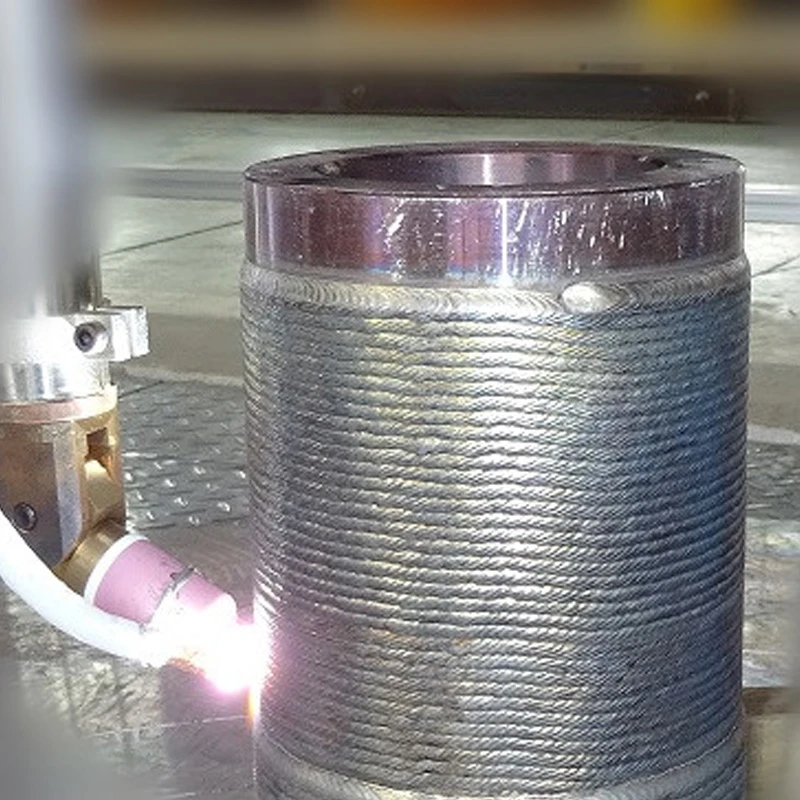
Steel itself is well-known for its robust mechanical properties. When welded properly, these pipes can handle high pressures and resist deformation—ideal for demanding environments. Many engineers say weld quality is crucial; a poor weld can be a weak point. But today’s automated techniques ensure consistent weld integrity.
2. Cost Efficiency
Welding allows for a more economical production process compared to seamless pipes, particularly for larger diameters. Since steel plates are commonly available, manufacturers can scale production faster. This cost-effectiveness makes it attractive for large-scale water distribution or gas pipelines.
3. Versatility in Application
Thanks to various welding techniques such as Electric Resistance Welding (ERW) or spiral welding, manufacturers can tailor pipes to specific diameter and thickness requirements. For example, spiral welded pipes are often preferred for their flexibility over long lengths.
4. Corrosion Resistance Options
Though steel inherently rusts, protective coatings and treatments—like galvanization or epoxy lining—extend lifespan significantly. In marine or chemical industries, this is a game changer, reducing maintenance costs and downtime.
5. Sustainability Considerations
Steel is highly recyclable, meaning that welded steel pipes fit well into circular economy models. Many suppliers now emphasize eco-friendly production methods, which aligns with global climate goals.
Mini takeaway: Welded steel pipe isn’t just “metal tubing.” It combines engineering precision, materials science, and smart manufacturing to deliver strength and adaptability for challenging modern needs.
---
Global Applications of Welded Steel Pipe in Real Life
Welded steel pipes have found their place in almost every corner of civilization. For example, in the Middle East, large-diameter pipes transport crude oil across deserts where infrastructure must perform flawlessly despite searing heat. In Europe, networked gas pipelines rely on welded steel pipes designed to meet strict safety regulations.
In post-disaster relief operations, quickly installed welded steel pipe systems have helped restore clean water supply to devastated areas, minimizing health crises. Organizations like UNICEF and the WHO have noted that durable piping solutions speed up recovery phases, which means better outcomes for displaced communities.
Even in remote mining zones in Canada or Australia, robust welded steel pipe systems transport water and slurry efficiently, resisting abrasion and pressure despite tough terrain.
Below is a quick snapshot spec table of a typical welded steel pipe used in oil and gas pipelines:
| Specification |
Typical Value |
| Diameter |
24 inches (610 mm) |
| Wall Thickness |
12.7 mm (0.5 inch) |
| Welding Method |
Spiral Submerged Arc Welding (SSAW) |
| Material Grade |
API 5L X65 |
| Coating |
Fusion-bonded epoxy |
---
Advantages & Why It’s Worth the Investment
In real-world terms, investing in welded steel pipe often translates to fewer maintenance headaches, safer operations, and longer service life. Socially, reliable pipelines mean better access to water and energy, which can directly uplift community well-being. It’s not just about economics—it’s about trust and dignity.
Companies deploying welded steel pipes often find they cut unexpected downtime, which, in industries like oil and gas, can cost millions per day. Environmentally, these pipes help reduce leaks and spills thanks to their structural integrity, helping protect surrounding ecosystems.
---
Looking Ahead: Trends and Innovations in Welded Steel Pipe
The future is definitely green and smart. There’s increasing interest in integrating smart sensors within welded steel pipes for real-time monitoring of pressure, corrosion, and flow rates—part of the broader “digital twin” revolution. Advances in coatings now utilize nanotechnology for ultra-durable corrosion resistance.
Green hydrogen transport is emerging as a game changer in energy sectors, and pipelines must adapt accordingly. That means new steel grades and welding methods that resist hydrogen embrittlement.
Automation in welding—robotic arms guided by AI—is becoming more common, improving consistency and reducing manual errors.
---
Challenges and Clever Workarounds
No material is perfect. Welded steel pipes face challenges like cracking, corrosion under insulation, and welding defects. But expertise is growing fast. Non-destructive testing (NDT) like ultrasonic inspection and X-ray ensures weld quality before use.
Surface treatments and cathodic protection are common tactics to fight corrosion, especially in harsh environments.
On the design side, engineers often factor in pipe flexibility and expandability to handle seismic stress or temperature swings.
---
FAQ: Common Questions About Welded Steel Pipe
Q1: How does welded steel pipe differ from seamless pipe?
A: Welded pipes are formed by shaping and welding steel strips, offering cost advantages and size flexibility. Seamless pipes are forged from a single billet and typically have higher strength but come at a premium price.
Q2: What industries benefit most from welded steel pipes?
A: Oil and gas, water supply, construction, and chemical processing industries rely heavily on welded steel pipes due to their durability and adaptability.
Q3: Can welded steel pipes be coated to resist corrosion?
A: Yes, coatings like galvanization, epoxy, or fusion-bonded epoxy protect pipes from rust and extend their service life, especially in harsh environments.
Q4: Are there environmentally friendly welding options?
A: Many manufacturers now implement energy-efficient welding technologies and recycle steel scrap to reduce environmental footprint. Additionally, using recyclable steel piping supports sustainability goals.
Q5: How long can welded steel pipes last under typical conditions?
A: With proper material selection and maintenance, welded steel pipes can last 30–50 years or more, depending on the operating environment.
---
Vendor Comparisons: Choosing the Right Partner
| Vendor |
Product Range |
Certification |
Lead Time |
Special Features |
| Lion Pipeline |
Oil & Gas, Water Steel Pipes, Structural |
API 5L, ISO 9001 |
4–6 weeks |
Custom coatings, smart sensor integration |
| SteelStream |
Pipeline & Industrial Piping |
ISO 14001, API 5CT |
5–8 weeks |
Eco-friendly welding options |
| PipeTech Solutions |
Structural Pipes, Custom Designs |
ISO 9001, API 5L |
3–5 weeks |
Rapid prototyping, high-precision welding |
---
Wrapping Up: The Long-Term Value of Welded Steel Pipe
So, to circle back after this journey, welded steel pipe quietly but steadfastly supports the modern world’s infrastructure—whether we’re talking about the energy sectors, urban water supplies, or rebuilding after disasters. It’s cost-effective, adaptable, and, increasingly, smarter and greener. That combination is rare, and many engineers will attest that knowing your piping options can transform project outcomes.
If you want to explore high-quality welded steel pipes that are designed to meet modern challenges, don’t hesitate to visit our website:
https://www.lion-pipeline.com for more insights and solutions.
---
References & Further Reading
- Wikipedia: Steel Pipe
- International Organization for Standardization (ISO)
- United Nations: Infrastructure Development