tel
Email
to top

Comprehensive Guide to Steel Pipes and Fittings | Benefits & Global Applications

Dec 14 2025
share:

Steel Pipes and Fittings: Backbone of Global Infrastructure

Steel pipes and fittings might sound like dry, technical jargon to some, but in reality, they’re the unsung heroes of countless modern systems — from the water we drink to the gas heat that warms our homes. The world literally runs on these essential components. With industrial growth booming globally and urbanization expanding, understanding the role and benefits of quality steel piping solutions matters more than ever.

Why so? Because steel pipes and fittings provide strength, durability, and flexibility that many other materials simply can’t match. Their widespread adoption influences everything from energy transport to sanitation projects, making societies safer, more efficient, and more resilient.

Understanding the Global Importance

According to recent World Bank data, global steel pipe production has surged by roughly 15% over the last decade, largely driven by infrastructural demands in Asia and the Middle East. The International Organization for Standardization (ISO) has established rigorous standards to ensure these components withstand diverse pressures — literally and figuratively.

The challenge? As pipelines age and environmental pressures mount, failures become increasingly costly and dangerous. Good steel pipes and fittings help prevent leaks, environmental damage, and even save lives. This is especially crucial in regions prone to natural disasters or rapid urban development.

What Exactly Are Steel Pipes and Fittings?

At their core, steel pipes are cylindrical tubes made of steel used to transport liquids, gases, or solids. Fittings are the components — like elbows, tees, or flanges — that connect, redirect, or seal sections of pipe. Together, they form networks that can span cities or continents.

They are indispensable in industries such as oil and gas, water treatment, HVAC, and construction. On the humanitarian side, steel-based piping infrastructures enable reliable sanitation systems in underserved areas, contributing directly to public health.

Mini Takeaway:

  • Steel pipes and fittings are vital for massive distribution networks worldwide.
  • ISO and global agencies regulate their quality owing to their critical nature.
  • Their roles extend beyond industry into social and environmental benefits.

Key Qualities That Make Steel Pipes and Fittings Stand Out

Durability & Strength

One of the biggest reasons steel is preferred is its impressive tensile strength and resistance to external forces. Unlike plastics or composites, steel can handle high pressures and rough conditions for decades.

Corrosion Resistance

Modern steel pipes often feature coatings or special alloys to prevent rust — a major cause of infrastructure failure. For example, galvanized or stainless steel variants dramatically extend the lifespan in harsh environments.

Cost Efficiency

While initial installation costs might be higher than alternatives, steel’s longevity and minimal maintenance requirements translate into excellent long-term savings.

Scalability and Adaptability

Steel’s modularity means systems can be expanded or reconfigured with relative ease—vital for growing cities or changing industrial setups.

Environmental Sustainability

Steel is 100% recyclable, minimizing environmental impact and supporting circular economy goals, a factor increasingly weighing into project decisions.

Precision Engineering

Fittings ensure tight seams and exact angles, preventing leaks and facilitating smooth flow. Innovations in fabrication now allow custom piping solutions to complex urban and industrial layouts.

Mini Takeaway:

  • Strength, corrosion resistance, and cost efficiency make steel piping a practical choice.
  • Its flexibility supports both small-scale retrofits and massive infrastructure expansion.
  • Recyclability aligns it well with modern sustainability goals.

Global Applications and Real-World Use Cases

Steel piping is everywhere — from sprawling oil pipelines across the Middle East, to the municipal water supply systems in European cities, to water purification plants in Africa. Here’s a snapshot:

  • Post-disaster relief: Steel piping networks are often rapidly deployed in disaster zones to restore potable water.
  • Industrial zones: Chemical and manufacturing plants rely on specialized piping to safely transport hazardous materials.
  • Renewable energy: Wind and hydroelectric projects depend on steel conduits to channel cooling water or electrical components.
  • Agricultural irrigation: Vast fields in South America utilize durable steel pipes for efficient water usage.

Mini Takeaway:

The versatility of steel pipes and fittings means they touch nearly every aspect of modern life — from emergency aid to everyday essentials.

Product Specification Table: Common Steel Pipe Types

Type Material Grade Diameter Range (inches) Wall Thickness Typical Use
Carbon Steel Pipe ASTM A53/A106 1/2" - 48" Schedule 40/80 Water and Gas Distribution
Stainless Steel Pipe ASTM A312 1/8" - 24" Schedule 10/40 Corrosive Environments & Food Industry
Galvanized Steel Pipe ASTM A53 1/2" - 12" Schedule 40 Outdoor & Water Applications

Which Supplier Fits Your Needs?

Supplier Product Range Quality Certifications Global Reach Noteworthy Projects
Lion Pipeline Steel pipes and fittings, valves ISO 9001, API 5L Asia, Africa, Middle East Trans-River Oil Pipeline (2021)
Global Steel Solutions Carbon and stainless steel pipes ISO 14001, ISO 45001 Europe, North America City Water Infrastructure Upgrade (2019)
AquaPipe Co. Galvanized steel piping systems NSF, WRAS Certified South America, Australia Flood Relief Water System Installation (2022)

Why Choose Steel Pipes and Fittings?

When it comes down to it, the benefits of robust steel piping systems are tangible:

  • Cost-effectiveness: Reduced downtime and replacements mean better budget control.
  • Safety and trust: No one wants water contamination or gas leaks — that reliability counts socially.
  • Sustainability: Recycling steel reduces environmental footprints drastically.
  • Innovation: Advances in coating and fabrication keep pushing performance higher.

Plus, pun not intended, steel pipes age like fine wine — they tend to gain value in long-term projects.

The Road Ahead: Trends and Innovations

Because of environmental concerns, many manufacturers are exploring green steel manufacturing, which dramatically cuts carbon emissions. Digital technologies like IoT sensors are increasingly embedded into piping networks for real-time monitoring, reducing risk of failures.

Automation in fabrication enhances precision, while new alloys promise even longer life spans in extreme environments. A future where smart steel piping supports not just infrastructure but also intelligent energy grids is somewhat within reach.

Tackling Challenges and Practical Solutions

Of course, no solution is perfect. Issues like corrosion, material fatigue, or transportation logistics for large pipes persist. But engineers are employing predictive maintenance, nanotechnology-based anti-corrosion coatings, and modular designs to make installations faster and more reliable.

It feels like a continuous dialogue between innovation and practical necessity — each pushing the other onward.

FAQ: Steel Pipes and Fittings

Q: How do steel pipes compare with plastic alternatives in water systems?
A: Steel pipes offer superior strength and longevity especially for high-pressure and temperature applications. Plastic pipes may be cheaper but are more prone to UV damage and cracking over time.
Q: Can steel pipes handle corrosive environments?
A: Yes, with proper alloys like stainless steel or galvanization, pipes resist rust and chemical damage effectively.
Q: How long does a typical steel pipe installation last?
A: With correct maintenance, steel pipe systems can easily last 50+ years, outlasting many other materials.
Q: Are steel fittings customizable for complex industrial layouts?
A: Absolutely. Fabricators can create bespoke fittings tailored to project geometry, ensuring optimal flow and safety.
Q: What standards ensure the quality of steel pipes and fittings?
A: Industry standards from ISO, ASTM, and API provide rigorous testing protocols to certify pipe and fitting integrity globally.

Conclusion

By now, it’s clear that steel pipes and fittings are far more than just raw materials. They are foundational elements that shape economies, save lives, and build the future. Embracing quality products and innovative solutions ensures long-term sustainability and performance.

Curious to learn more? Explore detailed offerings and technical support at Lion Pipeline — a trusted leader in steel pipe solutions worldwide.
References

  1. International Organization for Standardization (ISO)
  2. World Bank Global Steel Data
  3. Wikipedia: Piping and Instrumentation Diagram
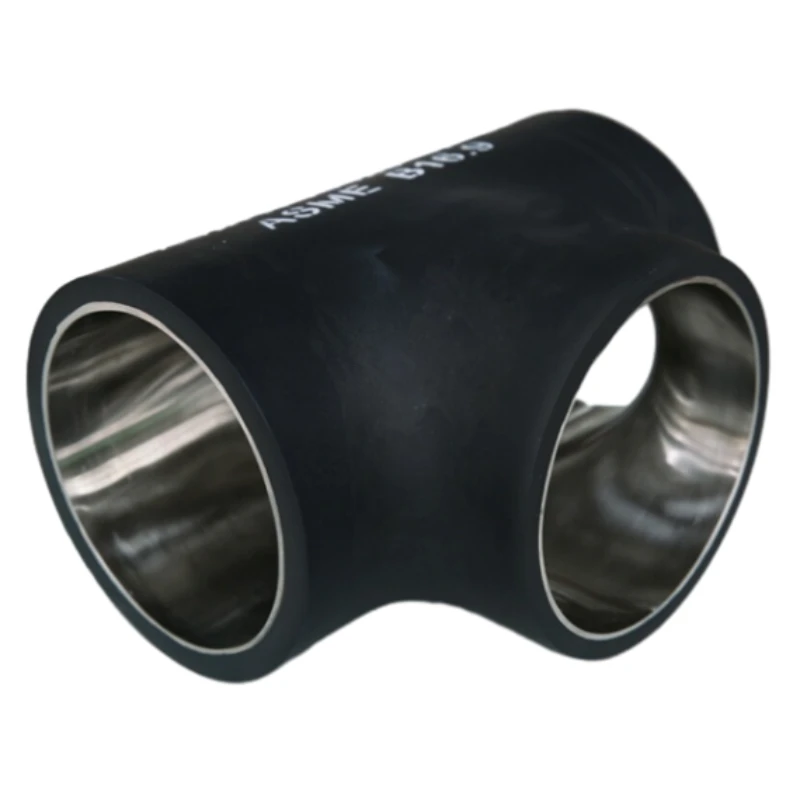
  • Tee Pipe

    Tee Pipe

    Tee products are essential pipe fittings used to connect three sections of piping, forming a "T" shape. Available in various materials like carbon steel, stainless steel, and alloy steel, they are designed for use in systems requiring the diversion or junction of fluid flow.
    VIEW ALL
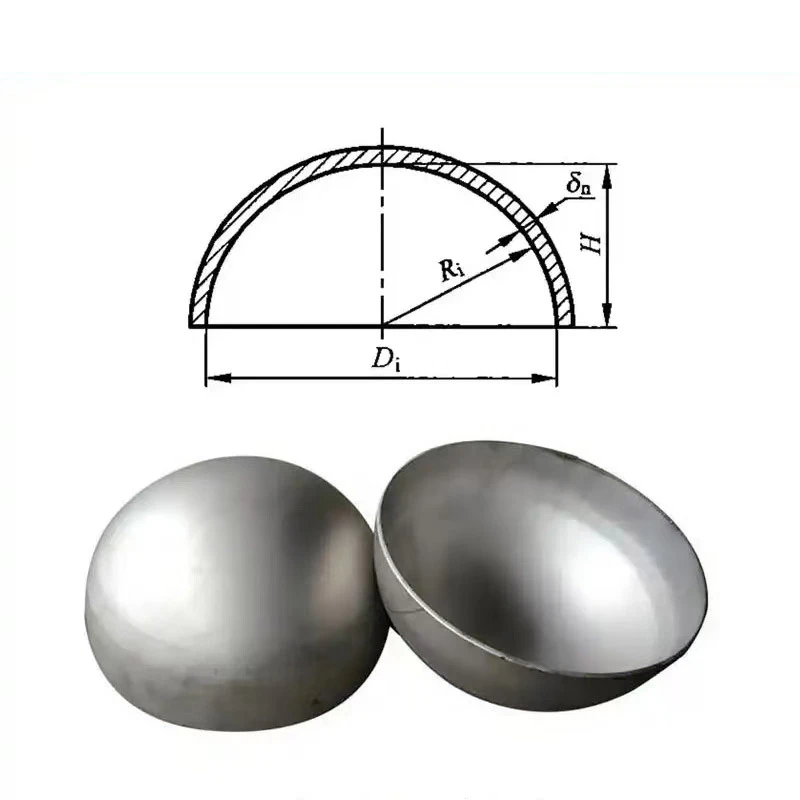
  • Pipe Cap

    Pipe Cap

    Pipe caps come in different shapes, including round, square, and oval, and can be designed for both threaded and welded connections. They ensure the integrity of piping systems during transportation, storage, and installation by protecting the pipe ends from dirt, debris, and environmental factors. Durable and easy to install, pipe caps are critical for maintaining system efficiency and safety.
    VIEW ALL
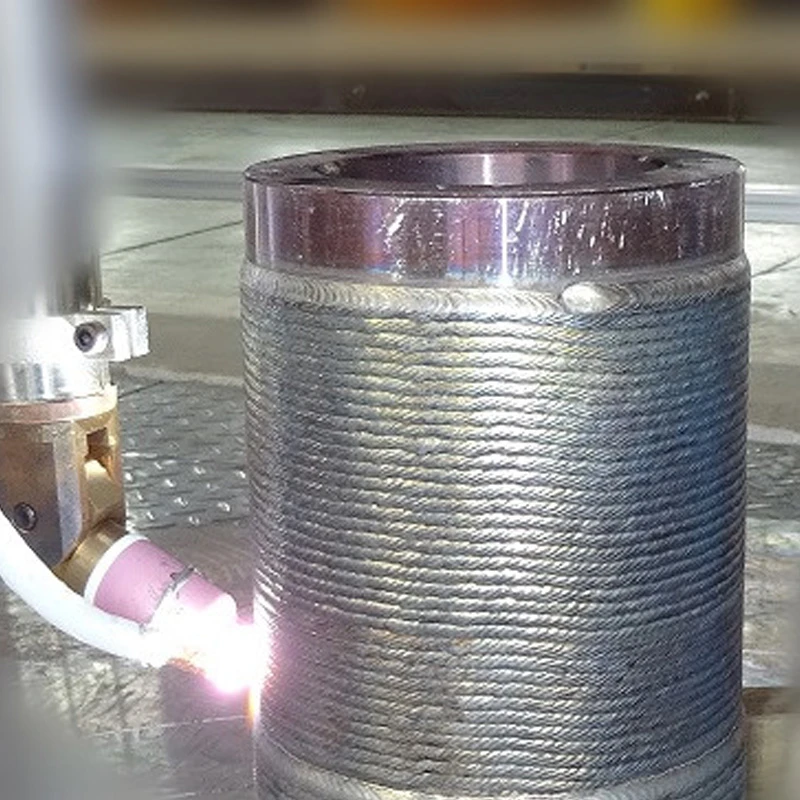
  • Overlay Welding Clad Steel Pipe

    Overlay Welding Clad Steel Pipe

    Overlay Welding clad Steel Pipe features a high-performance welded overlay that enhances the pipe’s surface properties, providing superior resistance to corrosion, erosion, and wear. This process involves applying a wear-resistant alloy layer over a strong steel base, making it ideal for industries such as oil and gas, mining, and chemical processing, where pipes are exposed to harsh conditions. The overlay ensures extended service life, reduced maintenance costs, and reliable performance even in extreme environments. With its combination of strength, durability, and corrosion resistance, the Overlay Welding Steel Pipe is a trusted solution for critical applications.
    VIEW ALL
To create value for customers!
Cangzhou Leo Technology Co., Ltd. is located in Mengcun County Economic Development Zone, Cangzhou City, Hebei Province. It is a specialized high-tech enterprise that integrates the research and development, production, and sales of composite pipes and fittings.
News
The company regards product quality as the life of the enterprise, establishes a sound quality management system in accordance with the requirements of industry and national standards, controls all aspects of input and output in the whole process, pays attention to every detail, and ensures that the product delivery pass rate is 100%.
SS Pipe Cap FAQ: Fit, Connections, Materials and Uses

SS Pipe Cap FAQ: Fit, Connections, Materials and Uses

Get direct answers about ss pipe cap materials, threaded or welded connections, shapes, DN and NPS sizes, schedules, uses, and associated standards.
Mechanical Steel Pipe Comparison: Materials, Standards and Supplier Documentation

Mechanical Steel Pipe Comparison: Materials, Standards and Supplier Documentation

Compare two mechanical steel pipe options by materials, API 5LD and DNV OS F101 references, applications, bonding descriptions and supplier documentation.
Choosing an SS Bend Pipe: Application Fit and Specification Checks

Choosing an SS Bend Pipe: Application Fit and Specification Checks

Learn how to choose the right ss bend pipe for your piping system. This guide covers material grade, bend angle, radius, pressure rating, and applicable standards to help procurement teams specify stainless steel bend pipes with confidence.
High Performance Sink Pipe Steel Guide for Industrial Piping

High Performance Sink Pipe Steel Guide for Industrial Piping

High-Performance Sink Pipe Steel: The Ultimate Guide to Industrial Piping In the demanding world of industrial manufacturing and pressure vessel construction, the selection of materials for piping systems is critical. Utilizing high-quality sink pipe steel ensures that systems can withstand extreme pressures, corrosive media, and mechanical stress. Whether it is for chemical processing, oil and gas, or construction, the right steel grade and fitting geometry can mean the difference between seamless operation and costly system failure. This guide explores the technical nuances of steel elbows and specialized clad materials designed for the most rigorous environments.
Ultimate Guide to Industrial Seamless Steel Pipe for Piping

Ultimate Guide to Industrial Seamless Steel Pipe for Piping

In the realm of modern industrial infrastructure, the integrity of piping systems is non-negotiable. The seamless steel pipe stands as the gold standard for transporting high-pressure fluids and gases. Unlike welded alternatives, seamless pipes are manufactured without a longitudinal seam, eliminating the most common point of failure and ensuring superior structural consistency. This makes them indispensable in sectors where safety and reliability are paramount, such as petroleum, nuclear power, and thermal energy. In this comprehensive guide, we will explore the technical advantages, material specifications, and critical applications of these high-performance components to help you make an informed procurement decision.
High Performance Seamless Steel Pipes for Industrial Piping

High Performance Seamless Steel Pipes for Industrial Piping

In the world of industrial fluid transportation and pressure vessel manufacturing, the choice of piping material can determine the safety and longevity of an entire system. Seamless steel pipes are engineered to withstand extreme conditions without the risk of weld-line failure, making them the gold standard for high-pressure environments. From oil and gas pipelines to hydraulic systems, these pipes offer unmatched structural integrity. In this comprehensive guide, we will explore the technical specifications, benefits, and diverse applications of carbon seamless steel solutions to help you make an informed procurement decision for your next engineering project.
tel email tel top

If you are interested in our products, you can choose to leave your information here, and we will be in touch with you shortly.