32mm metal pipe is a versatile material widely used across various industries, from plumbing and construction to industrial applications. Its durability, strength, and resistance to corrosion make it a preferred choice for fluid and gas conveyance. At Lion Pipeline, we specialize in providing high-quality 32mm metal pipe solutions tailored to your specific needs. This article will delve into the properties, applications, and benefits of using 32mm metal pipe, helping you understand why it’s a reliable solution for your projects.
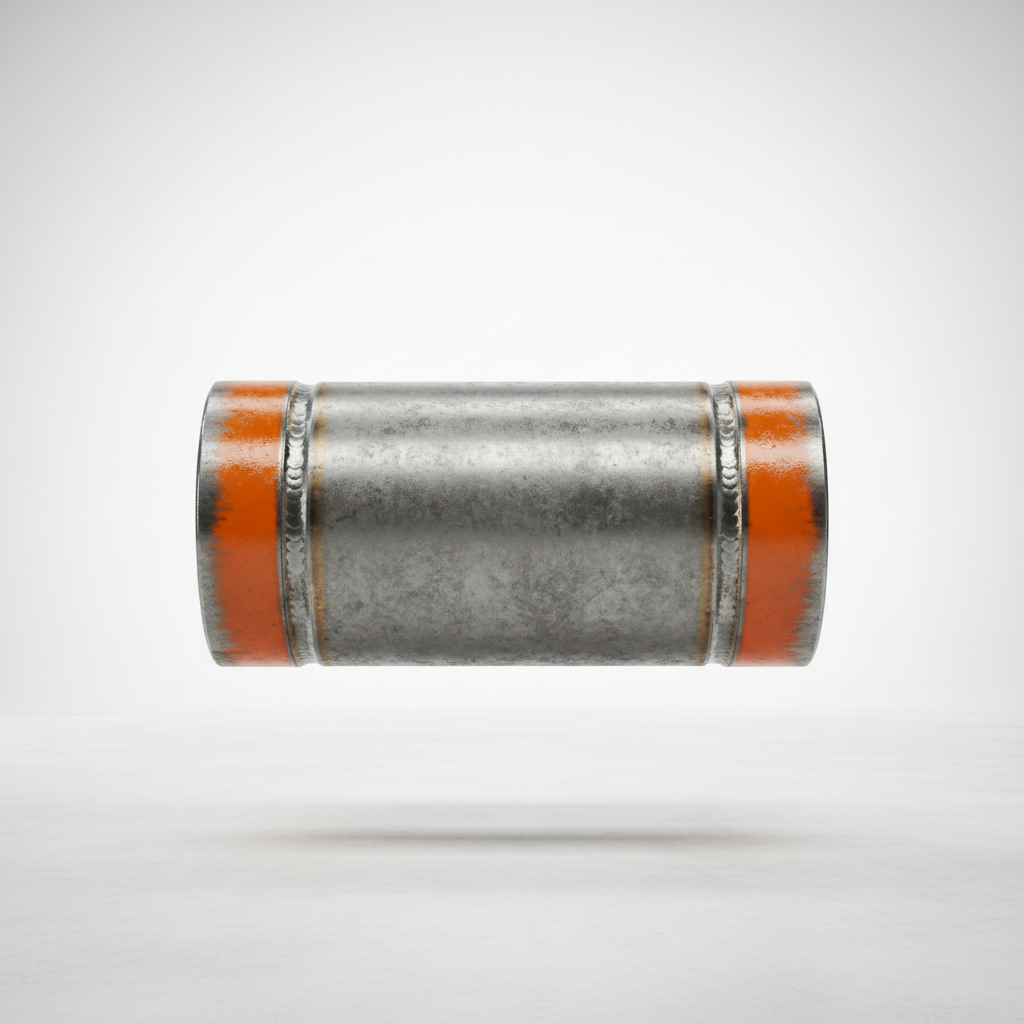
32mm metal pipe, typically constructed from steel (carbon steel, stainless steel), possesses several crucial properties. These include high tensile strength, allowing it to withstand significant pressure; excellent durability, ensuring a long service life; and inherent resistance to extreme temperatures. Furthermore, metal pipes offer superior resistance to impacts and abrasion compared to many plastic alternatives. The material’s impermeability prevents leakage and contamination, crucial in applications requiring the transport of potable water or sensitive fluids. Different alloys offer enhanced resistance to corrosion depending on the intended application.
The 32mm diameter makes this pipe size particularly suitable for a range of applications. It's frequently used in residential and commercial plumbing systems for water supply lines, and drainage. In industrial settings, it serves as conduit for compressed air, hydraulic fluids, and various gases. The pipe's robust nature also makes it a common choice for structural supports in construction projects, and in fire sprinkler systems where reliability is paramount. We at Lion Pipeline offer customized solutions for these diverse application needs.
When selecting pipe materials, understanding the differences between metal and alternatives is key. Metal pipes generally outperform plastic options in terms of strength, temperature resistance, and longevity. While plastic pipes are often lighter and more cost-effective initially, they can be susceptible to degradation from UV exposure and certain chemicals. Here's a comparative overview:
The specific metal alloy chosen for your 32mm pipe significantly impacts its performance and longevity. Carbon steel is a cost-effective option suitable for many general applications. However, for corrosive environments, stainless steel (grades 304, 316) provides superior resistance. Galvanized steel offers a protective zinc coating to prevent rust, making it suitable for outdoor applications. At Lion Pipeline, we can guide you in selecting the optimal material based on your project's specific requirements.
Our 32mm metal pipes adhere to stringent industry standards, including ASTM and EN specifications, ensuring quality and reliability. Wall thickness is a crucial parameter, typically ranging from Schedule 40 to Schedule 80, influencing the pipe’s pressure-bearing capacity. We offer various finishes, including plain end, threaded end, and welded pipe. The material certifications are readily available upon request.
Selecting the right 32mm metal pipe is crucial for ensuring the safety, efficiency, and longevity of your projects. Lion Pipeline offers a comprehensive range of high-quality 32mm metal pipes, expert guidance, and customized solutions to meet your specific needs. Contact us today to discuss your requirements and discover how we can help you achieve optimal results.
The lifespan of 32mm metal pipe depends on the material, environmental conditions, and the nature of the fluid or gas being conveyed. With proper maintenance and protection against corrosion, a carbon steel pipe can last for 20-50 years. Stainless steel pipes generally have a significantly longer lifespan, often exceeding 50 years. Regular inspections and preventative measures, such as applying protective coatings, can extend the lifespan of any metal pipe. It’s essential to choose the right material for your specific application to maximize longevity.
Several methods can be used to join 32mm metal pipes, including welding, threading, soldering, and using compression fittings. Welding provides the strongest and most permanent joint but requires skilled welders. Threading is a common method for creating removable connections. Soldering is suitable for lower-pressure applications. Compression fittings offer a convenient and reliable connection without the need for soldering or welding. The best method depends on the application, material, and desired level of permanence.
Corrosion can significantly reduce the lifespan and integrity of 32mm metal pipes. Factors like humidity, exposure to chemicals, and electrolytic reactions can accelerate corrosion. Preventative measures include using corrosion-resistant materials like stainless steel, applying protective coatings (e.g., galvanizing, epoxy coatings), implementing cathodic protection systems, and regularly inspecting the pipes for signs of corrosion. Proper insulation can also help prevent condensation, reducing the risk of corrosion.
Yes, but it’s crucial to use materials specifically certified for potable water applications. Stainless steel (304, 316) and certain types of galvanized steel are commonly used for potable water systems, as they don’t leach harmful substances into the water. Carbon steel pipes used for potable water must be internally lined with a protective coating approved for drinking water contact. It's essential to comply with local plumbing codes and regulations when using metal pipes for potable water systems.
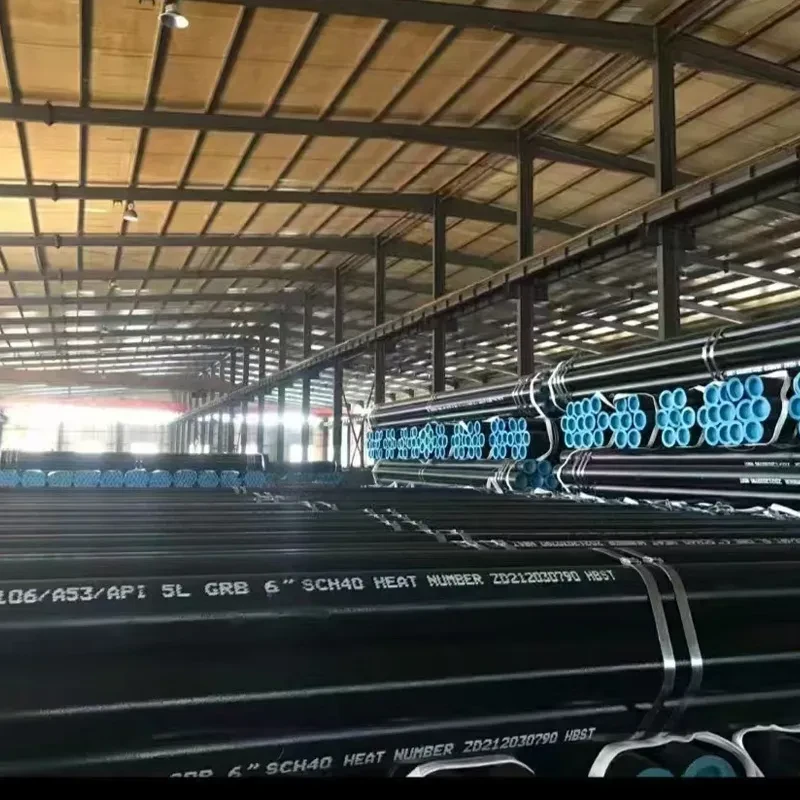
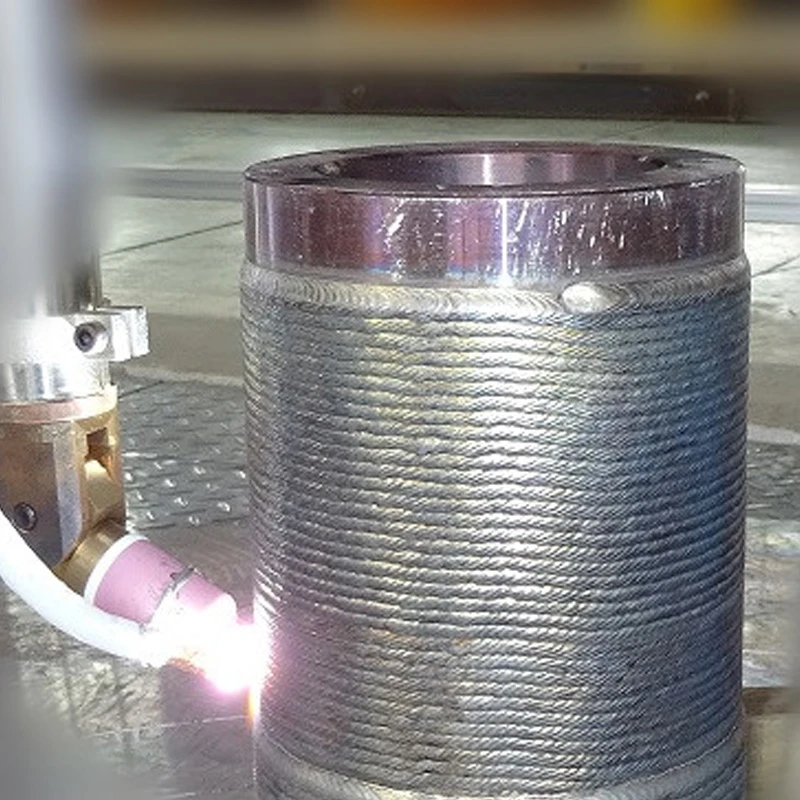
Overlay Welding Clad Steel Pipe
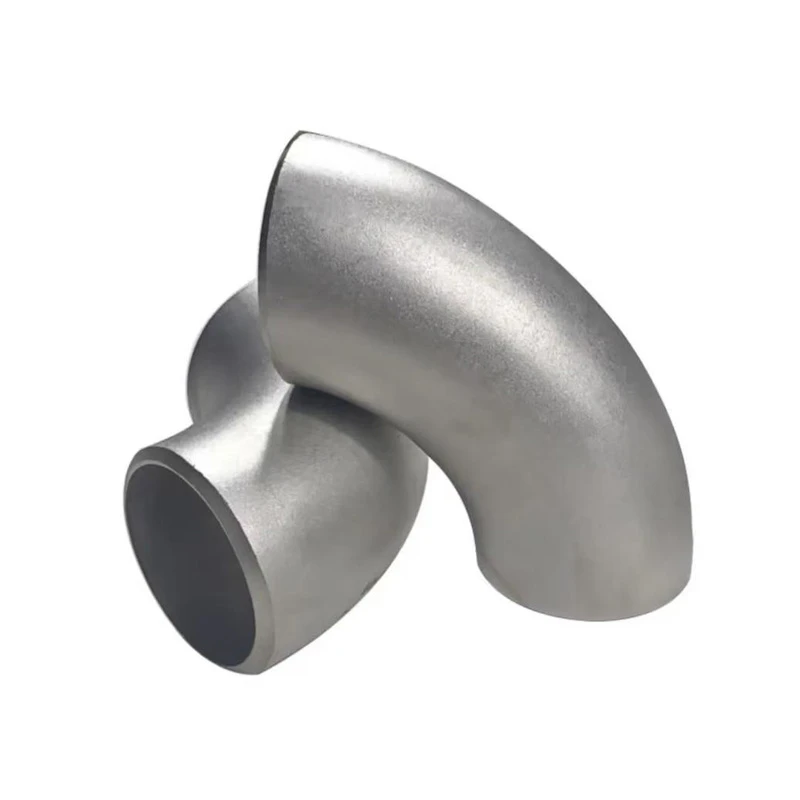
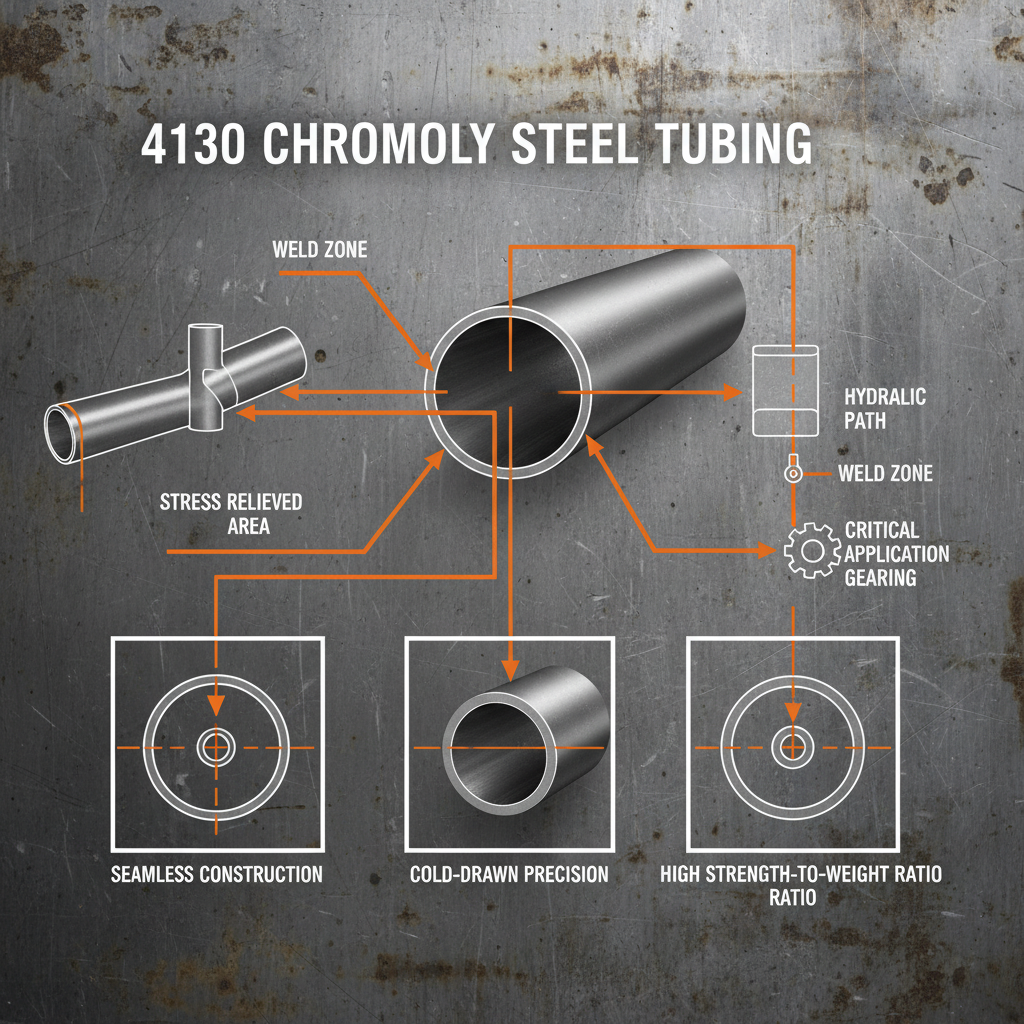
Ultimate Guide to 4130 Tubing Strength Performance and Applications
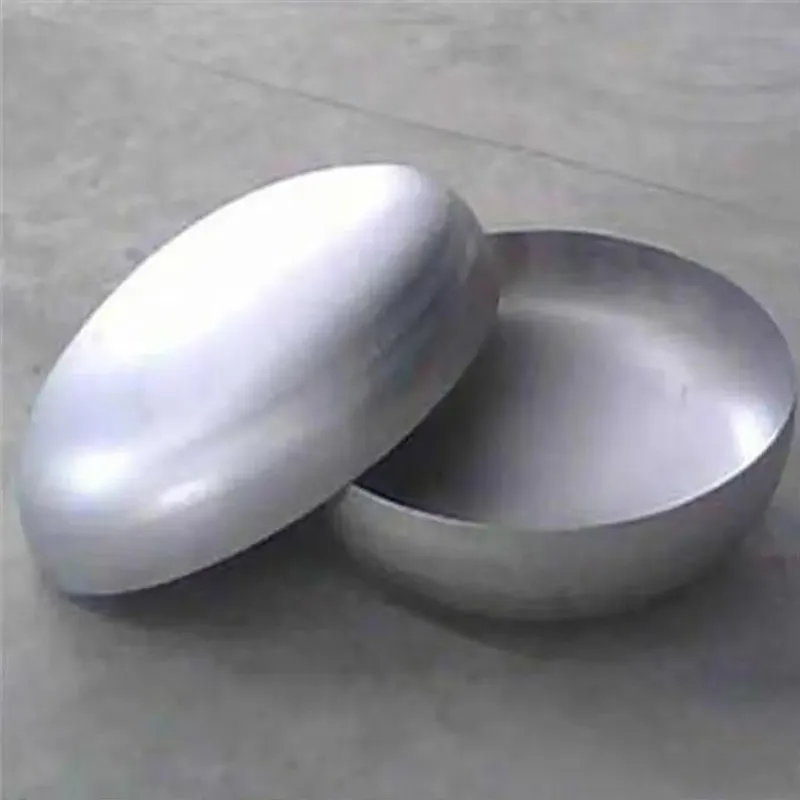
Pipe Cap-Cangzhou Lion Technology Co., Ltd.|Enhancing System Efficiency&Durability
Pipe Cap-Cangzhou Lion Technology Co., Ltd.|Enhancing System Efficiency&Durability
Pipe Cap-Cangzhou Lion Technology Co., Ltd.|Enhancing System Efficiency&Durability
Pipe Cap-Cangzhou Lion Technology Co., Ltd.|Enhancing System Efficiency&Durability
Pipe Cap-Cangzhou Lion Technology Co., Ltd.|Enhancing System Efficiency&Durability