The Vital Role of Steelpipes: A Global Perspective
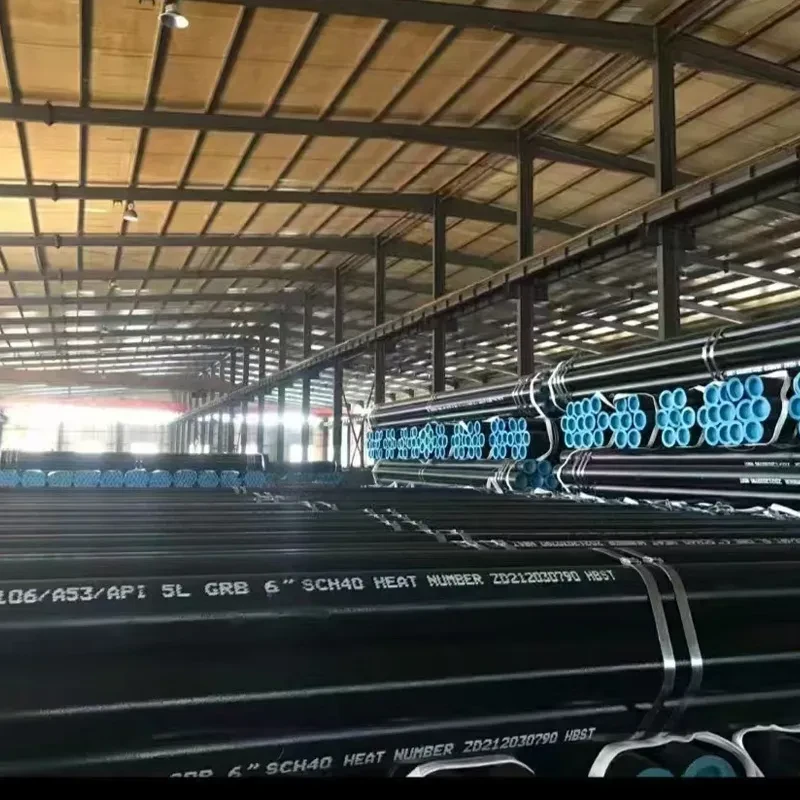
Steelpipes, though perhaps unglamorous, literally shape our modern world—from delivering clean water to safely transporting essential resources like oil and gas. Their strength and flexibility underpin global infrastructure, making them indispensable. Yet, understanding steelpipes isn’t just technical jargon; it’s recognizing a silent backbone sustaining economies, communities, and even humanitarian efforts worldwide.
---
Introduction: Why Steelpipes Matter Globally
Here’s a quick snapshot: Around 90% of global oil and gas transportation relies on pipeline networks, many consisting of steelpipes. According to the International Organization for Standardization (ISO) and studies from the World Bank, the steel pipe industry supports trillions of dollars in infrastructure projects yearly. But it’s not just energy. From water supply to industrial manufacturing, steelpipes are everywhere.
Still, with growing urban populations and climate pressures, pipelines must evolve. Corrosion, maintenance costs, and environmental risks remain challenges. Steelpipes hold promise—as well as some headaches—as emerging economies, especially in Asia and Africa, expand their infrastructure. The need for durable, cost-effective piping solutions is only growing.
Mini takeaway: Steelpipes are at the crossroads of critical global challenges—resource transportation, urban expansion, and sustainable development.
---
What Exactly Are Steelpipes?
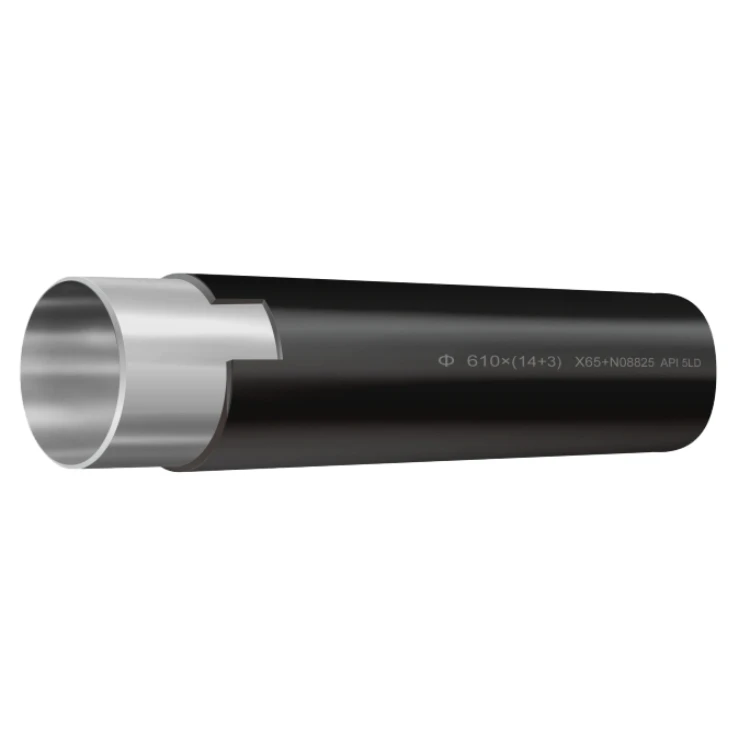
Put simply, steelpipes are hollow cylinder tubes made from steel, designed to transport fluids and gases safely under variable pressure and environmental conditions. Unlike simple tubes you find in everyday products, steelpipes used in industry must meet rigorous standards for thickness, durability, and resistance to elements.
They connect modern industry with humanitarian needs—think of clean water projects in developing countries or emergency oil transport in remote areas. Without steelpipes, these essential services would falter.
---
Core Attributes of Steelpipes
1. Durability
Steelpipes excel because of their outstanding resistance against mechanical stresses and environmental degradation. Many engineers emphasize that quality steelpipes last decades even underground, resisting corrosion with proper coatings.
2. Versatility
Whether it’s transporting drinking water or highly corrosive chemicals, steelpipes adapt. Sizes range from tiny tubes to massive pipelines spanning thousands of kilometers.
3. Cost Efficiency
Although initial investment may be higher compared to plastic alternatives, steelpipes reduce maintenance expenses in the long run, especially in critical infrastructure.
4. Scalability
Expanding pipelines or grids can be done with relative ease, making steelpipes suited for growing urban centers.
5. Safety
Their robust structure puts public safety first by minimizing leakages or bursts—vital for hazardous material transport.
Mini takeaway: These factors combine to make steelpipes more than just pipes; they’re strategic assets in infrastructure planning.
---
Typical Applications Around the World
Steelpipes play starring roles in regions and sectors you might expect—and some surprises too. For example:
- Middle East & Russia: Oil and gas pipelines here stretch across tough terrains, relying heavily on custom-grade steelpipes to handle extreme conditions.
- Europe: Aging infrastructure is being retrofitted with improved steelpipe materials designed for sustainability and lower environmental impact.
- North America: Drinking water systems use galvanized steelpipes to meet strict health codes.
- Sub-Saharan Africa: NGOs and governments deploy steelpipes to improve rural water access—sometimes in rapid post-disaster setups.
- Industrial Zones in Asia: Steelpipes manage everything from steam delivery to chemical processing in massive factories.
Here’s a practical snippet: In post-disaster relief, quick deployment of steelpipe water systems can restore normalcy much faster than waiting for plastic pipe supplies—steelpipe welding and joining tools are often standard in emergency kits.
---
Steelpipes Specification Table
| Specification |
Typical Range |
Notes |
| Diameter |
6 mm – 2400 mm |
From small tubes to large transmission pipelines |
| Thickness |
1 mm – 40 mm |
Depends on pressure and type of fluid |
| Material Grade |
ASTM A53, API 5L, EN 10255 |
Common international standards |
| Coating |
Galvanized, Epoxy, Polyethylene |
Protects against corrosion |
| Max Pressure |
Up to 25 MPa (megapascals) |
Varies by pipe design and application |
---
Comparing Steelpipe Vendors: What to Look For
| Vendor |
Material Quality |
Certification |
Customization |
Lead Time |
Price Range |
| Alpha Steel |
High-grade ASTM A53 |
ISO 9001, API |
Fully customizable |
4-6 weeks |
$$$ |
| Beta Pipes Inc. |
Standard EN 10255 |
ISO 14001 |
Limited options |
3-5 weeks |
$$ |
| Gamma Steelworks |
Custom alloys available |
API 5L, ISO 9001 |
High flexibility |
6-8 weeks |
$$$$ |
---
Advantages & Long-Term Value of Steelpipes
Frankly, the long game with steelpipes is where the magic happens. When you invest in high-quality steelpipe infrastructure, you’re not just paying for materials; you’re essentially buying decades of reduced maintenance headaches, fewer repairs, and critical safety loss prevention.
There’s also a less quantifiable but equally vital aspect—trust. For communities relying on clean water or industries transporting hazardous chemicals, the integrity of steelpipes supports health, dignity, and peace of mind.
Sustainability too is creeping in. More manufacturers now produce steelpipes with recycled content and coatings that extend lifecycle, reducing environmental impact overall.
---
Looking Ahead: The Future of Steelpipes
Keeping pace with climate goals, there’s rising interest in integrating smart pipelines—embedded sensors and IoT (Internet of Things) technologies that detect leaks, pressure changes, or corrosion in real-time. Automation for welding and quality control is maturing too.
Materials innovation moves steadily forward. Ultra-high-strength steels and corrosion-resistant alloys are slowly replacing older grades in critical pipelines, especially with hydrogen gas pipelines proposed in Europe and Asia.
Moreover, governments and international bodies are standardizing stricter certifications for steelpipes aimed at sustainability and resilience. It feels like steelpipes are not only pipes anymore but part of a smarter, greener infrastructure ecosystem.
---
Challenges in Steelpipe Usage & How Experts Overcome Them
No product is perfect, right? For steelpipes, challenges like corrosion, installation costs, and supply chain disruptions can slow projects or balloon budgets.
One clever workaround: using composite coatings combining polymers and metals for longer protection. Plus, modular pipeline designs allow phased installation, making scaling less daunting.
Experts also stress the value of ongoing monitoring. Digital inspection drones and robotic crawlers in pipes reduce inspection costs and unforeseen failures.
Innovation in procurement, like local manufacturing partnerships, improve resilience against shipping delays—a lesson learned amid recent global disruptions.
---
FAQ: Common Questions About Steelpipes
- Q: How do steelpipes compare to plastic pipes in terms of durability?
Steelpipes generally last longer under higher pressures and temperatures. Plastic pipes are lighter and cheaper initially but can degrade faster in harsh conditions. Steelpipe longevity often justifies the upfront investment.
- Q: Can steelpipes be used in drinking water systems safely?
Yes, when properly coated or galvanized to prevent rusting, steelpipes are widely used for potable water. Adequate maintenance and quality certification are key to ensuring safety.
- Q: What are the common causes of steelpipe corrosion?
Exposure to moisture, chemical contaminants, and underground soil conditions are typical culprits. Protective coatings and cathodic protection systems help mitigate these risks.
- Q: How quickly can steelpipe infrastructure be deployed in emergency situations?
With prefabricated sections and standardized fittings, deployment can be expedited—sometimes within days—especially with ready teams familiar with welding and joining.
- Q: Are steelpipes recyclable?
Absolutely. Steel is one of the most recycled materials globally, and steelpipes can be melted down and repurposed, making them environmentally friendly over lifecycle.
---
Conclusion & Next Steps
Steelpipes quietly anchor many of the systems we depend on daily—from fueling economies to bringing life-giving water to communities. Their durability, adaptability, and growing integration with smart tech mean they’ll remain essential for years to come.
Interested in exploring high-quality, customizable
steelpipes for your project? Check out our comprehensive solutions, certifications, and client stories at Lion Pipeline to see why many industries trust us.
---
A small reflection: It’s easy to overlook the pipes beneath our feet, but when you dive in, it’s fascinating how something so “simple” tangibly supports billions of lives.
References:
- Wikipedia: Steel pipe
- ISO Standards for Steel Pipes
- World Bank Infrastructure Data