tel
Email
to top

Structural Steel Pipe: Durable & Cost-Effective Solutions for Modern Infrastructure

Dec 13 2025
share:

Structural Steel Pipe: The Backbone of Modern Industry and Infrastructure

Structural steel pipe, at first glance, might sound like just another industrial component. But in reality, it plays a critical role in shaping cities, supporting energy projects, and even aiding humanitarian efforts globally. From skyscrapers to oil pipelines and temporary disaster shelters, understanding this material isn’t just for engineers—it’s for anyone curious about how our world stays built and connected.

Why Should You Care About Structural Steel Pipes?

Globally, the demand for robust, versatile, and cost-effective building materials remains high. According to the International Organization for Standardization (ISO), steel consumption continues to grow steadily, driven by infrastructure developments and industrial expansion. Structural steel pipes serve as a foundation here — they address challenges like durability, efficiency, and scalability in construction and manufacturing.

In short, they help solve the age-old problem of combining strength with flexibility, meaning safer buildings, more reliable pipelines, and faster setup times for temporary structures. Frankly, without advances in steel piping, a lot of modern feats would look very different.

What Are Structural Steel Pipes, Really?

Put simply, a structural steel pipe is a hollow cylindrical section made from rolled steel, designed to bear loads and stresses in construction or industrial applications. Unlike pipes used solely for fluid transport, these are specifically engineered to support weight and resist mechanical forces.

Think of them as the skeleton beams of many projects—from framing in commercial buildings to utility poles and large-scale scaffolding. Their combination of strength, light weight (compared to solid steel bars), and corrosion resistance makes them invaluable both for everyday buildings and for emergency infrastructure.

How Structural Steel Pipes Connect to Broader Industry Needs

Beyond their mechanical roles, they meet humanitarian needs too. In post-disaster zones where roads and bridges are destroyed, lightweight steel pipes allow quick replacement of critical frameworks, enabling urgent shelter and services to be re-established.

The fact that steel pipes are recyclable adds another layer of importance as industries push toward sustainability. They’re not a mere component but rather a piece of a broader socio-economic ecosystem.

Core Aspects of Structural Steel Pipe

1. Durability & Strength

Structural steel pipes handle significant stress thanks to their material properties and cross-sectional design. Many engineers praise mild steel's balance of tensile strength and ductility, making it resilient in both tension and compression applications.

2. Scalability & Versatility

They come in varying diameters, thicknesses, and lengths, suitable for everything from tiny handrails to massive bridge supports. This means architects and builders can adapt steel pipes flexibly to their project's scale.

3. Cost Efficiency

Compared to solid beams or custom-fabricated structures, steel pipes offer excellent strength-to-cost ratios. Their hollow form reduces material needed, trimming both weight and price, which is crucial in budget-conscious projects.

4. Corrosion Resistance & Maintenance

With proper coatings or galvanized finishes, steel pipes resist rust and last decades in harsh environments—key for pipelines or outdoor applications.

5. Ease of Transportation & Installation

Lighter than equivalent solid metal bars and often delivered in modular sections, structural steel pipes speed up onsite assembly and reduce logistical headaches.

Mini Takeaway

Structural steel pipes aren’t just durable and versatile—they’re pragmatically built for the demands of modern construction and emergency response alike. Their clever design balances cost, strength, and service life in ways that often go unnoticed but are absolutely essential.

Global Applications & Real-World Examples

Such pipes have found their place worldwide:

  • Infrastructure: In Asia and Europe, steel pipes form the backbone of elevated highways and railway bridges, where long spans require reliable load-bearing components.
  • Energy Sector: The Middle East and North America extensively use structural steel pipes in oil and gas platforms, refining plants, and pipelines.
  • Emergency & Humanitarian Aid: In regions prone to natural disasters—like Southeast Asia or the Caribbean—steel pipe frameworks enable fast-assembled shelters and temporary hospitals.
  • Industrial Plants: Steel pipes are foundational in factories and warehouses, supporting roofs, mezzanines, and heavy equipment.

For example, after the 2010 Haiti earthquake, relief organizations quickly erected steel pipe frame shelters to address urgent housing needs—highlighting not only practicality but also social value in post-disaster recovery.

Advantages & Long-Term Value of Structural Steel Pipes

The benefits are both tangible and nuanced:

  • Financial: Reduced costs in material, transportation, and labor thanks to lightweight and modular aspects.
  • Environmental: Recyclability and long lifespan lower ecological footprints.
  • Safety: Structural integrity improves building resilience during earthquakes, storms, and heavy loads, providing peace of mind for occupants.
  • Social Impact: Facilitates rapid infrastructure restoration post-crisis, promoting dignity and hope.

It’s odd how a simple pipe can carry so much meaning when you think about human safety and economic growth. They’re quiet enablers of innovation, trust, and resilience.

Product Specification Table: Typical Structural Steel Pipe Characteristics

Specification Typical Range Unit
Outer Diameter 21 - 610 mm
Wall Thickness 2.0 - 25 mm
Yield Strength 250 - 350 MPa
Length 6 - 12 meters
Finish Galvanized / Painted -

Leading Vendors Compared: Structural Steel Pipe Suppliers

Vendor Global Reach Product Range Sustainability Initiatives Typical Lead Time
Lion Pipeline Inc. Worldwide 100+ diameters & grades Recycled content, ISO 14001 4–6 weeks
SteelWorks Global Asia, Europe Wide, including specialty alloys Energy-efficient production 3–5 weeks
Metro Pipe Solutions North America Standard diameters & custom cuts Waste reduction programs 2–4 weeks

Emerging Trends & The Future of Structural Steel Pipe

The sector isn’t standing still. Advances in metallurgy and manufacturing mean steel pipes are becoming lighter, stronger, and more sustainable. For example, using higher strength low-alloy steels reduces material needs, while new coatings improve corrosion protection without toxic chemicals.

Digital transformation impacts the supply chain too. Many vendors now use automated cutting and inspection tools combined with AI demand forecasting, trimming waste and lead times.

On the policy side, global initiatives encouraging green infrastructure and circular economies mean steel pipes must meet stricter carbon footprint standards—something manufacturers are actively working on.

Challenges & Smart Approaches

Despite all advantages, there are hurdles. Corrosion in really harsh climates, transportation logistics to remote areas, and sometimes regulatory red tape slow deployment. However, solutions range from new polymer linings to optimized packaging and even modular manufacturing closer to sites.

Many experts suggest closer collaboration across supply chains and upfront planning to avoid surprises during construction. To me, it feels like the difference between rushing a build and sewing a well-tailored suit.

FAQs About Structural Steel Pipe

Q1: How do structural steel pipes differ from regular steel pipes?

A1: Structural steel pipes are specifically designed to handle mechanical loads such as weight, tension, and pressure in construction and frameworks. Regular steel pipes might only be intended for fluid conveyance and may lack the structural certifications or thickness needed for load-bearing uses.

Q2: What factors influence the choice of steel pipe diameter and thickness?

A2: The required load, environmental conditions, and intended application mainly determine size. For example, a pipeline carrying gas under pressure needs thicker walls, while scaffolding components might prioritize weight savings with thinner pipes.

Q3: Are structural steel pipes environmentally friendly?

A3: Yes, they are highly recyclable. Many manufacturers use recycled steel, and the long lifespan reduces replacement frequency, cutting overall environmental impact.

Q4: Can structural steel pipes be used in disaster relief shelters?

A4: Absolutely. Their ease of transport, strength, and modular sizing make them ideal for rapid deployment in emergency housing and medical facility frames.

Q5: What standards should I look for when purchasing structural steel pipes?

A5: Look for compliance with ASTM, ISO, or EN standards relevant to structural steel. Certifications ensure the pipes meet mechanical and chemical requirements suitable for your specific project needs.

In Closing: Why Structural Steel Pipe Matters Now and Tomorrow

Structural steel pipes might hide in plain sight, but their role is pivotal from a global, industry, and humanitarian perspective. Cost-effective, durable, and flexible, they keep buildings safe, infrastructure reliable, and emergency responses fast.

Curious to explore more about their capabilities or find trusted vendors? Visit our website at https://www.lion-pipeline.com and get started on your next structural project with confidence.
References

  1. Wikipedia: Steel Tube
  2. International Organization for Standardization (ISO)
  3. World Bank: Urban Development
  • Tee Pipe

    Tee Pipe

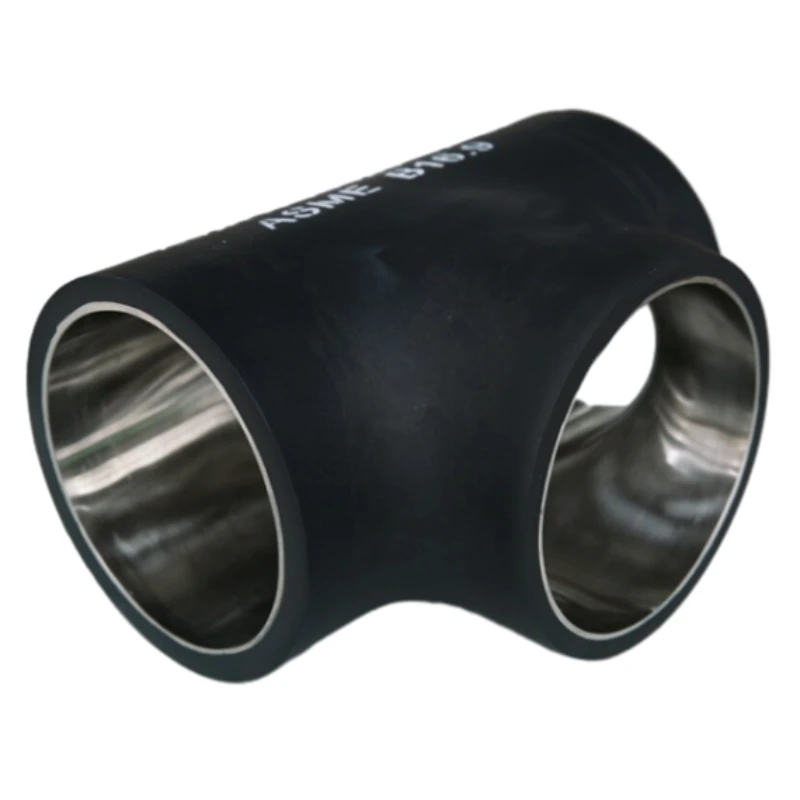
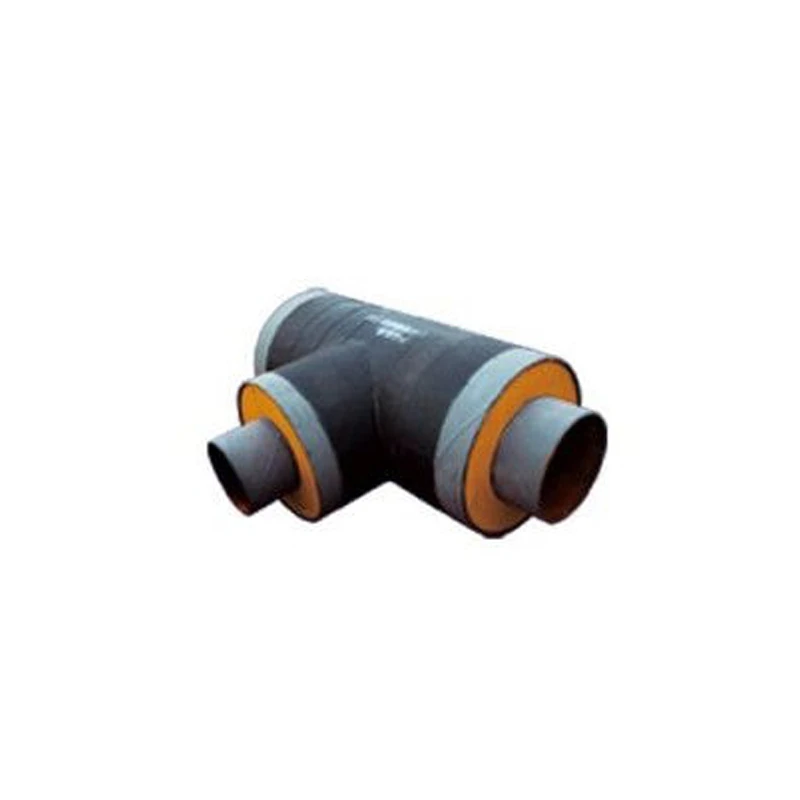
    Tee products are essential pipe fittings used to connect three sections of piping, forming a "T" shape. Available in various materials like carbon steel, stainless steel, and alloy steel, they are designed for use in systems requiring the diversion or junction of fluid flow.
    VIEW ALL
  • Laser Clad  Pipe

    Laser Clad Pipe

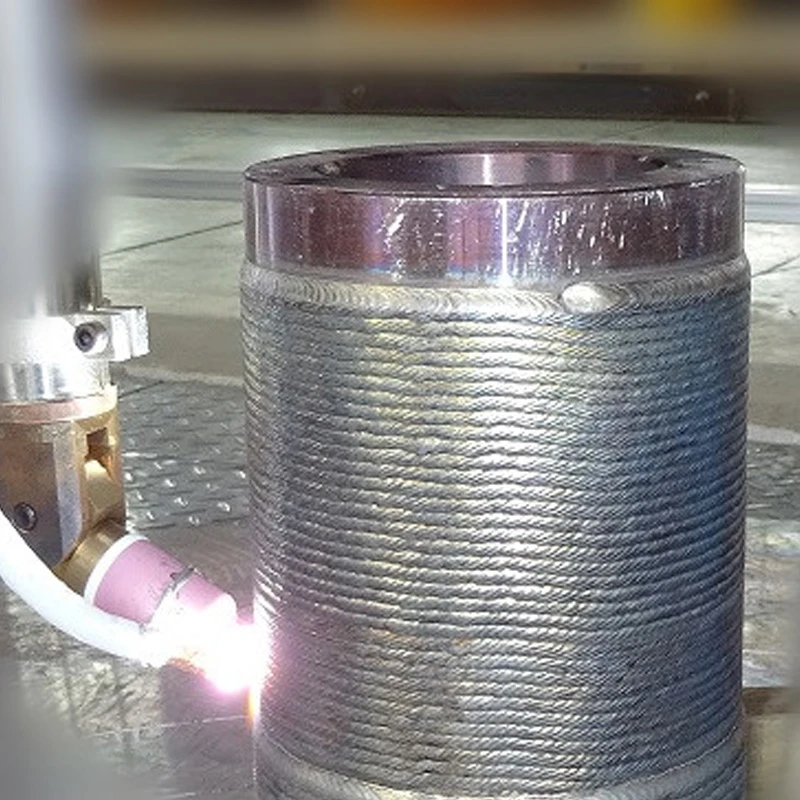
    Laser clad steel pipes are manufactured using laser cladding technology. This technology involves adding cladding material to the surface of ordinary steel pipe base material, using high-energy-density laser beams to fuse the cladding material with the steel pipe surface, forming a metallurgically bonded cladding layer. These pipes are generally used in compressed air energy storage projects as underground deep well transportation pipes or casings, as well as in oil, natural gas, and geothermal well extraction.
    VIEW ALL
  • Flange

    Flange

    Flange Product Introduction Flanges are used to connect pipes to pipes or pipes to equipment, ensuring a sealed and stable connection. They prevent fluid leakage and can withstand certain pressures and stresses, ensuring reliable connections. Flange nominal diameters range from DN15-DN2000 and beyond, covering various pipeline connection needs. Flanges primarily adhere to international standards such as ASME B16.5-2020, ASME B16.47-2020, and API 6A-2018.
    VIEW ALL
To create value for customers!
Cangzhou Leo Technology Co., Ltd. is located in Mengcun County Economic Development Zone, Cangzhou City, Hebei Province. It is a specialized high-tech enterprise that integrates the research and development, production, and sales of composite pipes and fittings.
News
The company regards product quality as the life of the enterprise, establishes a sound quality management system in accordance with the requirements of industry and national standards, controls all aspects of input and output in the whole process, pays attention to every detail, and ensures that the product delivery pass rate is 100%.
High Performance Sink Pipe Steel Guide for Industrial Piping

High Performance Sink Pipe Steel Guide for Industrial Piping

High-Performance Sink Pipe Steel: The Ultimate Guide to Industrial Piping In the demanding world of industrial manufacturing and pressure vessel construction, the selection of materials for piping systems is critical. Utilizing high-quality sink pipe steel ensures that systems can withstand extreme pressures, corrosive media, and mechanical stress. Whether it is for chemical processing, oil and gas, or construction, the right steel grade and fitting geometry can mean the difference between seamless operation and costly system failure. This guide explores the technical nuances of steel elbows and specialized clad materials designed for the most rigorous environments.
Ultimate Guide to Industrial Seamless Steel Pipe for Piping

Ultimate Guide to Industrial Seamless Steel Pipe for Piping

In the realm of modern industrial infrastructure, the integrity of piping systems is non-negotiable. The seamless steel pipe stands as the gold standard for transporting high-pressure fluids and gases. Unlike welded alternatives, seamless pipes are manufactured without a longitudinal seam, eliminating the most common point of failure and ensuring superior structural consistency. This makes them indispensable in sectors where safety and reliability are paramount, such as petroleum, nuclear power, and thermal energy. In this comprehensive guide, we will explore the technical advantages, material specifications, and critical applications of these high-performance components to help you make an informed procurement decision.
High Performance Seamless Steel Pipes for Industrial Piping

High Performance Seamless Steel Pipes for Industrial Piping

In the world of industrial fluid transportation and pressure vessel manufacturing, the choice of piping material can determine the safety and longevity of an entire system. Seamless steel pipes are engineered to withstand extreme conditions without the risk of weld-line failure, making them the gold standard for high-pressure environments. From oil and gas pipelines to hydraulic systems, these pipes offer unmatched structural integrity. In this comprehensive guide, we will explore the technical specifications, benefits, and diverse applications of carbon seamless steel solutions to help you make an informed procurement decision for your next engineering project.
High Performance Seamless Stainless Steel Pipe for Industrial Use

High Performance Seamless Stainless Steel Pipe for Industrial Use

The Ultimate Guide to Seamless Stainless Steel Pipe for Industrial Applications In the demanding world of oil and gas extraction, particularly in fields characterized by high hydrogen sulfide and carbon dioxide levels, the integrity of transportation infrastructure is critical. While traditional carbon steel often fails due to insufficient corrosion resistance, the seamless stainless steel pipe emerges as a premium solution. By eliminating weld seams, these pipes provide superior structural integrity and a seamless barrier against corrosive media. For industries operating under extreme pressure and chemical aggression, choosing the right piping material is not just about efficiencyit is about safety and long-term economic viability.
Industrial Piping Solutions Using Durable sch 40 steel pipe

Industrial Piping Solutions Using Durable sch 40 steel pipe

Optimizing Industrial Piping with SCH 40 Steel Pipe Solutions In the demanding world of industrial manufacturing and fluid transport, selecting the right piping specification is critical for safety and efficiency. The sch 40 steel pipe serves as a global standard for versatility, balancing wall thickness with internal flow capacity. Whether used in petrochemical plants, marine environments, or construction, this pipe grade provides the structural reliability needed to handle moderate pressures. However, as industries evolve, the integration of advanced technologies like laser cladding is transforming how we enhance these pipes to resist extreme corrosion and wear, extending the lifecycle of critical infrastructure.
Industrial 5 inch steel tubing Guide for High Pressure Systems

Industrial 5 inch steel tubing Guide for High Pressure Systems

The Ultimate Guide to 5 Inch Steel Tubing for Industrial Applications When designing high-pressure piping systems or structural frameworks, selecting the right material dimensions is critical for safety and efficiency. The 5 inch steel tubing serves as a versatile midpoint in industrial piping, offering a perfect balance between flow capacity and structural rigidity. Whether it is used in oil and gas transport, water management, or architectural support, the quality of the steel determines the longevity of the entire project. In this comprehensive guide, we will explore the technical specifications, material grades, and strategic advantages of utilizing this specific tubing size
tel email tel top

If you are interested in our products, you can choose to leave your information here, and we will be in touch with you shortly.