Flange joint types are fundamental components in a vast array of industries, from oil and gas pipelines to power generation and water treatment. Their significance stems from their ability to create secure, leak-proof connections between pipes, valves, pumps, and other equipment. Understanding the nuances of different flange joint types is critical for ensuring operational efficiency, safety, and long-term reliability of critical infrastructure worldwide.
Globally, the demand for robust and reliable flange joint types is driven by factors like increasing industrialization, infrastructure development, and stringent safety regulations. According to the ISO standards, precise specifications are crucial for ensuring compatibility and performance. The ongoing expansion of energy infrastructure, particularly in emerging economies, directly translates to a higher demand for high-quality flange connections.
The proper selection and implementation of flange joint types directly address challenges related to corrosion, pressure containment, and maintenance downtime, all of which have significant economic and environmental consequences. A failure in a flange joint can lead to costly repairs, production losses, and even catastrophic accidents, highlighting the importance of informed decision-making in this area.
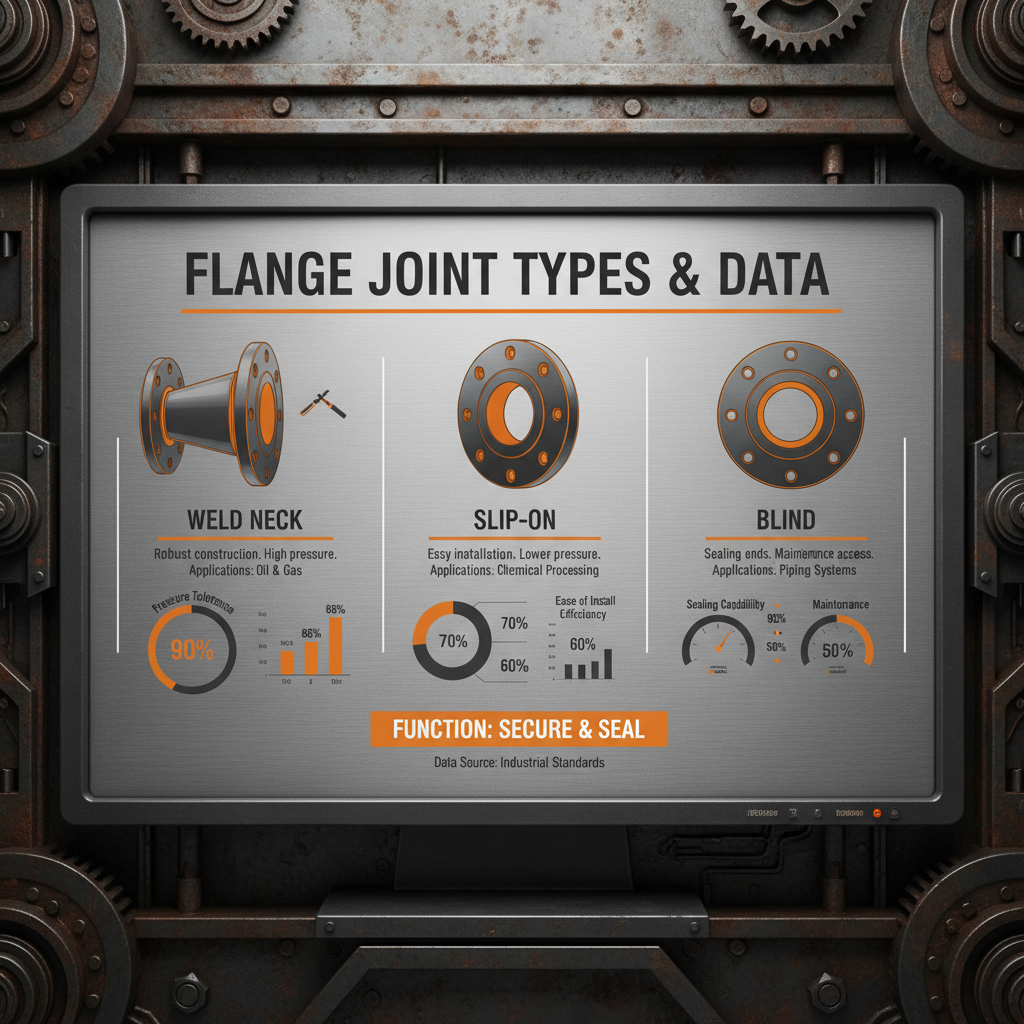
Flange joint types represent a critical intersection of engineering and material science, enabling the safe and efficient transfer of fluids and gases in numerous industrial processes. Their inherent ability to be disassembled for inspection and maintenance is a key advantage over welded connections, reducing downtime and extending operational lifespan.
The selection of the appropriate flange joint type is not simply a matter of cost, but a strategic decision impacting overall system reliability, safety protocols, and long-term economic viability. Ignoring the specific requirements of an application can lead to premature failure, environmental hazards, and significant financial losses.
The most frequent causes include improper bolt tightening, gasket selection mismatch with the fluid and temperature, corrosion, and mechanical stress from pipe misalignment. Regular inspections and adherence to recommended torque specifications are vital for preventing these failures. The correct selection of flange joint types plays a pivotal role.
Inspection frequency depends on the application and operating conditions. Critical systems should be inspected at least annually, while less demanding applications may require inspections every 2-3 years. Any visual signs of leakage, corrosion, or loose bolts warrant immediate investigation. Utilizing non-destructive testing methods can also enhance early detection.
Gasket material is crucial for creating a leak-proof seal between flange faces. The selection must be compatible with the fluid being contained, the operating temperature and pressure, and the flange material. Different materials, like rubber, PTFE, and graphite, offer varying degrees of resistance to chemicals and temperature fluctuations.
Tightening should be done in a star pattern, gradually increasing torque in multiple passes. Using a calibrated torque wrench is essential to achieve the specified torque values without over-tightening, which can damage the flange or gasket. Adhering to manufacturer recommendations is key.
Yes, ring joint gaskets (RTJ) are specifically designed for high-pressure, high-temperature applications. These gaskets are compressed into a groove on the flange face, creating a metallic seal. Other types, like welded flanges, also provide exceptional strength for critical systems.
Corrosion prevention strategies include selecting corrosion-resistant flange and gasket materials, applying protective coatings, using sacrificial anodes, and implementing cathodic protection systems. Regular inspection and maintenance are also essential for identifying and addressing corrosion before it compromises the integrity of the joint.
In conclusion, flange joint types are indispensable components in countless industries, providing reliable and safe connections for critical systems. Understanding the various types, their performance characteristics, and proper maintenance procedures is paramount for ensuring operational efficiency, minimizing risks, and maximizing the longevity of infrastructure. The selection of appropriate flange joint types is not merely a technical detail but a strategic decision impacting overall business success.
Looking ahead, continued innovation in materials, digitalization, and sustainable design will further enhance the performance and reliability of flange joint types. Investing in proper training, adhering to industry standards, and embracing proactive maintenance practices are essential for unlocking the full potential of these critical components and building a more resilient and sustainable future.