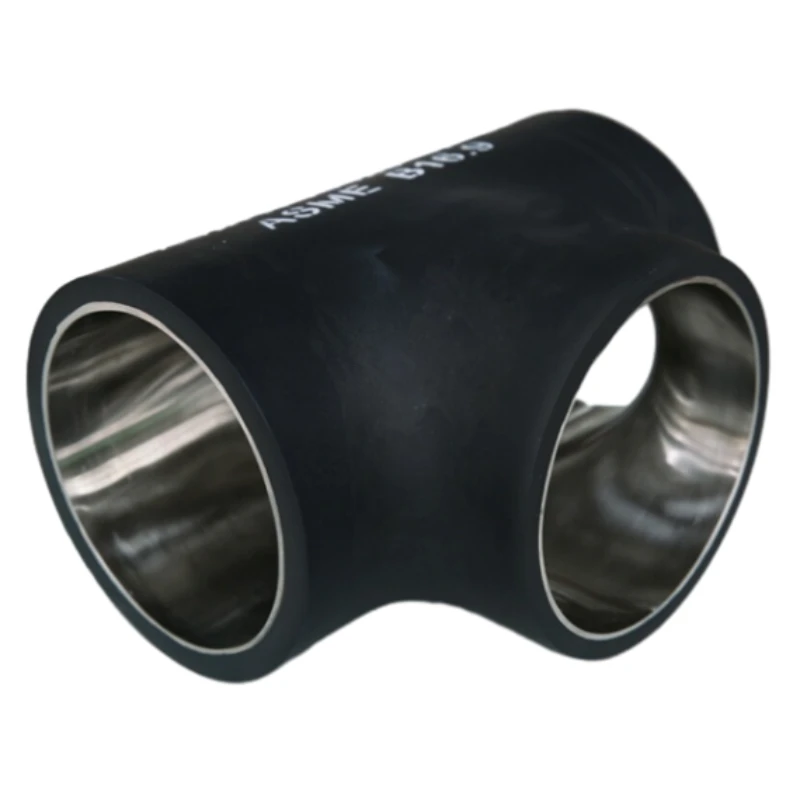
In the world of industrial piping and structural fabrication, precision in sizing is the cornerstone of system integrity. The 5 8 steel pipe serves as a critical component across various sectors, balancing optimal flow capacity with structural strength. Whether you are managing a large-scale hydraulic project or a specialized mechanical assembly, understanding the nuances of this specific dimension is essential for safety and efficiency. This guide will provide a comprehensive analysis of its specifications, material grades, and the best practices for industrial application.

Not all steel pipes are created equal. The performance of a 5 8 steel pipe depends heavily on the alloy composition and the manufacturing process. Most industrial applications rely on carbon steel for its strength and cost-effectiveness, while stainless steel is preferred for environments prone to corrosion. The choice between seamless and welded pipes further determines the pressure rating and longevity of the installation. High-grade steel ensures that the pipe can withstand thermal expansion and mechanical stress without compromising the system's seal.
Pro Tip: Always verify the ASTM or ASME certification of your steel pipes to ensure they meet the specific pressure and temperature requirements of your project environment.
When ordering materials, clarity on dimensions is vital to avoid costly installation errors. A 5 8 steel pipe typically refers to the nominal size, but the actual outside diameter (OD) and wall thickness (schedule) vary based on the standard being used. Below is a detailed specification table to help engineers and procurement officers make an informed decision.
When sourcing a 5 8 steel pipe, the most critical decision is often between seamless and welded construction. Seamless pipes are manufactured through an extrusion process, eliminating the longitudinal weld seam. This makes them ideal for high-pressure applications. In contrast, welded pipes are formed from strips of steel and welded along the length, offering a more cost-effective solution for low-pressure transport and structural frameworks.
Selection Guidance:
• High Pressure/Critical Safety: Choose Seamless
• Budget-Sensitive/Structural: Choose Welded
• Corrosive Environments: Choose Stainless Steel grade
• Precise Tolerance: Choose Cold-Drawn Seamless
The versatility of the 5 8 steel pipe allows it to be integrated into a vast array of systems. In the automotive industry, it is frequently used for brake lines and fuel delivery systems due to its ability to maintain tight bends without collapsing. In the construction sector, these pipes are often utilized as conduits for electrical wiring or as structural supports for lightweight frames. Furthermore, the oil and gas industry employs this sizing for instrument tubing and small-bore piping manifolds where precise flow control is required.

To maximize the lifespan of your 5 8 steel pipe, proper installation and preventive maintenance are non-negotiable. Ensure that all joints are deburred and cleaned before welding or threading to prevent leaks. For pipes exposed to the elements, applying a high-quality anti-corrosive coating or opting for galvanized steel can prevent oxidation. Periodic inspections using ultrasonic testing or pressure decay tests can identify internal thinning or hairline cracks before they lead to catastrophic failure.
When sourcing steel piping globally, the risk of receiving sub-standard materials is a significant concern. A reputable supplier should provide Mill Test Reports (MTRs) that verify the chemical composition and mechanical properties of the 5 8 steel pipe. Key indicators of quality include uniformity in wall thickness, smooth internal bores to reduce friction loss, and precise end-finishing. Partnering with a manufacturer that adheres to ISO standards ensures that every batch of piping meets the same rigorous quality benchmarks.
Choosing the right 5 8 steel pipe is more than just a matter of diameter; it is about matching the material grade and manufacturing method to the specific demands of your project. From seamless high-pressure lines to cost-effective welded structures, the right pipe ensures longevity, safety, and operational efficiency. By focusing on certified standards and professional installation, you can build a piping system that stands the test of time and environmental stress.
The "5/8" designation is a nominal size, which is a shorthand used in the industry to categorize pipes. The actual outside diameter (OD) may vary slightly depending on whether the pipe is defined by ASME, ASTM, or other international standards. For example, in some tubing standards, 5/8 inch is the exact OD, whereas in piping standards, it may refer to a nominal internal clearance. Always check the technical data sheet from your supplier to confirm the exact millimeter measurements required for your fittings.
Yes, provided that you select a seamless variety with an appropriate wall thickness (Schedule). Seamless pipes are specifically designed to handle higher pressures because they lack a weld seam, which is often the weakest point of a pipe. For hydraulic applications, we recommend using cold-drawn seamless steel or stainless steel to ensure the pipe can withstand pressure spikes and resist fatigue over thousands of cycles. Always calculate the burst pressure based on the wall thickness and material grade.
Carbon steel is susceptible to rust when exposed to oxygen and moisture. To prevent this, you can use galvanized steel, where the pipe is coated in a layer of zinc. For more aggressive environments, applying an epoxy coating or using an industrial-grade primer and paint is effective. If the budget allows and the environment is highly corrosive (such as marine or chemical plants), switching to a stainless steel 5 8 steel pipe is the most reliable long-term solution.
Depending on the application, 5/8" pipes are typically joined using threaded fittings, socket weld fittings, or compression fittings. Threaded connections are common in low-pressure water or gas lines. Socket welds provide a stronger, leak-proof joint for industrial processes. Compression fittings are ideal for instrumentation tubing where the ability to disassemble the system for maintenance is required. Ensure that the fitting material matches the pipe material to avoid galvanic corrosion.

SS Pipe Cap FAQ: Fit, Connections, Materials and Uses

Mechanical Steel Pipe Comparison: Materials, Standards and Supplier Documentation

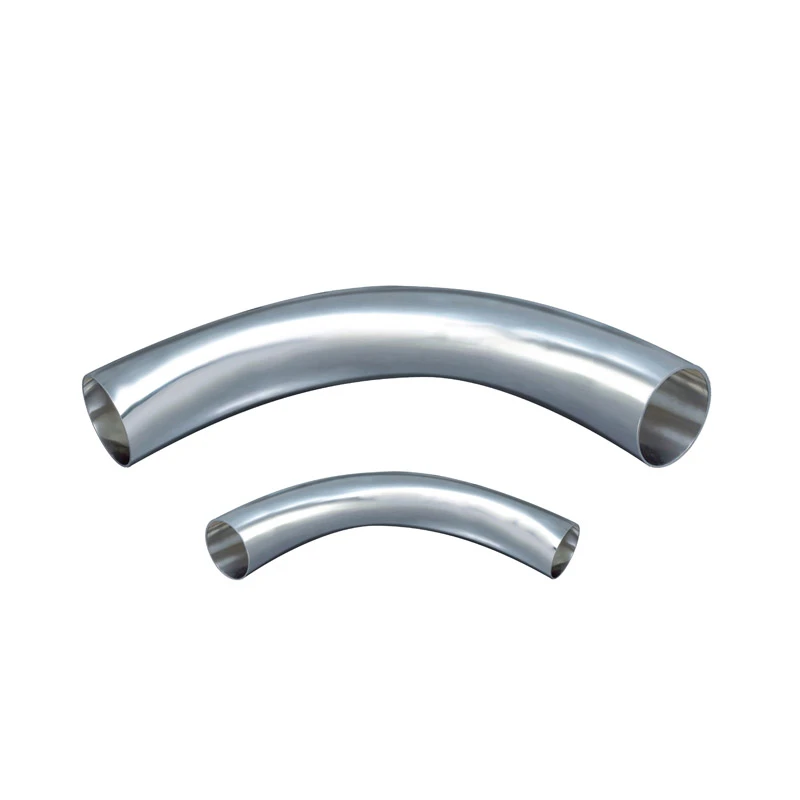
Choosing an SS Bend Pipe: Application Fit and Specification Checks

High Performance Sink Pipe Steel Guide for Industrial Piping

Ultimate Guide to Industrial Seamless Steel Pipe for Piping

High Performance Seamless Steel Pipes for Industrial Piping