At first glance, a thin wall stainless steel tube might seem like just another industrial component. But in reality, it’s a linchpin in modern manufacturing, infrastructure, and even humanitarian projects worldwide. These slender, durable tubes pack a punch with their corrosion resistance and strength-to-weight ratio — characteristics that make them indispensable in fields from aerospace to medical devices and energy pipeline construction.
Frankly, the global market is growing fast. According to ISO standards and industry reports, stainless steel piping demand is accelerating, especially in emerging economies. Understanding the nuances of thin wall stainless steel tubes isn't just a niche interest—it’s vital for engineers, procurement teams, and environmental planners aiming to build more efficient, sustainable, and long-lasting infrastructure.
Take a moment to consider the massive scale of fluid transport networks, medical gas delivery systems, or even food-grade processing units. Thin wall stainless steel tubes are critical enablers here. Backed by reports from the World Bank, sectors such as clean water supply and renewable energy infrastructure depend heavily on materials that can withstand harsh environments without adding unnecessary weight.
However, challenges persist. For example, in regions with seismic activity or corrosive soils, choosing the wrong pipe thickness or material grade can lead to expensive failures. Here lies the core problem these tubes help solve: balancing robustness with cost and installation ease.
In a nutshell, thin wall stainless steel tubes offer a globally relevant solution that blends strength, adaptability, and longevity, helping mitigate infrastructural risks everywhere.
Simply put, a thin wall stainless steel tube is a cylindrical hollow section with a thinner thickness relative to its diameter, made entirely or mostly of stainless steel alloys. This reduction in wall thickness saves weight and material costs without compromising key mechanical properties like tensile strength and corrosion resistance.
In industrial terms, these tubes are often specified by precise dimensions and conform to standards such as ASTM A269 or ISO 1127. They’re used wherever stringent hygiene, durability, and weight constraints apply—think food processing lines, pharmaceutical equipment, and high-performance heat exchangers.
The thin wall stainless steel tube is a marvel of material optimization—it meets demanding specs while trimming excess bulk, ensuring efficiency on multiple fronts.
The chromium content gives stainless steel its famed rust and corrosion resistance. For thin wall tubes exposed to saline, chemical, or high-moisture environments, this is non-negotiable. Oddly enough, the thinner walls also mean less material to corrode through, so manufacturers often increase alloy quality or surface finishing here.
A standout feature is how these tubes maintain excellent tensile strength despite their thin profile. This is a godsend in applications where every gram counts—spacecraft, UAVs, or automotive exhaust systems.
Stainless steel tolerates wide temperature swings and resists many chemicals, which explains its massive use in chemical plants or heat exchangers. In contrast, plastic or painted alternatives might degrade faster or release contaminants.
Thin walls allow easier bending, welding, and joining without requiring excessive force or costs—huge practical benefits for field engineers. It means faster turnarounds and fewer headaches in complex projects.
While stainless steel may cost more upfront, the durability and reduced maintenance often yield better total cost of ownership. There’s a certain peace of mind knowing replacements or downtime are less frequent.
Durability, performance, and economic logic intertwine beautifully in thin wall stainless steel tubes, making them the go-to choice in demanding settings.
| Parameter | Specification Range | Typical Use |
|---|---|---|
| Outer Diameter (OD) | 3 mm – 50 mm | Precision instruments, medical tubing |
| Wall Thickness | 0.2 mm – 2 mm | Weight-sensitive or hygienic environments |
| Material Grade | 304, 316, 321, 904L | Corrosion, heat, and chemical resistance |
| Length (Standard) | 1 – 6 meters | Manufacturing and onsite assembly |
| Surface Finish | Mill finish, polished, electro-polished | Aesthetic and hygienic considerations |
Across continents, thin wall stainless steel tubes prove their versatility. In Europe and North America, they’re everywhere in food and beverage factories adhering to the highest sanitary standards. In Asia and the Middle East, these tubes form arteries of new-growth petrochemical plants.
Oddly enough, humanitarian aid groups are increasingly using these tubes to build thin wall stainless steel tube-based lightweight frame shelters in disaster zones. Post-tsunami or earthquake relief missions benefit from their quick assembly, robust durability, and easy transport. I once heard an NGO engineer mention how assembling modular water pipes for remote villages became surprisingly straightforward thanks to these materials.
Roughly put, wherever there is a need for lightweight, corrosion-resistant piping or structural frames—thin wall stainless steel tubes shine.
From factory floors to disaster relief camps, these tubes help build systems that are resilient, hygienic, and quick to deploy.
| Vendor | Material Grades | Lead Times | Customization | Typical Clients |
|---|---|---|---|---|
| Alpha Stainless Co. | 304, 316 | 3-4 weeks | Standard sizes, limited finish options | Food & Beverage, HVAC |
| Beta Tubing Ltd. | 304, 316, 321, 904L | 2-3 weeks | Custom diameters & lengths, polished finishes | Medical, Chemical Plants |
| Gamma Pipe Solutions | 316L, Duplex, Super Duplex | 4-6 weeks | Highly customized, including bending and welding | Oil & Gas, Offshore |
The industry is moving steadily toward greener and smarter materials. Expect to see corrosion-resistant coatings that reduce the need for alloying elements, further cutting costs and environmental impacts. Digitalization is also coming into play—smart pipes embedded with sensors that monitor integrity and flow in real time.
In renewable energy, thin wall stainless steel tubes are starting to play roles in hydrogen transport, where material purity and strength at extreme conditions are critical. Automation in manufacturing, including precision laser cutting and robotic welding, means more complex tube geometries with tighter tolerances and faster turnaround.
Despite their many benefits, challenges remain. Manufacturing uniform ultra-thin walls without microscopic flaws requires cutting-edge machinery. Cost can be a barrier for smaller companies or emerging markets. Plus, joining these tubes securely sometimes calls for advanced welding or fitting techniques, adding skill requirements.
To tackle these, manufacturers are investing in R&D for novel alloys and coatings. Training and certification programs grow alongside to ensure the workforce can handle modern fabrication demands. And on the supply side, global logistics are improving, making delivery faster and more reliable.
To sum it all up: thin wall stainless steel tubes blend performance, efficiency, and reliability in ways that matter globally. They’re not just pipes—they’re enablers of health, safety, sustainability, and innovation in infrastructure and industry. If you haven’t explored their potential, now’s a great time to start.
Ready to dive deeper or get a quote tailored to your needs? Visit our website at https://www.lion-pipeline.com and browse our extensive catalog.
Whether you’re upgrading existing systems or pioneering solutions in harsh environments, thin wall stainless steel tubes offer a solid path toward success.
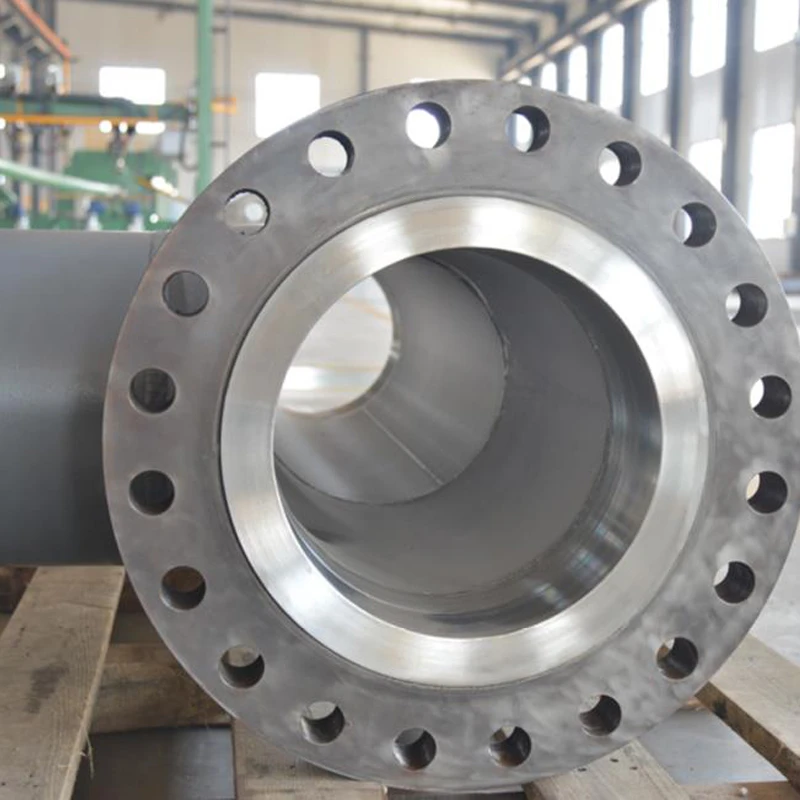
Factory Prefabricated Products
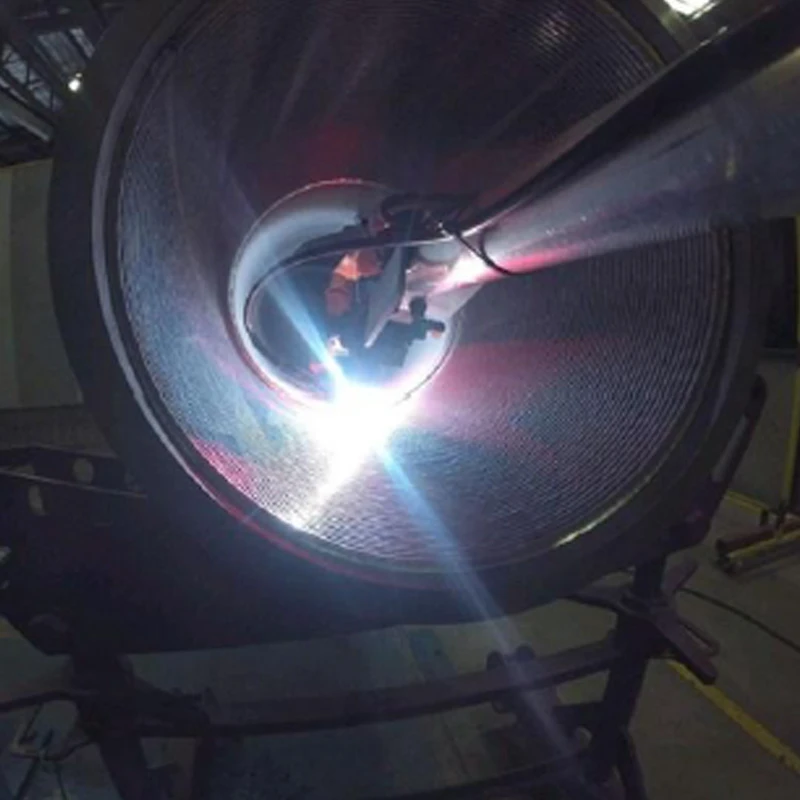
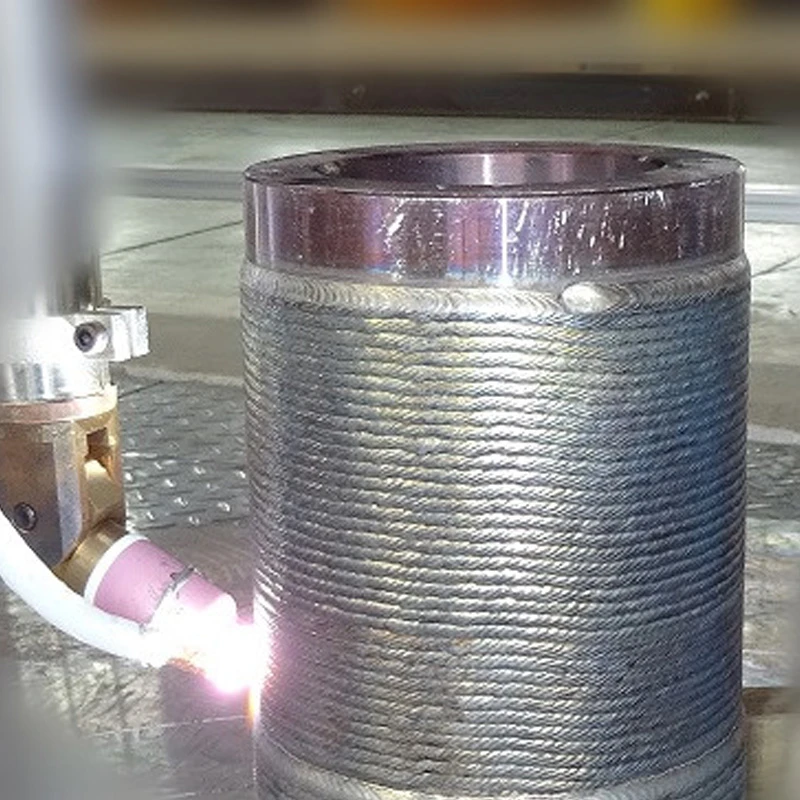
Overlay Welding Clad Steel Pipe

SS Pipe Cap FAQ: Fit, Connections, Materials and Uses

Mechanical Steel Pipe Comparison: Materials, Standards and Supplier Documentation

Choosing an SS Bend Pipe: Application Fit and Specification Checks

High Performance Sink Pipe Steel Guide for Industrial Piping

Ultimate Guide to Industrial Seamless Steel Pipe for Piping

High Performance Seamless Steel Pipes for Industrial Piping