The world of industrial components is vast, and within it, flanges play a crucial role in connecting pipes, valves, pumps, and other equipment, ensuring a secure and leak - proof system. Whether it's the bustling market for flange wholesale and flange for sale, or the innovative realm of composite flange and composite flange design, these elements are integral to numerous industries. Understanding the intricacies of flanges, from their basic form to specialized composite versions, is essential for businesses and professionals looking to make informed decisions in procurement and design.
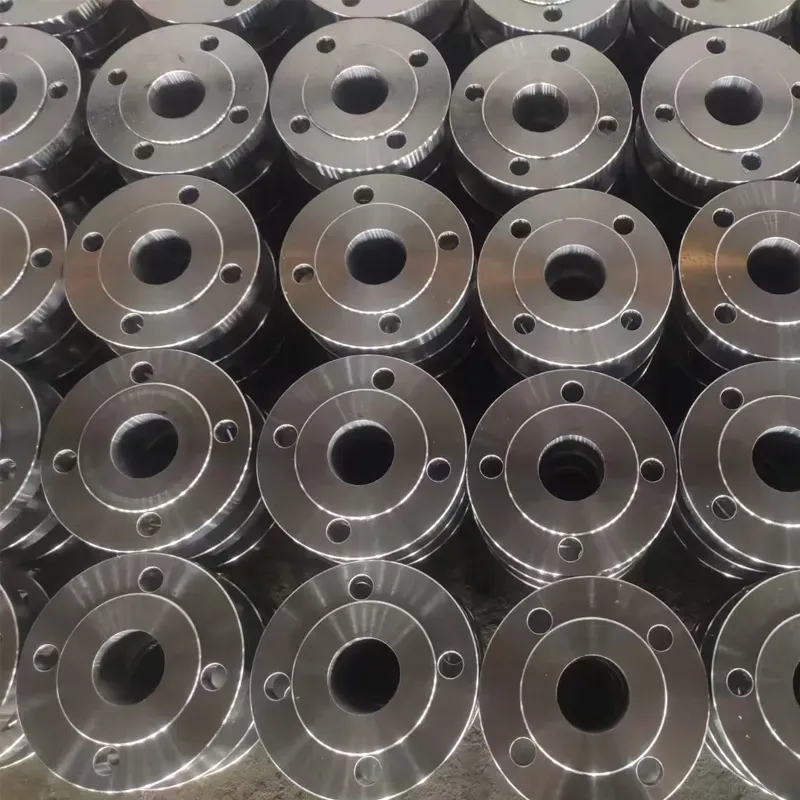
In the industrial supply chain, the availability of flange wholesale and flange for sale is a cornerstone for many projects. Wholesalers act as key players, offering a wide variety of flanges in different sizes, materials, and pressure ratings. For large - scale construction projects, such as building oil refineries or chemical plants, purchasing flanges in bulk through wholesale channels provides cost - effectiveness and ensures a consistent supply. These wholesalers often maintain extensive inventories, allowing businesses to quickly source the flanges they need for their operations.
When it comes to flange for sale, retailers and suppliers target a diverse customer base, ranging from small - scale repair shops to large manufacturing companies. The market offers flanges made from materials like carbon steel, stainless steel, and alloy steel, each with its own set of properties suitable for different applications. For example, stainless steel flanges are highly resistant to corrosion, making them ideal for use in environments where exposure to chemicals or moisture is common. Sellers also provide detailed product information, including specifications and certifications, to help customers make the right choice for their specific requirements.
Flanges are essential components in piping systems, facilitating the connection of different sections of pipes and equipment. They are designed to be bolted together, creating a tight seal with the help of gaskets. Flanges come in various types, such as weld neck flanges, slip - on flanges, and blind flanges, each with its own installation method and application. Weld neck flanges, for instance, offer high strength and are commonly used in high - pressure and high - temperature applications due to their ability to withstand stress.
The quality and proper selection of flanges are crucial for the integrity of an industrial system. A poorly chosen or damaged flange can lead to leaks, which not only waste resources but can also pose significant safety hazards, especially in industries dealing with hazardous materials. Regular inspection and maintenance of flanges are necessary to ensure they remain in optimal condition, preventing potential failures and costly downtime.
In recent years, composite flanges have emerged as a revolutionary alternative to traditional metal flanges. These flanges are typically made from a combination of polymers and reinforcing fibers, such as glass fiber or carbon fiber. One of the key advantages of composite flanges is their excellent corrosion resistance. Unlike metal flanges that can corrode over time when exposed to certain chemicals or environmental conditions, composite flanges maintain their structural integrity, reducing the need for frequent replacements.
The composite flange design also offers weight - saving benefits. Composite materials are generally lighter than metals, which can be a significant advantage in applications where reducing the overall weight of the system is crucial, such as in aerospace or marine industries. Additionally, composite flanges can be designed to have specific mechanical properties, such as high strength - to - weight ratios and good fatigue resistance, making them suitable for demanding applications. Their design flexibility allows engineers to customize the flanges to meet the unique requirements of different projects, enhancing the overall performance and efficiency of the system.
Selecting the appropriate flange depends on several factors. First, consider the operating conditions, including pressure, temperature, and the type of fluid or gas being transported. For high - pressure applications, flanges with higher pressure ratings, such as weld neck flanges, are recommended. The material of the flange should also be chosen based on the corrosive nature of the medium. In corrosive environments, stainless steel or composite flanges may be more suitable. Additionally, the type of connection required, such as a threaded or welded connection, and the size of the pipe will influence the flange selection.
Buying flange wholesale offers several advantages. Cost savings are significant, as wholesalers can offer lower prices due to bulk purchasing. This is especially beneficial for large projects that require a substantial number of flanges. Wholesalers also typically have a wider inventory, ensuring that customers can find the specific flanges they need in terms of size, material, and type. Moreover, establishing a relationship with a reliable wholesale supplier can lead to better customer service, faster delivery times, and potentially more favorable terms for future purchases.
Composite flanges often outperform traditional metal flanges in terms of durability, especially in corrosive environments. Metals like carbon steel can corrode when exposed to moisture, chemicals, or certain atmospheres, leading to a degradation of their mechanical properties over time. In contrast, composite flanges are highly resistant to corrosion, which extends their service life. They also have good fatigue resistance, making them less likely to develop cracks under cyclic loading conditions. However, in extremely high - temperature applications, metal flanges may still have an edge, as some composite materials may experience performance degradation at elevated temperatures.
Yes, composite flange design offers a high degree of customization. Engineers can adjust the composition of the composite material, including the type and proportion of fibers and polymers, to achieve specific mechanical properties. The shape and dimensions of the flange can also be tailored to fit the requirements of the project. For example, in a complex piping system with space constraints, a custom - designed composite flange can be created to optimize the fit and functionality. This customization allows for the creation of flanges that are not only efficient but also perfectly suited to the unique needs of each project.
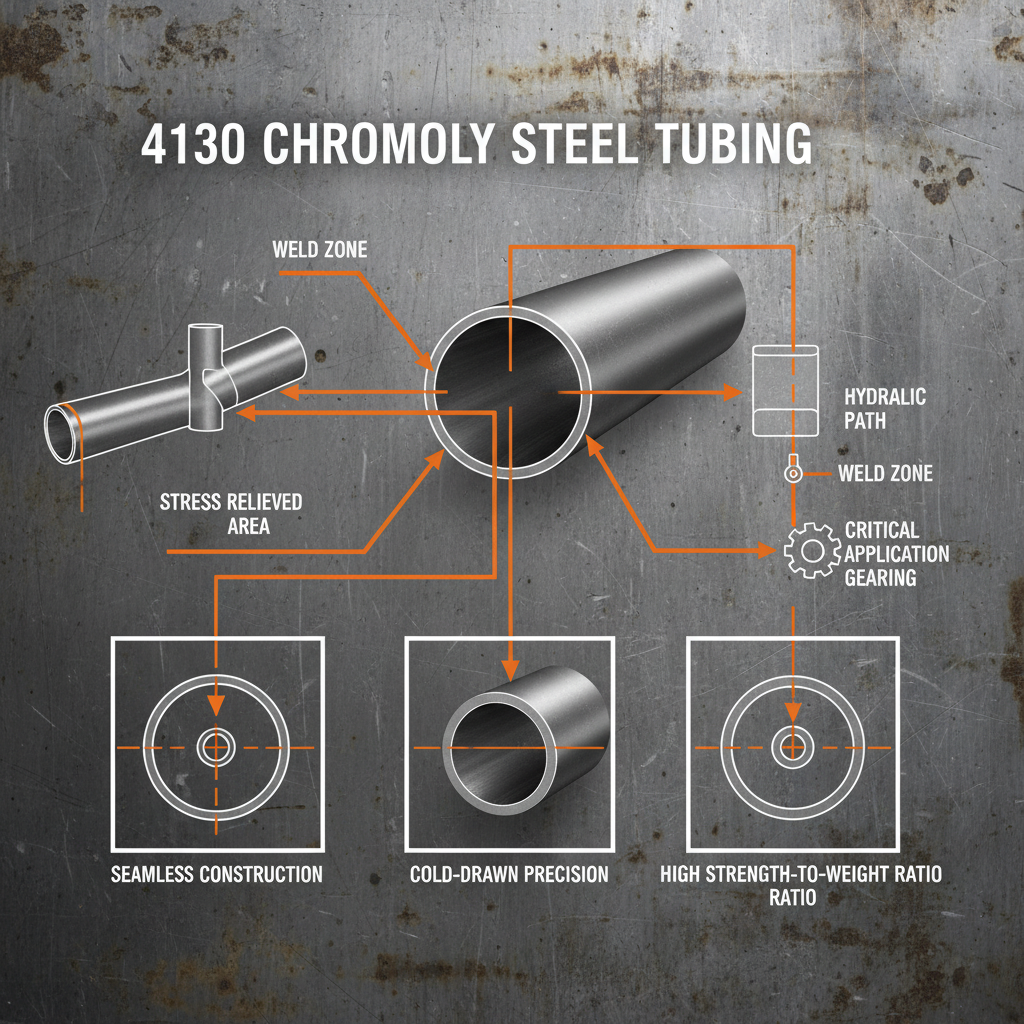
Ultimate Guide to 4130 Tubing Strength Performance and Applications
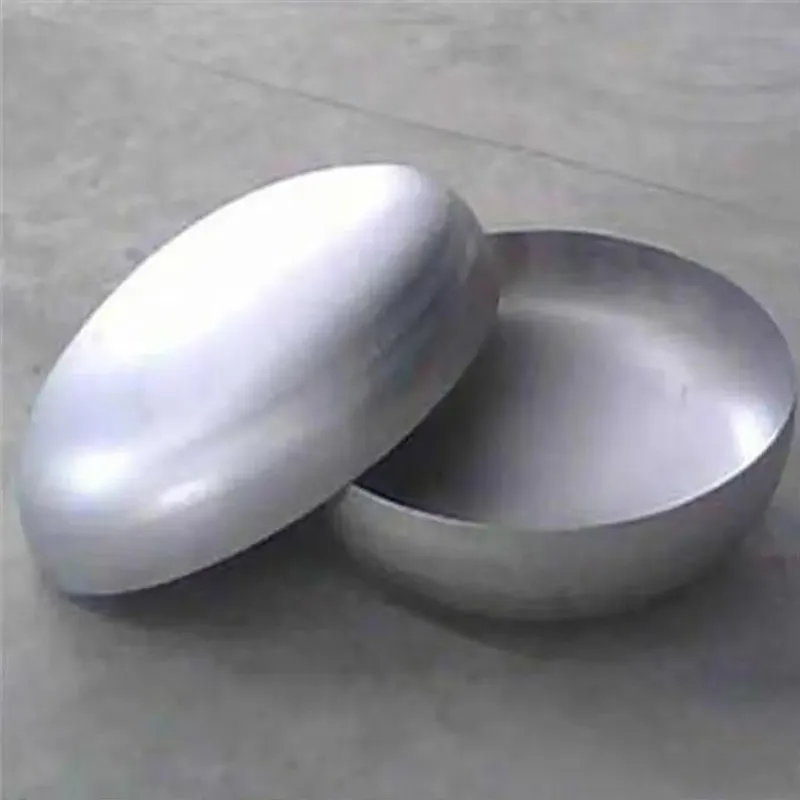
Pipe Cap-Cangzhou Lion Technology Co., Ltd.|Enhancing System Efficiency&Durability
Pipe Cap-Cangzhou Lion Technology Co., Ltd.|Enhancing System Efficiency&Durability
Pipe Cap-Cangzhou Lion Technology Co., Ltd.|Enhancing System Efficiency&Durability
Pipe Cap-Cangzhou Lion Technology Co., Ltd.|Enhancing System Efficiency&Durability
Pipe Cap-Cangzhou Lion Technology Co., Ltd.|Enhancing System Efficiency&Durability