tel
Email
to top

Steel Sewer Pipe: Durable Solutions for Industrial and Municipal Needs

Dec 13 2025
share:

Steel Sewer Pipe: Built to Last in Harsh Environments

Having spent a fair share of years wrestling with pipelines, I can tell you steel sewer pipe isn’t just another piece of metal tubing. It’s the unsung workhorse beneath city streets and industrial yards alike, quietly shuffling waste and stormwater with steady patience. If you’ve ever glanced over a construction site, there’s a good chance those robust, often overlooked pipes are made of steel.

Why Steel Sewer Pipe Remains a Top Choice

There are a handful of reasons engineers and contractors keep coming back to steel despite the rise of polymers and composites in piping. For starters, the strength-to-weight ratio is spectacular. Steel doesn’t bow easily to soil pressure or heavy traffic loads — it stays rigid and reliable over decades. Oddly enough, this toughness can translate into slimmer pipe walls and sometimes easier installation logistics.

From my experience, corrosion resistance is often the elephant in the room. Steel sewer pipes typically get galvanized or coated to fend off rust, but even then, the choice of protective treatment profoundly affects expected lifespan. Many industrial operators grumble about coatings failing prematurely, but when done right, these pipes can keep going strong much longer than alternatives.

One can’t discount customization options, either. I've seen steel pipes tailored with flanged ends, sleeves, or even lined interiors to handle aggressive chemical environments or high-velocity flows. These tweaks really make a difference when you’re dealing with complex municipal or industrial sewer systems.

Understanding Steel Sewer Pipe Specifications

Before digging into how you might pick the right steel sewer pipe, here’s a quick look at typical specs I’ve encountered. Engineers usually focus on diameter, wall thickness, material grade, and coating types — all of which play a part in performance and cost.

Specification Typical Range / Options
Diameter 100 mm (4") to 600 mm (24")
Wall Thickness 3 – 10 mm (varies by class)
Material Grade A53 Grade B, A135, or ASTM A252
Coating Hot-dip galvanized, epoxy, bituminous
Length per Section 6 meters (standard)
Pressure Rating Up to 16 bar (depending on size/thickness)

Of course, these specs are often tailored by manufacturers or adapted to project specifics. Sometimes, though, what feels like “over-spec” actually prevents headaches down the line. I always recommend erring on the side of durability.

Comparing Steel Sewer Pipe Vendors: What I’ve Learned

After working with a few suppliers over the years, I noticed it boils down to responsiveness, quality control, and price competitiveness. Here’s a rough vendor comparison based on my recent projects and feedback from colleagues.

Vendor Quality Pricing Customization Delivery Time
Lion Pipeline Excellent (strict QC, consistent) Competitive Flexible, tailored solutions Typically 4-6 weeks
Steelline Solutions Good (mostly standard specs) Moderate Limited 5-7 weeks
PipeWorks Inc. Fair (occasional variability) Low-end Standard 6-8 weeks

Personally, I lean towards vendors like Lion Pipeline. Their quality assurance is rock solid and when you need customization on longer runs or special coatings, they deliver. It’s worth the few extra bucks compared to budget options—I learned that the hard way on some past projects.

Final Thoughts on Steel Sewer Pipe in Practice

In real terms, steel sewer pipe will probably stay relevant even as new materials emerge. There’s something reassuring in its strength and adaptability, especially when you’re managing sizable, long-term sewer projects. It might not be the flashiest choice, but it sure knows how to get the job done without fuss.

Next time you’re looking at sewer infrastructure options, remember that the right steel pipe isn’t just about metal thickness or coating — it’s about matching the pipe to environmental challenges and project demands. I suppose that’s true for most industrial gear, isn’t it?

Hope this gives you a decent starting point. If you want to explore precise options, I recommend checking out vendors like Lion Pipeline — their expertise felt genuine and grounded when I last reached out.


References and Thoughts:
  1. Field experience with factory-coated steel pipes on industrial projects.
  2. Manufacturer datasheets and quality assurance briefs from industry vendors.
  3. Discussions and lessons from fellow engineers in municipal infrastructure forums.
  • Mechanical Clad Steel Pipe

    Mechanical Clad Steel Pipe

    Mechanical clad steel pipe (MCSP) is a kind of high-performance pipe, which is specially designed for demanding industrial applications. Combining the durability and strength of steel with advanced composite materials, MCSP provides enhanced corrosion resistance, high pressure and extreme temperatures.
    VIEW ALL
  • Bend Pipe

    Bend Pipe

    Bend is a crucial pipe fitting used to change the direction of flow in a piping system. It allows for smooth transitions between sections of pipe, accommodating layout constraints, avoiding obstacles, and optimizing flow paths. Bends are designed to maintain the fluid's velocity and minimize pressure loss while providing the necessary angle of deviation. They are commonly used in various industries, including oil and gas, petrochemicals, water supply, and HVAC systems.
    VIEW ALL
  • Flange

    Flange

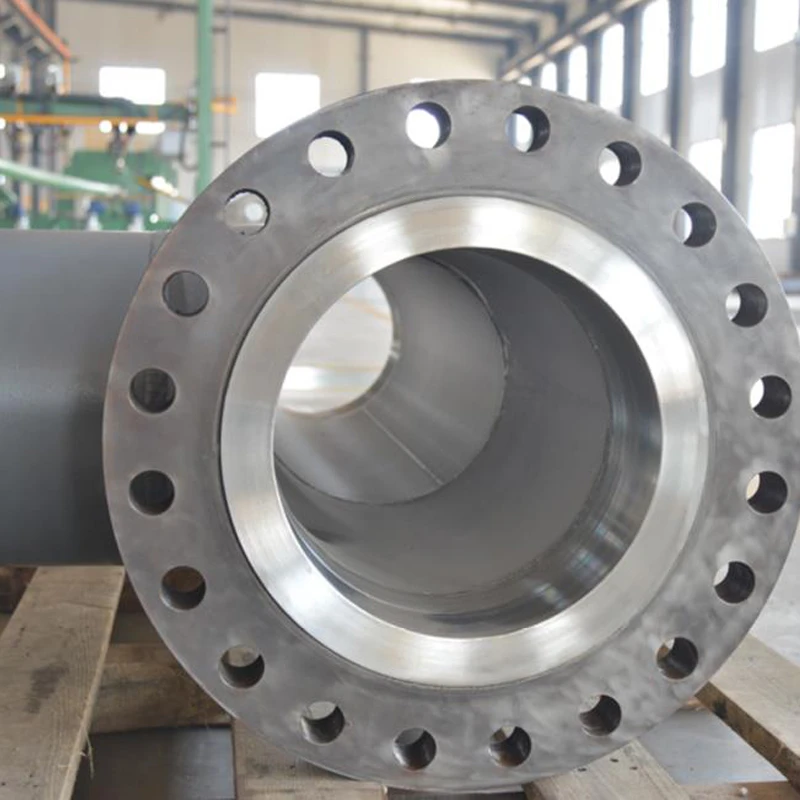
    Flange Product Introduction Flanges are used to connect pipes to pipes or pipes to equipment, ensuring a sealed and stable connection. They prevent fluid leakage and can withstand certain pressures and stresses, ensuring reliable connections. Flange nominal diameters range from DN15-DN2000 and beyond, covering various pipeline connection needs. Flanges primarily adhere to international standards such as ASME B16.5-2020, ASME B16.47-2020, and API 6A-2018.
    VIEW ALL
To create value for customers!
Cangzhou Leo Technology Co., Ltd. is located in Mengcun County Economic Development Zone, Cangzhou City, Hebei Province. It is a specialized high-tech enterprise that integrates the research and development, production, and sales of composite pipes and fittings.
News
The company regards product quality as the life of the enterprise, establishes a sound quality management system in accordance with the requirements of industry and national standards, controls all aspects of input and output in the whole process, pays attention to every detail, and ensures that the product delivery pass rate is 100%.
High Performance Sink Pipe Steel Guide for Industrial Piping

High Performance Sink Pipe Steel Guide for Industrial Piping

High-Performance Sink Pipe Steel: The Ultimate Guide to Industrial Piping In the demanding world of industrial manufacturing and pressure vessel construction, the selection of materials for piping systems is critical. Utilizing high-quality sink pipe steel ensures that systems can withstand extreme pressures, corrosive media, and mechanical stress. Whether it is for chemical processing, oil and gas, or construction, the right steel grade and fitting geometry can mean the difference between seamless operation and costly system failure. This guide explores the technical nuances of steel elbows and specialized clad materials designed for the most rigorous environments.
Ultimate Guide to Industrial Seamless Steel Pipe for Piping

Ultimate Guide to Industrial Seamless Steel Pipe for Piping

In the realm of modern industrial infrastructure, the integrity of piping systems is non-negotiable. The seamless steel pipe stands as the gold standard for transporting high-pressure fluids and gases. Unlike welded alternatives, seamless pipes are manufactured without a longitudinal seam, eliminating the most common point of failure and ensuring superior structural consistency. This makes them indispensable in sectors where safety and reliability are paramount, such as petroleum, nuclear power, and thermal energy. In this comprehensive guide, we will explore the technical advantages, material specifications, and critical applications of these high-performance components to help you make an informed procurement decision.
High Performance Seamless Steel Pipes for Industrial Piping

High Performance Seamless Steel Pipes for Industrial Piping

In the world of industrial fluid transportation and pressure vessel manufacturing, the choice of piping material can determine the safety and longevity of an entire system. Seamless steel pipes are engineered to withstand extreme conditions without the risk of weld-line failure, making them the gold standard for high-pressure environments. From oil and gas pipelines to hydraulic systems, these pipes offer unmatched structural integrity. In this comprehensive guide, we will explore the technical specifications, benefits, and diverse applications of carbon seamless steel solutions to help you make an informed procurement decision for your next engineering project.
High Performance Seamless Stainless Steel Pipe for Industrial Use

High Performance Seamless Stainless Steel Pipe for Industrial Use

The Ultimate Guide to Seamless Stainless Steel Pipe for Industrial Applications In the demanding world of oil and gas extraction, particularly in fields characterized by high hydrogen sulfide and carbon dioxide levels, the integrity of transportation infrastructure is critical. While traditional carbon steel often fails due to insufficient corrosion resistance, the seamless stainless steel pipe emerges as a premium solution. By eliminating weld seams, these pipes provide superior structural integrity and a seamless barrier against corrosive media. For industries operating under extreme pressure and chemical aggression, choosing the right piping material is not just about efficiencyit is about safety and long-term economic viability.
Industrial Piping Solutions Using Durable sch 40 steel pipe

Industrial Piping Solutions Using Durable sch 40 steel pipe

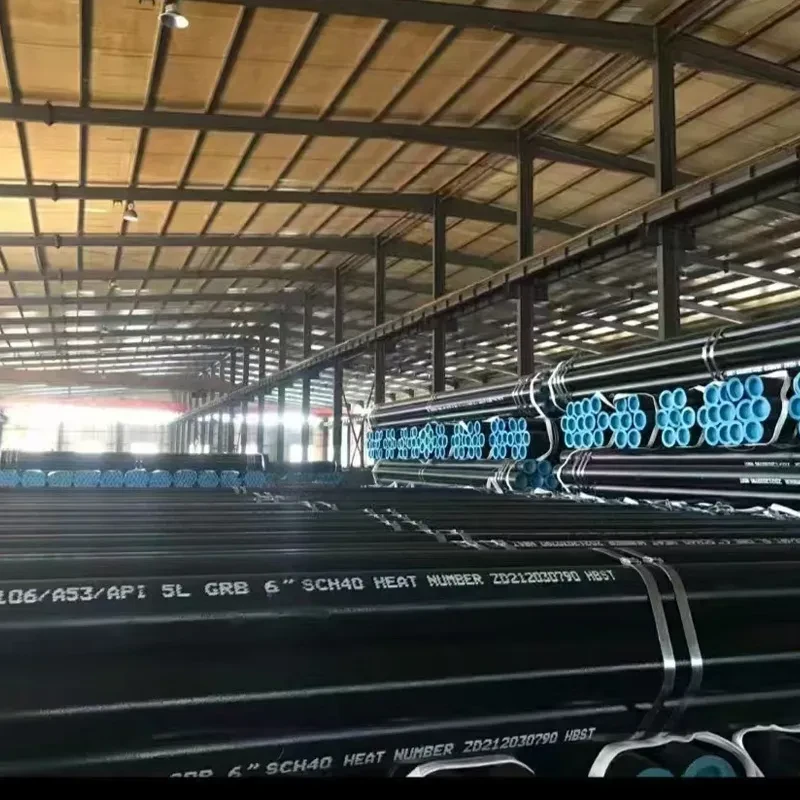
Optimizing Industrial Piping with SCH 40 Steel Pipe Solutions In the demanding world of industrial manufacturing and fluid transport, selecting the right piping specification is critical for safety and efficiency. The sch 40 steel pipe serves as a global standard for versatility, balancing wall thickness with internal flow capacity. Whether used in petrochemical plants, marine environments, or construction, this pipe grade provides the structural reliability needed to handle moderate pressures. However, as industries evolve, the integration of advanced technologies like laser cladding is transforming how we enhance these pipes to resist extreme corrosion and wear, extending the lifecycle of critical infrastructure.
Industrial 5 inch steel tubing Guide for High Pressure Systems

Industrial 5 inch steel tubing Guide for High Pressure Systems

The Ultimate Guide to 5 Inch Steel Tubing for Industrial Applications When designing high-pressure piping systems or structural frameworks, selecting the right material dimensions is critical for safety and efficiency. The 5 inch steel tubing serves as a versatile midpoint in industrial piping, offering a perfect balance between flow capacity and structural rigidity. Whether it is used in oil and gas transport, water management, or architectural support, the quality of the steel determines the longevity of the entire project. In this comprehensive guide, we will explore the technical specifications, material grades, and strategic advantages of utilizing this specific tubing size
tel email tel top

If you are interested in our products, you can choose to leave your information here, and we will be in touch with you shortly.