tel
Email
to top

Reliable 200mm Steel Pipe: Quality Specs & Vendor Comparison

Dec 13 2025
share:

Understanding the Versatility of 200mm Steel Pipe

Having spent more than a decade in the industrial equipment sector, I’ve seen my fair share of piping solutions evolve. The 200mm steel pipe has, for years now, held a distinct place in construction, infrastructure, and industrial projects. Oddly enough, despite its seemingly simple profile, this pipe size balances strength, versatility, and cost-efficiency in ways that still surprise me during installations and client feedback sessions.

To put it plainly, 200mm (or 8-inch) pipes serve as a sweet spot for medium-scale fluid transport—think water, gas, even slurry. I suppose it’s this balance of manageable diameter plus robust wall thickness options that makes it such a favorite among contractors. Many engineers tell me they rely on these pipes when bigger diameters feel unwieldy and smaller ones just won’t cut it.

Material and Quality Considerations

The standard 200mm steel pipe is usually made from carbon steel grades like ASTM A53 or API 5L, which you might already know are well tested for tensile strength and corrosion resistance. Frankly, I always look for manufacturers who provide seamless steel pipes versus welded where possible—they tend to last longer under high pressure or in corrosive environments.

What you might find interesting is how heat treatment and surface coating come into play. Hot-dip galvanizing or epoxy coatings add that extra mile of protection, especially in outdoor or marine setups. This stuff isn’t flashy, but it’s crucial. One of my clients once told me how a well-specified coating system saved them from an early costly overhaul in a coastal pipeline.

Product Specifications at a Glance

Specification Value
Outer Diameter 200 mm (8 inches)
Wall Thickness 5 mm – 20 mm (varies by grade)
Material Grade ASTM A53, API 5L B, A106 Grade B
Length 6 m standard (custom cut available)
Coatings Galvanized, Black painted, Epoxy
Testing Hydrostatic & Ultrasonic Inspection

A Quick Vendor Comparison for 200mm Steel Pipes

One thing I’ve noticed when sourcing pipes is that vendor reputation can matter just as much as the product specs. Here’s a quick comparison of some common providers in the market, focusing on quality, customization, delivery, and pricing. This isn’t exhaustive, but it reflects what experienced buyers often share in the industry.

Vendor Quality Customization Lead Time Price
Lion Pipeline High (Seamless options) Excellent (Cut-to-length) 2-3 weeks Competitive
SteelCo Supply Good (Mostly welded) Limited 3-5 weeks Moderate
Global Pipes Inc. Very High (API certified) Very Good 4 weeks Premium

Real-World Application Reflections

I remember one particular project where a 200mm steel pipe line was the backbone of a regional water system upgrade. The client initially hesitated on cost but was quickly convinced after seeing how the pipe’s durability and easy installation saved them weeks of downtime. You start to appreciate how these pipes are sort of unsung heroes—quietly supporting critical infrastructure without much fanfare.

Customization also matters — I’ve been part of discussions where precise cutting or coating specs made all the difference for long-term maintenance. When you factor in corrosion resistance, strength, and delivery times, you realize just how dynamic the choices around 200mm steel pipes can be.

At the end of the day, whether it’s for oil and gas, municipal water supplies, or industrial plants, this pipe size offers just enough robustness without becoming unwieldy. It feels like the “Goldilocks” size of steel piping—just right for a broad set of demands.

If you’re considering jumping into projects needing reliable pipe infrastructure, checking out vendors like Lion Pipeline could be a worthwhile start.

In real terms, the pipes may seem simple slabs of steel, but their impact on the projects and people they serve cannot be overstated.

References:
  1. ASTM International, standards for steel pipes (ASTM A53, API 5L)
  2. Industry interviews and reports from structural engineers and pipeline contractors
  3. Coating technology whitepapers on corrosion resistance in steel piping
  • Flange

    Flange

    Flange Product Introduction Flanges are used to connect pipes to pipes or pipes to equipment, ensuring a sealed and stable connection. They prevent fluid leakage and can withstand certain pressures and stresses, ensuring reliable connections. Flange nominal diameters range from DN15-DN2000 and beyond, covering various pipeline connection needs. Flanges primarily adhere to international standards such as ASME B16.5-2020, ASME B16.47-2020, and API 6A-2018.
    VIEW ALL
  • Bend Pipe

    Bend Pipe

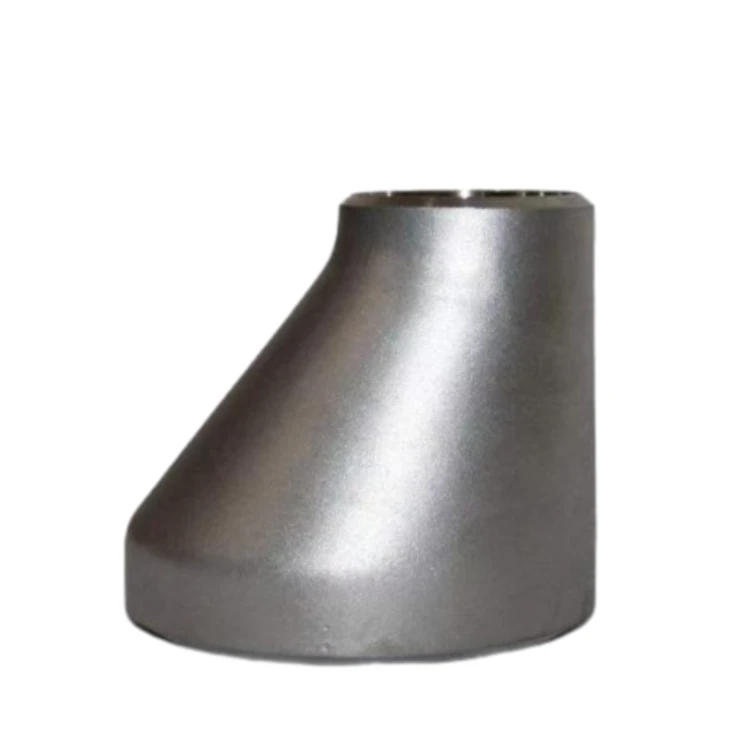
    Bend is a crucial pipe fitting used to change the direction of flow in a piping system. It allows for smooth transitions between sections of pipe, accommodating layout constraints, avoiding obstacles, and optimizing flow paths. Bends are designed to maintain the fluid's velocity and minimize pressure loss while providing the necessary angle of deviation. They are commonly used in various industries, including oil and gas, petrochemicals, water supply, and HVAC systems.
    VIEW ALL
  • Laser Clad  Pipe

    Laser Clad Pipe

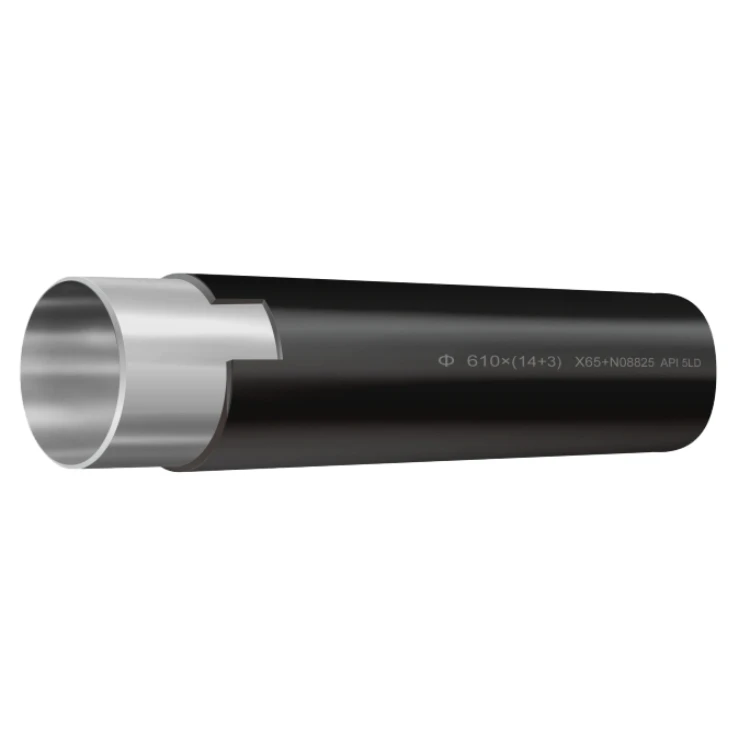
    Laser clad steel pipes are manufactured using laser cladding technology. This technology involves adding cladding material to the surface of ordinary steel pipe base material, using high-energy-density laser beams to fuse the cladding material with the steel pipe surface, forming a metallurgically bonded cladding layer. These pipes are generally used in compressed air energy storage projects as underground deep well transportation pipes or casings, as well as in oil, natural gas, and geothermal well extraction.
    VIEW ALL
To create value for customers!
Cangzhou Leo Technology Co., Ltd. is located in Mengcun County Economic Development Zone, Cangzhou City, Hebei Province. It is a specialized high-tech enterprise that integrates the research and development, production, and sales of composite pipes and fittings.
News
The company regards product quality as the life of the enterprise, establishes a sound quality management system in accordance with the requirements of industry and national standards, controls all aspects of input and output in the whole process, pays attention to every detail, and ensures that the product delivery pass rate is 100%.
High Performance Sink Pipe Steel Guide for Industrial Piping

High Performance Sink Pipe Steel Guide for Industrial Piping

High-Performance Sink Pipe Steel: The Ultimate Guide to Industrial Piping In the demanding world of industrial manufacturing and pressure vessel construction, the selection of materials for piping systems is critical. Utilizing high-quality sink pipe steel ensures that systems can withstand extreme pressures, corrosive media, and mechanical stress. Whether it is for chemical processing, oil and gas, or construction, the right steel grade and fitting geometry can mean the difference between seamless operation and costly system failure. This guide explores the technical nuances of steel elbows and specialized clad materials designed for the most rigorous environments.
Ultimate Guide to Industrial Seamless Steel Pipe for Piping

Ultimate Guide to Industrial Seamless Steel Pipe for Piping

In the realm of modern industrial infrastructure, the integrity of piping systems is non-negotiable. The seamless steel pipe stands as the gold standard for transporting high-pressure fluids and gases. Unlike welded alternatives, seamless pipes are manufactured without a longitudinal seam, eliminating the most common point of failure and ensuring superior structural consistency. This makes them indispensable in sectors where safety and reliability are paramount, such as petroleum, nuclear power, and thermal energy. In this comprehensive guide, we will explore the technical advantages, material specifications, and critical applications of these high-performance components to help you make an informed procurement decision.
High Performance Seamless Steel Pipes for Industrial Piping

High Performance Seamless Steel Pipes for Industrial Piping

In the world of industrial fluid transportation and pressure vessel manufacturing, the choice of piping material can determine the safety and longevity of an entire system. Seamless steel pipes are engineered to withstand extreme conditions without the risk of weld-line failure, making them the gold standard for high-pressure environments. From oil and gas pipelines to hydraulic systems, these pipes offer unmatched structural integrity. In this comprehensive guide, we will explore the technical specifications, benefits, and diverse applications of carbon seamless steel solutions to help you make an informed procurement decision for your next engineering project.
High Performance Seamless Stainless Steel Pipe for Industrial Use

High Performance Seamless Stainless Steel Pipe for Industrial Use

The Ultimate Guide to Seamless Stainless Steel Pipe for Industrial Applications In the demanding world of oil and gas extraction, particularly in fields characterized by high hydrogen sulfide and carbon dioxide levels, the integrity of transportation infrastructure is critical. While traditional carbon steel often fails due to insufficient corrosion resistance, the seamless stainless steel pipe emerges as a premium solution. By eliminating weld seams, these pipes provide superior structural integrity and a seamless barrier against corrosive media. For industries operating under extreme pressure and chemical aggression, choosing the right piping material is not just about efficiencyit is about safety and long-term economic viability.
Industrial Piping Solutions Using Durable sch 40 steel pipe

Industrial Piping Solutions Using Durable sch 40 steel pipe

Optimizing Industrial Piping with SCH 40 Steel Pipe Solutions In the demanding world of industrial manufacturing and fluid transport, selecting the right piping specification is critical for safety and efficiency. The sch 40 steel pipe serves as a global standard for versatility, balancing wall thickness with internal flow capacity. Whether used in petrochemical plants, marine environments, or construction, this pipe grade provides the structural reliability needed to handle moderate pressures. However, as industries evolve, the integration of advanced technologies like laser cladding is transforming how we enhance these pipes to resist extreme corrosion and wear, extending the lifecycle of critical infrastructure.
Industrial 5 inch steel tubing Guide for High Pressure Systems

Industrial 5 inch steel tubing Guide for High Pressure Systems

The Ultimate Guide to 5 Inch Steel Tubing for Industrial Applications When designing high-pressure piping systems or structural frameworks, selecting the right material dimensions is critical for safety and efficiency. The 5 inch steel tubing serves as a versatile midpoint in industrial piping, offering a perfect balance between flow capacity and structural rigidity. Whether it is used in oil and gas transport, water management, or architectural support, the quality of the steel determines the longevity of the entire project. In this comprehensive guide, we will explore the technical specifications, material grades, and strategic advantages of utilizing this specific tubing size
tel email tel top

If you are interested in our products, you can choose to leave your information here, and we will be in touch with you shortly.