tel
Email
to top

Premium Carbon Steel Reducer | Durable & Reliable Pipe Fittings

Oct 06 2025
share:

Understanding Carbon Steel Reducers in Industrial Piping Systems

In the complex world of industrial piping, seamless flow transitions are critical for efficiency and safety. Among the array of pipe fittings, the reducer plays an indispensable role in altering pipeline diameter. Specifically, the carbon steel reducer stands out for its robustness, cost-effectiveness, and versatility, making it a cornerstone in countless heavy-duty applications. This comprehensive guide delves into the technical intricacies, application advantages, and market dynamics surrounding these essential components, tailored for B2B decision-makers and engineering professionals.

Manufacturing Process of Carbon Steel Reducers: From Raw Material to Finished Product

The production of a high-quality carbon steel reducer is a meticulous process demanding precision and adherence to stringent industry standards. The journey begins with selecting specific carbon steel grades, primarily ASTM A234 WPB and WPC, known for their excellent weldability and strength. These materials ensure the reducer can withstand significant pressure and temperature variations common in industrial environments.

Key Manufacturing Stages:

  1. Material Preparation: Steel plates or seamless pipes are cut to precise dimensions using advanced laser or plasma cutting technologies.
  2. Forming: This is a critical step.
    • Hot Forming (Hot Pressing): For larger diameter reducers, steel plates are heated to high temperatures (typically 900-1100°C) and then hydraulically pressed into the desired conical shape. This method ensures uniform material distribution and reduces internal stresses.
    • Cold Forming: Smaller reducers or those requiring tighter tolerances may undergo cold forming, where the material is shaped at ambient temperatures using dies and punches. This process enhances surface finish and dimensional accuracy.
  3. Welding (for Welded Reducers): For reducers formed from plates, longitudinal seam welding is performed using submerged arc welding (SAW) or gas metal arc welding (GMAW) to ensure robust joint integrity.
  4. Heat Treatment: Post-forming, reducers often undergo heat treatment processes like normalizing or annealing. This relieves residual stresses, refines grain structure, and optimizes mechanical properties such, as ductility and toughness, ensuring extended service life.
  5. Machining and Beveling: CNC machining is employed to achieve precise end dimensions, angles, and surface finishes. The ends are often beveled to facilitate efficient field welding.
  6. Surface Treatment: Depending on the application, reducers may receive internal or external coatings (e.g., epoxy, galvanization) to enhance corrosion resistance, particularly in harsh environments.

Quality Control and Testing Standards:

Rigorous testing is paramount to guarantee the performance and reliability of every carbon steel reducer. This includes:
  • Non-Destructive Testing (NDT): Ultrasonic Testing (UT), Radiographic Testing (RT), Magnetic Particle Inspection (MPI), and Liquid Penetrant Testing (LPT) are routinely performed to detect internal flaws, cracks, or imperfections.
  • Dimensional Inspection: Verification against ANSI B16.9 or other applicable standards to ensure accurate dimensions and tolerances.
  • Hydrostatic Testing: Although not always required for all reducers, it verifies pressure integrity.
  • Material Verification: Positive Material Identification (PMI) confirms the chemical composition of the steel.
  • Certifications: Compliance with ISO 9001 quality management systems, API standards (e.g., API 5L for pipelines), and specific client requirements.
Premium Carbon Steel Reducer | Durable & Reliable Pipe Fittings

Precision engineering is key to durable carbon steel reducer components.

These processes collectively ensure that the final carbon steel reducer product meets the highest standards of quality, offering a long service life and exceptional performance in demanding applications such as petrochemical plants, oil & gas pipelines, power generation facilities, and municipal water supply & drainage systems. Their robust construction directly contributes to energy saving by maintaining optimal flow dynamics and superior corrosion resistance, especially with appropriate material grades and coatings.

Industry Trends and Market Dynamics for Reducers

The global market for pipe fittings, including various reducer types, is experiencing steady growth, driven by increasing industrialization, infrastructure development, and the expansion of oil & gas, chemical, and water treatment sectors. Key trends include:

  • Demand for High-Performance Materials: While carbon steel remains dominant for its cost-effectiveness, there's a rising demand for specialized carbon steel alloys capable of enduring more extreme temperatures, pressures, and corrosive media.
  • Digitalization in Manufacturing: Adoption of Industry 4.0 technologies, including IoT-enabled manufacturing processes, predictive maintenance, and AI-driven quality control, is enhancing production efficiency and product reliability.
  • Emphasis on Sustainability: Manufacturers are increasingly focusing on eco-friendly production methods, energy efficiency, and products with longer lifespans to reduce waste and environmental impact.
  • Customization and Specialty Reducers: Growing need for bespoke solutions to meet unique project specifications, driving demand for flexible manufacturing and design capabilities.
  • Global Supply Chain Resilience: Geopolitical factors and recent disruptions have led to a greater focus on diversified and resilient supply chains for crucial components like the carbon steel reducer.

Understanding these trends is crucial for any reducer manufacturer looking to stay competitive and cater to evolving client needs.

Technical Specifications and Product Parameters

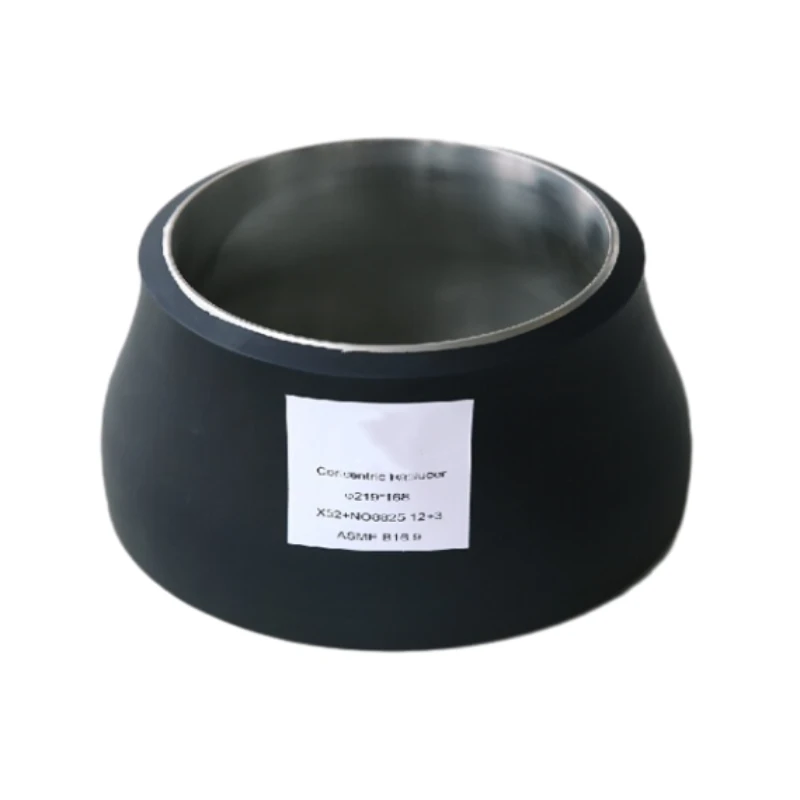
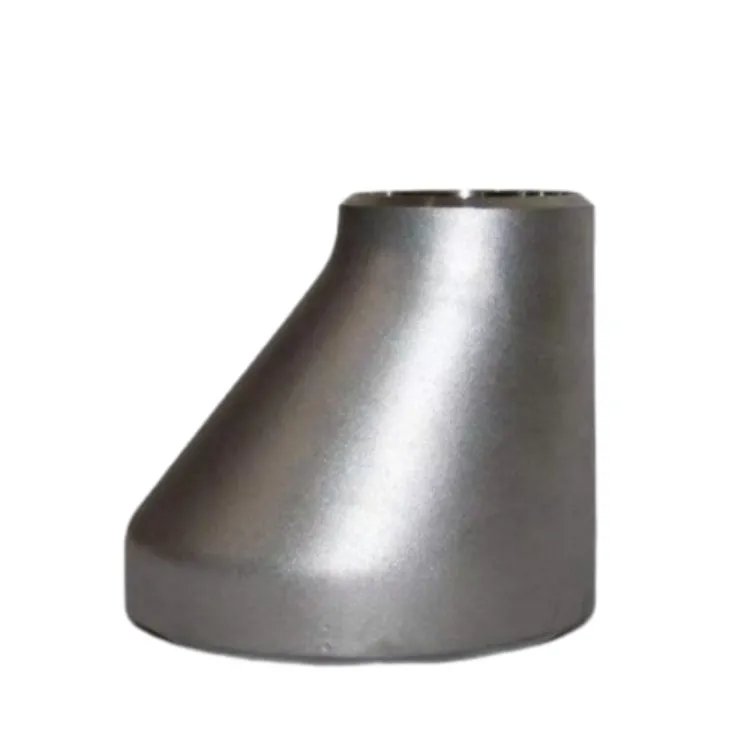
Reducers are primarily categorized into two main reducer types: concentric and eccentric. Concentric reducers are used when the centerline of the larger pipe and smaller pipe remain the same, facilitating smooth flow and reducing turbulence. Eccentric reducers, conversely, have offset centerlines, commonly used to maintain a consistent bottom or top level of the pipe to prevent accumulation of fluids or gases, especially in horizontal lines.

Typical Carbon Steel Reducer Specifications:

Parameter Details
Material Grade ASTM A234 WPB (Standard Carbon Steel), ASTM A234 WPC, ASTM A105 (Forged)
Standard ASME B16.9 (Buttwelding Fittings), ASME B16.11 (Socket Welding and Threaded Fittings), MSS SP-75, EN 10253
Type Concentric Reducer, Eccentric Reducer
Size Range ½" to 72" (DN15 to DN1800) – larger sizes available upon custom order
Wall Thickness Schedule 10, 20, 30, 40, 60, 80, 100, 120, 140, 160, STD, XS, XXS
Manufacturing Process Hot Forming, Cold Forming, Seamless, Welded
Surface Finish Black Painted, Varnish, Anti-rust oil, Galvanized, Powder Coated
Operating Temperature -29°C to 427°C (depends on specific grade and pressure rating)
Pressure Ratings Vary by schedule and material, generally up to ANSI Class 2500 for high-pressure applications

Application Scenarios and Technical Advantages

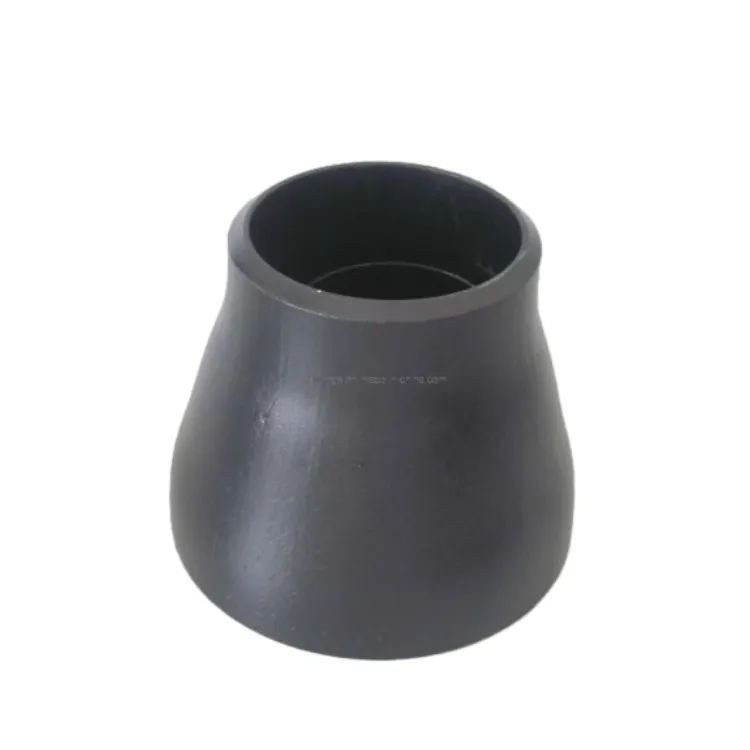
The versatility and robust nature of the carbon steel reducer make it indispensable across a wide spectrum of industrial applications where pipeline diameter reduction is necessary. Its technical advantages are directly translated into operational benefits.
Key Application Areas:

  • Oil & Gas Industry: Essential in upstream, midstream, and downstream operations for pipelines transporting crude oil, natural gas, and refined products. Reducers facilitate flow regulation and connection to varying equipment sizes.
  • Petrochemical Plants: Used extensively in process piping for transporting chemicals, solvents, and catalysts at varying pressures and temperatures.
  • Power Generation: Found in steam lines, cooling water systems, and fuel lines within thermal, nuclear, and hydroelectric power plants.
  • Water Treatment and Supply: Integral in municipal and industrial water systems, facilitating changes in pipe size for pumps, valves, and filtration units.
  • HVAC Systems: Utilized in large-scale heating, ventilation, and air conditioning systems within commercial and industrial buildings.
  • Shipbuilding: Critical for piping systems on marine vessels, handling fuel, ballast, and wastewater.
Premium Carbon Steel Reducer | Durable & Reliable Pipe Fittings

Carbon steel reducers are critical components in diverse industrial pipelines.

Technical Advantages:

  • High Strength and Durability: Carbon steel provides excellent tensile strength and resistance to mechanical stress, ensuring long-term operational integrity even under high-pressure conditions.
  • Cost-Effectiveness: Compared to alloy or stainless steel alternatives, carbon steel offers a significantly lower reducer price point while maintaining robust performance for general industrial applications.
  • Excellent Weldability: The chemical composition of carbon steel allows for easy and reliable welding, facilitating efficient installation and modification of piping systems.
  • Wide Temperature Range: Suitable for a broad spectrum of operating temperatures, from cryogenic applications (specific grades) to high-temperature steam lines.
  • Corrosion Resistance (with treatment): While raw carbon steel is susceptible to corrosion, it can be effectively protected through galvanization, epoxy coatings, or cathodic protection, extending its lifespan in aggressive environments.
  • Energy Efficiency: Smooth internal surfaces and precisely engineered transitions minimize flow turbulence, reducing pressure drop and contributing to overall system energy saving.

Vendor Comparison and Customized Solutions

Choosing the right reducer manufacturer is paramount for project success, impacting everything from lead times and product quality to long-term operational costs. Key considerations go beyond just the reducer price.

Factors for Vendor Evaluation:

  • Certifications and Compliance: Verify adherence to international standards (ISO, ASME, API) and local regulatory requirements.
  • Material Traceability: Ensure full traceability of raw materials from source to final product, often backed by Mill Test Certificates (MTCs).
  • Manufacturing Capabilities: Assess production capacity, technological sophistication (e.g., CNC machining), and quality control processes.
  • Reputation and Experience: Longevity in the industry, client testimonials, and successful project track records are strong indicators of reliability.
  • After-Sales Support: Availability of technical support, warranty, and replacement part services.
  • Customization Expertise: The ability to provide bespoke solutions for non-standard requirements.

Generic Manufacturer Comparison:

Feature High-Quality Manufacturer Standard Manufacturer
Material Sourcing Certified, traceable European/American/Asian mills Varied, less stringent traceability
Quality Control Extensive NDT, dimensional, and material testing for every batch Basic dimensional checks, limited NDT
Certifications ISO 9001, ASME, API, PED, CE marking Basic ISO certification, fewer specialized standards
Customization Full engineering support for non-standard dimensions, materials, coatings Limited to standard alterations
Lead Time & Delivery Reliable, often with expedited options, global logistics support Variable, less predictable, primarily regional
Pricing Premium reflects higher quality, extensive testing, and support Lower, but may entail hidden costs in lower lifespan or project delays
Premium Carbon Steel Reducer | Durable & Reliable Pipe Fittings

Choosing a reliable carbon steel reducer manufacturer ensures long-term performance and compliance.

Customized Solutions:

For projects with unique requirements, customized carbon steel reducer solutions are often necessary. This can include:

  • Non-Standard Dimensions: Reducers with specific lengths, end preparations, or intermediate diameters not covered by ASME B16.9.
  • Special Coatings and Linings: Internal or external anti-corrosion coatings (e.g., fusion-bonded epoxy, glass flake epoxy) or wear-resistant linings for abrasive media.
  • Higher Pressure/Temperature Ratings: Engineering solutions for extreme operating conditions beyond standard schedules, often requiring advanced material grades or specific heat treatments.
  • Material Alternatives: Custom reducers in low-alloy carbon steel (e.g., A420 WPL6 for low-temperature service) for specific applications.
  • Design and Engineering Support: Partnering with manufacturers that offer in-house design and simulation capabilities for optimized flow and structural integrity.

Application Case Studies

Real-world applications highlight the critical role and effectiveness of high-quality carbon steel reducer products.

Case Study 1: Large-Scale LNG Terminal Expansion

A major energy company undertaking an expansion of an LNG regasification terminal required thousands of reducers for connecting various cryogenic and process lines. The challenge was ensuring absolute integrity in extremely low-temperature environments (-162°C) and handling high pressures. Through collaboration with a certified reducer manufacturer, specialized ASTM A420 WPL6 carbon steel reducers were fabricated, undergoing extensive Charpy impact testing at cryogenic temperatures. The custom eccentric reducers ensured proper drainage and eliminated liquid traps, enhancing safety and operational efficiency during the complex commissioning phase and throughout operation.
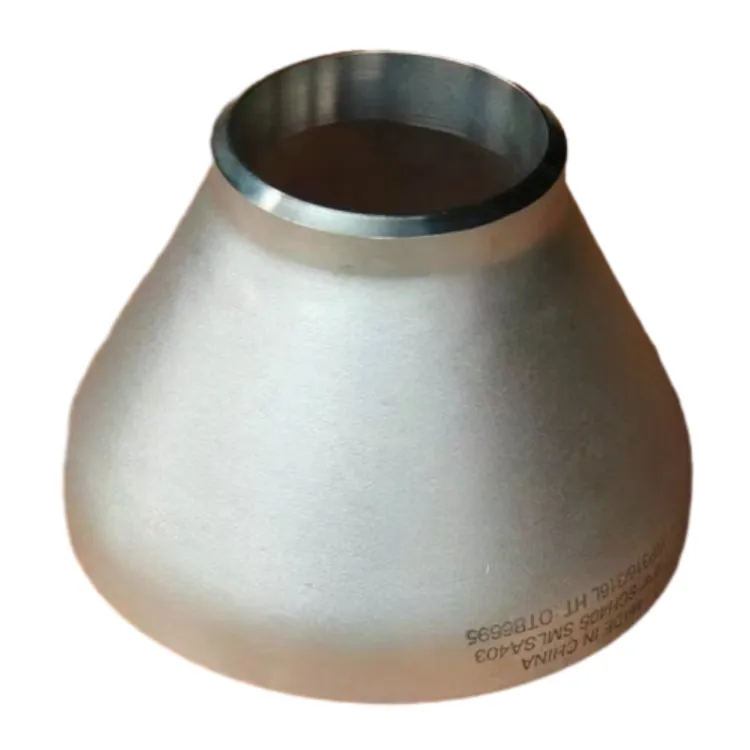
Premium Carbon Steel Reducer | Durable & Reliable Pipe Fittings

Specialized carbon steel reducers are vital for critical infrastructure projects.

Case Study 2: Municipal Water Treatment Plant Upgrade

A municipal water authority initiated an upgrade to its primary pumping station, involving changes in pipe diameters from 36-inch mains to 24-inch distribution lines. Corrosion was a significant concern due to the constant exposure to treated water and occasional chemicals. The solution involved specifying carbon steel reducer units with internal and external fusion-bonded epoxy (FBE) coatings. This comprehensive coating system provided exceptional long-term corrosion resistance, extending the service life of the reducers beyond 30 years and significantly reducing maintenance costs for the municipality. The project was delivered ahead of schedule due to the manufacturer's efficient lead times and adherence to AWWA standards.

Trustworthiness, Warranty, and Support

A reliable partnership with a carbon steel reducer supplier extends beyond the initial purchase, encompassing robust support and clear commitments.

Frequently Asked Questions (FAQ):

  • Q: What is the typical lead time for custom reducers?
    A: Lead times vary based on complexity, material availability, and order volume. Standard items can often ship within 2-4 weeks, while custom orders may require 6-12 weeks, with expedited options available for urgent requirements.
  • Q: Are your carbon steel reducers suitable for high-pressure steam applications?
    A: Yes, our ASTM A234 WPB/WPC reducers are designed and tested to ASME B16.9 standards and are suitable for high-pressure steam within their specified temperature and pressure ratings. We recommend consulting our technical team for specific design parameters.
  • Q: Do you provide material certificates?
    A: Absolutely. All our products are supplied with comprehensive Mill Test Certificates (MTCs) and Certificates of Conformance (CoCs), ensuring full material traceability and compliance with order specifications.
  • Q: What are the differences between concentric and eccentric reducers?
    A: Concentric reducers maintain a common centerline between the two pipe sizes, ideal for vertical pipelines. Eccentric reducers have an offset centerline, commonly used in horizontal lines to prevent accumulation of air or liquid, or to align with specific pipe bottoms/tops.

Lead Time and Fulfillment:

We operate with advanced inventory management and efficient production schedules to ensure timely delivery. For standard carbon steel reducer products, we maintain a ready stock for immediate dispatch. For bespoke orders, detailed project timelines are provided upfront, ensuring transparency and predictability in fulfillment.

Warranty Commitments:

All our carbon steel reducers come with a standard 12-month warranty from the date of shipment or 18 months from installation, whichever comes first, against manufacturing defects and material faults. Our commitment is to deliver products that meet or exceed industry standards, providing peace of mind to our clients.

Customer Support Information:

Our dedicated customer support and technical assistance teams are available to assist with product selection, technical queries, installation guidance, and after-sales service. We pride ourselves on responsive communication and expert advice to ensure optimal performance of our carbon steel reducer products in your specific applications.
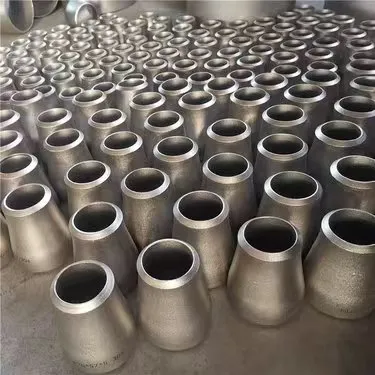
Premium Carbon Steel Reducer | Durable & Reliable Pipe Fittings

Reliable customer support ensures project continuity and operational excellence.

Conclusion

The carbon steel reducer is an unassuming yet vital component in myriad industrial piping systems. Its combination of strength, cost-efficiency, and adaptability makes it a preferred choice for engineers and procurement specialists globally. By understanding the intricate manufacturing processes, adhering to rigorous technical specifications, and partnering with a reputable reducer manufacturer, industries can ensure the integrity, efficiency, and longevity of their critical infrastructure. Investing in quality carbon steel reducers is an investment in the reliability and sustainability of your operations.
References

  1. American Society of Mechanical Engineers (ASME). "ASME B16.9-2018: Factory-Made Wrought Buttwelding Fittings."
  2. American Society for Testing and Materials (ASTM). "ASTM A234/A234M-20: Standard Specification for Piping Fittings of Wrought Carbon Steel and Alloy Steel for Moderate and High-Temperature Service."
  3. International Organization for Standardization (ISO). "ISO 9001:2015: Quality management systems – Requirements."
  4. American Petroleum Institute (API). "API 5L: Specification for Line Pipe."
  5. Water Environment Federation (WEF). "Manual of Practice FD-3: Design of Wastewater and Stormwater Pumping Stations."
  • Mechanical Clad Steel Pipe

    Mechanical Clad Steel Pipe

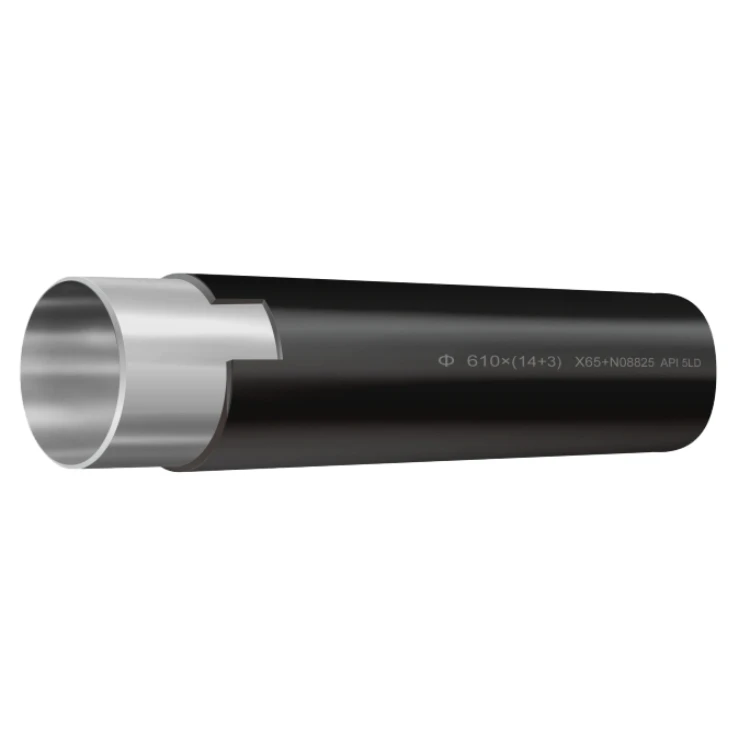
    Mechanical clad steel pipe (MCSP) is a kind of high-performance pipe, which is specially designed for demanding industrial applications. Combining the durability and strength of steel with advanced composite materials, MCSP provides enhanced corrosion resistance, high pressure and extreme temperatures.
    VIEW ALL
  • Laser Clad  Pipe

    Laser Clad Pipe

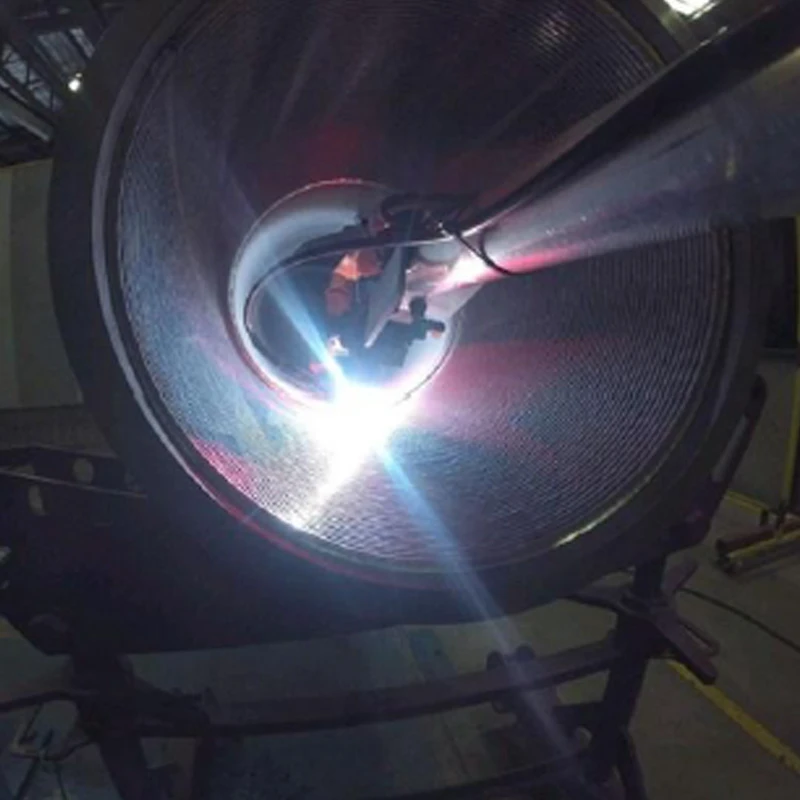
    Laser clad steel pipes are manufactured using laser cladding technology. This technology involves adding cladding material to the surface of ordinary steel pipe base material, using high-energy-density laser beams to fuse the cladding material with the steel pipe surface, forming a metallurgically bonded cladding layer. These pipes are generally used in compressed air energy storage projects as underground deep well transportation pipes or casings, as well as in oil, natural gas, and geothermal well extraction.
    VIEW ALL
  • Pipe Cap

    Pipe Cap

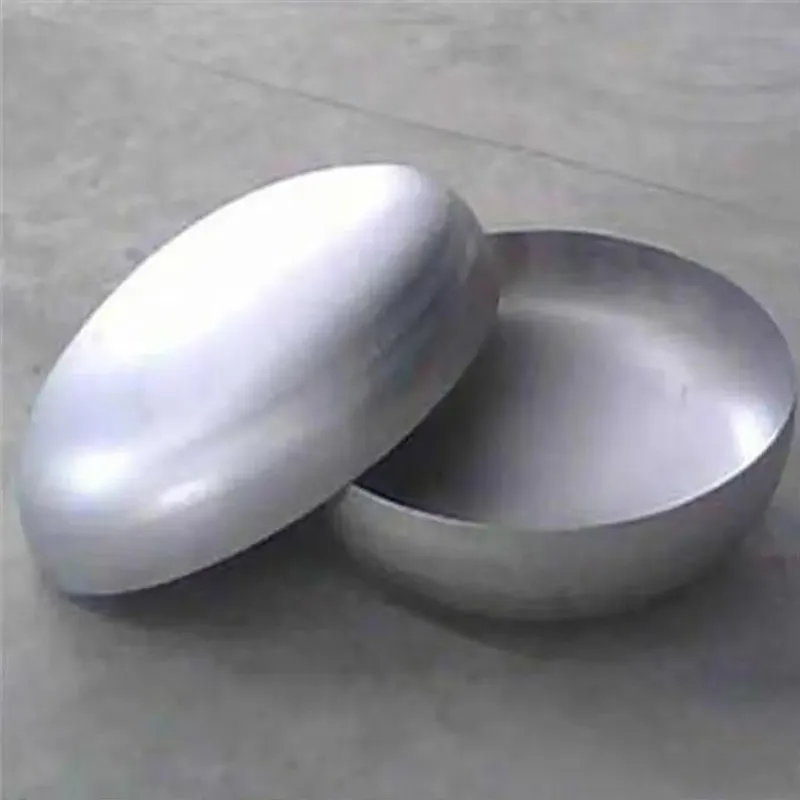
    Pipe caps come in different shapes, including round, square, and oval, and can be designed for both threaded and welded connections. They ensure the integrity of piping systems during transportation, storage, and installation by protecting the pipe ends from dirt, debris, and environmental factors. Durable and easy to install, pipe caps are critical for maintaining system efficiency and safety.
    VIEW ALL
To create value for customers!
Cangzhou Leo Technology Co., Ltd. is located in Mengcun County Economic Development Zone, Cangzhou City, Hebei Province. It is a specialized high-tech enterprise that integrates the research and development, production, and sales of composite pipes and fittings.
News
The company regards product quality as the life of the enterprise, establishes a sound quality management system in accordance with the requirements of industry and national standards, controls all aspects of input and output in the whole process, pays attention to every detail, and ensures that the product delivery pass rate is 100%.
Ultimate Guide to 4130 Tubing Strength Performance and Applications
Ultimate Guide to 4130 Tubing Strength Performance and Applications

In the world of high-performance engineering, material selection is the foundation of safety and efficiency. 4130 tubing is widely regarded as the gold standard for applications requiring an exceptional strength-to-weight ratio. This chrome-molybdenum alloy steel is engineered to withstand extreme stress while remaining lightweight enough for aerospace and automotive use. Whether you are designing a roll cage, a bicycle frame, or a critical industrial component, understanding the nuances of this material is essential. In this comprehensive guide, we will explore why this specific alloy is preferred by engineers worldwide and how to choose the right specifications for your project.
Pipe Cap-Cangzhou Lion Technology Co., Ltd.|Enhancing System Efficiency&Durability

Pipe Cap-Cangzhou Lion Technology Co., Ltd.|Enhancing System Efficiency&Durability

Discover advanced Pipe Caps and stainless steel cap solutions from Cangzhou Lion Technology Co., Ltd. Enhancing system efficiency & durability with butt weld pipe caps, threaded steel caps, and custom stainless steel chimney caps. Ensure quality assurance with global standards. Explore now: https://www.lion-pipeline.com/pipe-cap.html
Pipe Cap-Cangzhou Lion Technology Co., Ltd.|Enhancing System Efficiency&Durability

Pipe Cap-Cangzhou Lion Technology Co., Ltd.|Enhancing System Efficiency&Durability

Discover advanced Pipe Caps and stainless steel cap solutions from Cangzhou Lion Technology Co., Ltd. Enhancing system efficiency & durability with butt weld pipe caps, threaded steel caps, and custom stainless steel chimney caps. Ensure quality assurance with global standards. Explore now: https://www.lion-pipeline.com/pipe-cap.html
Pipe Cap-Cangzhou Lion Technology Co., Ltd.|Enhancing System Efficiency&Durability

Pipe Cap-Cangzhou Lion Technology Co., Ltd.|Enhancing System Efficiency&Durability

Discover advanced Pipe Caps and stainless steel cap solutions from Cangzhou Lion Technology Co., Ltd. Enhancing system efficiency & durability with butt weld pipe caps, threaded steel caps, and custom stainless steel chimney caps. Ensure quality assurance with global standards. Explore now: https://www.lion-pipeline.com/pipe-cap.html
Pipe Cap-Cangzhou Lion Technology Co., Ltd.|Enhancing System Efficiency&Durability

Pipe Cap-Cangzhou Lion Technology Co., Ltd.|Enhancing System Efficiency&Durability

Discover advanced Pipe Caps and stainless steel cap solutions from Cangzhou Lion Technology Co., Ltd. Enhancing system efficiency & durability with butt weld pipe caps, threaded steel caps, and custom stainless steel chimney caps. Ensure quality assurance with global standards. Explore now: https://www.lion-pipeline.com/pipe-cap.html
Pipe Cap-Cangzhou Lion Technology Co., Ltd.|Enhancing System Efficiency&Durability

Pipe Cap-Cangzhou Lion Technology Co., Ltd.|Enhancing System Efficiency&Durability

Discover advanced Pipe Caps and stainless steel cap solutions from Cangzhou Lion Technology Co., Ltd. Enhancing system efficiency & durability with butt weld pipe caps, threaded steel caps, and custom stainless steel chimney caps. Ensure quality assurance with global standards. Explore now: https://www.lion-pipeline.com/pipe-cap.html
tel email tel top

If you are interested in our products, you can choose to leave your information here, and we will be in touch with you shortly.