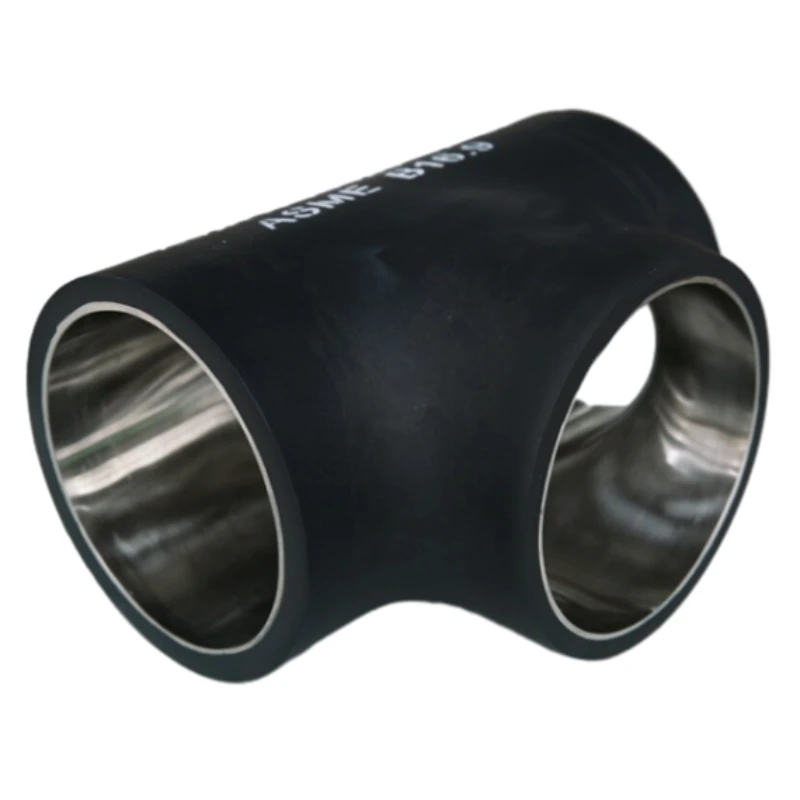
The demanding environment of offshore oil and gas platforms places extraordinary stress on every component within the intricate network of piping systems. These systems are the lifelines, transporting hydrocarbons, water, chemicals, and utilities under high pressures and often corrosive conditions. Ensuring their integrity over decades of operation is paramount, not only for operational efficiency but for environmental protection and personnel safety. At the heart of reliable directional changes within these critical pipelines lie specialized components: forged steel elbow, galvanised steel elbow, and mild steel elbows. The installation of these elbows, particularly robust forged steel elbow fittings, requires meticulous planning, precision execution, and components manufactured to the highest standards. This is where the expertise of established manufacturers like Cangzhou Lion Technology Co., Ltd. becomes indispensable.
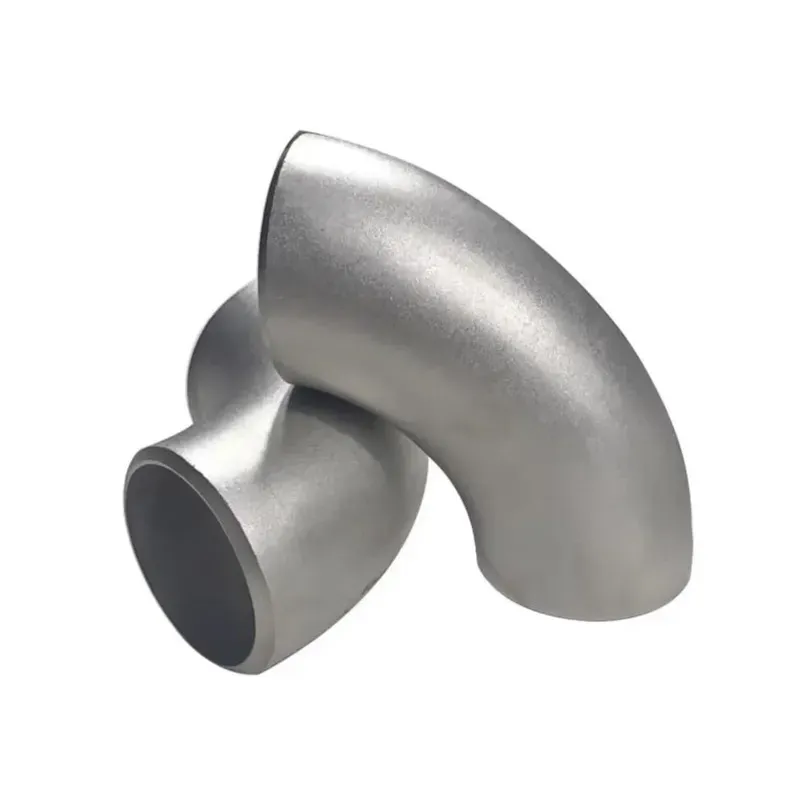
Elbows are fundamental pipe fittings designed to change the direction of pipelines. In offshore applications, they are subjected to relentless challenges: high internal and external pressures, dynamic loads from waves and platform movement, seawater corrosion, and potentially corrosive process fluids. Common angles like 45°, 90°, and 180° are widely used to navigate the complex spatial constraints of platforms. The size range is extensive, typically spanning from DN15 up to DN2000, catering to everything from instrument lines to major process headers. Choosing the right elbow type – be it mild steel elbows for less critical utility services, galvanised steel elbow for enhanced corrosion resistance in certain atmospheres, or the superior strength of forged steel elbow for high-stress process lines – is a critical engineering decision based on pressure rating, temperature, fluid compatibility, and required longevity.
Cangzhou Lion Technology Co., Ltd., strategically located in the Mengcun County Economic Development Zone, Cangzhou City, Hebei Province, stands as a testament to the advanced manufacturing capability required to supply the offshore sector. As a professional high-tech enterprise with a registered capital of 100.8 million yuan, they specialize in the research, development, production, and sales of clad pipes and pipe fittings, bringing significant expertise to the production of essential piping components.
Their comprehensive facility, spanning 75,000 square meters and employing 120 skilled professionals, houses over 200 sets of advanced production and testing equipment. This includes formidable assets like a 6000T heavy-duty hydraulic press – crucial for forming heavy-wall and high-strength components – and DN1200, DN600, and DN350 intermediate frequency induction pushers for precision bending. Their capability extends to sophisticated heat treatment with three large-scale natural gas furnaces offering temperature control accuracy within 10 degrees Celsius and rapid quenching capabilities (entering water within 30 seconds), essential for achieving the desired metallurgical properties in forged steel elbow components and other high-grade fittings.
With an annual production capacity of 10,000 tons for pressure piping components, Cangzhou Lion is geared for large-volume supply. Their expertise isn't limited to single materials; they are leaders in clad technology with 20,000 tons annual capacity for clad steel pipes and 5,000 tons for additive manufacturing on pipe fitting inner walls, offering solutions for highly corrosive services. This robust manufacturing foundation, coupled with their status as a designated supplier to major state-owned energy enterprise groups and ongoing collaborations with domestic research institutes, positions them as a reliable source for high-integrity pipeline components, including the full spectrum of mild steel elbows, galvanised steel elbow, and forged steel elbow products demanded by offshore projects.
Corrosion is the ever-present enemy offshore. While forged steel elbow components offer inherent strength, additional protection is often necessary depending on the service environment. Galvanization, the process of applying a protective zinc coating, is a common and effective method for galvanised steel elbow fittings used in atmospheric or less aggressive fluid services. This zinc layer acts sacrificially, significantly extending the service life of the underlying mild steel elbows. For more severe corrosive environments, especially in process lines handling sour gas or acidic fluids, materials like stainless steel or Cangzhou Lion's specialized clad pipes (e.g., 304 lined bimetallic, or non-metallic lined) become essential. The choice between a standard galvanised steel elbow and a clad solution hinges on rigorous corrosion assessment. Proper surface preparation, coating application (if applicable beyond galvanizing), and meticulous handling during transport and installation are vital to preserve these protective barriers and ensure the long-term integrity of all elbow types installed on the platform.
The primary advantage lies in superior structural integrity. The forging process aligns the grain structure of the metal, creating a denser, stronger, and more homogeneous component compared to cast or fabricated elbows. This makes forged steel elbow fittings exceptionally resistant to high internal pressure, impact loads, and fatigue – critical factors in the dynamic offshore environment, especially for main process lines and high-pressure utility systems.
A galvanised steel elbow is typically chosen for applications involving lower pressures, lower temperatures, and less corrosive fluids, often found in utility systems (e.g., seawater cooling lines, firewater systems, non-process vent lines) exposed to the marine atmosphere. The zinc coating provides effective sacrificial corrosion protection against salt spray and atmospheric moisture, offering a cost-effective solution where the extreme strength of forging is not required, but enhanced corrosion resistance over bare mild steel elbows is necessary.
Yes, mild steel elbows have their place in offshore applications, primarily in low-pressure, non-critical utility services where corrosion is minimal or can be effectively managed through coatings and cathodic protection (e.g., some internal dry service instrument air lines, certain drainage systems). However, their use is generally limited compared to galvanised steel elbow or forged steel elbow components due to lower inherent strength and corrosion resistance. Strict adherence to design pressure/temperature ratings and corrosion management plans is essential.
Offshore-grade forged steel elbow fittings undergo stringent quality control. This typically includes material certification (chemical composition, mechanical properties), non-destructive testing (NDT) such as ultrasonic testing (UT) to detect internal flaws, magnetic particle testing (MT) or liquid penetrant testing (PT) for surface defects, dimensional verification, visual inspection, and often pressure testing. Heat treatment records verifying proper hardening and tempering are also critical. Manufacturers like Cangzhou Lion leverage advanced testing equipment to ensure compliance with international standards like ASME B16.9, MSS-SP-75, or specific client specifications.
Material selection directly influences installation complexity and lifecycle costs. Forged steel elbow components, while heavier and potentially requiring more robust supports, offer the highest reliability in critical services, minimizing the risk of failure and associated costly downtime or repairs. Galvanised steel elbow fittings require careful handling during installation to avoid damaging the zinc coating; any damage must be repaired immediately to prevent accelerated corrosion. Mild steel elbows generally need comprehensive external coating systems and often cathodic protection, adding to initial installation complexity and requiring ongoing monitoring and maintenance. Choosing the right material upfront optimizes both installation efficiency and long-term operational costs.
The successful installation and long-term performance of elbows on offshore platforms hinge on selecting the right component for the specific service – be it the robustness of a forged steel elbow for high-stress process lines, the cost-effective corrosion protection of a galvanised steel elbow for utilities, or the appropriate use of mild steel elbows in controlled environments. This selection must be backed by manufacturing excellence, rigorous quality control, and adherence to strict installation procedures. Cangzhou Lion Technology Co., Ltd., with its significant investment in advanced manufacturing infrastructure (including the 6000T press, induction benders, and precision heat treatment), substantial production capacity (10,000 tons/year for pressure components), focus on high-tech solutions like clad pipes, and recognition as a supplier to major energy enterprises, embodies the capability required to reliably produce large volumes of these critical pipeline components. Their commitment to technological advancement and quality assurance ensures that the elbows integral to offshore piping systems meet the extreme demands of the environment, contributing to the safety, efficiency, and longevity of offshore energy operations.
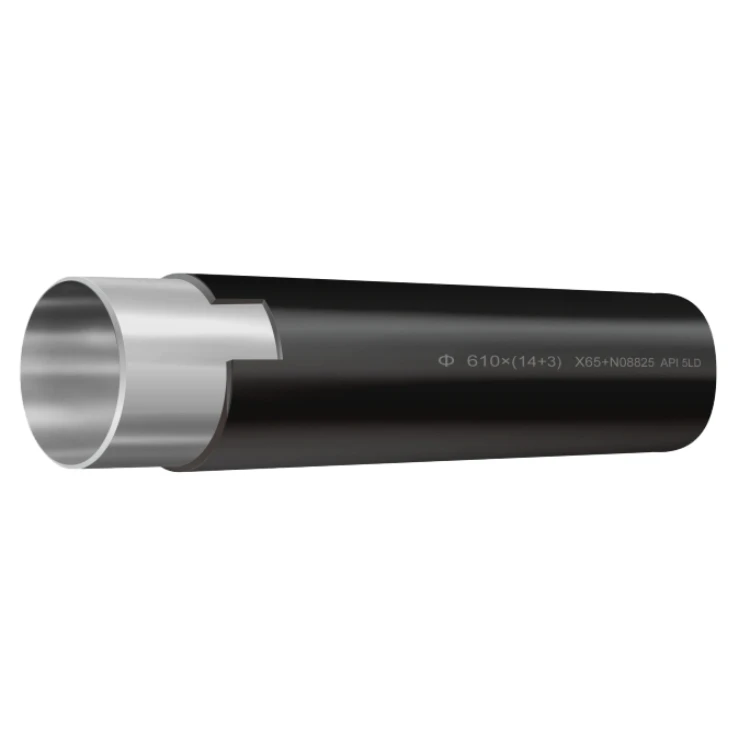
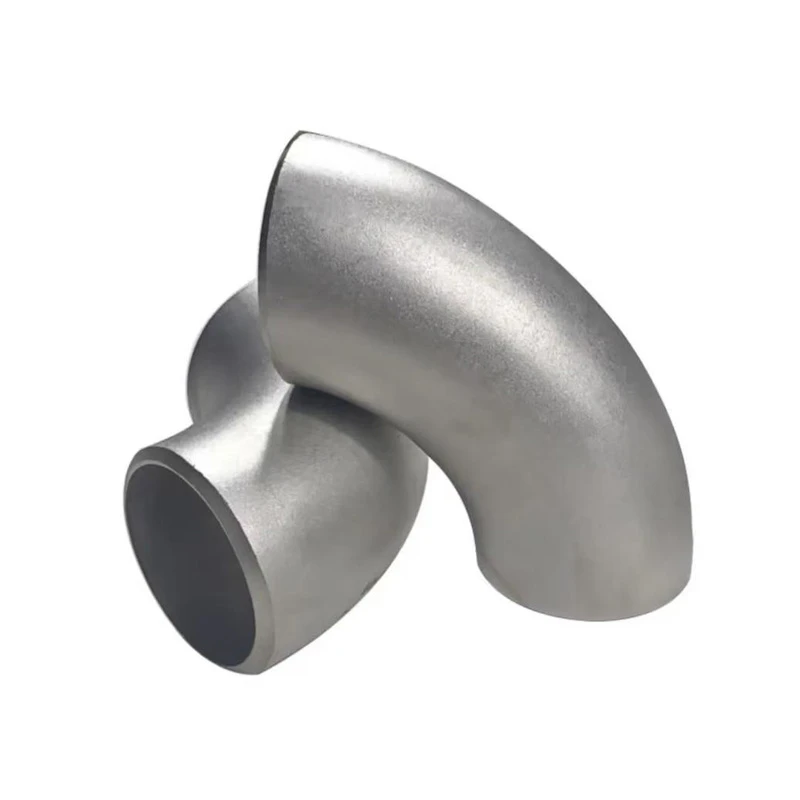
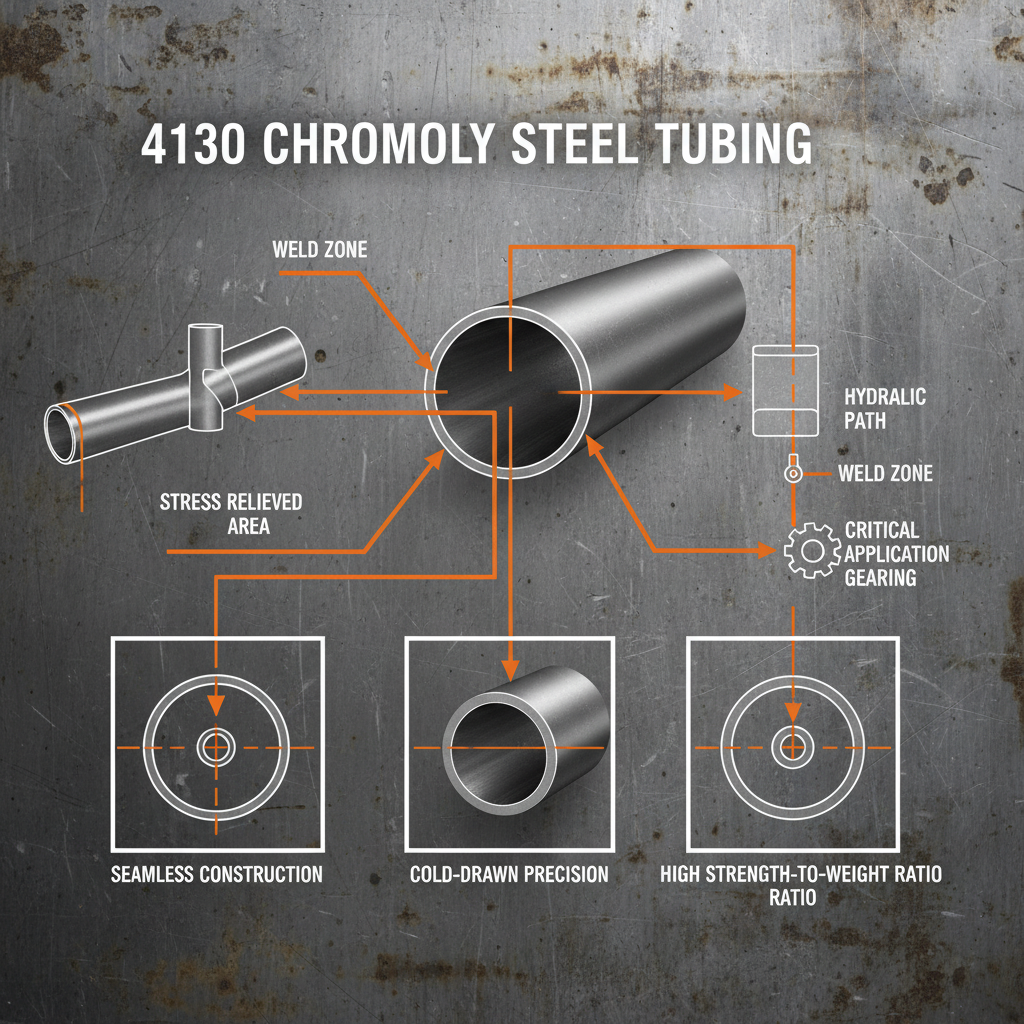
Ultimate Guide to 4130 Tubing Strength Performance and Applications
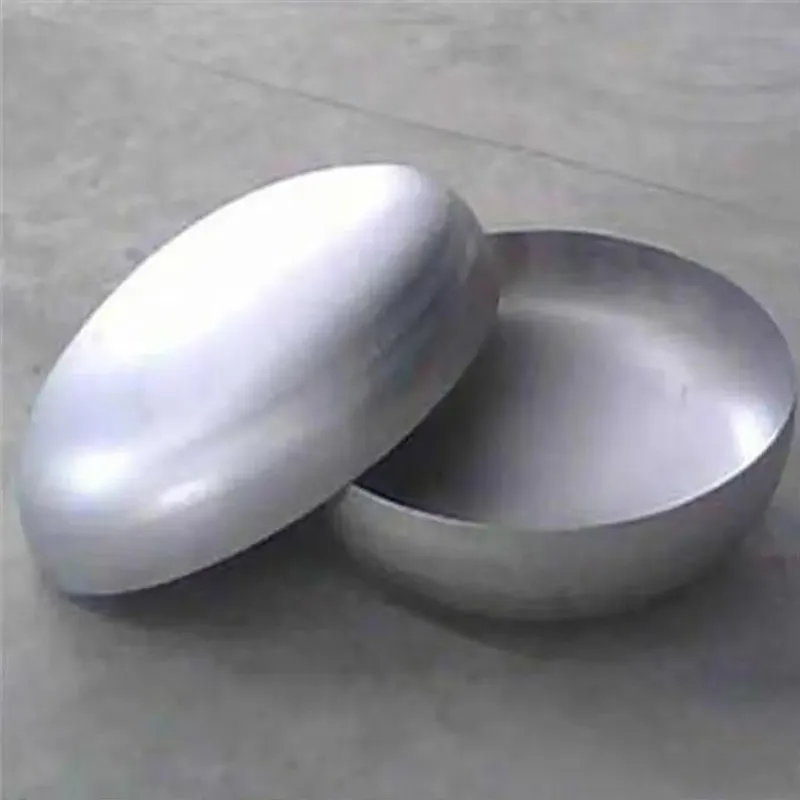
Pipe Cap-Cangzhou Lion Technology Co., Ltd.|Enhancing System Efficiency&Durability
Pipe Cap-Cangzhou Lion Technology Co., Ltd.|Enhancing System Efficiency&Durability
Pipe Cap-Cangzhou Lion Technology Co., Ltd.|Enhancing System Efficiency&Durability
Pipe Cap-Cangzhou Lion Technology Co., Ltd.|Enhancing System Efficiency&Durability
Pipe Cap-Cangzhou Lion Technology Co., Ltd.|Enhancing System Efficiency&Durability