tel
Email
to top

Fireproofing Requirements for Insulated Steel Pipe in Buildings

Sep 09 2025
share:

Integrating piping systems within modern buildings demands rigorous fire safety measures, particularly for insulated steel pipe networks carrying steam, hot water, or chemicals. These systems must maintain thermal efficiency while preventing fire spread and structural compromise. Fireproofing requirements for insulated steel pipe in buildings encompass material selection, passive fire protection (PFP) integration, and adherence to international safety standards. Failure to comply risks catastrophic consequences, making robust engineering and manufacturing essential for high-rise structures, industrial facilities, and energy plants.
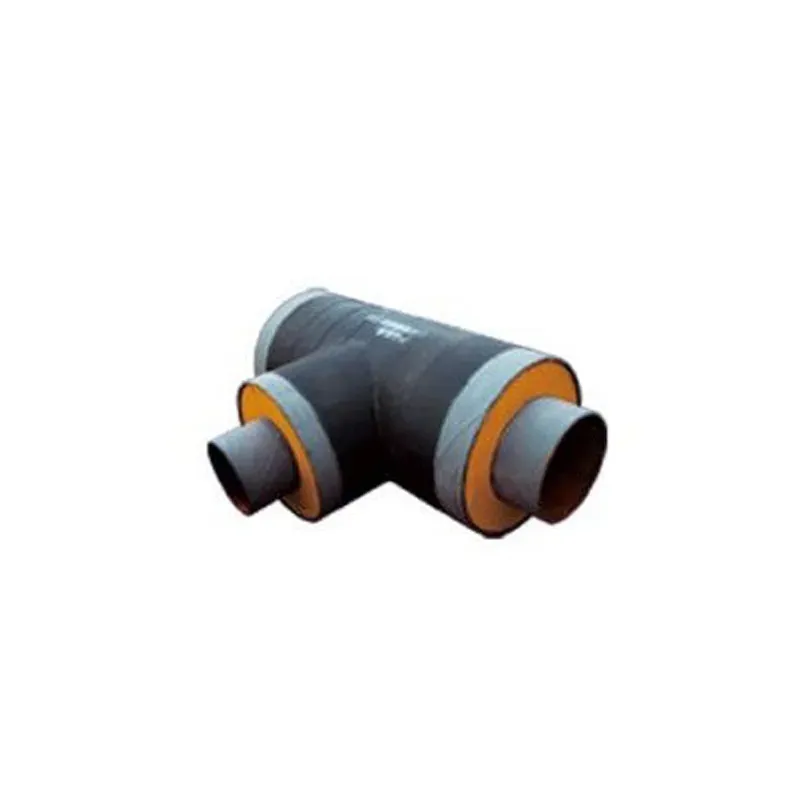
 

Fireproofing Requirements for Insulated Steel Pipe in Buildings


Critical Fire Risks in Building-Integrated Insulated Steel Pipe Systems


  • Insulated steel pipesystems inherently concentrate thermal energy. During a fire, unprotected insulation can ignite or melt, exposing the pipe to rapid temperature rise. This risks:
  • Structural failure:Carbon steel weakens above 538°C (1000°F), potentially causing pipe collapse and fluid release.
  • Fire propagation:Combustible insulation or jacketing fuels fire spread through concealed spaces.
  • Toxic smoke:Burning polymer-based insulation generates hazardous fumes.

Meeting fireproofing requirements involves selecting non-combustible insulation (e.g., mineral wool), applying fire-resistive coatings or wraps, and using firestop seals at penetrations. Pre insulated steel pipe systems must be designed with these protections integral to the assembly, especially for vertical chases or plenums where fire can rapidly ascend.


Advantages of Pre Insulated Steel Pipe in Fire Containment


Factory-applied pre insulated steel pipe offers inherent fire safety advantages over field-insulated alternatives:

  • Controlled Quality:Insulation density, thickness, and jacketing integrity are precisely managed during manufacturing, ensuring consistent fire performance.
  • Integrated Fire Barriers:High-quality pre insulated carbon steel pipe systems incorporate non-combustible insulation (e.g., calcium silicate, aerogel) and robust metal jacketing (stainless steel, aluminum) that resists fire exposure.
  • Sealed Systems:Factory sealing minimizes gaps where fire could penetrate, simplifying the installation of supplementary firestop collars at floor/wall penetrations.

Manufacturers adhering to standards like EN 14390 or ASTM E814 ensure their pre insulated steel pipe assemblies undergo rigorous fire endurance and hose stream tests.


Material Selection: Pre Insulated Carbon Steel Pipe Performance


Pre insulated carbon steel pipe remains prevalent due to its strength and cost-effectiveness. Its fireproofing relies heavily on the insulation system:

  • Insulation Fire Rating:Must achieve minimum fire-resistance ratings (e.g., 1-3 hours) per ASTM E119 or local codes. Mineral-based insulations maintain integrity at high temperatures.
  • Jacketing Integrity:Metal jacketing on pre insulated carbon steel pipe must resist deformation and prevent insulation exposure during fire. Aluminum or stainless steel jacketing provides superior melt-point resistance.
  • Clad Options:For pipes carrying corrosive media in fire-prone zones, pre insulated carbon steel pipe with corrosion-resistant internal cladding (e.g., 304 stainless via laser additive manufacturing) ensures pipe integrity even if external insulation is compromised.
  •  

Cangzhou Lion Technology: Engineering Fire-Resistant Insulated Steel Pipe Solutions


Delivering compliant insulated steel pipe systems requires advanced materials science and large-scale manufacturing precision. Cangzhou Lion Technology Co., Ltd., a premier high-tech enterprise in Hebei Province, leverages its expertise to support critical fireproofing requirements:

  • Material & Cladding Expertise:Specializes in corrosion-resistant clad pipes (304 stainless lined, bimetallic laser/arc additive, non-metallic lined), essential for maintaining pipe integrity under fire-induced thermal stress. Their 5,000-ton additive manufacturing capacity enables precise internal cladding.
  • High-Temp Component Fabrication:Utilizes DN1200/DN600/DN350 intermediate frequency pushers and 6000T hydraulic presses for forming robust pipe fittings (elbows, tees, reducers DN15-DN1800) from carbon steel, alloy steel, and bimetallic composites.
  • Precision Heat Treatment:Three natural gas furnaces (±10°C accuracy) ensure optimal material properties for fire endurance. Rapid quenching capability enhances steel stability.
  • Scale for Building Projects:Annual capacities include 20,000 tons of clad/bimetal pipes and 10,000 tons of pressure components (insulated fittings, supports), enabling large-volume supply for skyscrapers and industrial complexes.
  • Integrated Testing:Over 200 production/testing units validate dimensional accuracy, weld integrity, and material performance – foundational for reliable fireproofing.
  •  

FAQs about Insulated Steel Pipe Fire Safety


What core fireproofing standards apply to insulated steel pipe in high-rises?


Key standards include ASTM E119 (fire-resistance testing), ASTM E814 (firestop systems), NFPA 90A (HVAC systems), and IBC/IFC penetration sealing requirements. Pre insulated steel pipe assemblies must be tested per these protocols.


How does pre insulated steel pipe simplify firestop installation?


Pre insulated steel pipe features consistent outer diameter and jacketing, allowing pre-approved firestop collars or wrap systems to be reliably installed at penetrations, reducing on-site errors compared to field-insulated pipes.


What fire tests validate pre insulated carbon steel pipe assemblies?


Assemblies undergo furnace tests (ASTM E119) measuring endurance (hours before failure) and hose stream tests verifying integrity post-fire. Pre insulated carbon steel pipe systems must also pass flammability (ASTM E84) and smoke density tests.


Can manufacturers like Cangzhou Lion produce fire-rated large-diameter insulated steel pipes? 


Yes. Capabilities like DN1200 forming, 6000T pressing, and 20,000-ton annual pipe capacity enable production of fire-rated pre insulated steel pipe and fittings up to DN1800 for major construction projects, adhering to international fireproofing standards.


How to prevent fire when Insulated steel pipes pass through walls/floors? 


A: firestop seals (fireproof sealing system) should be used to seal the through holes. Due to the consistency of the outer diameter and sheath of the pre insulated steel pipe, the installation of the pre-certified firestop collars can be simplified and on-site errors can be reduced.


Fireproofing requirements for insulated steel pipe in buildings mandate non-combustible materials, tested fire-resistance ratings, and secure penetration sealing. Pre insulated steel pipe, especially pre insulated carbon steel pipe with mineral-based insulation and metal jacketing, provides inherent safety advantages through factory-controlled quality. Manufacturers like Cangzhou Lion Technology Co., Ltd. play a vital role, combining material expertise (corrosion-resistant cladding), heavy forming (6000T press), precision heat treatment (±10°C), and large-scale capacity (20,000+ tons annually) to produce compliant systems. Their ability to fabricate DN15-DN1800 insulated fittings and pipes ensures critical infrastructure meets stringent fire codes, protecting lives and assets by containing fire spread and maintaining structural stability during emergencies.
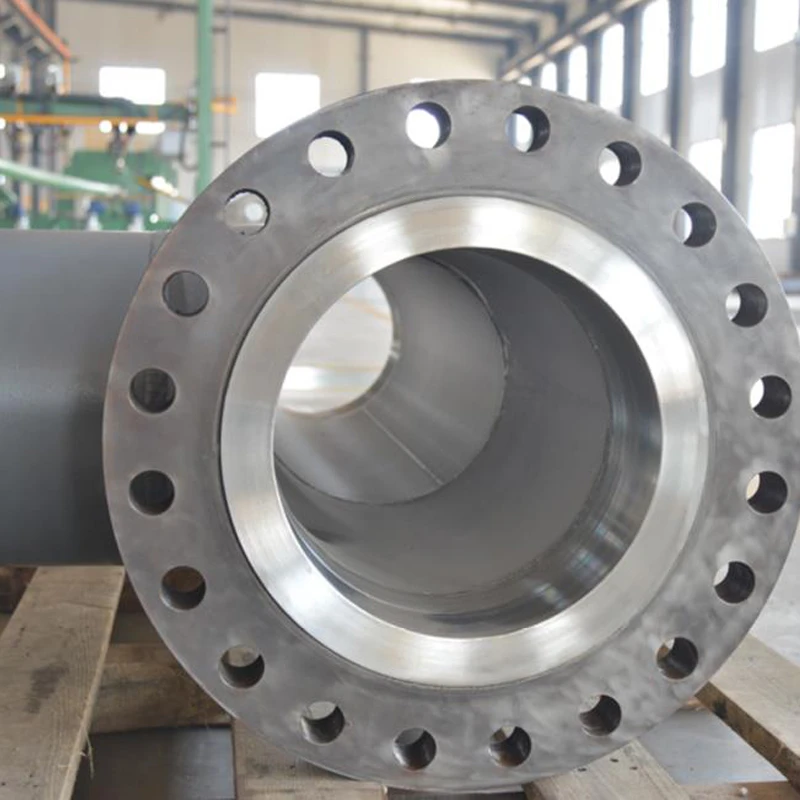
  • Bend Pipe

    Bend Pipe

    Bend is a crucial pipe fitting used to change the direction of flow in a piping system. It allows for smooth transitions between sections of pipe, accommodating layout constraints, avoiding obstacles, and optimizing flow paths. Bends are designed to maintain the fluid's velocity and minimize pressure loss while providing the necessary angle of deviation. They are commonly used in various industries, including oil and gas, petrochemicals, water supply, and HVAC systems.
    VIEW ALL
  • Carbon Semless Steel Pipes

    Carbon Semless Steel Pipes

    Carbon Seamless Steel Pipes are made from high-quality carbon steel and manufactured without welded seams, offering exceptional strength, durability, and resistance to pressure. These pipes are ideal for a wide range of applications, including oil and gas pipelines, construction, automotive, and fluid transportation systems. The seamless design ensures uniformity, higher structural integrity, and improved performance under high pressure and temperature conditions.
    VIEW ALL
  • Overlay Welding Clad Steel Pipe

    Overlay Welding Clad Steel Pipe

    Overlay Welding clad Steel Pipe features a high-performance welded overlay that enhances the pipe’s surface properties, providing superior resistance to corrosion, erosion, and wear. This process involves applying a wear-resistant alloy layer over a strong steel base, making it ideal for industries such as oil and gas, mining, and chemical processing, where pipes are exposed to harsh conditions. The overlay ensures extended service life, reduced maintenance costs, and reliable performance even in extreme environments. With its combination of strength, durability, and corrosion resistance, the Overlay Welding Steel Pipe is a trusted solution for critical applications.
    VIEW ALL
To create value for customers!
Cangzhou Leo Technology Co., Ltd. is located in Mengcun County Economic Development Zone, Cangzhou City, Hebei Province. It is a specialized high-tech enterprise that integrates the research and development, production, and sales of composite pipes and fittings.
News
The company regards product quality as the life of the enterprise, establishes a sound quality management system in accordance with the requirements of industry and national standards, controls all aspects of input and output in the whole process, pays attention to every detail, and ensures that the product delivery pass rate is 100%.
Industrial Guide to High Quality 5 8 Stainless Steel Tubing

Industrial Guide to High Quality 5 8 Stainless Steel Tubing

The Ultimate Guide to 5 8 Stainless Steel Tubing for Industrial Applications In the world of high-pressure fluid systems and structural engineering, precision is everything. 5 8 stainless steel tubing serves as a critical component across various sectors, providing an optimal balance between wall thickness, flow capacity, and mechanical strength. Whether you are dealing with corrosive chemicals in a pharmaceutical plant or high-temperature steam in a power station, choosing the right tubing size and grade is essential for system longevity and safety. This guide explores the technical nuances, material advantages, and practical applications of this specific tubing dimension to help you make an informed procurement decision.
5 8 Square Tubing Applications and Technical Specifications

5 8 Square Tubing Applications and Technical Specifications

The Ultimate Guide to 5 8 Square Tubing: Applications and Specifications When it comes to structural integrity and precision engineering, selecting the right materials is the cornerstone of any successful project. 5 8 square tubing offers a perfect balance of strength, weight, and versatility, making it a preferred choice for architects, automotive engineers, and DIY enthusiasts alike. Whether you are constructing a heavy-duty industrial frame or a sleek piece of modern furniture, understanding the nuances of this specific tubing size is essential for optimizing performance. In this comprehensive guide, we will explore the technical specifications, material options, and various industry applications
Ultimate Guide to 4130 Tubing Strength Performance and Applications
Ultimate Guide to 4130 Tubing Strength Performance and Applications

In the world of high-performance engineering, material selection is the foundation of safety and efficiency. 4130 tubing is widely regarded as the gold standard for applications requiring an exceptional strength-to-weight ratio. This chrome-molybdenum alloy steel is engineered to withstand extreme stress while remaining lightweight enough for aerospace and automotive use. Whether you are designing a roll cage, a bicycle frame, or a critical industrial component, understanding the nuances of this material is essential. In this comprehensive guide, we will explore why this specific alloy is preferred by engineers worldwide and how to choose the right specifications for your project.
Properties and Industrial Applications of 4130 steel tubing

Properties and Industrial Applications of 4130 steel tubing

In the world of high-performance engineering, material selection is the foundation of safety and efficiency. 4130 steel tubing is widely recognized as the gold standard for applications requiring an exceptional strength-to-weight ratio. Known for its versatility and reliability, this chromium-molybdenum alloy is the preferred choice for everything from aircraft frames to professional roll cages. Understanding the nuances of this material allows engineers to optimize structural integrity without adding unnecessary bulk. In this comprehensive guide, we will explore why this specific alloy remains a top choice for critical industrial and aerospace components.
Comprehensive Guide to 40mm Steel Tube Applications and Material Selection

Comprehensive Guide to 40mm Steel Tube Applications and Material Selection

40mm steel tube is a versatile and widely used material in various industries, from construction and manufacturing to automotive and beyond. Its strength, durability, and cost-effectiveness make it an ideal choice for numerous applications. This article will delve into the characteristics, applications, benefits, and considerations when working with 40mm steel tube, providing a comprehensive overview for professionals and anyone interested in this essential material.
Comprehensive Guide to 40mm Steel Pipe Applications and Considerations

Comprehensive Guide to 40mm Steel Pipe Applications and Considerations

40mm steel pipe is a widely used material in various industries due to its strength, durability, and cost-effectiveness. From construction and infrastructure projects to industrial applications and fluid transportation, this pipe size offers a versatile solution. This article will delve into the properties, applications, standards, and key considerations when selecting 40mm steel pipe, helping you make informed decisions for your specific needs.
tel email tel top

If you are interested in our products, you can choose to leave your information here, and we will be in touch with you shortly.