tel
Email
to top

Mastering the Art of Flange Installation for Home Fixtures

Jul 16 2025
share:

When it comes to home improvement projects, proper installation of fixtures is crucial for functionality and longevity. Among these tasks, the installation of various types of flanges, such as those for toilets and garbage disposals, plays a significant role. Whether you're installing a new toilet flangeinstalling a toilet flange on a concrete floorinstalling a toilet flange on plywood, or installing a garbage disposal flange, understanding the correct techniques can make the difference between a successful installation and future plumbing headaches.
 

Mastering the Art of Flange Installation for Home Fixtures


Installing a New Toilet Flange: A Step - by - Step Guide


Embarking on the task of installing a new toilet flange requires careful preparation and attention to detail. First, start by removing the old toilet, which involves disconnecting the water supply line and gently lifting the toilet off the existing flange. Once the toilet is out of the way, inspect the old flange for any signs of damage or wear. If it's in poor condition, it's essential to replace it with a new one. When installing the new flange, ensure that it is level and properly aligned with the drainpipe. This step is critical as an uneven or misaligned flange can lead to leaks and instability of the toilet. Secure the flange to the floor using the appropriate screws or bolts, depending on the type of flooring material. After the flange is firmly in place, you can proceed with reinstalling the toilet, carefully aligning it over the flange and securing it in position.


Navigating the Challenges of Installing a Toilet Flange on a Concrete Floor


Installing a toilet flange on a concrete floor presents its own set of challenges compared to other flooring types. The hardness of the concrete requires the use of specialized tools, such as a masonry drill, to create holes for the flange bolts. Before installing the flange, clean the surface of the concrete thoroughly to remove any debris or dust that could interfere with the seal. When positioning the flange, use a level to ensure it sits flat and level on the concrete. Since concrete is less forgiving than softer materials, getting the alignment right the first time is crucial. Once the flange is in the correct position, insert the bolts into the pre - drilled holes and tighten them securely. It's also advisable to use a concrete - specific adhesive or sealant around the edges of the flange to create a watertight seal and prevent any potential leaks.


Installing a Toilet Flange on Plywood: Tips and Tricks


Working with plywood when installing a toilet flange requires a different approach. Plywood is more susceptible to moisture damage, so it's important to take extra precautions to protect the wood. Start by ensuring that the plywood subfloor is in good condition and free from any rot or damage. If necessary, reinforce the plywood around the flange area to provide additional support. When installing the flange, use screws or bolts that are appropriate for plywood, making sure not to overtighten and risk splitting the wood. To create a proper seal, apply a generous amount of plumber's putty or a specialized sealant around the base of the flange before setting the toilet in place. This will help prevent water from seeping through and damaging the plywood over time.


Installing a Garbage Disposal Flange: A Different Kind of Installation


Installing a garbage disposal flange is another important task in the kitchen plumbing system. Begin by disconnecting the power source to the garbage disposal for safety. Remove the old flange from the sink drain, taking care to clean any  sealant or debris. When installing the new flange, place a rubber gasket on the underside of the sink to create a watertight seal. Lower the flange through the drain hole from the top of the sink and secure it in place with the mounting ring and screws from underneath. Connect the garbage disposal to the flange, ensuring that all connections are tight and properly aligned. Finally, reconnect the power source and test the garbage disposal to make sure it is working correctly and there are no leaks around the flange area.


Common Mistakes and How to Avoid Them in Flange Installation


Incorrect Flange Alignment


One of the most common mistakes during flange installation, whether it's installing a new toilet flange or installing a garbage disposal flange, is incorrect alignment. This can lead to leaks and poor performance of the fixture. To avoid this, always use a level to ensure the flange is perfectly horizontal. Double - check the alignment with the drainpipe or sink hole before securing the flange in place.


Using the Wrong Fasteners


Using the wrong type of screws or bolts for the flooring material can also cause problems. For example, using wood screws on a concrete floor when installing a toilet flange on a concrete floor will not provide a secure hold. Make sure to use fasteners that are specifically designed for the type of surface you are working with to ensure a stable and long - lasting installation.


Neglecting Sealant Application


Skipping or applying insufficient sealant around the flange is a mistake that can result in water leaks. Whether it's a toilet flange on plywood or a garbage disposal flange, a proper seal is essential. Apply an adequate amount of plumber's putty or a suitable sealant to create a watertight barrier and protect against moisture damage.
  • Bend Pipe

    Bend Pipe

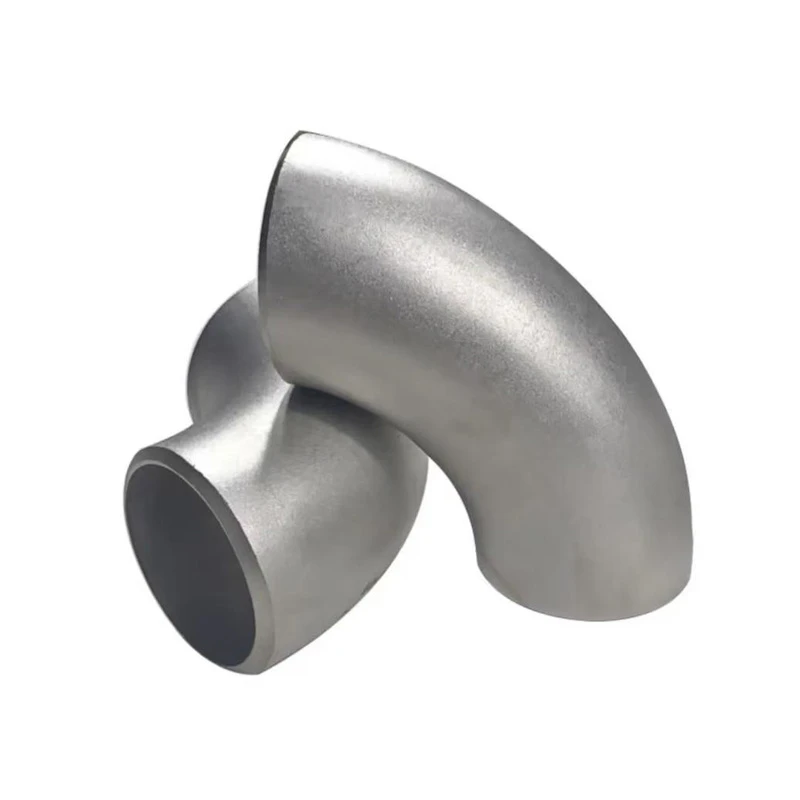
    Bend is a crucial pipe fitting used to change the direction of flow in a piping system. It allows for smooth transitions between sections of pipe, accommodating layout constraints, avoiding obstacles, and optimizing flow paths. Bends are designed to maintain the fluid's velocity and minimize pressure loss while providing the necessary angle of deviation. They are commonly used in various industries, including oil and gas, petrochemicals, water supply, and HVAC systems.
    VIEW ALL
  • Pipe Cap

    Pipe Cap

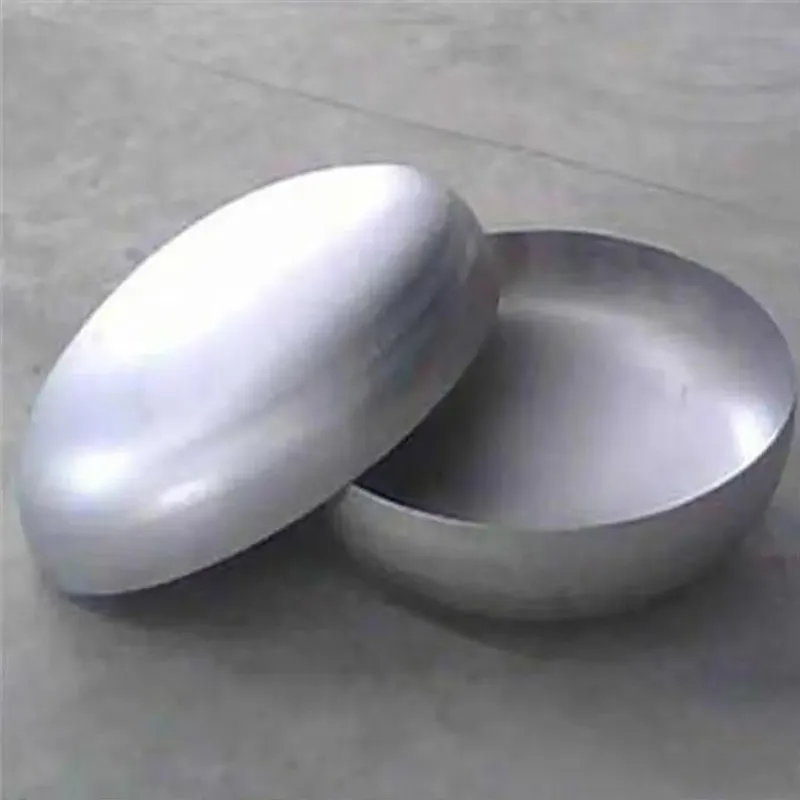
    Pipe caps come in different shapes, including round, square, and oval, and can be designed for both threaded and welded connections. They ensure the integrity of piping systems during transportation, storage, and installation by protecting the pipe ends from dirt, debris, and environmental factors. Durable and easy to install, pipe caps are critical for maintaining system efficiency and safety.
    VIEW ALL
  • Mechanical Clad Steel Pipe

    Mechanical Clad Steel Pipe

    Mechanical clad steel pipe (MCSP) is a kind of high-performance pipe, which is specially designed for demanding industrial applications. Combining the durability and strength of steel with advanced composite materials, MCSP provides enhanced corrosion resistance, high pressure and extreme temperatures.
    VIEW ALL
To create value for customers!
Cangzhou Leo Technology Co., Ltd. is located in Mengcun County Economic Development Zone, Cangzhou City, Hebei Province. It is a specialized high-tech enterprise that integrates the research and development, production, and sales of composite pipes and fittings.
News
The company regards product quality as the life of the enterprise, establishes a sound quality management system in accordance with the requirements of industry and national standards, controls all aspects of input and output in the whole process, pays attention to every detail, and ensures that the product delivery pass rate is 100%.
High Performance Sink Pipe Steel Guide for Industrial Piping

High Performance Sink Pipe Steel Guide for Industrial Piping

High-Performance Sink Pipe Steel: The Ultimate Guide to Industrial Piping In the demanding world of industrial manufacturing and pressure vessel construction, the selection of materials for piping systems is critical. Utilizing high-quality sink pipe steel ensures that systems can withstand extreme pressures, corrosive media, and mechanical stress. Whether it is for chemical processing, oil and gas, or construction, the right steel grade and fitting geometry can mean the difference between seamless operation and costly system failure. This guide explores the technical nuances of steel elbows and specialized clad materials designed for the most rigorous environments.
Ultimate Guide to Industrial Seamless Steel Pipe for Piping

Ultimate Guide to Industrial Seamless Steel Pipe for Piping

In the realm of modern industrial infrastructure, the integrity of piping systems is non-negotiable. The seamless steel pipe stands as the gold standard for transporting high-pressure fluids and gases. Unlike welded alternatives, seamless pipes are manufactured without a longitudinal seam, eliminating the most common point of failure and ensuring superior structural consistency. This makes them indispensable in sectors where safety and reliability are paramount, such as petroleum, nuclear power, and thermal energy. In this comprehensive guide, we will explore the technical advantages, material specifications, and critical applications of these high-performance components to help you make an informed procurement decision.
High Performance Seamless Steel Pipes for Industrial Piping

High Performance Seamless Steel Pipes for Industrial Piping

In the world of industrial fluid transportation and pressure vessel manufacturing, the choice of piping material can determine the safety and longevity of an entire system. Seamless steel pipes are engineered to withstand extreme conditions without the risk of weld-line failure, making them the gold standard for high-pressure environments. From oil and gas pipelines to hydraulic systems, these pipes offer unmatched structural integrity. In this comprehensive guide, we will explore the technical specifications, benefits, and diverse applications of carbon seamless steel solutions to help you make an informed procurement decision for your next engineering project.
High Performance Seamless Stainless Steel Pipe for Industrial Use

High Performance Seamless Stainless Steel Pipe for Industrial Use

The Ultimate Guide to Seamless Stainless Steel Pipe for Industrial Applications In the demanding world of oil and gas extraction, particularly in fields characterized by high hydrogen sulfide and carbon dioxide levels, the integrity of transportation infrastructure is critical. While traditional carbon steel often fails due to insufficient corrosion resistance, the seamless stainless steel pipe emerges as a premium solution. By eliminating weld seams, these pipes provide superior structural integrity and a seamless barrier against corrosive media. For industries operating under extreme pressure and chemical aggression, choosing the right piping material is not just about efficiencyit is about safety and long-term economic viability.
Industrial Piping Solutions Using Durable sch 40 steel pipe

Industrial Piping Solutions Using Durable sch 40 steel pipe

Optimizing Industrial Piping with SCH 40 Steel Pipe Solutions In the demanding world of industrial manufacturing and fluid transport, selecting the right piping specification is critical for safety and efficiency. The sch 40 steel pipe serves as a global standard for versatility, balancing wall thickness with internal flow capacity. Whether used in petrochemical plants, marine environments, or construction, this pipe grade provides the structural reliability needed to handle moderate pressures. However, as industries evolve, the integration of advanced technologies like laser cladding is transforming how we enhance these pipes to resist extreme corrosion and wear, extending the lifecycle of critical infrastructure.
Industrial 5 inch steel tubing Guide for High Pressure Systems

Industrial 5 inch steel tubing Guide for High Pressure Systems

The Ultimate Guide to 5 Inch Steel Tubing for Industrial Applications When designing high-pressure piping systems or structural frameworks, selecting the right material dimensions is critical for safety and efficiency. The 5 inch steel tubing serves as a versatile midpoint in industrial piping, offering a perfect balance between flow capacity and structural rigidity. Whether it is used in oil and gas transport, water management, or architectural support, the quality of the steel determines the longevity of the entire project. In this comprehensive guide, we will explore the technical specifications, material grades, and strategic advantages of utilizing this specific tubing size
tel email tel top

If you are interested in our products, you can choose to leave your information here, and we will be in touch with you shortly.