tel
Email
to top

Flange Varieties: Essential Components in Diverse Systems

Jul 16 2025
share:

Flanges are crucial components in a wide range of systems, providing secure connections and ensuring the integrity of fluid and gas flow. Different types of flanges serve specific purposes across various industries and household applications. This exploration delves into the world of hose flangehydrant flangehydraulic flangekitchen sink drain flange, and kitchen sink flange, uncovering their characteristics, functions, and significance.
 

Flange Varieties: Essential Components in Diverse Systems


Hose Flange: Connecting and Securing Hoses


In fluid - transfer systems, the hose flange plays a vital role. Typically made from materials like stainless steel, brass, or durable plastics, a hose flange is designed to create a leak - proof connection between a hose and another component, such as a pipe or a fitting. For example, in industrial settings where hoses are used to transport chemicals or water, the hose flange ensures that the connection remains secure under pressure. Its structure often includes bolt - holes or clamping mechanisms that allow it to be tightly fastened, preventing any unwanted spills or leaks that could pose safety risks or lead to inefficiencies in the system. The flange's surface finish and sealing capabilities are also key, as they contribute to the overall reliability of the hose connection.


Hydrant Flange: A Critical Element for Fire Protection


Hydrant flanges are essential components in fire hydrant systems. These flanges are engineered to withstand high - pressure water flow, which is crucial in emergency firefighting situations. Usually constructed from robust metals like ductile iron or cast steel, hydrant flanges provide a secure connection between the hydrant body and the water supply pipes. Their design ensures that when firefighters connect hoses to the hydrant, the connection can handle the intense pressure of the water being released. The flanges are often coated or treated to resist corrosion, as they are frequently exposed to the elements. A well - maintained hydrant flange is not only necessary for the proper functioning of the hydrant but also for the safety of communities, as it enables a reliable water source during fires.


Hydraulic Flange: Handling High - Pressure Fluid Power


In hydraulic systems, where high - pressure fluids are used to transmit power, hydraulic flanges are indispensable. These flanges are designed to handle extreme pressures and temperatures, ensuring the seamless operation of hydraulic machinery. Made from high - strength alloys, hydraulic flanges provide a rigid connection between hydraulic pipes, cylinders, and other components. Their precision - engineered surfaces create tight seals, preventing fluid leakage that could lead to a loss of power or damage to the system. For instance, in heavy - duty construction equipment or industrial manufacturing machinery, hydraulic flanges maintain the integrity of the hydraulic system, allowing for efficient and reliable operation. Regular inspection and maintenance of hydraulic flanges are essential to prevent failures and ensure the safety of operators and the equipment.


Kitchen Sink Drain Flange: Keeping the Drains Flowing Smoothly


In the realm of household plumbing, the kitchen sink drain flange is a small but important part of the drainage system. Positioned at the bottom of the sink basin, this flange forms a connection between the sink and the drainpipe. It is typically made of materials like stainless steel, plastic, or brass, and its primary function is to create a watertight seal to prevent water from leaking out of the sink and onto the floor. The flange also holds the sink strainer in place, which catches food scraps and other debris, preventing them from clogging the drain. A properly installed and maintained kitchen sink drain flange is essential for the efficient drainage of water from the sink, helping to avoid unpleasant odors and costly plumbing issues.


Kitchen Sink Flange: Supporting and Sealing the Sink


The kitchen sink flange serves as a support and sealing element for the entire sink installation. It is the part that attaches the sink to the countertop or cabinet. Made from materials that can withstand moisture and regular use, such as stainless steel or durable plastics, the kitchen sink flange provides stability to the sink, preventing it from shifting or wobbling. Additionally, it creates a seal between the sink and the countertop, preventing water from seeping underneath and causing damage to the cabinetry. The design of the kitchen sink flange often includes a gasket or rubber seal to enhance the waterproofing, ensuring a long - lasting and reliable sink installation.


FAQs about Flanges


How to Choose the Right Flange for a Specific Application?


Selecting the appropriate flange depends on several factors. First, consider the type of fluid or gas being transferred, as different materials are suitable for different substances. For example, if dealing with corrosive chemicals, a flange made of stainless steel or a specialized alloy may be required. Second, assess the operating pressure and temperature of the system, as flanges are rated for specific pressure and temperature ranges. Additionally, the size and shape of the components being connected, as well as the installation method (bolted, welded, etc.), should also be taken into account. Consulting with a professional or referring to industry standards can help in making the right choice.


What Are the Common Signs of Flange Damage?


Common signs of flange damage include visible leaks around the connection, corrosion on the flange surface, and abnormal vibrations or noises in the system. Leaks can indicate a worn - out gasket or a damaged flange face, while corrosion may weaken the flange over time. Vibrations and noises could suggest that the flange is loose or that there are issues with the alignment of the connected components. Regular inspection of flanges is important to detect these signs early and prevent more serious problems from occurring.


How to Maintain Flanges for Long - Term Use?


To ensure the long - term use of flanges, regular maintenance is key. This includes cleaning the flanges regularly to remove dirt, debris, and any corrosive substances. Inspecting the gaskets and bolts for wear and tear and replacing them as needed is also crucial. In addition, applying protective coatings or lubricants, depending on the type of flange and its operating environment, can help prevent corrosion and ensure smooth operation. Following the manufacturer's guidelines for maintenance and replacement intervals will help keep flanges in good working condition.
  • Flange

    Flange

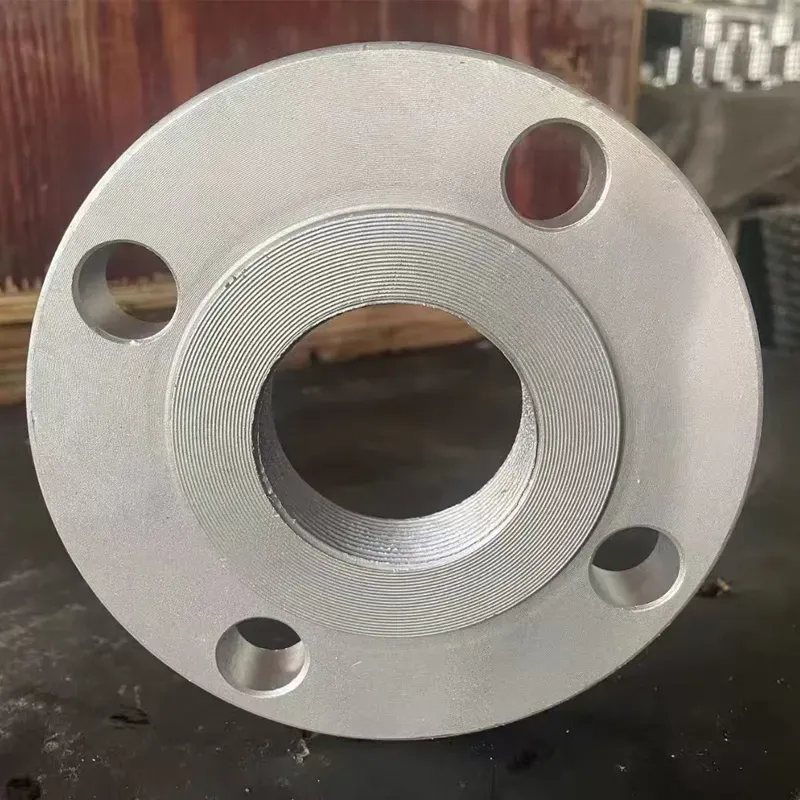
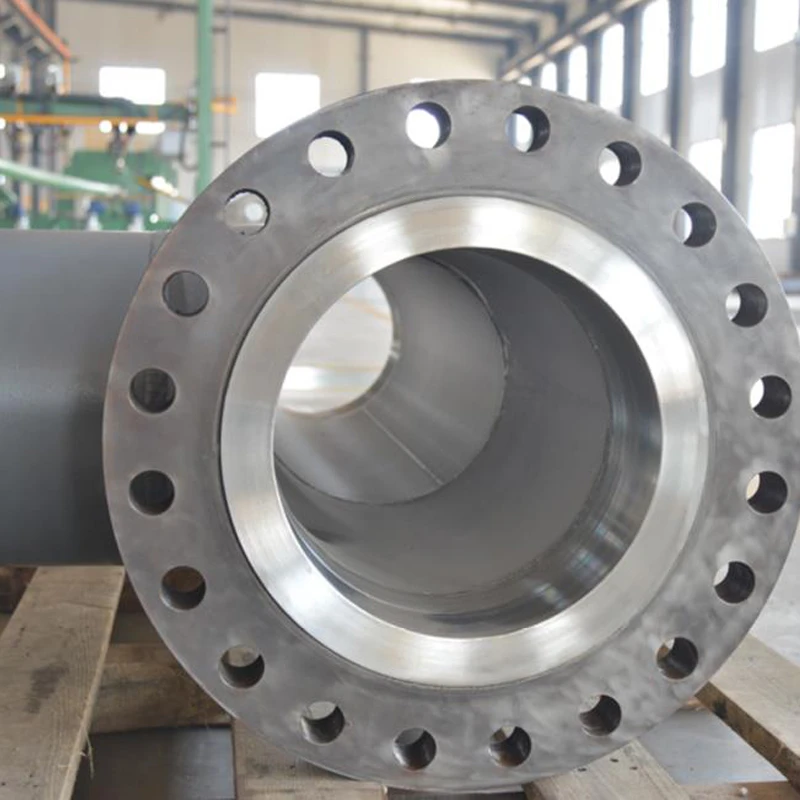
    Flange Product Introduction Flanges are used to connect pipes to pipes or pipes to equipment, ensuring a sealed and stable connection. They prevent fluid leakage and can withstand certain pressures and stresses, ensuring reliable connections. Flange nominal diameters range from DN15-DN2000 and beyond, covering various pipeline connection needs. Flanges primarily adhere to international standards such as ASME B16.5-2020, ASME B16.47-2020, and API 6A-2018.
    VIEW ALL
  • Reducer

    Reducer

    Reducer is a pipe fitting used to connect pipes of different diameters, facilitating smooth transitions between varying flow capacities in piping systems. Available in concentric and eccentric designs, reducers help maintain optimal flow efficiency while minimizing pressure loss and turbulence.
    VIEW ALL
  • Anti Corrosion And Thermal Insulation Products

    Anti Corrosion And Thermal Insulation Products

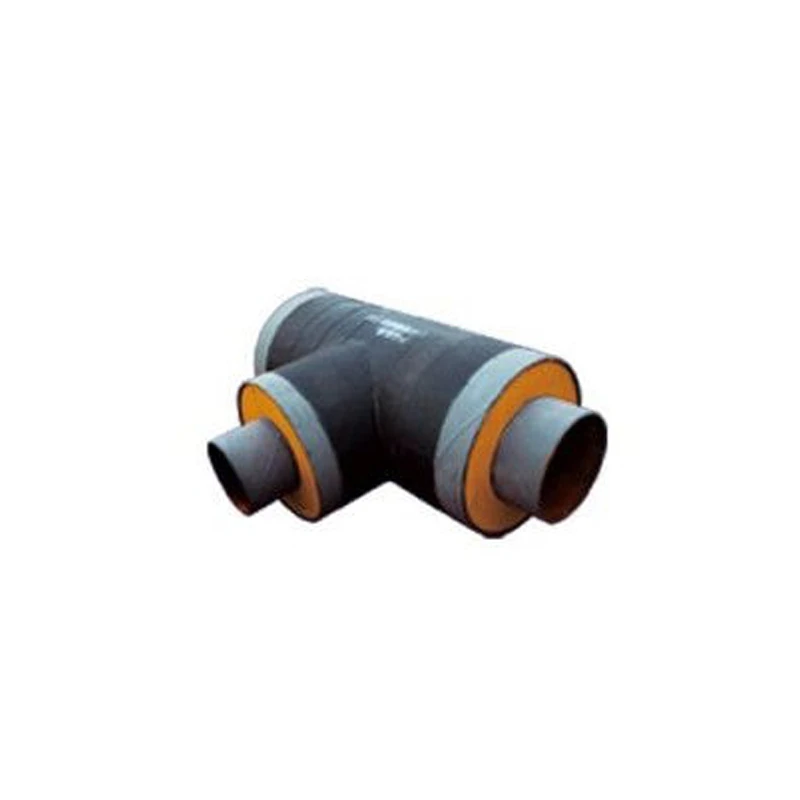
    The anti-corrosion and thermal insulation products we focus on produce play a key role in the industrial pipeline system, especially the thermal insulation pipe fittings and steel pipes. Thermal insulation pipe fittings cover elbows, tees, reducers and pipe supports, with specifications ranging from DN15 to DN1800, and are made of carbon steel, alloy steel, stainless steel, bimetallic composite, nickel-based alloy and other materials.
    VIEW ALL
To create value for customers!
Cangzhou Leo Technology Co., Ltd. is located in Mengcun County Economic Development Zone, Cangzhou City, Hebei Province. It is a specialized high-tech enterprise that integrates the research and development, production, and sales of composite pipes and fittings.
News
The company regards product quality as the life of the enterprise, establishes a sound quality management system in accordance with the requirements of industry and national standards, controls all aspects of input and output in the whole process, pays attention to every detail, and ensures that the product delivery pass rate is 100%.
High Performance Sink Pipe Steel Guide for Industrial Piping

High Performance Sink Pipe Steel Guide for Industrial Piping

High-Performance Sink Pipe Steel: The Ultimate Guide to Industrial Piping In the demanding world of industrial manufacturing and pressure vessel construction, the selection of materials for piping systems is critical. Utilizing high-quality sink pipe steel ensures that systems can withstand extreme pressures, corrosive media, and mechanical stress. Whether it is for chemical processing, oil and gas, or construction, the right steel grade and fitting geometry can mean the difference between seamless operation and costly system failure. This guide explores the technical nuances of steel elbows and specialized clad materials designed for the most rigorous environments.
Ultimate Guide to Industrial Seamless Steel Pipe for Piping

Ultimate Guide to Industrial Seamless Steel Pipe for Piping

In the realm of modern industrial infrastructure, the integrity of piping systems is non-negotiable. The seamless steel pipe stands as the gold standard for transporting high-pressure fluids and gases. Unlike welded alternatives, seamless pipes are manufactured without a longitudinal seam, eliminating the most common point of failure and ensuring superior structural consistency. This makes them indispensable in sectors where safety and reliability are paramount, such as petroleum, nuclear power, and thermal energy. In this comprehensive guide, we will explore the technical advantages, material specifications, and critical applications of these high-performance components to help you make an informed procurement decision.
High Performance Seamless Steel Pipes for Industrial Piping

High Performance Seamless Steel Pipes for Industrial Piping

In the world of industrial fluid transportation and pressure vessel manufacturing, the choice of piping material can determine the safety and longevity of an entire system. Seamless steel pipes are engineered to withstand extreme conditions without the risk of weld-line failure, making them the gold standard for high-pressure environments. From oil and gas pipelines to hydraulic systems, these pipes offer unmatched structural integrity. In this comprehensive guide, we will explore the technical specifications, benefits, and diverse applications of carbon seamless steel solutions to help you make an informed procurement decision for your next engineering project.
High Performance Seamless Stainless Steel Pipe for Industrial Use

High Performance Seamless Stainless Steel Pipe for Industrial Use

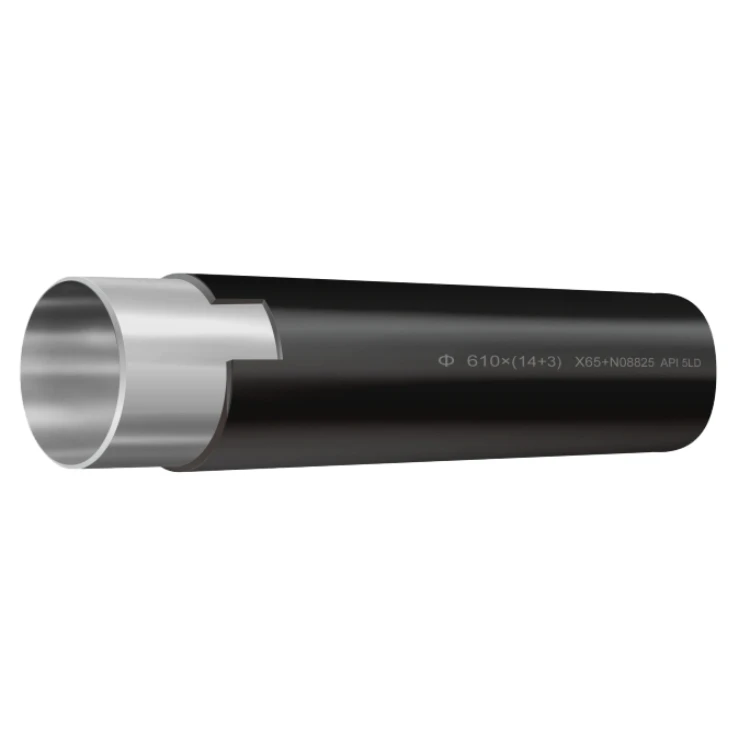
The Ultimate Guide to Seamless Stainless Steel Pipe for Industrial Applications In the demanding world of oil and gas extraction, particularly in fields characterized by high hydrogen sulfide and carbon dioxide levels, the integrity of transportation infrastructure is critical. While traditional carbon steel often fails due to insufficient corrosion resistance, the seamless stainless steel pipe emerges as a premium solution. By eliminating weld seams, these pipes provide superior structural integrity and a seamless barrier against corrosive media. For industries operating under extreme pressure and chemical aggression, choosing the right piping material is not just about efficiencyit is about safety and long-term economic viability.
Industrial Piping Solutions Using Durable sch 40 steel pipe

Industrial Piping Solutions Using Durable sch 40 steel pipe

Optimizing Industrial Piping with SCH 40 Steel Pipe Solutions In the demanding world of industrial manufacturing and fluid transport, selecting the right piping specification is critical for safety and efficiency. The sch 40 steel pipe serves as a global standard for versatility, balancing wall thickness with internal flow capacity. Whether used in petrochemical plants, marine environments, or construction, this pipe grade provides the structural reliability needed to handle moderate pressures. However, as industries evolve, the integration of advanced technologies like laser cladding is transforming how we enhance these pipes to resist extreme corrosion and wear, extending the lifecycle of critical infrastructure.
Industrial 5 inch steel tubing Guide for High Pressure Systems

Industrial 5 inch steel tubing Guide for High Pressure Systems

The Ultimate Guide to 5 Inch Steel Tubing for Industrial Applications When designing high-pressure piping systems or structural frameworks, selecting the right material dimensions is critical for safety and efficiency. The 5 inch steel tubing serves as a versatile midpoint in industrial piping, offering a perfect balance between flow capacity and structural rigidity. Whether it is used in oil and gas transport, water management, or architectural support, the quality of the steel determines the longevity of the entire project. In this comprehensive guide, we will explore the technical specifications, material grades, and strategic advantages of utilizing this specific tubing size
tel email tel top

If you are interested in our products, you can choose to leave your information here, and we will be in touch with you shortly.