Procuring industrial piping requires more than just a baseline understanding of raw material costs. When engineers and procurement officers inquire about the steel pipe price per kg today, they are often navigating a complex intersection of global commodity volatility and specific technical requirements.
The cost of steel is not a static number but a dynamic variable influenced by iron ore indices, energy costs for smelting, and the precise grade of alloy required for the application. In sectors like chemical processing or oil and gas, the "price per kg" is merely the starting point of a broader value equation that includes corrosion resistance, wall thickness, and pressure ratings.
To make an informed procurement decision, it is essential to analyze the factors that drive these pricing fluctuations and understand how different material compositions—from standard carbon steel to advanced bimetallic clad options—impact the total cost of ownership.


The current fluctuations in the steel pipe price per kg today are primarily driven by raw material volatility. Iron ore and coking coal prices dictate the base cost of carbon steel, while nickel and chromium markets heavily influence the pricing of stainless steel and alloy pipes.
Beyond raw materials, energy costs play a critical role. The smelting and rolling processes required to produce seamless steel pipes are energy-intensive; therefore, shifts in natural gas or electricity pricing often manifest as immediate adjustments in the per-kilogram rate.
Material cost is not solely about weight; it is about the technical specifications required for safety and longevity. For instance, Carbon Seamless Steel Pipes are valued for their structural integrity and strength-to-weight ratio, making them cost-effective for high-pressure applications where corrosion is not a primary threat.
When the environment becomes corrosive, the cost shifts toward stainless steel or specialty alloys. The addition of chromium and nickel increases the price per kg but significantly reduces the frequency of replacements. The manufacturing process—whether it involves cold drawing, hot rolling, or precision forging—further adds to the final cost.
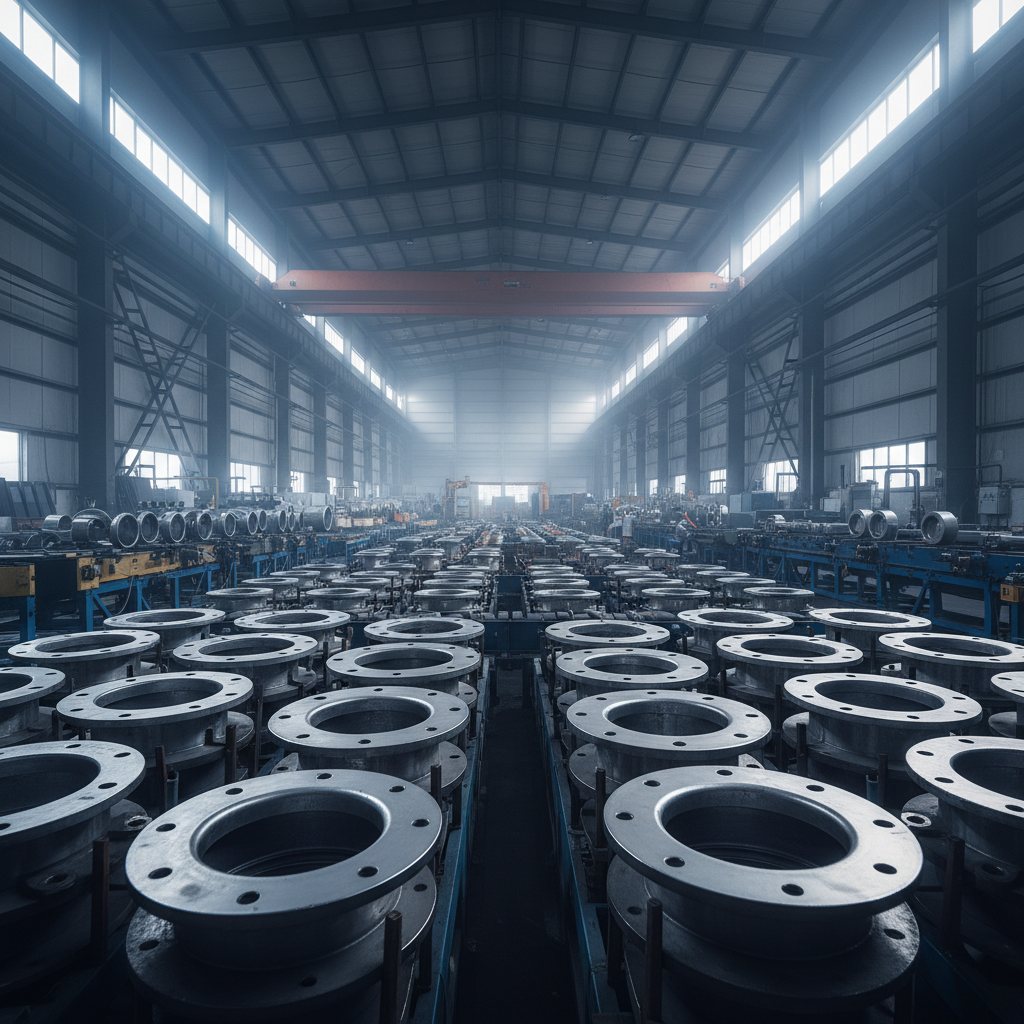
Furthermore, the production of high-pressure thick-walled fittings requires specialized equipment, such as heavy-duty hydraulic presses. The capital expenditure required for these facilities is amortized into the product price, meaning that larger diameter or higher pressure ratings typically command a premium over standard commodity piping.
In many critical industrial systems, using solid alloy steel for the entire pipe is economically unsustainable due to the high cost of materials. Bimetal Clad Pipes offer a strategic solution by combining the mechanical strength of a carbon steel base with the corrosion resistance of a high-performance alloy layer.
Clad technology optimizes the cost-to-performance ratio by applying an alloy layer only where it is needed—on the inner surface in contact with the fluid—while leveraging the cost-efficiency of carbon steel for the structural wall.
This approach is particularly evident in Clad Flanges produced via overlay welding. By applying a precise alloy layer onto the base metal, manufacturers can ensure the fitting withstands harsh chemicals or high temperatures without the expense of a fully forged alloy component. This balance makes clad products a preferred choice in the oil, gas, and power generation sectors.
Understanding the relative price differences between materials helps in budgeting for large-scale projects. While carbon steel serves as the baseline, the price increases significantly as we move toward stainless steel, duplex steels, and nickel-based alloys like Inconel.
The following index illustrates the relative cost impact of different material selections. This is not a direct market price but a conceptual value index showing how the cost per kg escalates based on the material's alloy content and manufacturing complexity.
Choosing a material based solely on the lowest steel pipe price per kg today often leads to higher long-term operational expenditures (OPEX). For example, using standard carbon steel in a mildly corrosive environment may result in pitting and wall thinning, leading to unplanned shutdowns and expensive repairs.
In a typical industrial setting, the integration of Anti Corrosion Insulated Pipes or Stainless Steel Flanges may have a higher initial procurement cost but offers superior reliability. By reducing leakage risks and extending the service interval, these materials lower the total cost of ownership over the facility's lifecycle.
The industry is moving toward more intelligent material application. Additive manufacturing and advanced laser cladding are allowing for even more precise control over the alloy layers in bimetallic pipes, reducing waste and lowering the overall weight of the components without sacrificing strength.
Environmental regulations are also pushing the market toward "green steel" produced with hydrogen-based reduction rather than coal. While this may initially increase the price per kg, the reduction in carbon footprint is becoming a mandatory requirement for global energy enterprise groups.
Additionally, the shift toward hydrogen transport is creating a demand for sulfur and hydrogen-resistant pipe fittings. These materials must prevent hydrogen embrittlement, requiring specific metallurgical properties that go beyond standard carbon or stainless steel specifications.
Selecting the right piping solution requires a balanced evaluation of technical requirements versus budget constraints. The decision should start with the fluid chemistry, operating pressure, and temperature range, rather than the current market price of the raw material.
A common error in procurement is overlooking the installation cost. For instance, flanges that allow for easy bolt connection can reduce construction time and labor costs compared to fully welded systems, potentially offsetting a slightly higher material price per unit.
The following framework provides a relative suitability guide for different industrial scenarios, helping buyers align their technical needs with the most cost-effective material category.
| Environment | Recommended Material | Cost Impact | Primary Driver |
|---|---|---|---|
| Non-corrosive / Low Pressure | Carbon Steel | Low | Structural Strength |
| Mildly Corrosive / Hygienic | Stainless Steel | Medium | Oxidation Resistance |
| Highly Corrosive / High Pressure | Bimetal Clad Pipe | Medium-High | Surface Protection |
| Extreme Chemical / High Temp | Nickel-Based Alloy | High | Chemical Stability |
| Offshore / Marine | Duplex Steel | High | Stress Corrosion Cracking |
| Drinking Water / Municipal | Lined Bimetallic Steel | Medium | Potability / Cost |
Steel pricing is primarily influenced by the cost of raw materials like iron ore, coking coal, and scrap metal. Additionally, energy costs (electricity and natural gas) for the furnace and rolling mills significantly impact production costs. Global trade policies, tariffs, and the demand from major infrastructure projects also cause short-term volatility in the price per kg.
Clad pipes are more economical when the application requires the corrosion resistance of an expensive alloy (like Inconel or Stainless Steel) but also requires the heavy structural strength provided by carbon steel. By using a thin alloy layer for protection and a carbon steel outer wall for strength, you achieve the necessary performance while significantly reducing the total material cost.
While both are connected via bolts for easy installation and reliable sealing, the choice depends on the environment. Carbon steel flanges are stronger and cheaper but may require protective coatings to prevent rust. Stainless steel flanges offer inherent corrosion resistance and are essential in pharmaceutical or food processing where hygiene and oxidation resistance are mandatory, despite the higher material cost.
The price per kg for the raw material remains similar, but the manufacturing cost increases for thick-walled pipes. Producing seamless pipes with high wall thickness requires more intensive forging and piercing processes and more rigorous non-destructive testing (NDT) to ensure there are no internal defects, which increases the final processed price of the component.
Overlay welding applies a high-performance alloy layer to the surface of a base metal. This enhances the flange's resistance to wear, corrosion, and high temperatures. It essentially gives the fitting the surface properties of a premium alloy while maintaining the mechanical toughness of the base steel, resulting in a longer service life and fewer replacements in harsh environments.
A common misconception is that the lowest price per kg represents the best value. In reality, the "value" is determined by the material's lifespan in a specific application. A cheaper carbon steel pipe that fails every two years is far more expensive than a clad pipe that lasts twenty years, when considering labor, downtime, and replacement material costs.
Navigating the complexities of the steel pipe price per kg today requires a shift in perspective—from seeing piping as a commodity to viewing it as a strategic engineering asset. Whether selecting carbon seamless steel for its strength or bimetallic clad options for their corrosion resistance, the priority must always be the alignment of material properties with operational demands.
By focusing on the total cost of ownership rather than the initial price per kilogram, industrial operators can ensure higher safety standards, reduced downtime, and a more sustainable infrastructure. As manufacturing technologies like laser cladding and AI-driven quality inspection continue to evolve, the ability to precisely match material performance to application will remain the key to operational efficiency.