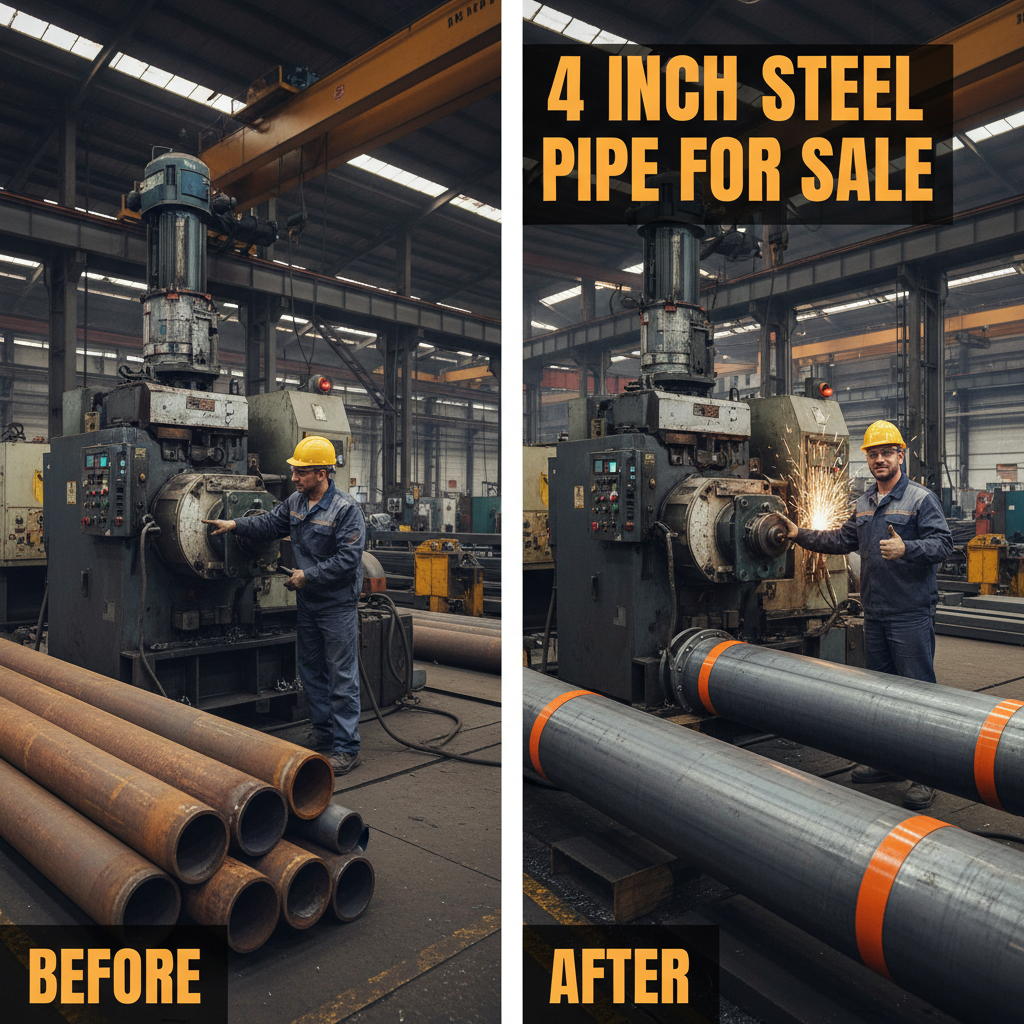



Monitoring the steel pipe price today is critical for procurement managers and engineers in the construction and energy sectors, as price volatility directly impacts the total cost of ownership for large-scale industrial projects. In the metal products industry, specifically for pressure vessel and safety equipment manufacturing, these fluctuations are driven by raw material costs, global demand, and logistical constraints.
For professionals managing fluid transportation systems or chemical plant infrastructure, understanding why prices shift—and how to lock in value—prevents budget overruns and project delays. The challenge lies in balancing the immediate cost of carbon seamless steel pipes against the long-term performance requirements of high-pressure environments.
This guide analyzes the primary cost drivers of industrial piping, examines how material specifications influence pricing, and provides a strategic framework for evaluating suppliers to ensure an optimal balance between cost and technical compliance.

Primary Factors Influencing Current Pipe Pricing

The steel pipe price today is primarily dictated by the cost of iron ore and coking coal, which are the fundamental inputs for carbon steel production. Beyond raw materials, energy costs for hot rolling and cold drawing processes significantly influence the final factory price, especially for thick-walled seamless pipes that require high-energy induction pushing and heat treatment.
Additionally, global trade policies and regional demand in the oil, gas, and marine engineering sectors create supply-side pressure. When large-scale energy projects increase their demand for API 5L or ASTM A106 pipes, lead times lengthen and premiums are often applied to urgent orders.
Impact of Technical Specifications on Cost
Technical requirements are the most direct drivers of price variance between two seemingly similar pipes. For instance, the wall thickness (ranging from 2mm to 75mm) significantly changes the volume of material required and the complexity of the manufacturing process. Thick-wall pipes require more intensive forging and precision machining, which increases the unit price.
Certification also adds a layer of cost. Pipes manufactured to API, ASTM, or DIN standards must undergo rigorous non-destructive testing (NDT) and chemical analysis to ensure high pressure resistance and dimensional stability. These quality assurance steps ensure that a pipe can withstand extreme internal loads without brittle fracture, but they contribute to the overall cost per ton.
Analyzing Material Grades and Price Variance
The choice of material grade fundamentally changes the economic profile of a project. Carbon seamless steel pipes, utilizing materials like Q235, Q345, or ASTM A106, offer an economical solution for standard industrial applications due to their high strength and reasonable cost. However, when environments become corrosive, the transition to Bimetal Clad Pipes or Alloy Steel becomes necessary.
Clad pipes, which combine a carbon steel outer shell with a corrosion-resistant inner layer (such as stainless steel or nickel-based alloys), are priced significantly higher than standard carbon pipes. This premium is justified by the extended service life and the avoidance of frequent replacements in chemical and petroleum environments where sulfur or hydrogen resistance is mandatory.
Relative Cost Distribution by Product Type
To understand the pricing landscape, it is helpful to look at the relative cost index of different piping solutions. While carbon steel serves as the baseline, specialized products like Anti Corrosion Insulated Pipes or Bimetallic Clad Pipes carry a premium based on the additive manufacturing processes and material complexity involved.
The data above illustrates a conceptual relative cost index. Standard Carbon Steel is the most economical, whereas Bimetal Clad and Insulated pipes reflect the higher costs of specialized materials and secondary fabrication processes such as laser additive manufacturing or thermal insulation layering.
Strategic Procurement to Mitigate Price Volatility
Experienced procurement teams avoid spot-market pricing for large volumes. Instead, they utilize framework agreements with manufacturers who have integrated production capacities, such as the 75,000 square meter facilities capable of producing 20,000 tons of clad pipes annually. This reduces the risk of sudden price spikes during the project execution phase.
Furthermore, optimizing the Order Quantity (MOQ) can lower the unit price. For carbon seamless pipes, maintaining an order above 5 tons often allows for better pricing tiers. Coordination between the design phase and procurement can also allow for the use of standard lengths (5.8m to 12m), reducing the cost of customized cutting and waste.
Hidden Costs in Piping System Integration
The purchase price of the pipe is only one component of the total expenditure. Hidden costs often arise from poor dimensional accuracy, which leads to installation delays and the need for excessive welding or modification on-site. Pipes with high dimensional stability and low deviation between inner and outer diameters reduce these downstream costs.
Surface treatment and end protection are other often-overlooked factors. Black painted surfaces or customized plastic pipe caps prevent corrosion during transit and storage. If these are neglected, the cost of cleaning or repairing surface defects before installation can unexpectedly increase the project budget.
Comparison Framework for Piping Solutions
When deciding between different piping materials, engineers must weigh the initial procurement cost against the operational life cycle. The following table compares common industrial piping solutions based on cost, durability, and typical application scenarios.
| Pipe Type | Relative Cost | Primary Strength | Best Application |
|---|---|---|---|
| Carbon Seamless | Low | High Pressure Resistance | Oil & Gas Lines |
| Bimetal Clad | High | Extreme Corrosion Resistance | Chemical Processing |
| Insulated Pipe | Medium-High | Thermal Energy Retention | District Heating |
| Alloy Steel | Medium | High Temp Stability | Power Plants |
| Stainless Steel | Medium-High | General Oxidation Resistance | Food & Pharma |
| Prefabricated | Variable | Reduced Site Labor Cost | Industrial Modules |
Selecting the right solution requires a balance of the current market price and the technical environment. While carbon steel is the most economical, the total cost of ownership is lower for clad pipes in highly corrosive environments due to reduced maintenance frequency.
Frequently Asked Questions
Prices are mainly driven by raw material costs (iron ore, coking coal), energy prices for rolling and heat treatment, and global demand from the energy and construction sectors.
Seamless pipes are produced through more complex piercing and rolling processes, offering superior pressure resistance and no weld-line vulnerabilities, which commands a higher price.
Certification requires stricter quality control, precise chemical composition, and mandatory non-destructive testing, which increases production costs but ensures safety in high-pressure applications.
While the unit price may be higher, prefabricated products reduce on-site welding and labor costs, significantly lowering the overall project timeline and installation expenditure.
Thicker walls increase the amount of raw steel used and require more intensive manufacturing processes, such as heavy-duty hydraulic pressing, which raises the price per linear meter.
Direct sourcing from high-capacity manufacturers with integrated production, using standard lengths and MOQ-compliant orders, typically offers the best cost-to-quality ratio.
Conclusion
Navigating the steel pipe price today requires a comprehensive understanding of both market drivers and technical requirements. By analyzing the interplay between material grades, manufacturing standards, and total installation costs, procurement professionals can make informed decisions that optimize both budget and system longevity.
For those requiring detailed specifications on carbon seamless or bimetal clad solutions, technical data and available product ranges can be reviewed at www.lion-pipeline.net to ensure project alignment.