tel
Email
to top

Exploring the Diverse World of Flanges and Their Critical Roles

May 29 2025
share:

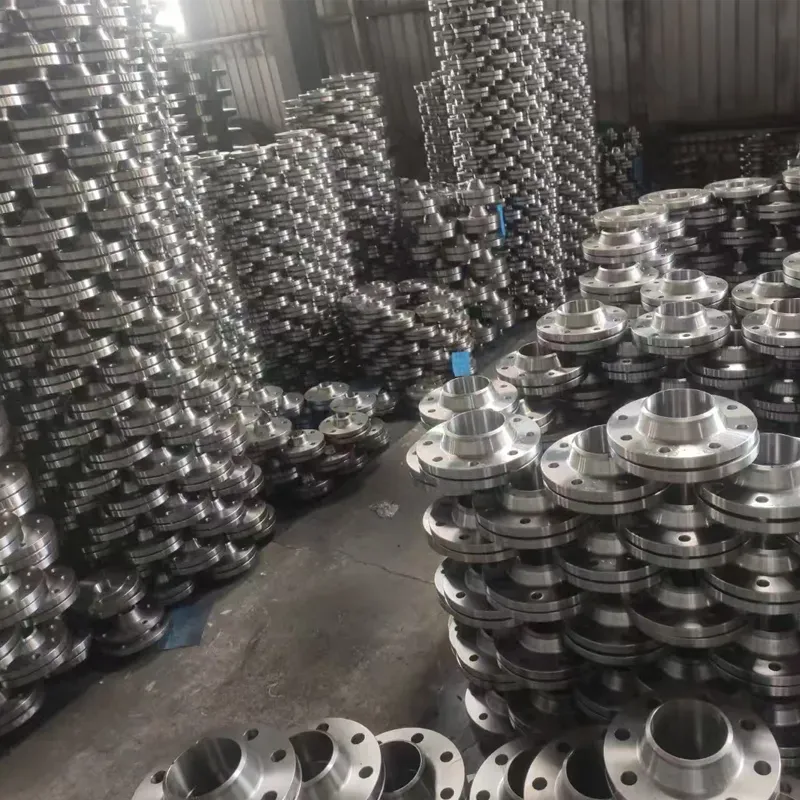
Flanges are integral components in various industrial and infrastructure systems, playing a crucial part in connecting pipes, equipment, and ensuring structural integrity while also addressing safety concerns. Different types of flanges serve specific purposes, and understanding their characteristics and applications is essential for maintaining efficient and safe operations across multiple sectors.
 

Exploring the Diverse World of Flanges and Their Critical Roles


The Function and Significance of Filler Flange


In the realm of industrial piping and equipment connections, filler flange serves a unique and important function. A filler flange is often utilized in situations where there is a need to adjust the distance between two mating flanges. For instance, in complex piping systems where minor adjustments in the overall length of the pipeline are required due to installation tolerances or design changes, the filler flange comes into play. It is inserted between the main flanges, providing the necessary spacing. This not only helps in achieving the correct alignment of pipes but also ensures a proper seal, preventing leaks that could lead to fluid or gas loss. By acting as a spacer, the filler flange contributes to the overall stability and functionality of the piping system, enabling it to operate smoothly under various conditions.


 Fire Hydrant Flange: Ensuring Safety and Accessibility


Fire hydrant flange is a specialized type of flange that is specifically designed for use in fire hydrant systems. These flanges are engineered to withstand high - pressure water flow, which is essential for the effective operation of fire hydrants during emergencies. The fire hydrant flange provides a secure connection point between the hydrant body and the water supply pipes. It is constructed from durable materials that can resist corrosion and mechanical stress, ensuring long - term reliability. In addition, the design of the fire hydrant flange allows for quick and easy attachment of hoses and other firefighting equipment. This rapid connection capability is crucial in saving precious time during a fire, enabling firefighters to access water promptly and start extinguishing the flames.


Fixed Flange: Stability and Rigidity in Connections


Fixed flange is a fundamental type of flange widely used in industrial applications where a stable and rigid connection is required. Unlike some other flanges that may allow for a degree of movement or flexibility, the fixed flange firmly secures two components together, preventing any relative displacement. In heavy - duty machinery and large - scale piping systems, fixed flanges are employed to ensure that pipes and equipment remain in place under high pressure, vibration, and thermal stress. For example, in petrochemical plants, where pipelines carry highly volatile and hazardous substances, fixed flanges provide the necessary strength and stability to maintain the integrity of the system. Their robust construction and secure fastening mechanism make them a reliable choice for applications where safety and performance are of utmost importance.


Flange Joint: The Heart of Pipe Connections


The flange joint is a key element in the assembly of piping systems. It consists of two flanges, usually bolted together with a gasket in between to create a leak - proof seal. This type of joint offers several advantages, including ease of installation and maintenance. When it comes to flange joint in pipe systems, the design and quality of the joint directly impact the overall performance and reliability of the pipeline. A well - constructed flange joint can withstand high pressures, resist corrosion, and accommodate thermal expansion and contraction. Moreover, the flange joint allows for easy disassembly of the pipeline for inspection, repair, or modification, making it a highly practical and widely used connection method in industries such as oil and gas, water treatment, and manufacturing.


FAQs about Flanges and Flange Joints


How to Select the Appropriate Flange for a Specific Application?


Selecting the right flange depends on multiple factors. For high - pressure applications, materials with high strength and pressure - rating capabilities, such as stainless steel or alloy steel flanges, are preferred. When dealing with corrosive substances, corrosion - resistant flanges made of materials like duplex stainless steel or exotic alloys should be chosen. The type of flange, whether it's a filler flangefire hydrant flangefixed flange, or another variant, also needs to be determined based on the specific requirements of the connection, such as the need for flexibility, stability, or special functionality. Additionally, considerations like the size of the pipes, the operating temperature, and the type of gasket to be used all play a role in the selection process.


What Are the Maintenance Requirements for Flange Joints?


Regular inspection of flange joints is essential to ensure their continued reliability. This includes checking for signs of leakage, such as wet spots or fluid stains around the joint. Bolts should be inspected for tightness and any signs of corrosion or damage. Gaskets may need to be replaced periodically, especially if they show signs of wear, cracking, or degradation. In systems where the flange joint in pipe is exposed to harsh environments, additional protective measures like coating the flanges with anti - corrosion materials may be necessary. Proper maintenance of flange joints helps prevent costly leaks, system failures, and potential safety hazards.


Can Flange Joints Be Repaired if They Develop a Leak?


In many cases, flange joints can be repaired if a leak is detected. The first step is to identify the source of the leak, which could be due to loose bolts, a damaged gasket, or corrosion of the flange surfaces. If the leak is caused by loose bolts, they can be tightened to the recommended torque specification. If the gasket is damaged, it will need to be replaced with a new one, ensuring that the correct type and size of gasket are used. In cases of flange surface corrosion, the affected area may need to be cleaned, machined, or repaired using appropriate techniques. However, in some severe cases where the flange is severely damaged, replacement of the entire flange joint may be necessary.
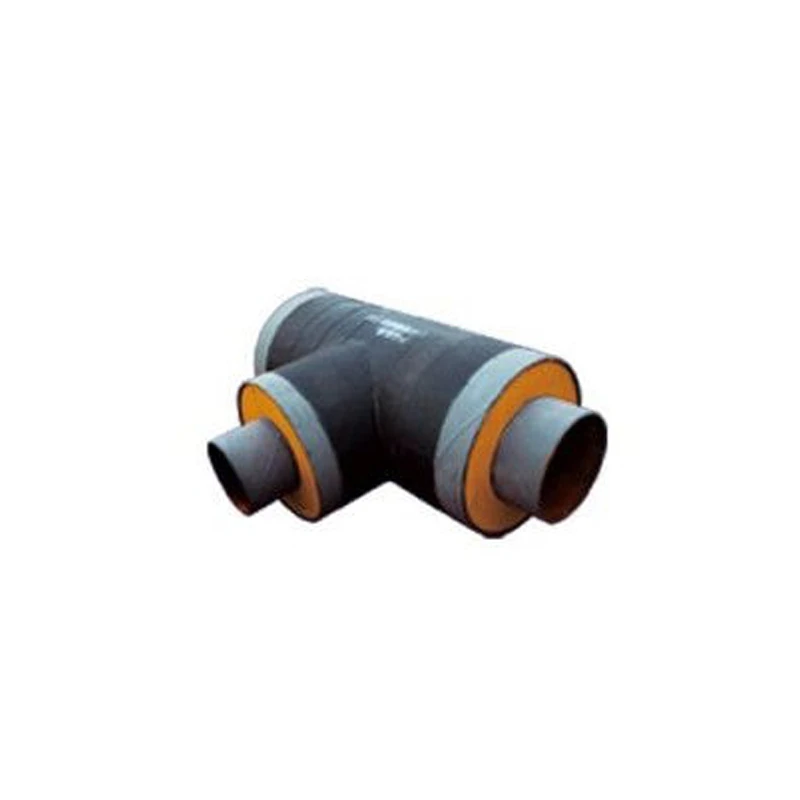
  • Carbon Semless Steel Pipes

    Carbon Semless Steel Pipes

    Carbon Seamless Steel Pipes are made from high-quality carbon steel and manufactured without welded seams, offering exceptional strength, durability, and resistance to pressure. These pipes are ideal for a wide range of applications, including oil and gas pipelines, construction, automotive, and fluid transportation systems. The seamless design ensures uniformity, higher structural integrity, and improved performance under high pressure and temperature conditions.
    VIEW ALL
  • Pipe Cap

    Pipe Cap

    Pipe caps come in different shapes, including round, square, and oval, and can be designed for both threaded and welded connections. They ensure the integrity of piping systems during transportation, storage, and installation by protecting the pipe ends from dirt, debris, and environmental factors. Durable and easy to install, pipe caps are critical for maintaining system efficiency and safety.
    VIEW ALL
  • Elbow

    Elbow

    Carbon Steel &stainless Steel Elbow Elbows are pipe fittings used to change the direction of pipelines in piping systems, commonly employed at pipeline bends. They are widely used in industries such as petroleum, chemical, and power. The common size range for elbows is DN15-DN2000, and typical angles include 45°, 90°, and 180°.
    VIEW ALL
To create value for customers!
Cangzhou Leo Technology Co., Ltd. is located in Mengcun County Economic Development Zone, Cangzhou City, Hebei Province. It is a specialized high-tech enterprise that integrates the research and development, production, and sales of composite pipes and fittings.
News
The company regards product quality as the life of the enterprise, establishes a sound quality management system in accordance with the requirements of industry and national standards, controls all aspects of input and output in the whole process, pays attention to every detail, and ensures that the product delivery pass rate is 100%.
Industrial Guide to High Quality 5 8 Stainless Steel Tubing

Industrial Guide to High Quality 5 8 Stainless Steel Tubing

The Ultimate Guide to 5 8 Stainless Steel Tubing for Industrial Applications In the world of high-pressure fluid systems and structural engineering, precision is everything. 5 8 stainless steel tubing serves as a critical component across various sectors, providing an optimal balance between wall thickness, flow capacity, and mechanical strength. Whether you are dealing with corrosive chemicals in a pharmaceutical plant or high-temperature steam in a power station, choosing the right tubing size and grade is essential for system longevity and safety. This guide explores the technical nuances, material advantages, and practical applications of this specific tubing dimension to help you make an informed procurement decision.
5 8 Square Tubing Applications and Technical Specifications

5 8 Square Tubing Applications and Technical Specifications

The Ultimate Guide to 5 8 Square Tubing: Applications and Specifications When it comes to structural integrity and precision engineering, selecting the right materials is the cornerstone of any successful project. 5 8 square tubing offers a perfect balance of strength, weight, and versatility, making it a preferred choice for architects, automotive engineers, and DIY enthusiasts alike. Whether you are constructing a heavy-duty industrial frame or a sleek piece of modern furniture, understanding the nuances of this specific tubing size is essential for optimizing performance. In this comprehensive guide, we will explore the technical specifications, material options, and various industry applications
Ultimate Guide to 4130 Tubing Strength Performance and Applications
Ultimate Guide to 4130 Tubing Strength Performance and Applications

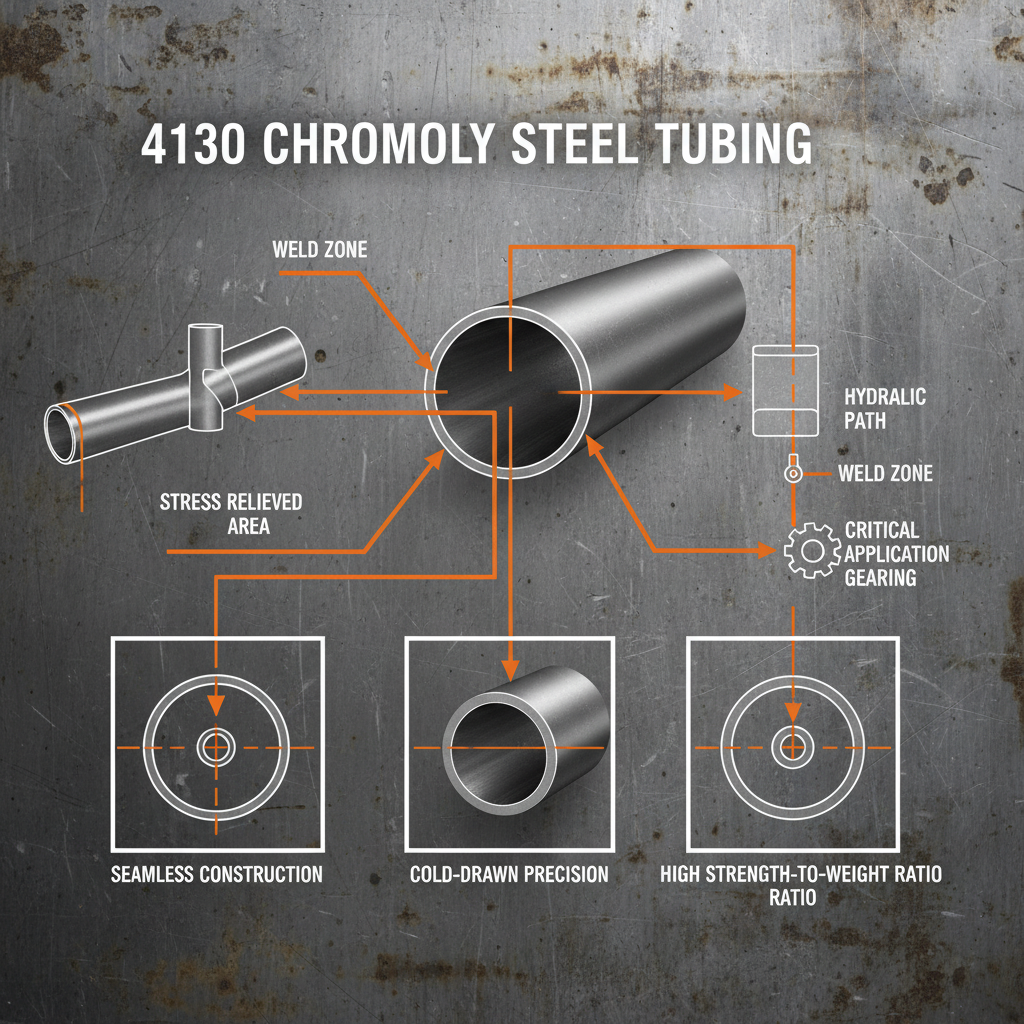
In the world of high-performance engineering, material selection is the foundation of safety and efficiency. 4130 tubing is widely regarded as the gold standard for applications requiring an exceptional strength-to-weight ratio. This chrome-molybdenum alloy steel is engineered to withstand extreme stress while remaining lightweight enough for aerospace and automotive use. Whether you are designing a roll cage, a bicycle frame, or a critical industrial component, understanding the nuances of this material is essential. In this comprehensive guide, we will explore why this specific alloy is preferred by engineers worldwide and how to choose the right specifications for your project.
Properties and Industrial Applications of 4130 steel tubing

Properties and Industrial Applications of 4130 steel tubing

In the world of high-performance engineering, material selection is the foundation of safety and efficiency. 4130 steel tubing is widely recognized as the gold standard for applications requiring an exceptional strength-to-weight ratio. Known for its versatility and reliability, this chromium-molybdenum alloy is the preferred choice for everything from aircraft frames to professional roll cages. Understanding the nuances of this material allows engineers to optimize structural integrity without adding unnecessary bulk. In this comprehensive guide, we will explore why this specific alloy remains a top choice for critical industrial and aerospace components.
Comprehensive Guide to 40mm Steel Tube Applications and Material Selection

Comprehensive Guide to 40mm Steel Tube Applications and Material Selection

40mm steel tube is a versatile and widely used material in various industries, from construction and manufacturing to automotive and beyond. Its strength, durability, and cost-effectiveness make it an ideal choice for numerous applications. This article will delve into the characteristics, applications, benefits, and considerations when working with 40mm steel tube, providing a comprehensive overview for professionals and anyone interested in this essential material.
Comprehensive Guide to 40mm Steel Pipe Applications and Considerations

Comprehensive Guide to 40mm Steel Pipe Applications and Considerations

40mm steel pipe is a widely used material in various industries due to its strength, durability, and cost-effectiveness. From construction and infrastructure projects to industrial applications and fluid transportation, this pipe size offers a versatile solution. This article will delve into the properties, applications, standards, and key considerations when selecting 40mm steel pipe, helping you make informed decisions for your specific needs.
tel email tel top

If you are interested in our products, you can choose to leave your information here, and we will be in touch with you shortly.