tel
Email
to top

Expert Insights on 2.5 Inch Steel Tubing: Specs, Benefits & Market Trends | Lion Pipeline

Dec 11 2025
share:

2.5 Inch Steel Tubing is a key solution in the industry, specifically within manufacturing, construction, and pipeline sectors. This article explores how https://www.lion-pipeline.com supports professionals with durable, high-performance products, and explains why this product is an ideal choice for businesses in these sectors.

Table of Contents

2.5 Inch Steel Tubing Overview

Simply put, 2.5 Inch Steel Tubing refers to hollow steel cylinders with an outer diameter of roughly 2.5 inches. These tubes are precision-engineered to deliver strength and versatility in a compact form. Frankly, they feel like the backbone of many structural and industrial frameworks, given how widely they’re used in everything from heavy machinery to oil pipelines.

  • Primarily made from high-grade carbon steel or alloy steel ensuring corrosion resistance and high tensile strength.
  • Technical specs often include wall thickness ranges from 0.065 to 0.25 inches, tensile strengths exceeding 60,000 psi, depending on grade.
  • For instance, one case study showed this tubing supporting longstanding pipeline infrastructure under high-pressure conditions without degradation for over 15 years.
Specification Value
Outer Diameter 2.5 inches (63.5 mm)
Wall Thickness 0.065 - 0.25 inches
Material Carbon Steel (Grade ASTM A513, A106)
Tensile Strength Minimum 60,000 psi
Finish Hot rolled, galvanized or painted

Benefits & Use Cases of 2.5 Inch Steel Tubing

Oddly enough, despite being a simple product, the 2.5 Inch Steel Tubing carries a surprising amount of clout across quite a few industries. Its robust design and consistent quality make it almost indispensable for infrastructure projects. Many engineers swear by its blend of strength and weight, which often outperforms bulkier alternatives.

  • In construction, it forms the structural skeleton for scaffolding and supports heavy loads while remaining lightweight.
  • Pipeline industries benefit from its corrosion resistance, allowing longer life cycles in harsh environments.
  • Automotive and manufacturing sectors use it for framing machinery and equipment, valuing the tubing’s precision and durability.

When compared to alternatives like PVC or aluminum, this steel tubing offers superior wear resistance and impact strength. Plus, customization options like varied wall thickness and coatings add to its competitive edge.

Cost, Maintenance & User Experience

If you’re a decision-maker, you’ve probably asked “what’s the real cost here?” Beyond the initial price, the durability of 2.5 Inch Steel Tubing means fewer replacements and less downtime. It’s an investment that, frankly, pays off by reducing maintenance cycles. That said, it does require periodic inspection, particularly when exposed to corrosive environments, but proactive coatings and treatments can mitigate that.

  • Total cost of ownership often comes out lower compared to lightweight alternatives suffering from mechanical fatigue.
  • Feedback from several pipeline companies revealed satisfaction with its longevity and reduced failure rates, saving significant operational costs.
  • Users appreciate the easy machinability and weldability, which streamlines installation and onsite modifications.

Sustainability & Market Trends

Sustainability is no longer an afterthought in steel manufacturing. With newer production techniques, recycled content in steel tubing is increasing steadily. This addresses environmental concerns and regulatory pressures. It’s refreshing to see firms like https://www.lion-pipeline.com investing in greener processes, which means companies can meet compliance without compromising on quality.

Industry growth is also fueled by rising demand in energy and construction sectors worldwide, much of which hinges on reliable steel tubing. The trend toward higher-performance steel grades is expected to continue, driven by advances in alloying and heat treatment technology.

Vendor Quality Grade Lead Time Customization Price Point
Lion Pipeline ASTM A106 Grade B 2-3 weeks Wall thickness & coating options Competitive
Competitor A ASTM A53 Grade A 4-6 weeks Limited coatings Higher
Competitor B API 5L Grade B 3-4 weeks Standard only Moderate

Frequently Asked Questions about 2.5 Inch Steel Tubing

What is 2.5 Inch Steel Tubing and how does it work?
2.5 Inch Steel Tubing is a cylindrical pipe with a nominal 2.5-inch outer diameter manufactured mainly from carbon steel. It supports structural loads and fluid transport by virtue of its strength and durability, often welded or bolted into frameworks or pipelines.
What are the main benefits of using 2.5 Inch Steel Tubing in industrial applications?
The tubing offers excellent strength-to-weight ratio, corrosion resistance, and adaptability. It’s cost-effective over its lifetime due to low maintenance needs and long service life, improving overall project ROI.
How does 2.5 Inch Steel Tubing compare to traditional alternatives?
Unlike PVC or aluminum pipes, steel tubing withstands higher pressures and temperatures. Technologically, advances in steel metallurgy have enhanced durability and corrosion protection, making it more reliable under demanding conditions.
What industries can benefit most from 2.5 Inch Steel Tubing implementation?
Key sectors include oil & gas pipelines, heavy machinery manufacturing, construction scaffolding, automotive frames, and even renewable energy installations requiring robust structural components.

Conclusion on 2.5 Inch Steel Tubing from china

As we’ve seen, 2.5 Inch Steel Tubing stands as a trustworthy, cost-efficient, and adaptable component for numerous industries. Whether you’re focused on pipeline integrity or construction durability, it’s a choice that won’t let you down. For detailed specs and tailored solutions, I’d recommend visiting our website.

Sometimes, a tube is just a tube... but when it’s a 2.5 Inch Steel Tubing from a trusted vendor, it really becomes the unsung hero of countless industrial successes.
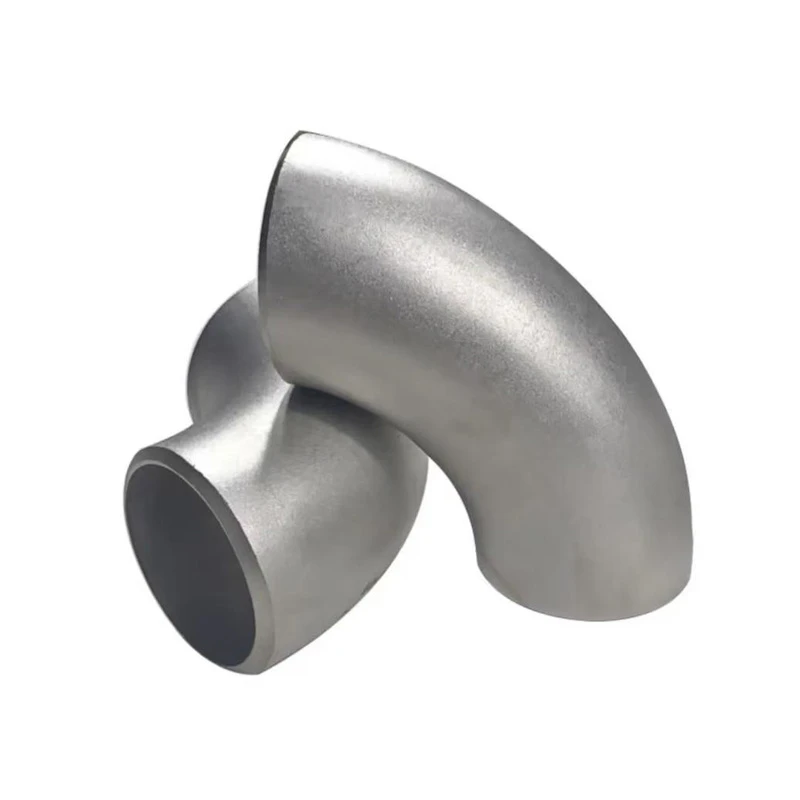
  • Elbow

    Elbow

    Carbon Steel &stainless Steel Elbow Elbows are pipe fittings used to change the direction of pipelines in piping systems, commonly employed at pipeline bends. They are widely used in industries such as petroleum, chemical, and power. The common size range for elbows is DN15-DN2000, and typical angles include 45°, 90°, and 180°.
    VIEW ALL
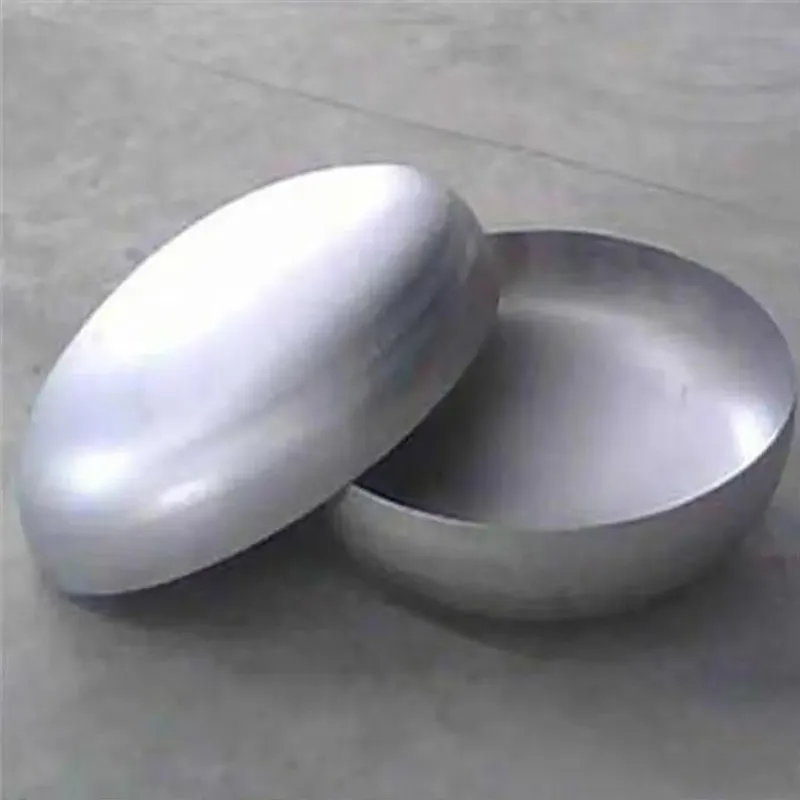
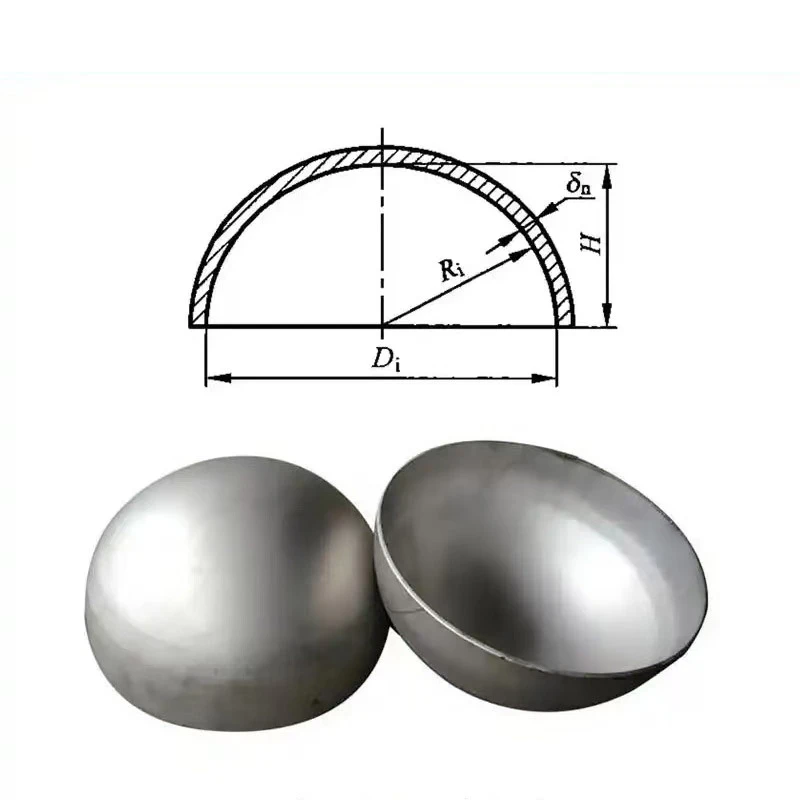
  • Pipe Cap

    Pipe Cap

    Pipe caps come in different shapes, including round, square, and oval, and can be designed for both threaded and welded connections. They ensure the integrity of piping systems during transportation, storage, and installation by protecting the pipe ends from dirt, debris, and environmental factors. Durable and easy to install, pipe caps are critical for maintaining system efficiency and safety.
    VIEW ALL
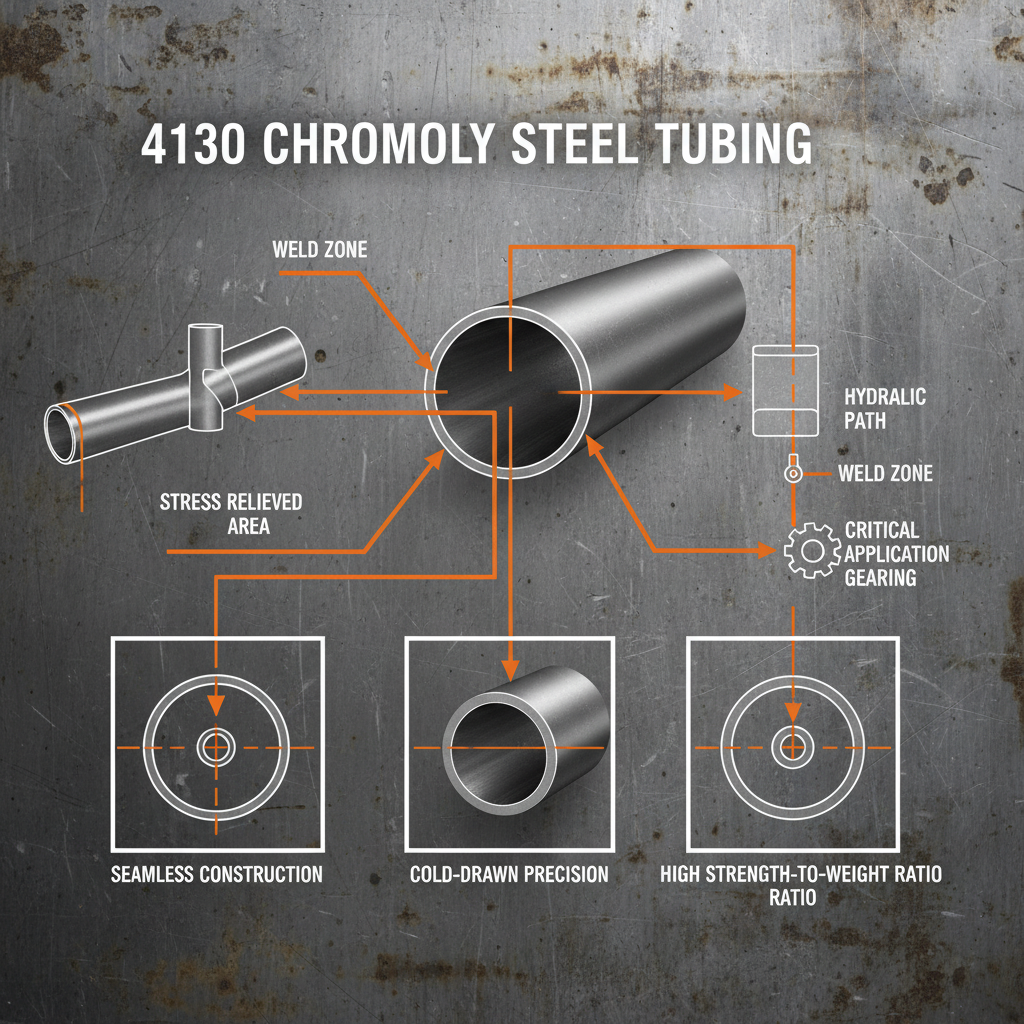
  • Carbon Semless Steel Pipes

    Carbon Semless Steel Pipes

    Carbon Seamless Steel Pipes are made from high-quality carbon steel and manufactured without welded seams, offering exceptional strength, durability, and resistance to pressure. These pipes are ideal for a wide range of applications, including oil and gas pipelines, construction, automotive, and fluid transportation systems. The seamless design ensures uniformity, higher structural integrity, and improved performance under high pressure and temperature conditions.
    VIEW ALL
To create value for customers!
Cangzhou Leo Technology Co., Ltd. is located in Mengcun County Economic Development Zone, Cangzhou City, Hebei Province. It is a specialized high-tech enterprise that integrates the research and development, production, and sales of composite pipes and fittings.
News
The company regards product quality as the life of the enterprise, establishes a sound quality management system in accordance with the requirements of industry and national standards, controls all aspects of input and output in the whole process, pays attention to every detail, and ensures that the product delivery pass rate is 100%.
High Performance Sink Pipe Steel Guide for Industrial Piping

High Performance Sink Pipe Steel Guide for Industrial Piping

High-Performance Sink Pipe Steel: The Ultimate Guide to Industrial Piping In the demanding world of industrial manufacturing and pressure vessel construction, the selection of materials for piping systems is critical. Utilizing high-quality sink pipe steel ensures that systems can withstand extreme pressures, corrosive media, and mechanical stress. Whether it is for chemical processing, oil and gas, or construction, the right steel grade and fitting geometry can mean the difference between seamless operation and costly system failure. This guide explores the technical nuances of steel elbows and specialized clad materials designed for the most rigorous environments.
Ultimate Guide to Industrial Seamless Steel Pipe for Piping

Ultimate Guide to Industrial Seamless Steel Pipe for Piping

In the realm of modern industrial infrastructure, the integrity of piping systems is non-negotiable. The seamless steel pipe stands as the gold standard for transporting high-pressure fluids and gases. Unlike welded alternatives, seamless pipes are manufactured without a longitudinal seam, eliminating the most common point of failure and ensuring superior structural consistency. This makes them indispensable in sectors where safety and reliability are paramount, such as petroleum, nuclear power, and thermal energy. In this comprehensive guide, we will explore the technical advantages, material specifications, and critical applications of these high-performance components to help you make an informed procurement decision.
High Performance Seamless Steel Pipes for Industrial Piping

High Performance Seamless Steel Pipes for Industrial Piping

In the world of industrial fluid transportation and pressure vessel manufacturing, the choice of piping material can determine the safety and longevity of an entire system. Seamless steel pipes are engineered to withstand extreme conditions without the risk of weld-line failure, making them the gold standard for high-pressure environments. From oil and gas pipelines to hydraulic systems, these pipes offer unmatched structural integrity. In this comprehensive guide, we will explore the technical specifications, benefits, and diverse applications of carbon seamless steel solutions to help you make an informed procurement decision for your next engineering project.
High Performance Seamless Stainless Steel Pipe for Industrial Use

High Performance Seamless Stainless Steel Pipe for Industrial Use

The Ultimate Guide to Seamless Stainless Steel Pipe for Industrial Applications In the demanding world of oil and gas extraction, particularly in fields characterized by high hydrogen sulfide and carbon dioxide levels, the integrity of transportation infrastructure is critical. While traditional carbon steel often fails due to insufficient corrosion resistance, the seamless stainless steel pipe emerges as a premium solution. By eliminating weld seams, these pipes provide superior structural integrity and a seamless barrier against corrosive media. For industries operating under extreme pressure and chemical aggression, choosing the right piping material is not just about efficiencyit is about safety and long-term economic viability.
Industrial Piping Solutions Using Durable sch 40 steel pipe

Industrial Piping Solutions Using Durable sch 40 steel pipe

Optimizing Industrial Piping with SCH 40 Steel Pipe Solutions In the demanding world of industrial manufacturing and fluid transport, selecting the right piping specification is critical for safety and efficiency. The sch 40 steel pipe serves as a global standard for versatility, balancing wall thickness with internal flow capacity. Whether used in petrochemical plants, marine environments, or construction, this pipe grade provides the structural reliability needed to handle moderate pressures. However, as industries evolve, the integration of advanced technologies like laser cladding is transforming how we enhance these pipes to resist extreme corrosion and wear, extending the lifecycle of critical infrastructure.
Industrial 5 inch steel tubing Guide for High Pressure Systems

Industrial 5 inch steel tubing Guide for High Pressure Systems

The Ultimate Guide to 5 Inch Steel Tubing for Industrial Applications When designing high-pressure piping systems or structural frameworks, selecting the right material dimensions is critical for safety and efficiency. The 5 inch steel tubing serves as a versatile midpoint in industrial piping, offering a perfect balance between flow capacity and structural rigidity. Whether it is used in oil and gas transport, water management, or architectural support, the quality of the steel determines the longevity of the entire project. In this comprehensive guide, we will explore the technical specifications, material grades, and strategic advantages of utilizing this specific tubing size
tel email tel top

If you are interested in our products, you can choose to leave your information here, and we will be in touch with you shortly.