Aluminized steel pipe might sound like industry jargon, but it’s actually a quietly powerful player behind critical infrastructure and environmental advancements worldwide. Whether it’s in power plants, water transport, or even humanitarian aid, understanding what aluminized steel pipe brings to the table helps us appreciate how modern societies tackle durability and efficiency challenges while pushing toward sustainability.
Globally, industries face intense pressures to build with materials that last longer but also reduce maintenance costs and environmental impact. The demand for corrosion-resistant, cost-efficient piping solutions keeps growing — according to ISO standards and various global manufacturing reports, the use of aluminized steel pipes has expanded by nearly 15% over the past decade. That’s no surprise, given how their key properties directly address these evolving needs.
Mini takeaway: Aluminized steel pipes quietly hold up essential systems worldwide, combining resilience and sustainability to support growing industrial demands.
In real terms, nearly every country depends on reliable piping — whether transporting drinking water in urban settings or channeling industrial liquids in sprawling factories. The United Nations' Sustainable Development Goals highlight clean water and infrastructure as priorities, which inevitably ties back to the materials used. Here, aluminized steel pipes score points in an industry that often juggles supply chain volatility, climate change effects, and tightening budgets.
For example, with harsh environments like coastal zones or chemical plants, traditional steel often succumbs quickly to corrosion, leading to costly repairs and downtime. That’s where aluminized steel pipe steps in — a solution engineered to extend lifespan without breaking the bank or requiring exotic coatings.
Mini takeaway: Aluminized steel pipe meets a universal challenge — providing longevity and reliability across global sectors facing harsher conditions and tighter budgets.
Put simply, an aluminized steel pipe is a steel pipe coated with an aluminum alloy. This layer acts as a barrier against rust and oxidation — the nasty stuff that traditionally degrades steel when exposed to moisture or corrosive agents. It’s a smart fusion of two metal properties: steel’s strength and aluminum’s corrosion resistance.
In industry, this hybrid approach ensures that pipes can operate longer under stress, heat fluctuations, or chemical exposure. Think of it as a superhero duo where steel is the strong body, and aluminum is the shiny, protective armor.
Beyond factories, aluminized steel pipes contribute to humanitarian projects – for example, quick-deployment water pipelines in disaster relief settings rely on materials that require minimal maintenance but stand up well to rough handling and environmental exposure.
Mini takeaway: Aluminized steel pipe combines strength and corrosion resistance in one essential, adaptable material system.
It’s no secret: piping systems are heavily exposed to environmental factors — moisture, heat, chemicals, sometimes sheer mechanical force. The aluminum coating slows corrosion dramatically, protecting the integrity and extending the service life compared to bare steel pipes. Many engineers note that aluminized steel pipes typically last 3-5 times longer, which means fewer replacements.
You might think protection like aluminum plating would hike prices enormously. Oddly enough, the balance of material costs and extended lifespan often means aluminized steel pipe wins out on expenses over time. It’s sort of like investing upfront for fewer headaches later, avoiding constant repairs.
Due to aluminum’s natural heat reflection, these pipes can better handle high-temperature applications. Industries like power generation and automotive manufacturing leverage this feature, where pipes don’t just carry fluids but encounter hot exhaust gases or steam.
Since the base material is standard cold-rolled steel readily available worldwide, getting aluminized pipes—either as pre-coated products or through on-site coating processes—is scalable. This makes it suitable for everything from mega industrial plants in Germany to small, remote construction sites in Southeast Asia.
In an increasingly green-conscious era, being able to recycle steel and aluminum coatings reduces landfill waste compared to some composite or plastic alternatives. This recyclability aligns with circular economy principles gaining traction internationally.
Mini takeaway: Durability, cost-effectiveness, heat resilience, scalability, and environmental friendliness form a robust profile that explains the growing adoption of aluminized steel pipes.
Let’s zoom into the practical side: power plants, chemical manufacturing, oil and gas pipelines, wastewater treatment, and even agriculture irrigation systems globally lean on these pipes.
In Japan, where seismic activity and salt spray are constant threats, aluminized steel pipes help maintain infrastructure integrity without constant overhaul. In Middle Eastern oil fields, the pipes endure extreme heat and corrosive fluids, extending maintenance intervals significantly.
In humanitarian efforts, NGOs deploying temporary water distribution networks in post-disaster zones increasingly opt for aluminized steel pipes for their ready availability, resilience, and speed of deployment.
Mini takeaway: Diverse sectors around the globe rely on aluminized steel pipes to withstand tough environments and complex demands.
On a logical level, this mix is hard to beat. Emotionally, imagine the peace of mind for engineers and communities alike that rely on infrastructure they can trust.
Several exciting paths are shaping aluminized steel pipe’s future. Environmental regulations push manufacturers to lower emissions during production, and digital technology brings smarter quality control — imagine pipes embedded with sensors that monitor corrosion rate in real-time.
Also, research into nano-coatings could create even thinner, more durable aluminum layers that preserve weight savings while boosting protection. Combined with green energy initiatives, aluminized steel pipes may well become key elements in the shift toward cleaner industrial systems.
Of course, nothing’s perfect. The adhesion quality of aluminum coating can vary, sometimes leading to premature flaking under extreme mechanical stress. Welding aluminized steel pipes also needs expert handling to avoid weakening the protective layers.
Innovative solutions include better alloy formulations and automation-assisted welding processes. Companies are also investing in rigorous testing protocols to ensure quality from factory to field.
| Specification | Typical Range | Notes |
|---|---|---|
| Pipe Diameter | 15mm – 600mm | Custom sizes also available |
| Wall Thickness | 1.2mm – 12mm | Varies by application |
| Coating Thickness | 30 – 50 microns | Al-Si alloy layer |
| Operating Temperature | -40°C to 600°C | With coating intact |
| Corrosion Resistance | Equivalent to 3-5x uncoated steel | Depends on environment |
| Vendor | Product Range | Global Reach | Certifications | Customer Support |
|---|---|---|---|---|
| Lion Pipeline Inc. | 15mm–400mm pipes, fittings | Global (Asia, Europe, Americas) | ISO 9001, ASTM compliant | 24/7 technical support, custom orders |
| SteelCo Corp. | 10mm–600mm pipes, coils | Primarily North America, Europe | ISO 14001, ASTM A953 | Standard business hours support |
| Global Metals Ltd. | Wide pipe and sheet options | Worldwide, focus on industrial sectors | ISO 9001, RoHS | Consultation services available |
At the end of the day, aluminized steel pipe stands as a practical, smart choice for industries and communities worldwide — combining long-lasting resilience with environmental responsibility. It’s one of those materials that rarely make headlines but quietly enable everything from safe drinking water delivery to power generation across challenging environments.
If you want to dive deeper into specific aluminum-coated steel pipe options, or if tailoring a solution for your project sounds like the next logical step, I’d suggest starting your search at aluminized steel pipe suppliers like Lion Pipeline — their expertise really shows in the details.
Mini takeaway: Investing in aluminized steel pipes is investing in durability, sustainability, and peace of mind.
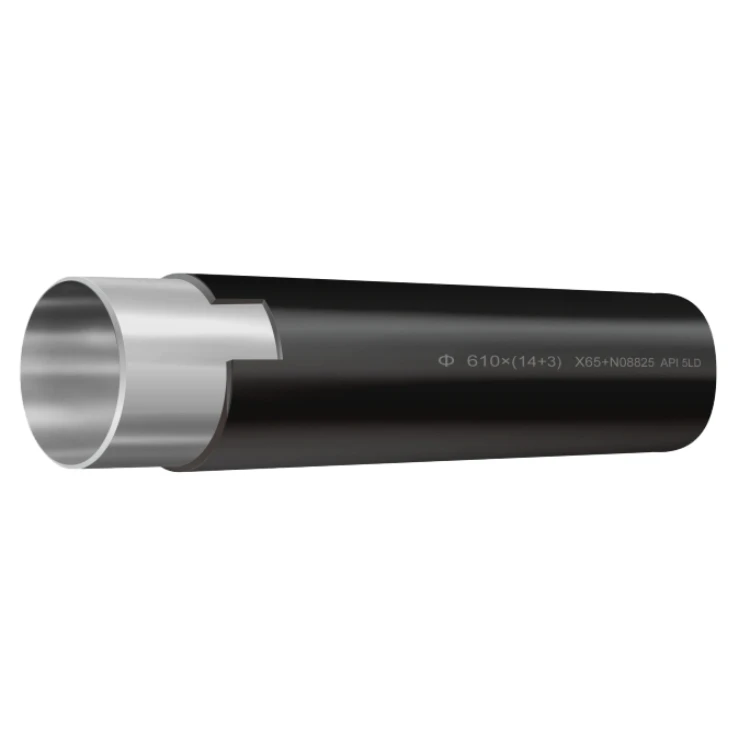
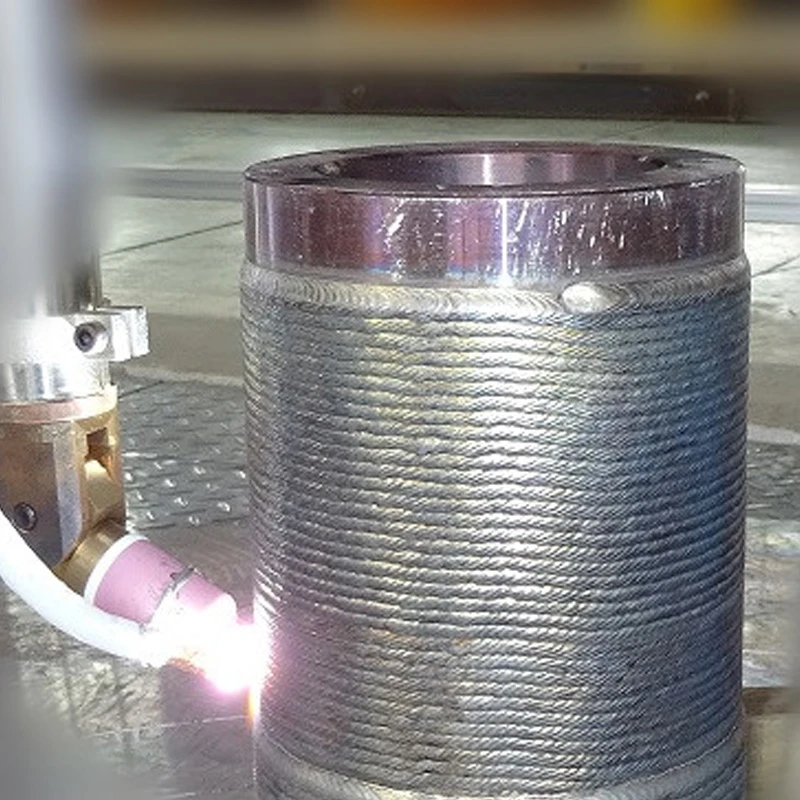
Overlay Welding Clad Steel Pipe
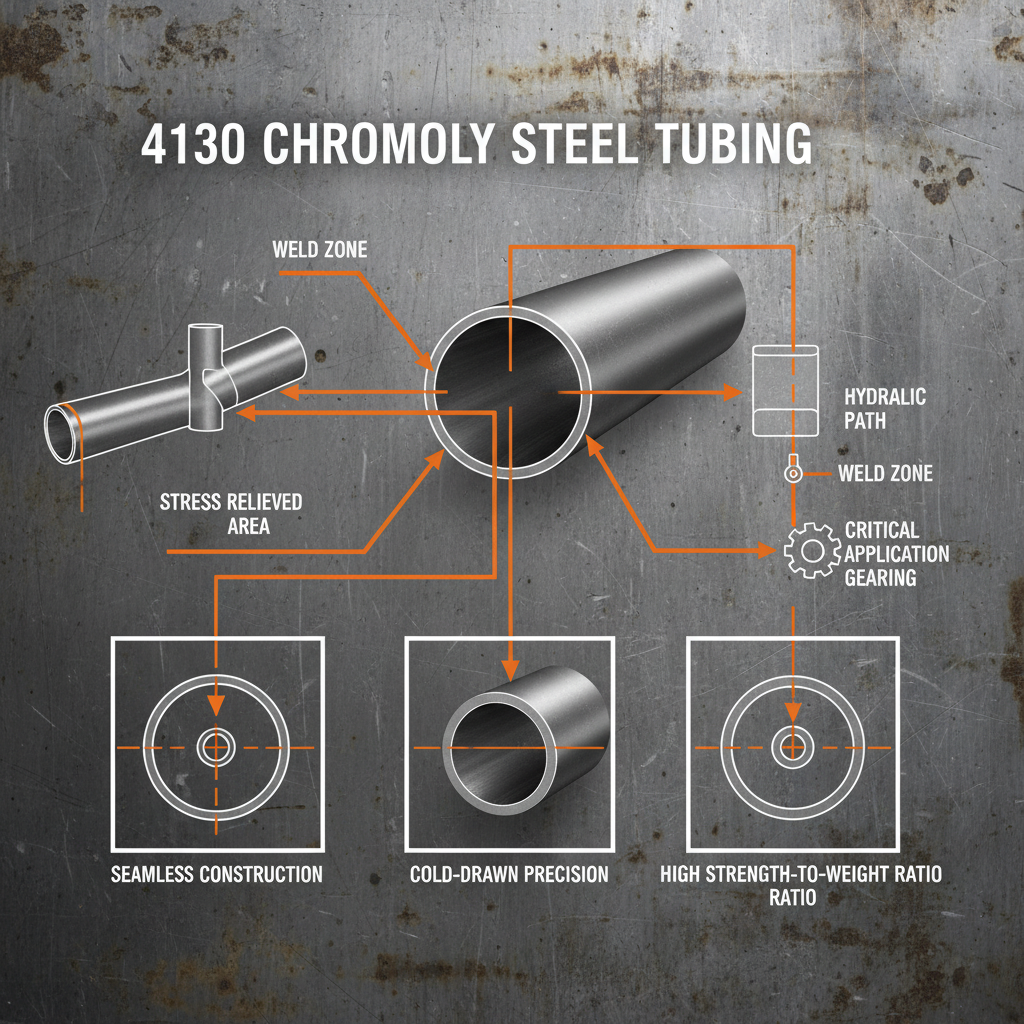
Ultimate Guide to 4130 Tubing Strength Performance and Applications
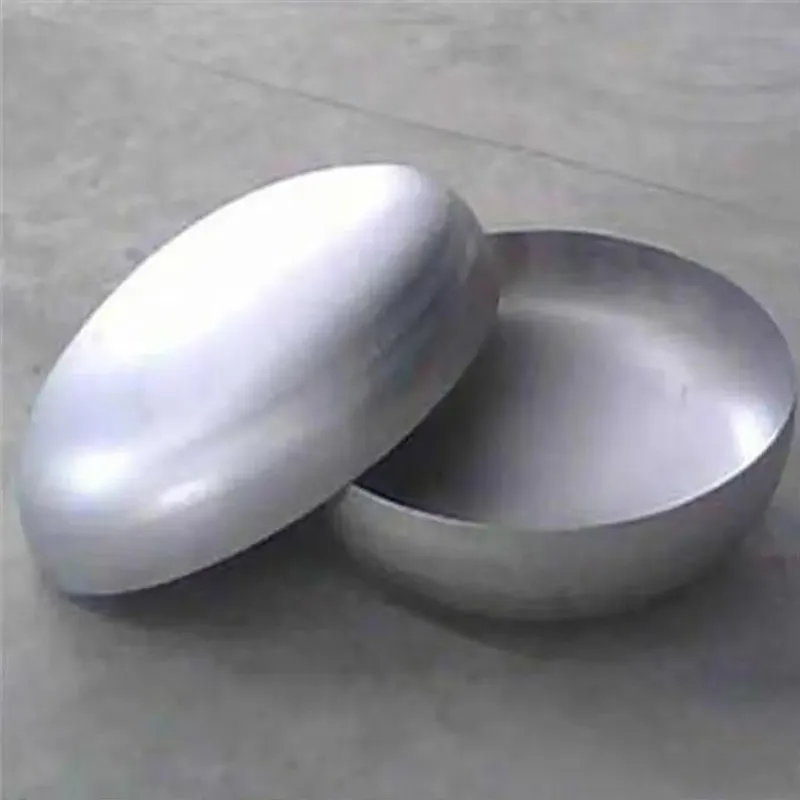
Pipe Cap-Cangzhou Lion Technology Co., Ltd.|Enhancing System Efficiency&Durability
Pipe Cap-Cangzhou Lion Technology Co., Ltd.|Enhancing System Efficiency&Durability
Pipe Cap-Cangzhou Lion Technology Co., Ltd.|Enhancing System Efficiency&Durability
Pipe Cap-Cangzhou Lion Technology Co., Ltd.|Enhancing System Efficiency&Durability
Pipe Cap-Cangzhou Lion Technology Co., Ltd.|Enhancing System Efficiency&Durability