tel
Email
to top

Bendable Metal Pipe – Flexible Solutions for Modern Infrastructure and Emergency Needs

Nov 26 2025
share:

What Is a Bendable Metal Pipe and Why Should We Care?

At first glance, the phrase bendable metal pipe might sound like a bit of an engineering oxymoron. Metal is rigid, right? Yet, this innovation is quietly reshaping industries by combining strength with flexibility. Globally, such pipes are transforming everything from infrastructure projects in emerging economies to emergency relief systems for disaster-hit regions. Why? Because the ability to bend without breaking makes these pipes ideal for environments demanding both durability and adaptability.

In a world increasingly concerned with sustainability, cost efficiency, and rapid deployment, understanding the nuances of bendable metal pipes opens doors to smarter infrastructure design and resilient supply chains.

The Global Stage: Why Bendable Metal Pipes Matter

Let’s zoom out a bit. According to data released by the International Energy Agency (IEA), over 60% of new pipeline installations globally in the last decade demand flexible solutions to navigate complex terrains and seismic zones. The United Nations has flagged water and gas infrastructure resilience as a major concern, especially in disaster-prone regions.

Industrial sectors from oil and gas to municipal water systems are at the frontlines of this shift. These pipes tackle problems like:

  • Ground movement and soil settlement in urban expansion projects
  • Rapid deployment needs in humanitarian crises
  • Reduction in maintenance costs through enhanced durability

However, conventional steel pipes tend to be brittle under high strain or unsuitable for complex layouts — that’s exactly where bendable metal pipes come in.

Defining the Bendable Metal Pipe

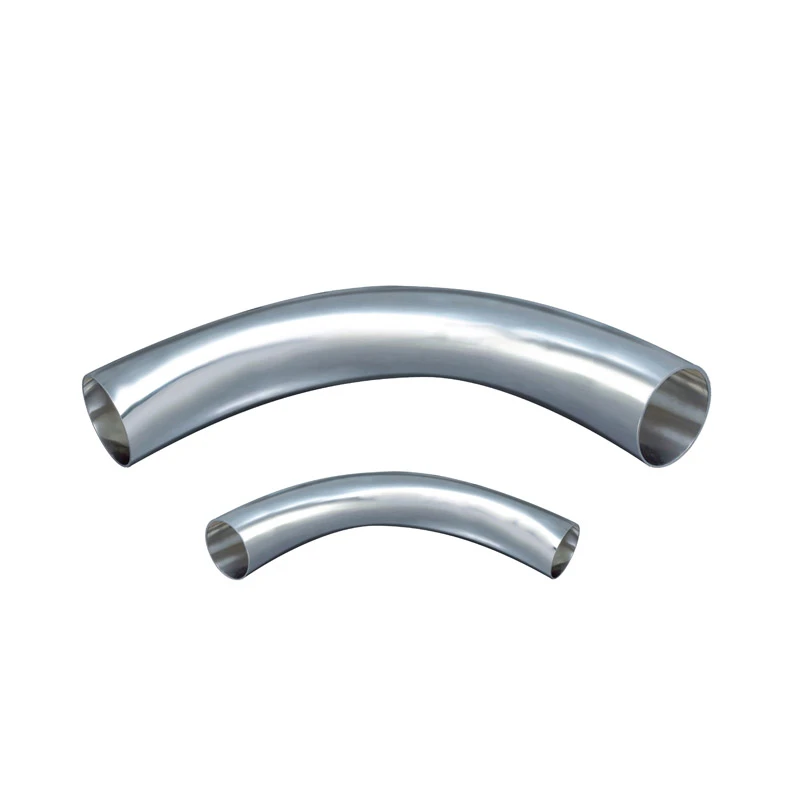
A bendable metal pipe is essentially a metal conduit engineered to flex or curve within certain tolerances without cracking or losing its structural integrity. Usually fabricated from varieties of alloy steel, stainless steel, or treated copper, these pipes are designed for high tolerance to bending stresses.

Think of them as the modern equivalent to the rigid pipelines of old — only smarter, stronger, and flexible enough to follow natural and engineered contours. They literally allow the flow of liquids, gases, or even electrical wiring through tricky or confined spaces without the need for multiple joints.

Core Aspects Shaping Bendable Metal Pipe Performance

1. Durability

These pipes must endure internal pressure alongside external stresses like soil movement or physical impacts. Coatings and alloys are carefully selected to resist corrosion, erosion, and fatigue.

2. Flexibility Range

The “bend radius” varies, but top-tier pipes maintain their integrity even when bent to surprisingly tight curvatures — crucial for complex layouts or underground installations.

3. Cost Efficiency

While typically more expensive upfront than rigid pipes, their longevity and reduced installation labor tend to save money over a pipeline’s lifecycle.

4. Environmental Resistance

Resistance to temperature extremes, chemical exposure, and UV degradation is critical, especially for outdoor or industrial uses.

5. Scalability

Thanks to modular designs or prefabricated segments, these pipes can be scaled to fit both small-scale residential and huge industrial applications.

6. Compliance and Standards

Meeting ISO 14692 and ASTM standards ensures a universally recognized benchmark for quality and safety — important for contractors and municipalities.

Mini Takeaway: Bendable metal pipes find their sweet spot where strength meets flexibility — a balance that informs every technical specification.

How Bendable Metal Pipes are Used Around the World

Their applications span the globe and span industries — from equatorial Africa to the arctic tundra, and beyond.

  • Post-Disaster Relief: In the aftermath of hurricanes, temporary water and gas lines made from bendable pipes can be installed swiftly, restoring basic utilities within days.
  • Remote Industrial Zones: Mining operations often face difficult ground movement; these pipes absorb stresses better than rigid alternatives, lowering downtime.
  • Urban Infrastructure Projects: Because they curve around existing foundations, trees, and underground obstacles, they reduce the need for disruptive excavation.
  • Renewable Energy Installations: Flexible piping in geothermal or solar projects supports dynamic terrain and thermal expansion.

More on this can be found in related projects like bendable metal pipe deployments.

What Makes Bendable Metal Pipes Worth Investing In?

Honestly, the blend of pragmatic advantages and strategic value is hard to beat:

  • Long-Term Reliability: The fewer the joints, the less potential leak points and less maintenance headache.
  • Sustainability: They enable infrastructure that’s designed to last, reducing the environmental impact of repeated repairs.
  • Cost Savings: Less excavation, faster installation ≈ lower labor and project timelines.
  • Safety and Trust: For communities dependent on their utilities, the consistency these pipes offer equates to daily peace of mind.

It’s a compelling case that’s led many engineers to say, “Why didn't we have this sooner?”

Emerging Trends: What’s Next for Bendable Metal Pipes?

Tech innovations push the envelope:

  • Material Science Advances: New alloys offer even better corrosion resistance and fatigue limits.
  • Smart Pipelines: Embedded sensors that monitor stress and fluid flow in real time, integrating with IoT platforms.
  • Eco-Conscious Manufacturing: Reduced carbon footprint production and recyclability targets.
  • Automation: Robotic installation methods that leverage pipe flexibility to cut human risk in difficult terrains.

Frankly, these hold promise in accelerating the adoption of bendable metal pipes globally.

Common Challenges and How Experts Overcome Them

Despite the many benefits, challenges linger:

  • Cost Barriers: Initial material and fabrication costs can deter smaller projects.
  • Installation Expertise: Specialized knowledge is often needed to ensure proper bend radius and prevent damage.
  • Standards Variability: Inconsistent regulation across countries complicates international projects.

Innovations like prefabricated kits, remote training platforms, and harmonized international standards are bridging these gaps.

Bendable Metal Pipe: Quick FAQ

Q: How flexible can bendable metal pipes really get without compromising strength?
A: Typically, bendable pipes can achieve bend radii of 10 to 30 times the pipe diameter, varying by material and design. Advances in alloys and manufacturing have pushed these limits further without losing pressure capacity.
Q: Are bendable metal pipes suitable for drinking water systems?
A: Yes, especially stainless-steel variants that meet potable water safety standards. Their corrosion resistance and reduced joint count make them ideal for safe water transport.
Q: Can these pipes be custom-fabricated for unique project needs?
A: Absolutely. Many manufacturers offer tailored dimensions, wall thicknesses, and bend radii, enabling design flexibility for complex environments.
Q: How do bendable metal pipes compare environmentally to plastic alternatives?
A: While plastics can be cheaper and lighter, metal pipes often last longer and resist UV and chemical damage better. Plus, metals are typically more recyclable.
Q: What maintenance is required?
Periodic inspections for corrosion and leaks are normal. Thanks to their flexibility and coatings, maintenance intervals tend to be longer than rigid pipe counterparts.

Product Specification Table

Specification Typical Range Remarks
Material Stainless steel (304, 316), Alloy steel Custom alloys for special use
Diameter 25 mm to 500 mm Supports a variety of flow volumes
Wall Thickness 2 mm to 15 mm Depends on pressure and durability needs
Maximum Bending Radius 10× to 30× pipe diameter Varies by design and material
Pressure Rating Up to 100 bar Suitable for industrial and municipal use
Coating Epoxy, Polyurethane, Galvanized Enhances corrosion resistance

Vendor Comparison: Leading Bendable Metal Pipe Suppliers

Vendor Material Options Customization Level Price Range Lead Time
FlexMet Pipes Co. Stainless, Alloy Steel High – tailored bends & coatings $$$ 6-8 weeks
BendPro Tubes Ltd. Alloy Steel, Copper Medium – standard bend radii $$ 4-6 weeks
Global FlexPipes Stainless Steel (316) Custom deployment kits available $$$$ 8-10 weeks
Lion Pipeline Enterprises Various Steel Alloys, Galvanized Wide – including IoT-equipped options $$$ 5-7 weeks

Wrapping Up: Why Bendable Metal Pipes Are the Smart Choice Forward

Honestly, the future of pipe infrastructure feels tied to these flexible, hardy tubes. They combine the old-world strength of metal with a contemporary requirement for adaptability and ease of installation. For engineers, urban planners, and humanitarian agencies alike, bendable metal pipes offer a solution that’s built to last — and adapt.

If you’re intrigued, take a closer look at more detailed specs and real-world case studies on bendable metal pipe. It might just be the missing link in your next project or emergency response toolkit.

Mini Takeaway: While traditional pipes have served us for decades, bendable metal pipes open a new chapter — one of resilience, resourcefulness, and readiness.
References:

  1. Wikipedia - Piping and Plumbing Fittings
  2. ISO 14692 - Glass-reinforced plastics (GRP) piping systems
  3. United Nations - Disaster Risk Reduction and Resilience
  • Factory Prefabricated Products

    Factory Prefabricated Products

    In modern industrial construction, the quality and supply efficiency of pipe fittings directly affect the success or failure of the project. With advanced production concept and strong technical strength, we focus on the factory prefabrication of products, and provide all-round pipe fitting solutions for many key fields such as petrochemical industry and coal chemical industry.
    VIEW ALL
  • Anti Corrosion And Thermal Insulation Products

    Anti Corrosion And Thermal Insulation Products

    The anti-corrosion and thermal insulation products we focus on produce play a key role in the industrial pipeline system, especially the thermal insulation pipe fittings and steel pipes. Thermal insulation pipe fittings cover elbows, tees, reducers and pipe supports, with specifications ranging from DN15 to DN1800, and are made of carbon steel, alloy steel, stainless steel, bimetallic composite, nickel-based alloy and other materials.
    VIEW ALL
  • Carbon Semless Steel Pipes

    Carbon Semless Steel Pipes

    Carbon Seamless Steel Pipes are made from high-quality carbon steel and manufactured without welded seams, offering exceptional strength, durability, and resistance to pressure. These pipes are ideal for a wide range of applications, including oil and gas pipelines, construction, automotive, and fluid transportation systems. The seamless design ensures uniformity, higher structural integrity, and improved performance under high pressure and temperature conditions.
    VIEW ALL
To create value for customers!
Cangzhou Leo Technology Co., Ltd. is located in Mengcun County Economic Development Zone, Cangzhou City, Hebei Province. It is a specialized high-tech enterprise that integrates the research and development, production, and sales of composite pipes and fittings.
News
The company regards product quality as the life of the enterprise, establishes a sound quality management system in accordance with the requirements of industry and national standards, controls all aspects of input and output in the whole process, pays attention to every detail, and ensures that the product delivery pass rate is 100%.
Ultimate Guide to 4130 Tubing Strength Performance and Applications
Ultimate Guide to 4130 Tubing Strength Performance and Applications

In the world of high-performance engineering, material selection is the foundation of safety and efficiency. 4130 tubing is widely regarded as the gold standard for applications requiring an exceptional strength-to-weight ratio. This chrome-molybdenum alloy steel is engineered to withstand extreme stress while remaining lightweight enough for aerospace and automotive use. Whether you are designing a roll cage, a bicycle frame, or a critical industrial component, understanding the nuances of this material is essential. In this comprehensive guide, we will explore why this specific alloy is preferred by engineers worldwide and how to choose the right specifications for your project.
Properties and Industrial Applications of 4130 steel tubing

Properties and Industrial Applications of 4130 steel tubing

In the world of high-performance engineering, material selection is the foundation of safety and efficiency. 4130 steel tubing is widely recognized as the gold standard for applications requiring an exceptional strength-to-weight ratio. Known for its versatility and reliability, this chromium-molybdenum alloy is the preferred choice for everything from aircraft frames to professional roll cages. Understanding the nuances of this material allows engineers to optimize structural integrity without adding unnecessary bulk. In this comprehensive guide, we will explore why this specific alloy remains a top choice for critical industrial and aerospace components.
Comprehensive Guide to 40mm Steel Tube Applications and Material Selection

Comprehensive Guide to 40mm Steel Tube Applications and Material Selection

40mm steel tube is a versatile and widely used material in various industries, from construction and manufacturing to automotive and beyond. Its strength, durability, and cost-effectiveness make it an ideal choice for numerous applications. This article will delve into the characteristics, applications, benefits, and considerations when working with 40mm steel tube, providing a comprehensive overview for professionals and anyone interested in this essential material.
Comprehensive Guide to 40mm Steel Pipe Applications and Considerations

Comprehensive Guide to 40mm Steel Pipe Applications and Considerations

40mm steel pipe is a widely used material in various industries due to its strength, durability, and cost-effectiveness. From construction and infrastructure projects to industrial applications and fluid transportation, this pipe size offers a versatile solution. This article will delve into the properties, applications, standards, and key considerations when selecting 40mm steel pipe, helping you make informed decisions for your specific needs.
Comprehensive Guide to 40mm Metal Pipe Applications and Sourcing

Comprehensive Guide to 40mm Metal Pipe Applications and Sourcing

40mm metal pipe is a crucial component in a wide array of industries, from construction and plumbing to industrial manufacturing and fluid transport. Its strength, durability, and versatility make it a preferred material for countless applications. This article will delve into the specifics of 40mm metal pipe, exploring its various types, common uses, benefits, and where to source high-quality piping solutions.
Comprehensive Guide to 40mm Galvanised Pipe Applications and Specifications

Comprehensive Guide to 40mm Galvanised Pipe Applications and Specifications

When planning a plumbing, structural, or industrial project, selecting the right piping material is crucial. 40mm galvanised pipe is a widely used option known for its strength, durability, and corrosion resistance. This article provides a detailed overview of 40mm galvanised pipes, exploring their applications, benefits, specifications, and considerations for optimal usage. We'll cover everything from what galvanisation is to how to choose the right pipe for your specific needs.
tel email tel top

If you are interested in our products, you can choose to leave your information here, and we will be in touch with you shortly.