tel
Email
to top

Durable 2 7/8 Steel Pipe for Industrial & Oilfield Applications

Dec 03 2025
share:

The Durable Reliability of 2 7/8 Steel Pipe in Industrial Applications

Having spent more than a decade in the industrial equipment sector, I’ve come across all sorts of piping materials and specifications. Still, the 2 7/8 inch steel pipe holds a distinct spot in my experience. It’s oddly specific—just under three inches in diameter—but that size has proven incredibly versatile in the field. You’ll often find it in oil and gas operations, where its robustness supports critical infrastructure under some pretty demanding conditions.

What makes the 2 7/8 steel pipe stand out isn’t just the size. It’s the combination of strength, consistency in manufacturing, and the tests these pipes go through before they ever make it onto a rig or inside a plant. For example, most of these pipes are made from high-grade carbon steel and conform to API 5CT or similar standards, which frankly, means they’re built for pressure and durability.

Over the years, I’ve noticed that projects specifying this kind of piping reflect a certain confidence in their supplier’s quality control. The material’s high tensile strength and excellent resistance to the harsh environments (think saltwater corrosion or extreme downhole temperature changes) make it the go-to choice for many engineers. I recall one client in Texas who insisted on 2 7/8 inch casing pipe after previous failures with other sizes—they swore by its mix of strength and flexibility.

Typical 2 7/8 Steel Pipe Specifications
Dimension Value Unit
Outer Diameter (OD) 2.875 inches
Wall Thickness 0.276 - 0.400 inches (varies by grade)
Grade H40, J55, K55, N80 ASTM/API
Length >21 feet (standard)
Tensile Strength 75,000 - 110,000 psi

Frankly, the testing protocols behind these pipes are no joke. They undergo rigorous nondestructive testing (NDT) techniques such as ultrasonic inspection to detect material defects and hardness testing to ensure grade compliance. This, in practice, reduces risk on the field, allowing operators to push their equipment’s limits with confidence.

Now, if you’re wondering how suppliers stack up, I have a quick vendor comparison I put together based on availability, delivery speed, price, and overall quality assurance. These are my personal notes gleaned from years of sourcing pipes for various projects.

Vendor Comparison: 2 7/8 Steel Pipe
Vendor Lead Time Price per Foot Certifications Quality Consistency
Lion Pipeline 2 weeks $$$ API 5CT, ISO 9001 Excellent
SteelCo 3-4 weeks $$ API 5CT Good
PipeMasters 1 week $$$$ API 5CT, ISO 14001 Very Good

Of course, availability and price fluctuate depending on market conditions (you know how steel prices can be) but having reliable sourcing, like what you find at Lion Pipeline—who combine timely delivery with top-tier quality—makes all the difference in executing large-scale projects on deadline.

Customization options for 2 7/8 steel pipes are also worth mentioning. Whether you need specific coating treatments or modified thread profiles to withstand particularly corrosive environments, many manufacturers now offer tailor-made solutions. This kind of flexibility wasn’t always available, so it’s great to see the industry's responsiveness to real-world challenges.

In real terms, specifying the right 2 7/8 steel pipe involves weighing many factors—grade suitability, wall thickness for pressure ratings, and how it fits into the broader system design. I’d recommend working closely with engineers and suppliers early on, especially when dealing with high-stakes applications like deepwater drilling or high-pressure gas transport. Once you find a vendor that checks all the boxes on quality and delivery, you’ve probably saved yourself headaches further down the line.

So, if you’re in the market, I’d say keep your eye on the specs, lean on suppliers like Lion Pipeline, and don’t underestimate the value of experience when choosing your steel pipe. It really feels like the kind of product where the old axiom "buy cheap, buy twice" rings especially true.

1. API 5CT Specification for Casing and Tubing
2. Industrial Piping Materials Handbook, 3rd Ed.
3. Industry case study: Texas drilling operations (2019)
  • Anti Corrosion And Thermal Insulation Products

    Anti Corrosion And Thermal Insulation Products

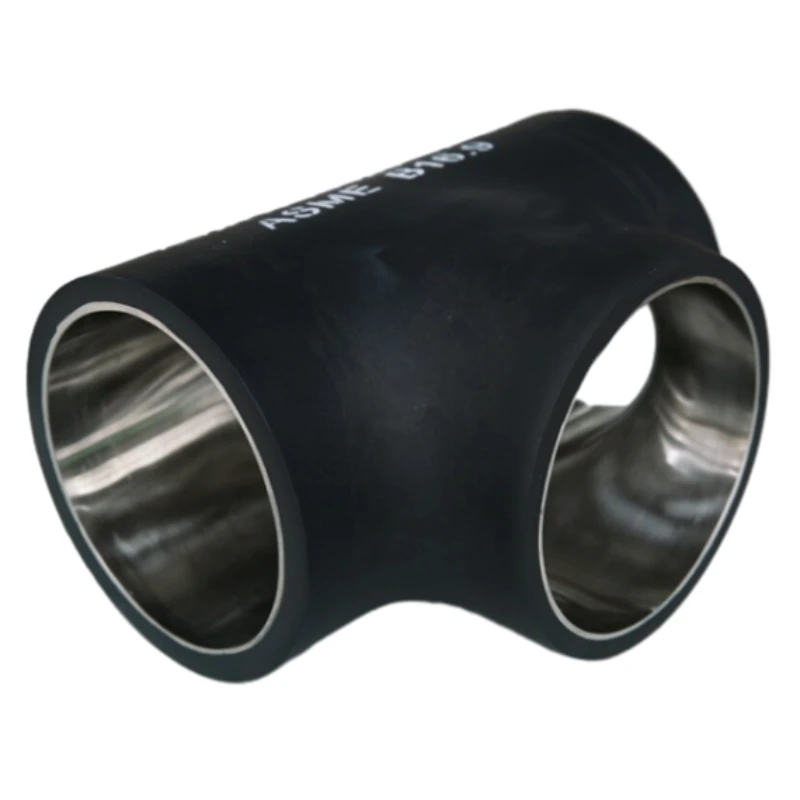
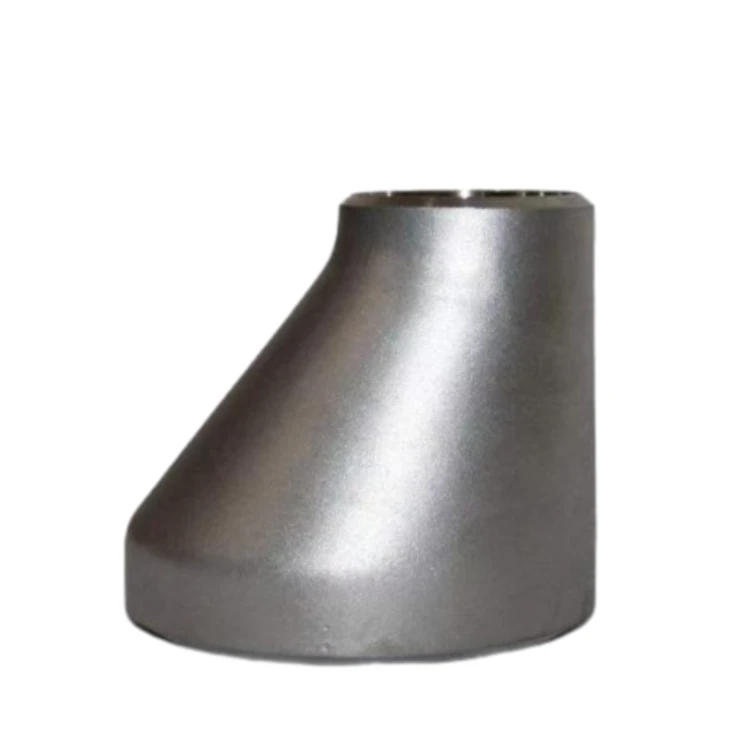
    The anti-corrosion and thermal insulation products we focus on produce play a key role in the industrial pipeline system, especially the thermal insulation pipe fittings and steel pipes. Thermal insulation pipe fittings cover elbows, tees, reducers and pipe supports, with specifications ranging from DN15 to DN1800, and are made of carbon steel, alloy steel, stainless steel, bimetallic composite, nickel-based alloy and other materials.
    VIEW ALL
  • Carbon Semless Steel Pipes

    Carbon Semless Steel Pipes

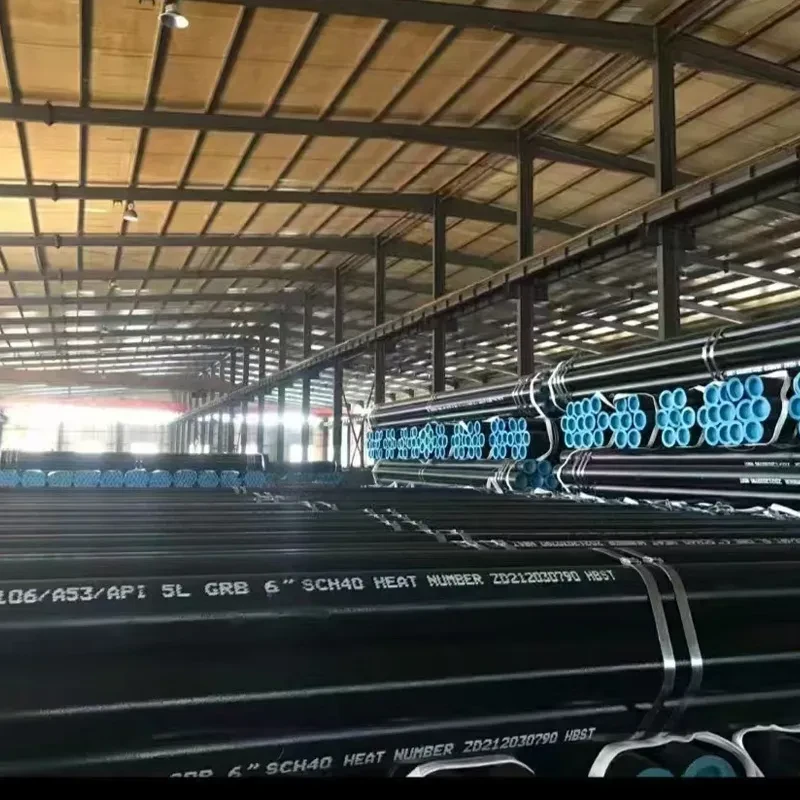
    Carbon Seamless Steel Pipes are made from high-quality carbon steel and manufactured without welded seams, offering exceptional strength, durability, and resistance to pressure. These pipes are ideal for a wide range of applications, including oil and gas pipelines, construction, automotive, and fluid transportation systems. The seamless design ensures uniformity, higher structural integrity, and improved performance under high pressure and temperature conditions.
    VIEW ALL
  • Elbow

    Elbow

    Carbon Steel &stainless Steel Elbow Elbows are pipe fittings used to change the direction of pipelines in piping systems, commonly employed at pipeline bends. They are widely used in industries such as petroleum, chemical, and power. The common size range for elbows is DN15-DN2000, and typical angles include 45°, 90°, and 180°.
    VIEW ALL
To create value for customers!
Cangzhou Leo Technology Co., Ltd. is located in Mengcun County Economic Development Zone, Cangzhou City, Hebei Province. It is a specialized high-tech enterprise that integrates the research and development, production, and sales of composite pipes and fittings.
News
The company regards product quality as the life of the enterprise, establishes a sound quality management system in accordance with the requirements of industry and national standards, controls all aspects of input and output in the whole process, pays attention to every detail, and ensures that the product delivery pass rate is 100%.
High Performance Sink Pipe Steel Guide for Industrial Piping

High Performance Sink Pipe Steel Guide for Industrial Piping

High-Performance Sink Pipe Steel: The Ultimate Guide to Industrial Piping In the demanding world of industrial manufacturing and pressure vessel construction, the selection of materials for piping systems is critical. Utilizing high-quality sink pipe steel ensures that systems can withstand extreme pressures, corrosive media, and mechanical stress. Whether it is for chemical processing, oil and gas, or construction, the right steel grade and fitting geometry can mean the difference between seamless operation and costly system failure. This guide explores the technical nuances of steel elbows and specialized clad materials designed for the most rigorous environments.
Ultimate Guide to Industrial Seamless Steel Pipe for Piping

Ultimate Guide to Industrial Seamless Steel Pipe for Piping

In the realm of modern industrial infrastructure, the integrity of piping systems is non-negotiable. The seamless steel pipe stands as the gold standard for transporting high-pressure fluids and gases. Unlike welded alternatives, seamless pipes are manufactured without a longitudinal seam, eliminating the most common point of failure and ensuring superior structural consistency. This makes them indispensable in sectors where safety and reliability are paramount, such as petroleum, nuclear power, and thermal energy. In this comprehensive guide, we will explore the technical advantages, material specifications, and critical applications of these high-performance components to help you make an informed procurement decision.
High Performance Seamless Steel Pipes for Industrial Piping

High Performance Seamless Steel Pipes for Industrial Piping

In the world of industrial fluid transportation and pressure vessel manufacturing, the choice of piping material can determine the safety and longevity of an entire system. Seamless steel pipes are engineered to withstand extreme conditions without the risk of weld-line failure, making them the gold standard for high-pressure environments. From oil and gas pipelines to hydraulic systems, these pipes offer unmatched structural integrity. In this comprehensive guide, we will explore the technical specifications, benefits, and diverse applications of carbon seamless steel solutions to help you make an informed procurement decision for your next engineering project.
High Performance Seamless Stainless Steel Pipe for Industrial Use

High Performance Seamless Stainless Steel Pipe for Industrial Use

The Ultimate Guide to Seamless Stainless Steel Pipe for Industrial Applications In the demanding world of oil and gas extraction, particularly in fields characterized by high hydrogen sulfide and carbon dioxide levels, the integrity of transportation infrastructure is critical. While traditional carbon steel often fails due to insufficient corrosion resistance, the seamless stainless steel pipe emerges as a premium solution. By eliminating weld seams, these pipes provide superior structural integrity and a seamless barrier against corrosive media. For industries operating under extreme pressure and chemical aggression, choosing the right piping material is not just about efficiencyit is about safety and long-term economic viability.
Industrial Piping Solutions Using Durable sch 40 steel pipe

Industrial Piping Solutions Using Durable sch 40 steel pipe

Optimizing Industrial Piping with SCH 40 Steel Pipe Solutions In the demanding world of industrial manufacturing and fluid transport, selecting the right piping specification is critical for safety and efficiency. The sch 40 steel pipe serves as a global standard for versatility, balancing wall thickness with internal flow capacity. Whether used in petrochemical plants, marine environments, or construction, this pipe grade provides the structural reliability needed to handle moderate pressures. However, as industries evolve, the integration of advanced technologies like laser cladding is transforming how we enhance these pipes to resist extreme corrosion and wear, extending the lifecycle of critical infrastructure.
Industrial 5 inch steel tubing Guide for High Pressure Systems

Industrial 5 inch steel tubing Guide for High Pressure Systems

The Ultimate Guide to 5 Inch Steel Tubing for Industrial Applications When designing high-pressure piping systems or structural frameworks, selecting the right material dimensions is critical for safety and efficiency. The 5 inch steel tubing serves as a versatile midpoint in industrial piping, offering a perfect balance between flow capacity and structural rigidity. Whether it is used in oil and gas transport, water management, or architectural support, the quality of the steel determines the longevity of the entire project. In this comprehensive guide, we will explore the technical specifications, material grades, and strategic advantages of utilizing this specific tubing size
tel email tel top

If you are interested in our products, you can choose to leave your information here, and we will be in touch with you shortly.