Having spent quite a few years in industrial equipment, I’ve come to appreciate the humble 2.5 inch stainless steel pipe more than most. Oddly enough, pipes rarely get the spotlight they deserve, yet in real terms, they’re the veins delivering life to complex manufacturing and processing systems.
What makes this specific size so popular? Well, 2.5 inches hits a sweet spot where flow capacity, strength, and ease of handling all balance out. You’re looking at a diameter that’s big enough for significant throughput but still easy enough to work with on-site without heavy machinery — something I’ve personally noticed saves a surprising amount of downtime.
Stainless steel itself deserves a nod. Its corrosion resistance is not just marketing fluff; it’s what keeps entire plant sections running smoothly for years. I remember one plant where cheaper piping had failed within months due to chemical exposure, but the stainless runs, particularly the SS304 variants, just kept pumping away — it really felt like a solid investment.
Now, if you’re curious about standards, most 2.5 inch stainless pipes comply with ASTM A312 TP304 or TP316. These grades differ primarily in corrosion resistance; the 316 stands up better against chlorides and harsh chemicals. Many engineers, myself included, tend to lean on 316 for more demanding environments, though it does come with a price premium.
A quick heads-up on customization — manufacturers often offer options in wall thickness ranging roughly from SCH10 to SCH40 and beyond. It’s worth considering what your pressure ratings and temperature conditions are because these can affect the choice heavily. Frankly, a pipe that’s too thin or too thick can throw your project cost and performance out of balance.
| Property | Details |
|---|---|
| Outer Diameter | 2.875 inches (73 mm) |
| Nominal Pipe Size | 2.5 inches (65 mm) |
| Materials | SS304, SS316, SS316L |
| Wall Thickness | SCH10 to SCH40 |
| Pressure Rating | Typically up to 1000 psi (varies with schedule) |
| Standards | ASTM A312, A213 |
| Finish | Mill finish, polished, pickled |
Having used pipes from several suppliers across various projects, I must say vendor reliability can make all the difference. Here’s a quick comparison of three common suppliers I’ve encountered:
| Vendor | Material Options | Custom Wall Thickness | Delivery Time | Quality Assurance |
|---|---|---|---|---|
| Lion Pipeline | SS304, SS316, SS316L | Available | 3-5 business days | Third-party testing & certificates |
| SteelCo | SS304 only | Limited | 7-10 business days | Internal QA only |
| Prime Pipes | SS304, SS316 | Available | 5-7 business days | ISO 9001 certified |
Let me share a small story: a client in chemical processing switched to 2.5 inch stainless steel pipes from Lion Pipeline after years of flange leaks and weld failures with carbon steel. The switch cut down their unscheduled downtime drastically. Getting a pipe that meets ASTM standards with documented traceability really helped — it felt like going from guesswork to confidence. That kind of peace of mind? Priceless.
To wrap it up, the 2.5 inch stainless steel pipe isn't just a “pipe” — it’s a core element that quietly supports entire industrial systems, from water treatment to chemical plants. Picking the right grade, wall thickness, and vendor can make a huge difference. If you ask me, investing in quality piping upfront saves headaches and costs down the line — but I’m sure you’d agree once you’ve been around the block a few times.
Sometimes, the simplest components hold the most weight. And in piping, that’s very much the case.
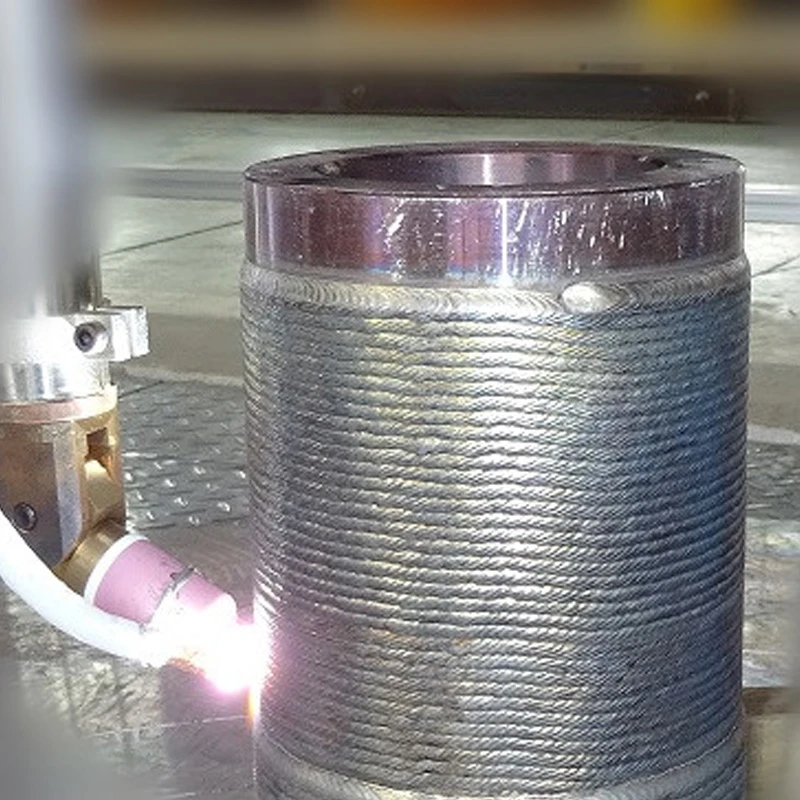
Overlay Welding Clad Steel Pipe
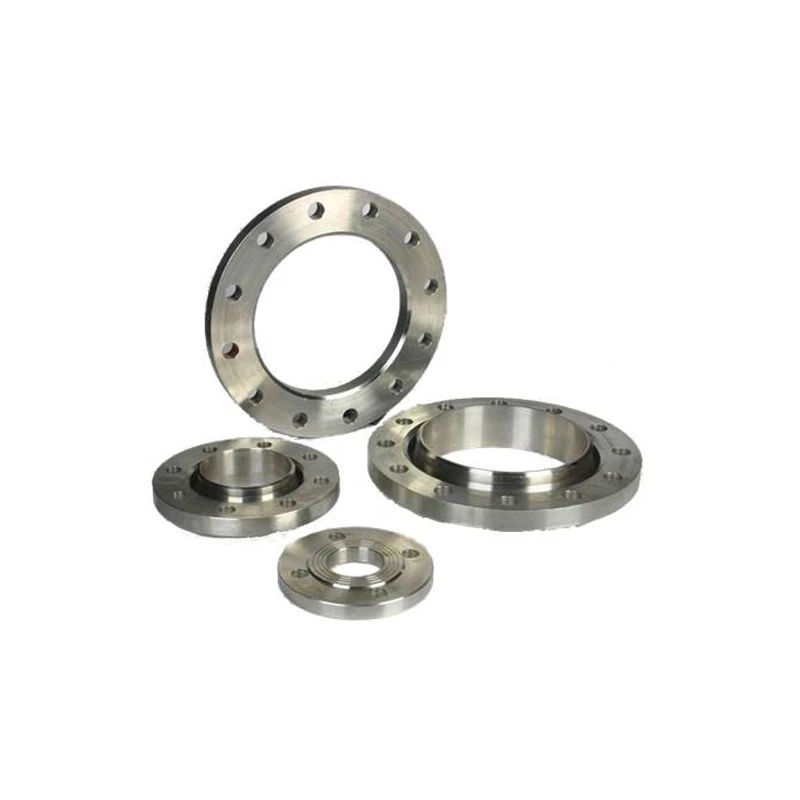
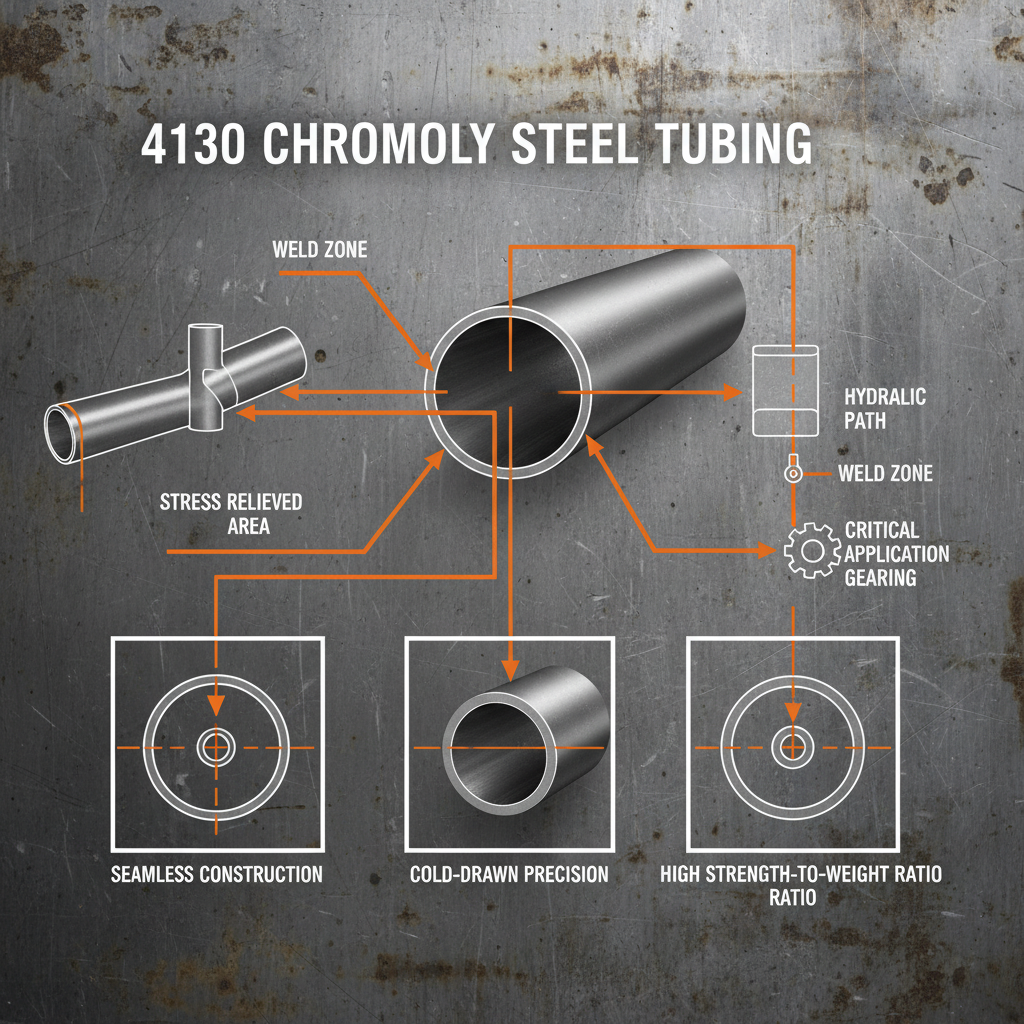
Ultimate Guide to 4130 Tubing Strength Performance and Applications
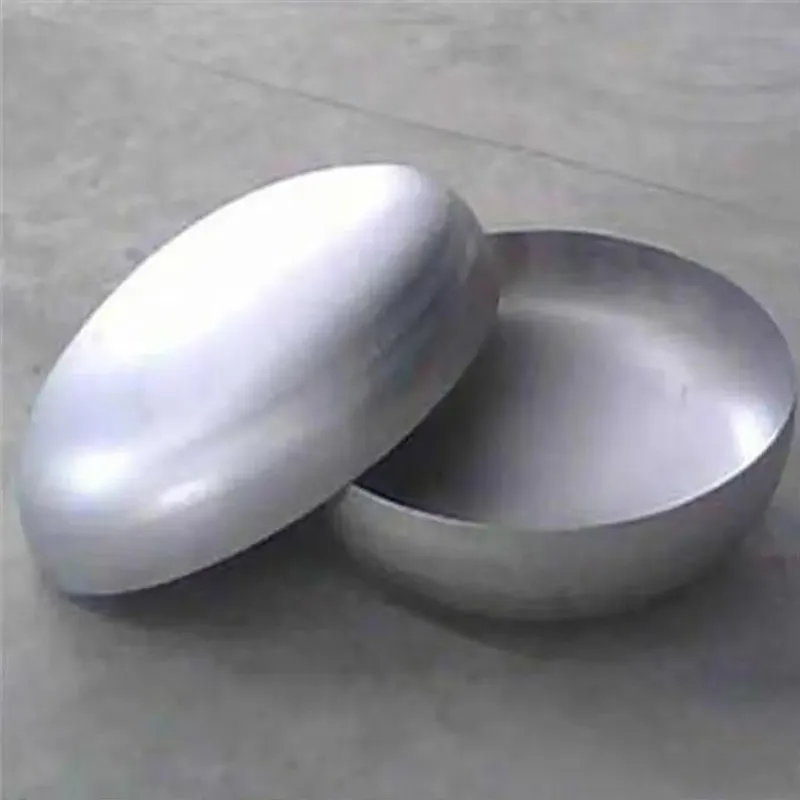
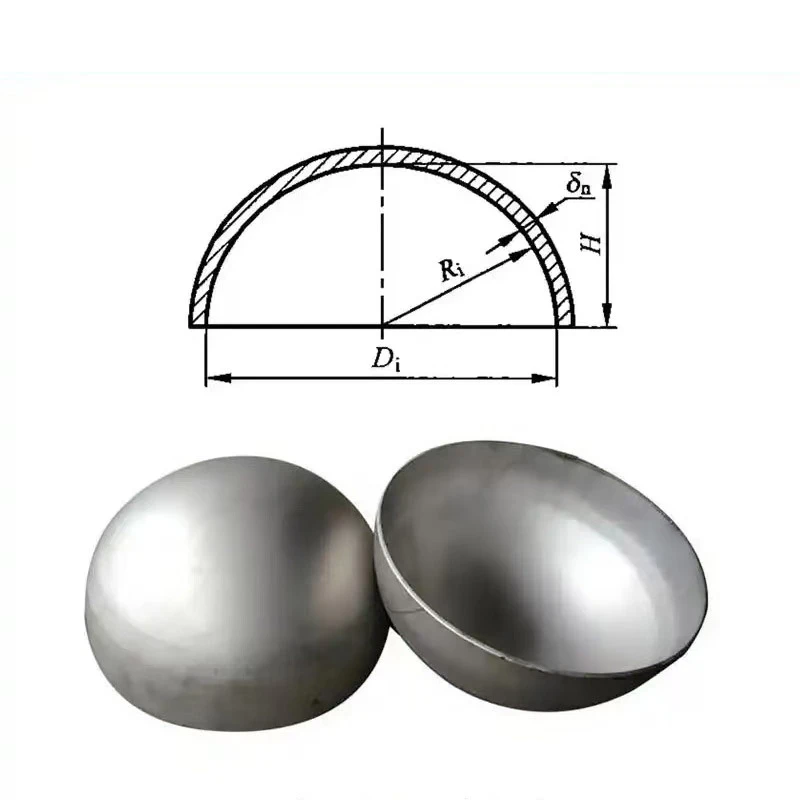
Pipe Cap-Cangzhou Lion Technology Co., Ltd.|Enhancing System Efficiency&Durability
Pipe Cap-Cangzhou Lion Technology Co., Ltd.|Enhancing System Efficiency&Durability
Pipe Cap-Cangzhou Lion Technology Co., Ltd.|Enhancing System Efficiency&Durability
Pipe Cap-Cangzhou Lion Technology Co., Ltd.|Enhancing System Efficiency&Durability
Pipe Cap-Cangzhou Lion Technology Co., Ltd.|Enhancing System Efficiency&Durability