When sourcing materials for a wide range of industrial and commercial applications, the choice of pipe material is critical. 4 stainless pipe, also known as 304/304L stainless steel pipe, is a highly versatile and sought-after option. This article explores the properties, applications, advantages, and considerations when choosing 4 stainless pipe, guiding you towards informed procurement decisions. We'll delve into why it’s a preferred material in various industries, ensuring long-term reliability and performance.
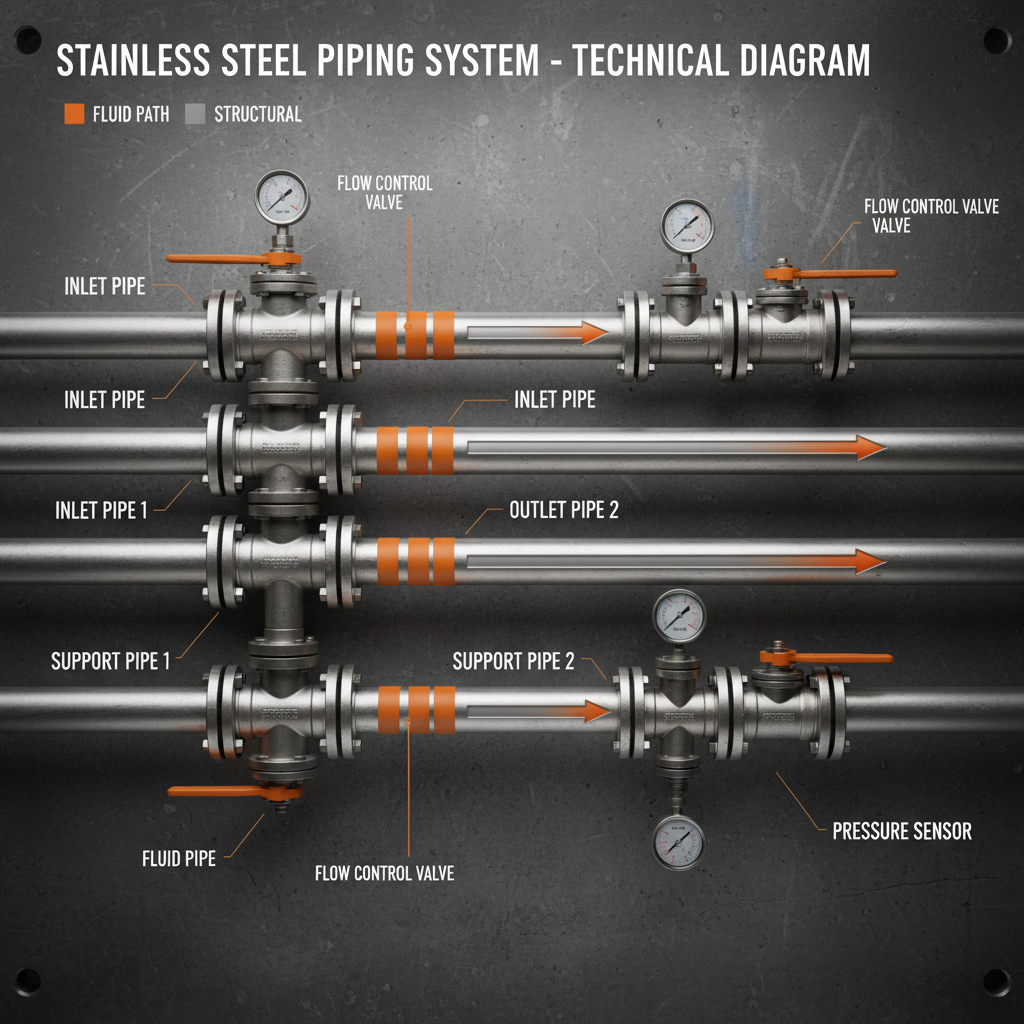
"4 stainless steel" commonly refers to 304/304L stainless steel, an austenitic stainless steel alloy containing approximately 18% chromium and 8% nickel. The 'L' designation (304L) indicates a lower carbon content, enhancing weldability and reducing the risk of carbide precipitation during welding, which can compromise corrosion resistance. This composition provides excellent corrosion resistance, formability, and weldability, making it ideal for various applications. Lion Pipeline offers a comprehensive range of 4 stainless pipe to meet diverse industry requirements.
Key Highlights: Excellent corrosion resistance, good formability, superior weldability, and versatile application across industries.
The versatility of 4 stainless pipe allows for usage in various applications, including food and beverage processing, pharmaceutical manufacturing, chemical processing, water treatment, and general plumbing. Its hygienic properties make it ideal for industries where cleanliness and sanitation are paramount. Furthermore, it’s used extensively in architectural applications, exhaust systems, and the transportation of various fluids and gases. The material’s ability to withstand temperature variations and pressure makes it a reliable choice for critical infrastructure.
Application Benefits:
• Hygienic and easy to clean
• Excellent corrosion resistance
• Suitable for high-temperature and high-pressure environments
• Long service life
Comparing 4 stainless pipe to other materials like carbon steel, PVC, or copper reveals its unique advantages. Carbon steel is cheaper but prone to corrosion. PVC is corrosion-resistant but lacks the strength and temperature resistance of stainless steel. Copper is expensive and can be susceptible to certain types of corrosion. Choosing the right material depends on the specific application and budget, but 4 stainless pipe offers an excellent balance of performance and cost-effectiveness.
4 stainless pipe is available in a wide range of sizes, schedules (wall thickness), and finishes to accommodate diverse application requirements. Common sizes range from ½ inch to 12 inches in diameter, with schedules ranging from 5 to 160. Different finishes, such as polished, mill finish, and annealed, are also available. Lion Pipeline offers custom fabrication and cutting services to meet your exact specifications.
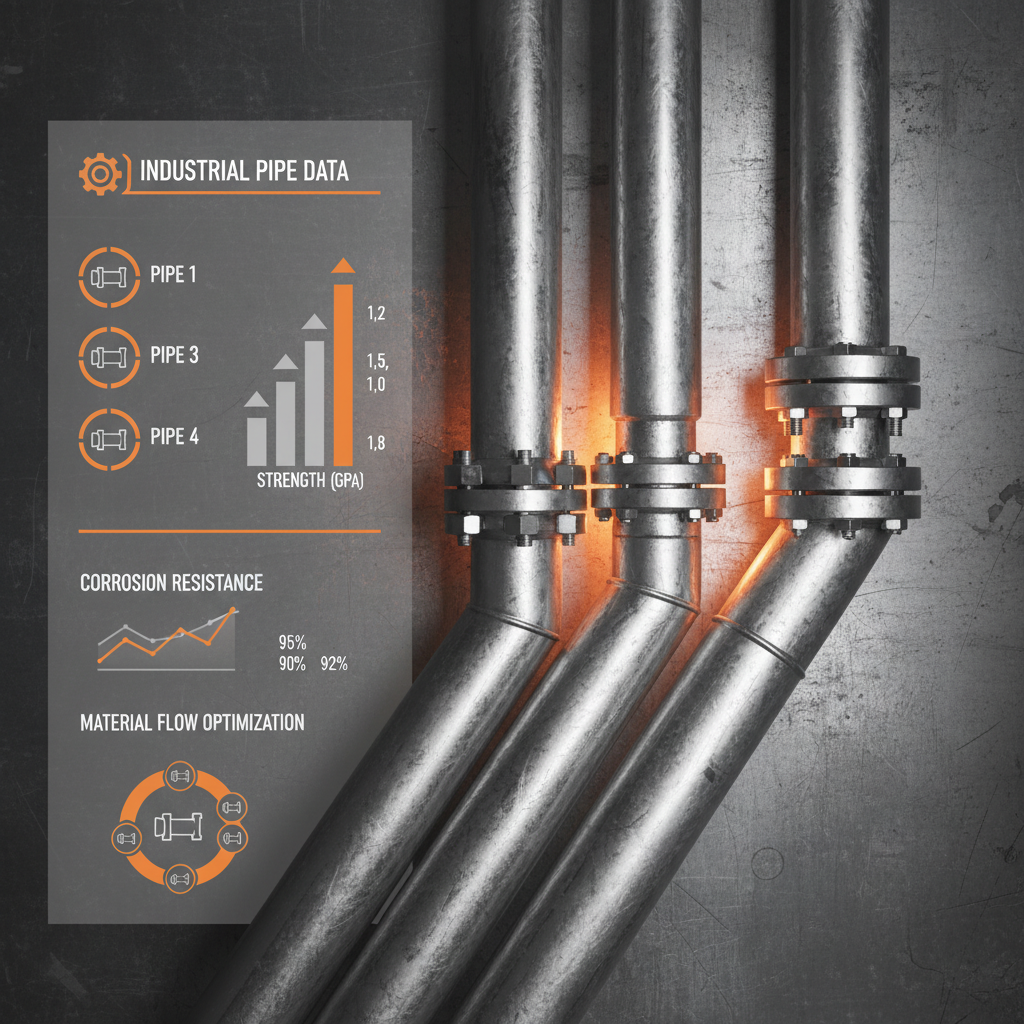
Choosing 4 stainless pipe is a strategic investment for businesses requiring durability, corrosion resistance, and hygiene. Its versatility allows for use across multiple industries, providing long-term reliability and performance. Partnering with a reputable supplier like Lion Pipeline ensures you receive high-quality products and exceptional service.
The primary difference lies in their carbon content. 304L has a lower carbon content (0.03% max vs. 0.08% max in 304). This reduced carbon content improves weldability by minimizing carbide precipitation during welding, which can lead to corrosion issues. 304L is generally preferred for applications requiring extensive welding, while 304 is suitable for applications where welding is minimal or not required. Both alloys provide excellent corrosion resistance, but 304L offers enhanced weldability and resistance to weld decay.
To prevent corrosion, store 4 stainless pipe in a clean, dry environment, protected from exposure to chlorides and other corrosive substances. Cover the pipes to shield them from dust and contaminants. Avoid storing them in direct contact with carbon steel or other dissimilar metals, as this can lead to galvanic corrosion. If outdoor storage is unavoidable, ensure adequate covering and elevate the pipes off the ground to prevent moisture buildup. Regular inspection and cleaning can also help maintain its condition.
4 stainless pipe is widely used across numerous industries, including food and beverage processing, pharmaceutical manufacturing, chemical processing, oil and gas, water treatment, pulp and paper, and architectural applications. Its corrosion resistance, hygiene, and durability make it ideal for handling various fluids and gases in demanding environments. It’s also frequently used in plumbing systems, HVAC systems, and transportation industries.
Yes, 4 stainless pipe is highly recyclable. Stainless steel is one of the most recycled materials globally, retaining its inherent properties even after multiple recycling cycles. Recycling stainless steel conserves resources, reduces energy consumption, and minimizes environmental impact. Reputable metal recycling facilities can process and reclaim stainless steel scrap for reuse in various applications.
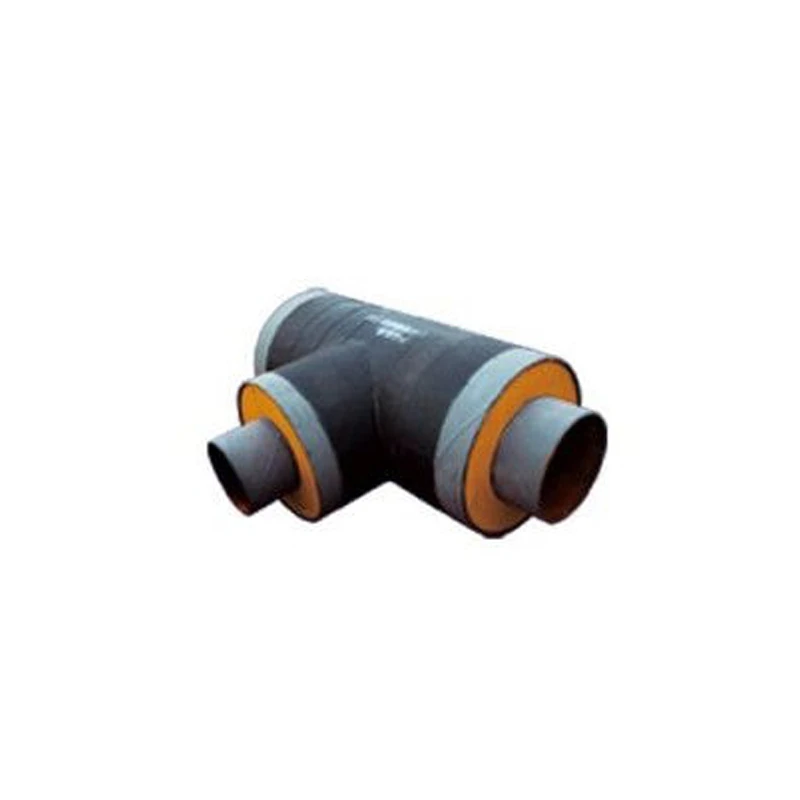
Anti Corrosion And Thermal Insulation Products
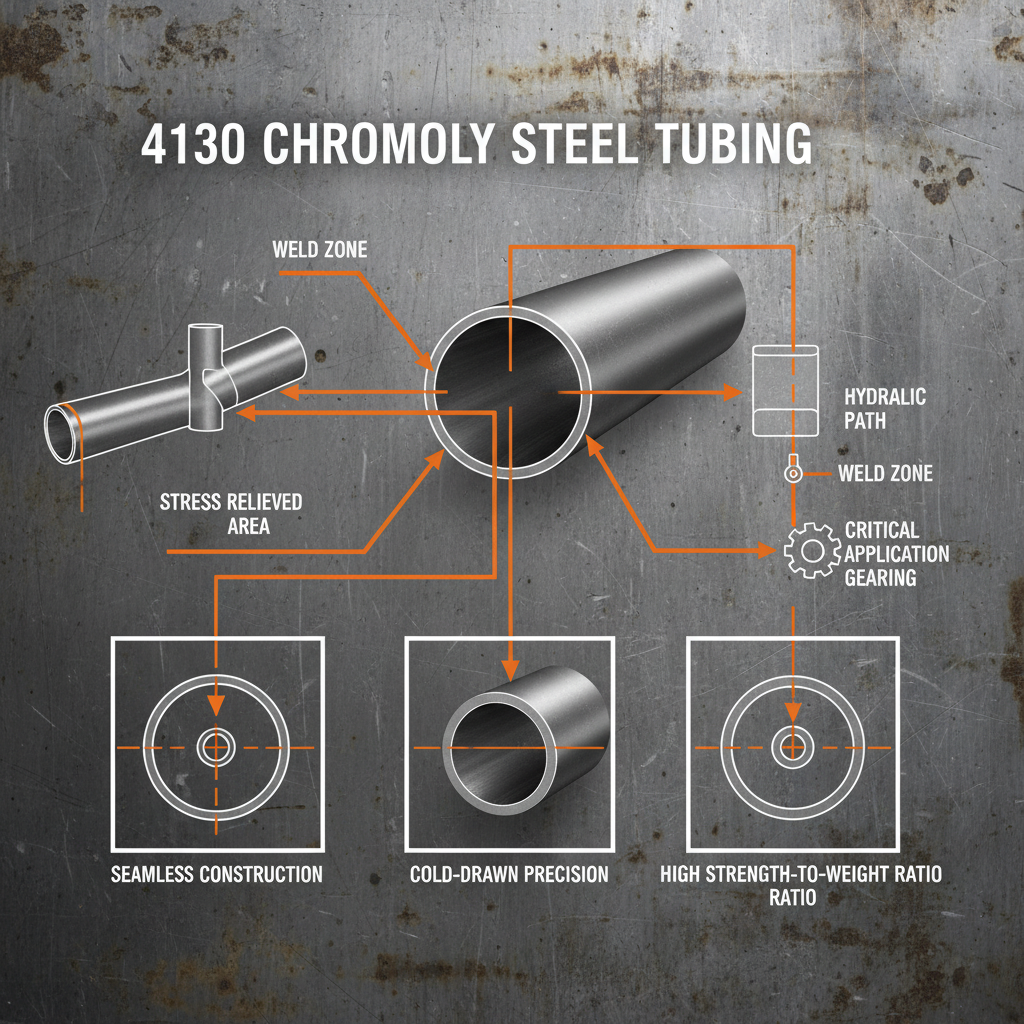
Ultimate Guide to 4130 Tubing Strength Performance and Applications
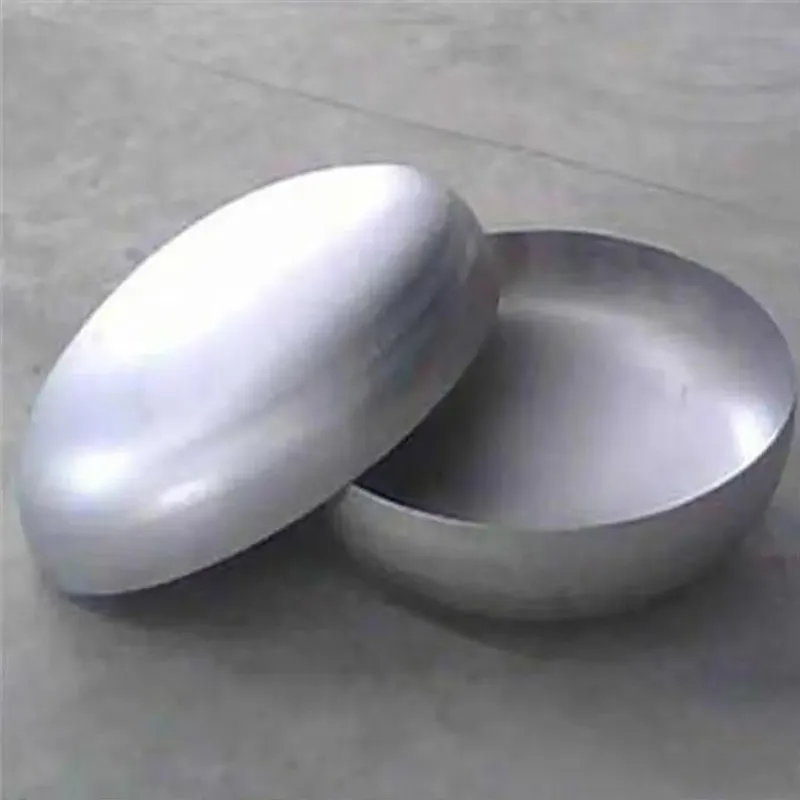
Pipe Cap-Cangzhou Lion Technology Co., Ltd.|Enhancing System Efficiency&Durability
Pipe Cap-Cangzhou Lion Technology Co., Ltd.|Enhancing System Efficiency&Durability
Pipe Cap-Cangzhou Lion Technology Co., Ltd.|Enhancing System Efficiency&Durability
Pipe Cap-Cangzhou Lion Technology Co., Ltd.|Enhancing System Efficiency&Durability
Pipe Cap-Cangzhou Lion Technology Co., Ltd.|Enhancing System Efficiency&Durability