4 inch steel tubing is a versatile material widely utilized across various industries, from construction and manufacturing to automotive and infrastructure. Its strength, durability, and cost-effectiveness make it a preferred choice for numerous applications. This article delves into the characteristics, applications, different types, and considerations when purchasing 4 inch steel tubing, offering a detailed overview for professionals and anyone seeking a deeper understanding of this essential material. Selecting the appropriate steel tubing can significantly impact the performance and longevity of your project.
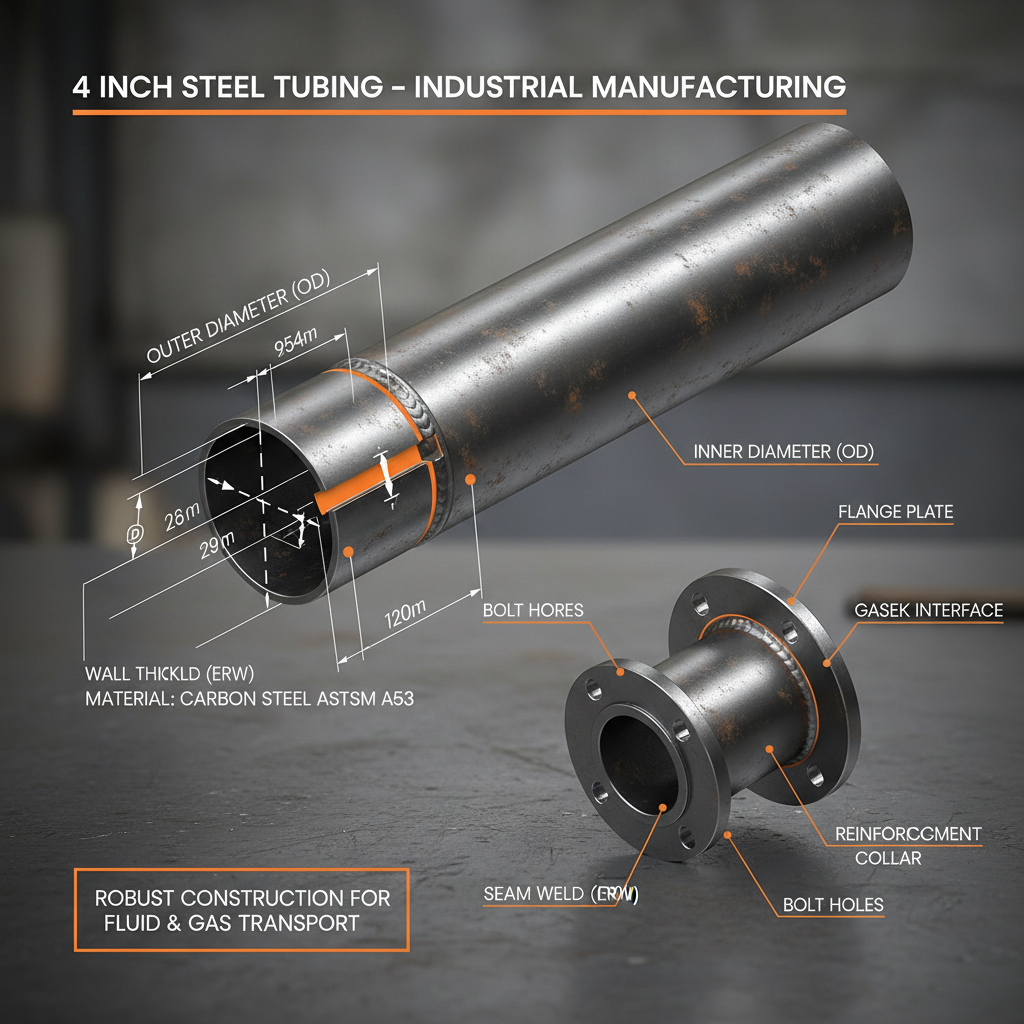
4 inch steel tubing refers to hollow steel sections with an outer diameter of 4 inches. It’s commonly manufactured through processes like welding, seamless extrusion, or cold drawing. This tubing offers a high strength-to-weight ratio, making it ideal for structural applications. It’s available in various steel grades, each with unique properties tailored to specific needs. Understanding the different manufacturing processes and steel grades is crucial for selecting the optimal tubing for your requirements.
Key Highlights: Offers a high strength-to-weight ratio, available in various steel grades, and suitable for a wide range of structural applications.
There are several types of 4 inch steel tubing, each offering different characteristics and advantages. The primary distinctions lie in their manufacturing process and steel grade. Common types include:
The versatility of 4 inch steel tubing leads to its use in numerous applications. These include:
Key Application Areas:
• Construction – Structural Support
• Automotive – Chassis and Roll Cages
• Manufacturing – Machinery Frames
• Agriculture – Irrigation & Greenhouse Framing
Selecting the appropriate steel grade is paramount based on your application’s requirements. Here’s a comparison of common grades:
When procuring 4 inch steel tubing, consider the following factors:
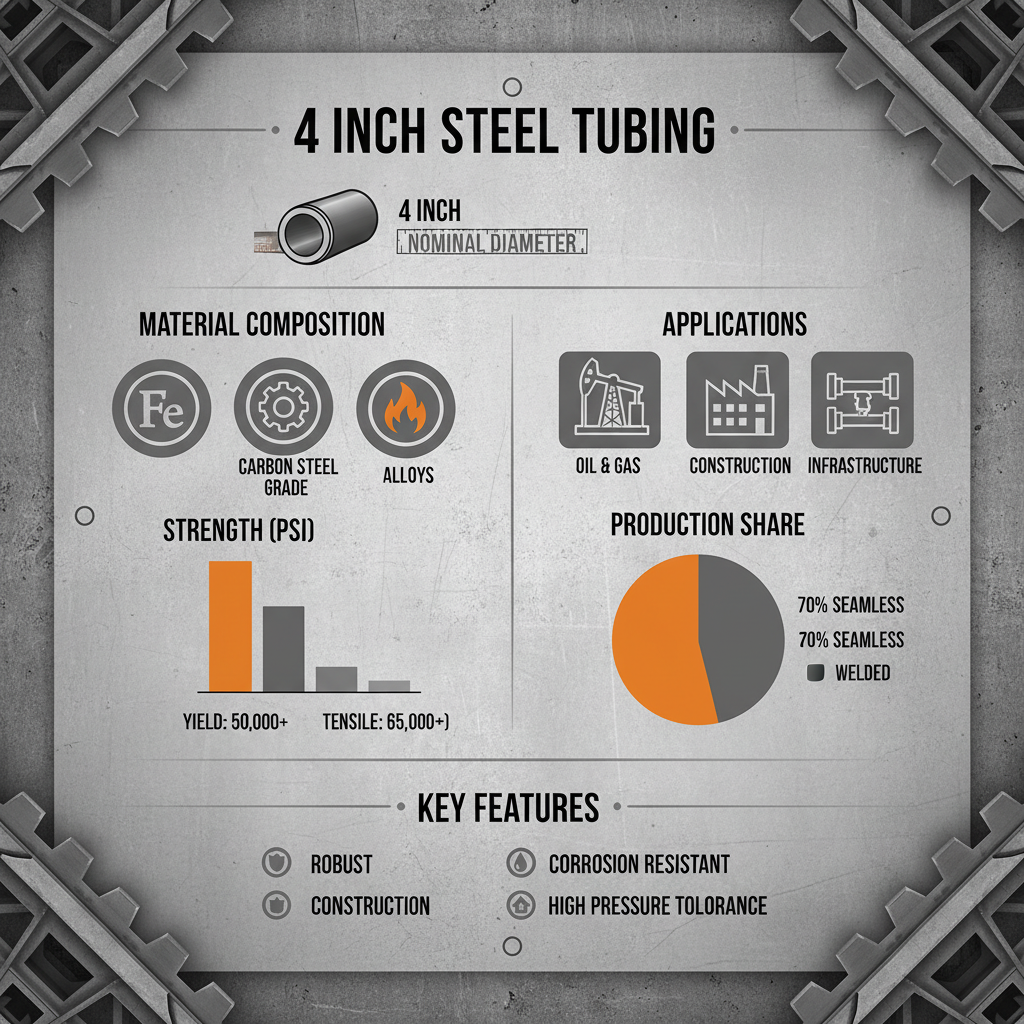
Understanding the nuances of 4 inch steel tubing is crucial for successful project implementation. By carefully considering the application, steel grade, manufacturing process, and supplier reputation, you can ensure you select the optimal material for your needs. Choosing quality steel tubing will contribute to the longevity, safety, and performance of your projects.
Wall thickness varies depending on the application and load requirements. Common wall thicknesses range from 0.125 inches (Schedule 40) to 0.218 inches (Schedule 80). Schedule 40 is suitable for general-purpose applications, while Schedule 80 offers higher pressure resistance and is often used in structural applications where greater strength is needed. Always consult engineering specifications to determine the appropriate wall thickness for your specific project. Selecting the correct wall thickness ensures the tubing can withstand the expected stresses and pressures.
Yes, 4 inch steel tubing is generally easy to cut and weld, particularly carbon steel grades. Common cutting methods include sawing, grinding, and plasma cutting. Welding can be performed using various techniques, such as MIG, TIG, or stick welding. However, proper welding procedures and qualified welders are essential to ensure strong and reliable joints. Stainless steel grades require specialized welding techniques to maintain corrosion resistance.
The cost of 4 inch steel tubing varies significantly depending on the steel grade, manufacturing process, wall thickness, and quantity ordered. ERW tubing is generally the most affordable option, while seamless and stainless steel tubing are more expensive. Current market prices for steel can also fluctuate. Contacting suppliers like Lion Pipeline for a customized quote is recommended to get the most accurate pricing for your specific requirements.

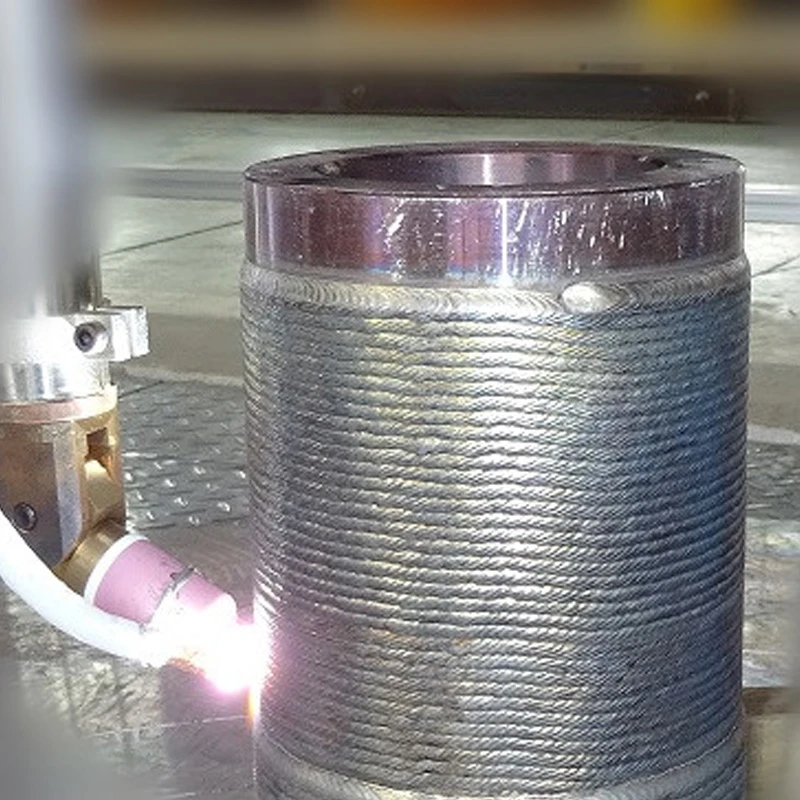
Overlay Welding Clad Steel Pipe
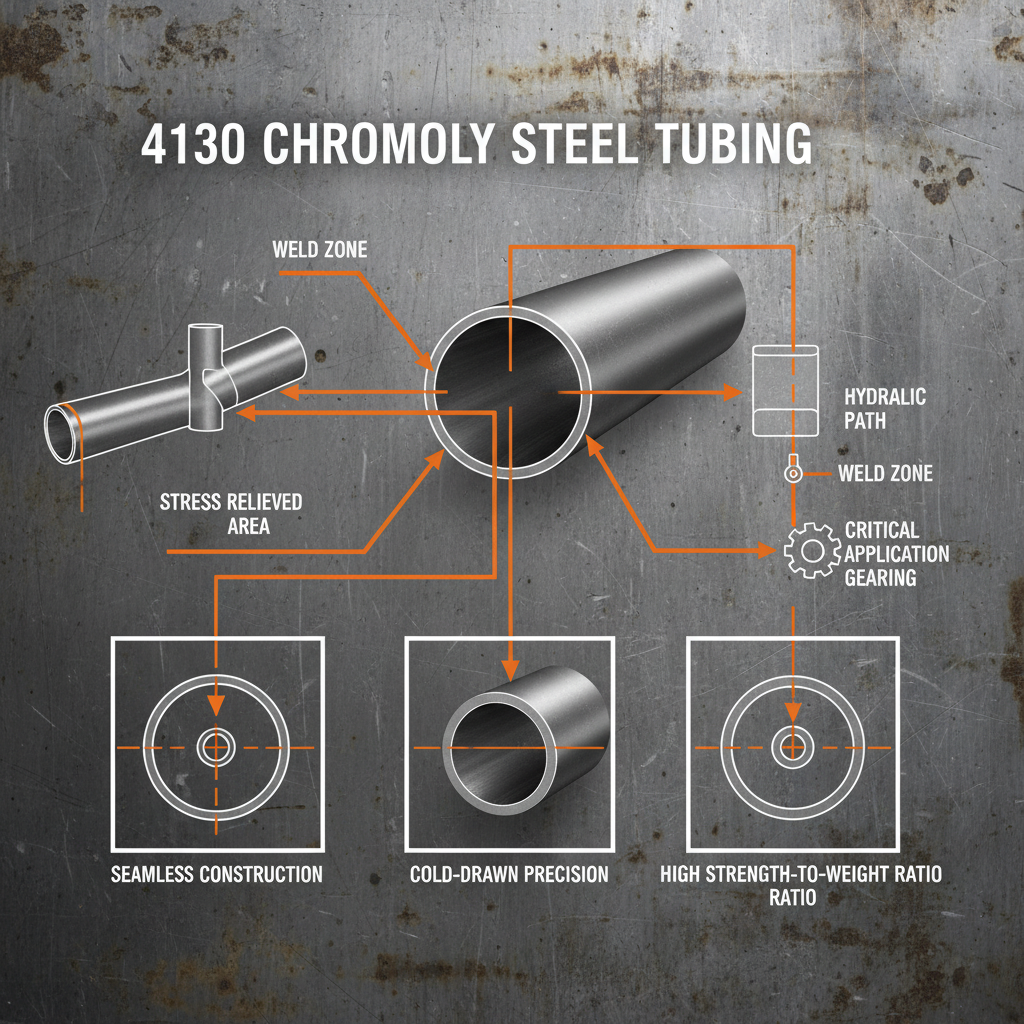
Ultimate Guide to 4130 Tubing Strength Performance and Applications
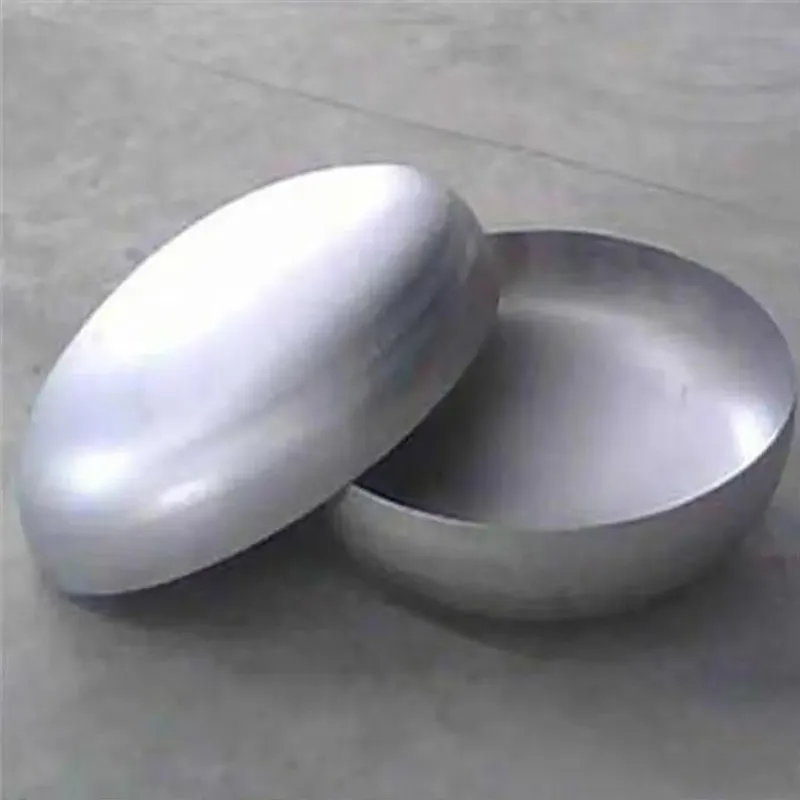
Pipe Cap-Cangzhou Lion Technology Co., Ltd.|Enhancing System Efficiency&Durability
Pipe Cap-Cangzhou Lion Technology Co., Ltd.|Enhancing System Efficiency&Durability
Pipe Cap-Cangzhou Lion Technology Co., Ltd.|Enhancing System Efficiency&Durability
Pipe Cap-Cangzhou Lion Technology Co., Ltd.|Enhancing System Efficiency&Durability
Pipe Cap-Cangzhou Lion Technology Co., Ltd.|Enhancing System Efficiency&Durability