4 inch galvanized pipe is a cornerstone material in numerous industries, from plumbing and irrigation to construction and industrial applications. Its robust construction and corrosion resistance make it a preferred choice for conveying fluids and providing structural support. This article will delve into the properties, applications, advantages, and considerations when working with 4 inch galvanized pipe, offering a detailed overview for professionals and DIY enthusiasts alike. We’ll cover everything from its manufacturing process to its suitability for various projects.
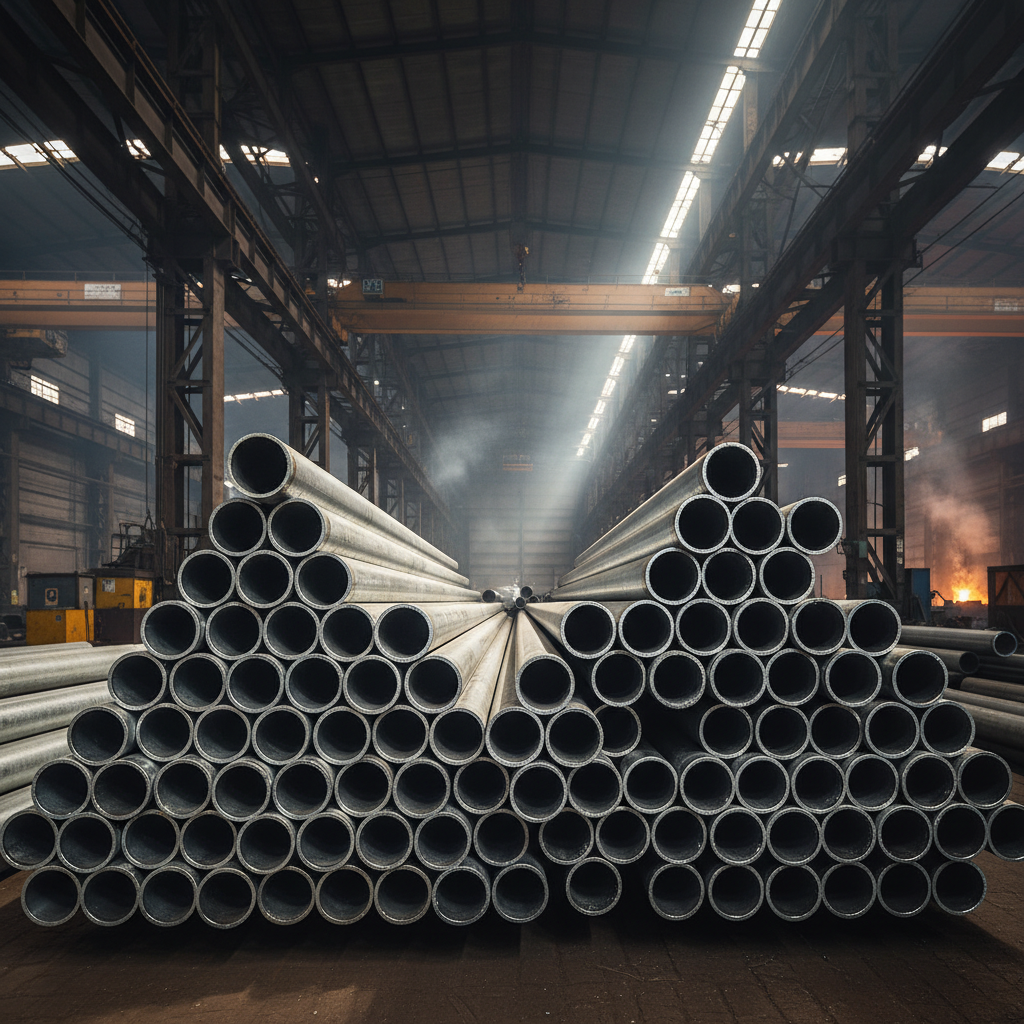
4 inch galvanized pipe refers to steel pipe that has been coated with a layer of zinc through a process called galvanization. This zinc coating serves as a protective barrier, preventing rust and corrosion, which are common issues with bare steel. The "4 inch" designation refers to the nominal inner diameter of the pipe. The galvanization process significantly extends the lifespan of the pipe, making it suitable for both indoor and outdoor applications. It's a cost-effective and reliable solution where durability is paramount.
The versatility of 4 inch galvanized pipe lends itself to a wide variety of applications. In plumbing, it’s commonly used for water supply lines, though increasingly being replaced by PEX and CPVC in residential settings. In the agricultural sector, it’s ideal for irrigation systems due to its durability and resistance to corrosion from water and fertilizers. Industrial applications include sprinkler systems, scaffolding, and as conduits for electrical wiring (though proper grounding is crucial in this case). Furthermore, it finds use in the construction of handrails, fences, and structural supports where strength and longevity are required. You can find a wide selection of these pipes at Lion Pipeline.
Key Applications: Plumbing, Irrigation, Structural Supports, Scaffolding, Sprinkler Systems, Electrical Conduit (with proper grounding)
When selecting pipe for a project, it's essential to compare galvanized steel to other materials. Compared to PVC, galvanized steel offers superior strength and temperature resistance but is heavier and more expensive. Stainless steel provides even better corrosion resistance but comes at a significantly higher cost. Copper is a good conductor but is susceptible to theft and is also more expensive. Here’s a detailed comparison:
While galvanized steel is durable, there are factors to keep in mind. The zinc coating can be damaged over time, particularly if exposed to acidic environments or abrasive materials. Proper installation techniques, including the use of appropriate fittings and supports, are crucial. Threaded connections should be sealed with pipe dope or Teflon tape to prevent leaks. It's also important to consider the weight of the pipe, as it can be heavy and require specialized equipment for handling. Furthermore, while galvanized steel is corrosion-resistant, it's not completely impervious to corrosion, particularly in saltwater environments.
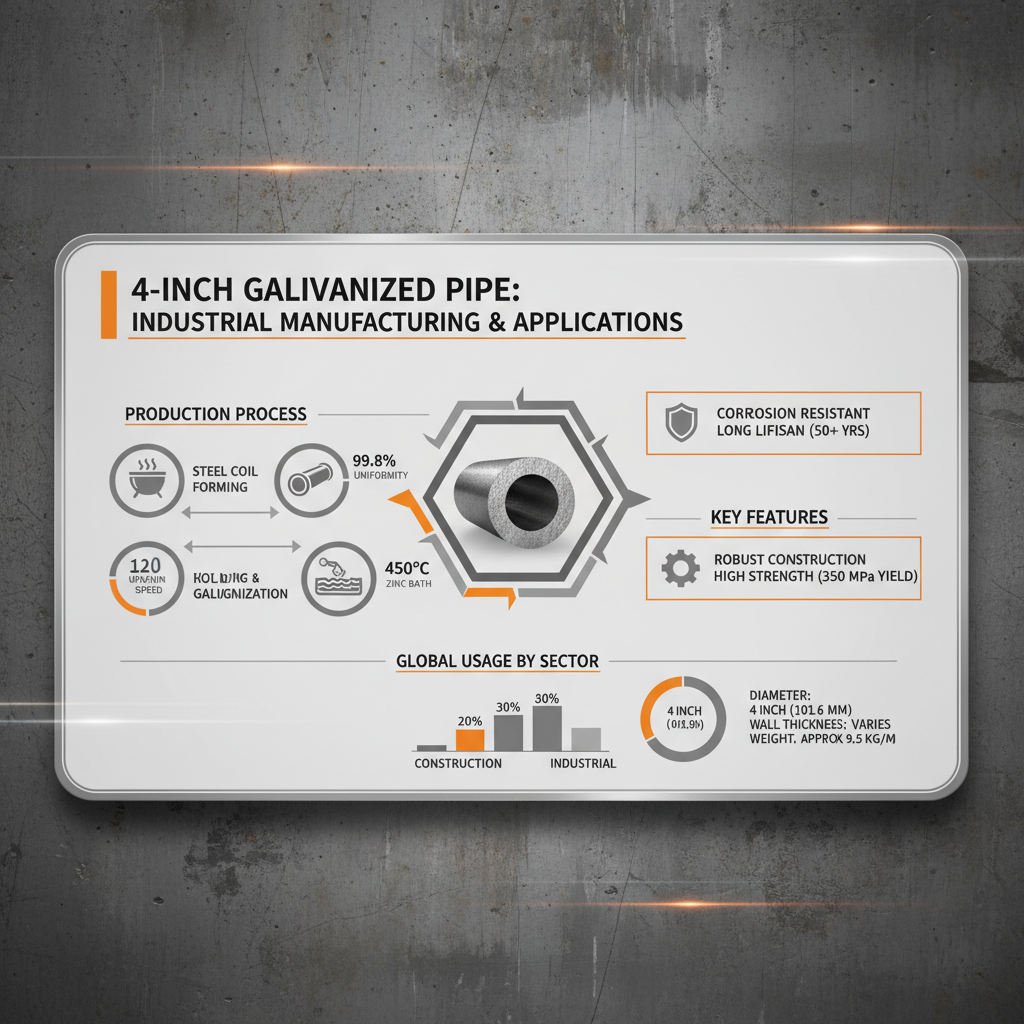
Choosing a reputable supplier is essential to ensure you receive high-quality 4 inch galvanized pipe that meets industry standards. Look for suppliers who provide certifications of compliance and offer a warranty on their products. Check for consistency in the zinc coating and inspect the pipe for any signs of damage or defects. Lion Pipeline is a trusted provider of galvanized steel pipes, offering a wide range of sizes and specifications to meet your project needs.
4 inch galvanized pipe remains a valuable material for a multitude of applications, offering a balance of strength, durability, and cost-effectiveness. By understanding its properties, applications, and limitations, you can make informed decisions when selecting piping solutions for your projects. Choose quality materials from a reliable supplier like Lion Pipeline to ensure long-lasting performance and reliability.
The lifespan of 4 inch galvanized pipe can vary greatly depending on environmental conditions and usage. Generally, you can expect it to last anywhere from 40 to 70 years, but this can be reduced in highly corrosive environments, such as those with high salinity or acidic conditions. Regular inspection and maintenance can help extend its lifespan. Factors like water quality, temperature fluctuations, and exposure to chemicals can all influence the rate of corrosion.
Connecting 4 inch galvanized pipe typically involves threaded connections. It’s crucial to use a high-quality pipe dope or Teflon tape on the male threads to ensure a watertight seal. Properly tighten the connections using a pipe wrench, but avoid over-tightening, which can damage the threads. If welding is required, a qualified welder should perform the work to ensure a strong and reliable joint. Proper alignment and support are also essential for long-term performance.
While 4 inch galvanized pipe was historically used for potable water systems, its use is becoming less common due to concerns about lead content and the potential for corrosion to affect water quality. Modern building codes often restrict or prohibit its use for potable water, favoring materials like PEX, CPVC, or copper. However, in some cases, it may still be permitted, but it’s essential to check local regulations and ensure the pipe meets relevant safety standards.
When working with galvanized pipe, wear appropriate personal protective equipment (PPE), including safety glasses, gloves, and a dust mask, especially when cutting or threading the pipe. Galvanized steel can produce sharp edges, so handle it with care to avoid cuts. If welding, ensure adequate ventilation and follow all welding safety procedures. Be mindful of the weight of the pipe and use proper lifting techniques to prevent injuries. Always consult the manufacturer's safety data sheet (SDS) for specific handling instructions.
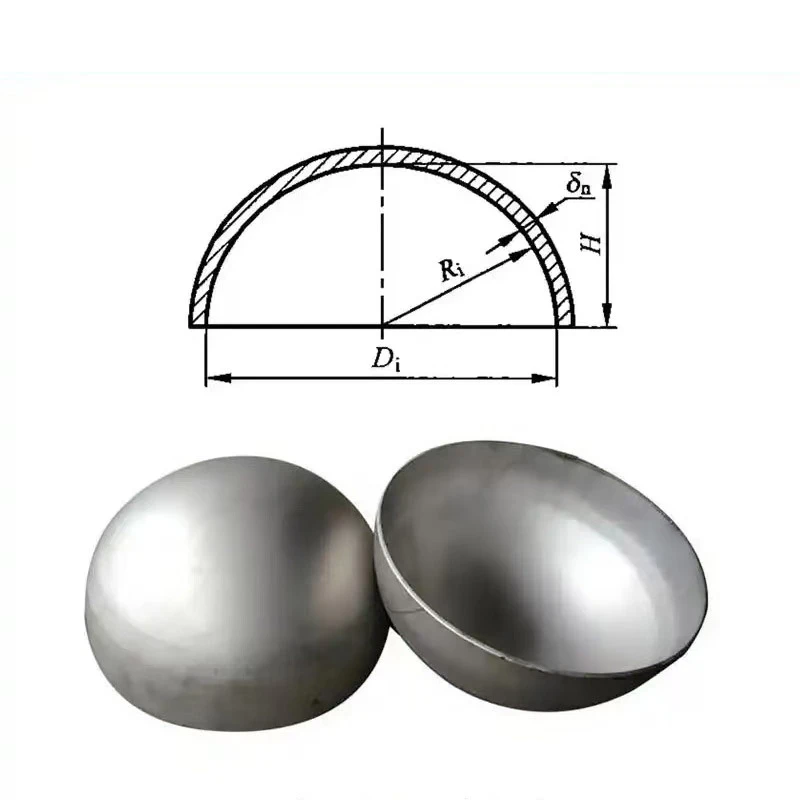

Ultimate Guide to 4130 Tubing Strength Performance and Applications
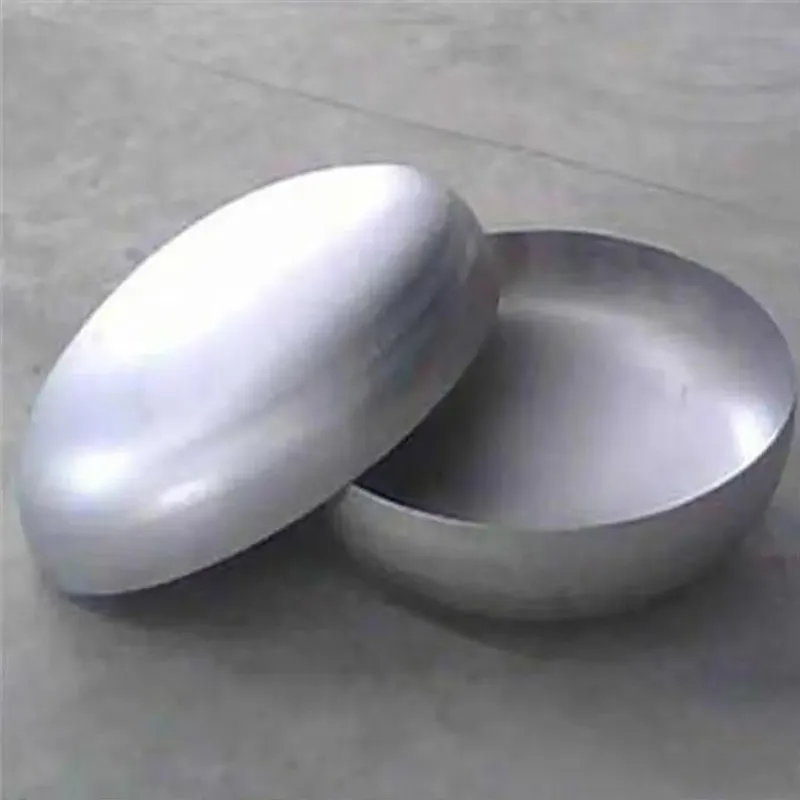
Pipe Cap-Cangzhou Lion Technology Co., Ltd.|Enhancing System Efficiency&Durability
Pipe Cap-Cangzhou Lion Technology Co., Ltd.|Enhancing System Efficiency&Durability
Pipe Cap-Cangzhou Lion Technology Co., Ltd.|Enhancing System Efficiency&Durability
Pipe Cap-Cangzhou Lion Technology Co., Ltd.|Enhancing System Efficiency&Durability
Pipe Cap-Cangzhou Lion Technology Co., Ltd.|Enhancing System Efficiency&Durability