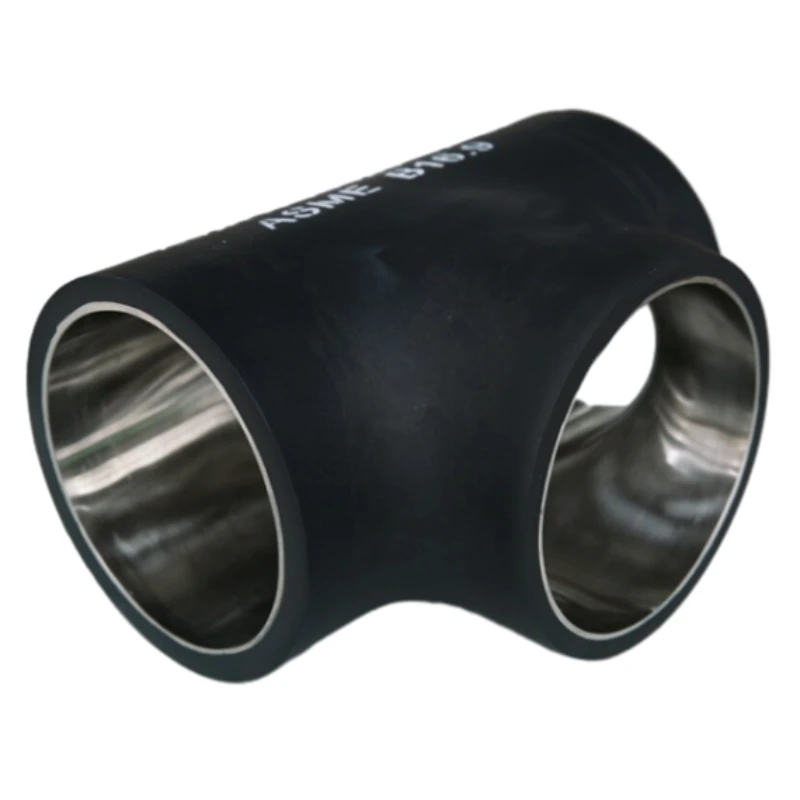
When specifying materials for pipelines, construction, or industrial projects, choosing the right diameter steel pipe is crucial. A 4 inch diameter steel pipe is a common size, offering a balance of flow capacity and manageable weight. This article will delve into the uses, benefits, standards, and key considerations when sourcing this essential component, with a focus on providing information relevant to international trade and project planning. Ensuring the correct steel pipe selection can significantly impact project efficiency and long-term reliability.
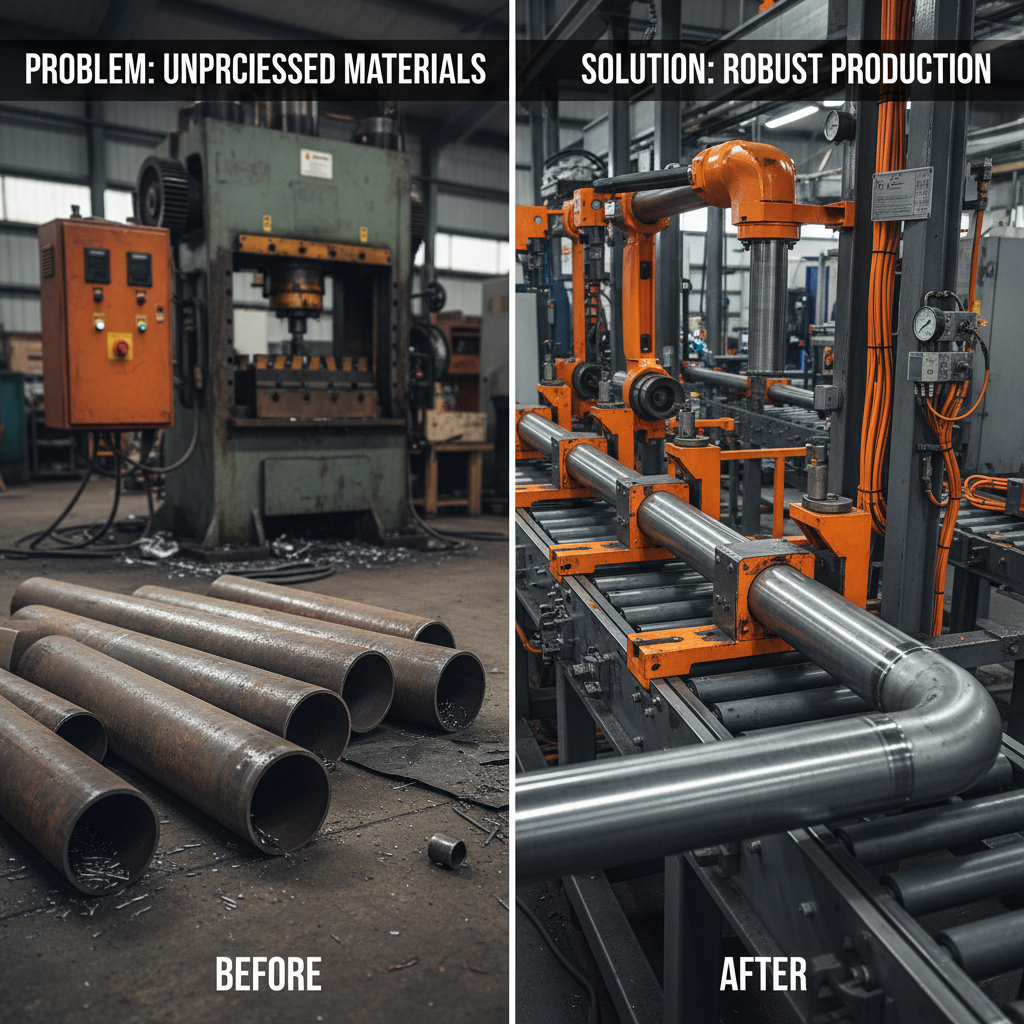
A 4 inch steel pipe is remarkably versatile. It's frequently used in water supply systems, fire protection networks, and industrial processing plants. Within the oil and gas industry, it serves as a conduit for various fluids. In construction, it’s often found as structural supports or part of scaffolding systems. Its moderate size makes it ideal for applications where a larger diameter pipe would be unwieldy or unnecessary, and a smaller diameter would restrict flow. Lion Pipeline offers a wide variety of steel pipe solutions to meet diverse project needs.
Key Applications: Water distribution, fire suppression, oil and gas transport, structural supports, industrial processing.
Selecting the appropriate steel grade is paramount. Common grades include A53, A106, and API 5L. A53 is often used for general-purpose applications, while A106 is better suited for high-temperature services. API 5L is the standard for pipeline applications, offering robust performance for transporting oil and gas. Understanding standards like ASTM, ASME, and API is essential for ensuring compliance and safety, especially in international trade. These standards dictate material composition, manufacturing processes, and testing procedures. Lion Pipeline guarantees adherence to all relevant international standards.
Key Standards:
• ASTM A53: General Purpose
• ASTM A106: High Temperature Service
• API 5L: Pipeline Applications
Different steel grades offer varying mechanical properties. The following table illustrates a comparison between common grades used for 4 inch diameter steel pipes. Understanding these differences is critical when matching pipe specifications to the demands of a specific project. Factors to consider include yield strength, tensile strength, and corrosion resistance.
International trade in steel pipes involves navigating complex regulations and tariffs. Understanding Incoterms (International Commercial Terms) is critical for defining responsibilities related to shipping, insurance, and customs clearance. Proper documentation, including certificates of origin and material test reports, is essential to avoid delays and ensure compliance. Furthermore, be aware of import duties and taxes in the destination country. Lion Pipeline has extensive experience in international steel pipe trade and can assist with navigating these complexities.
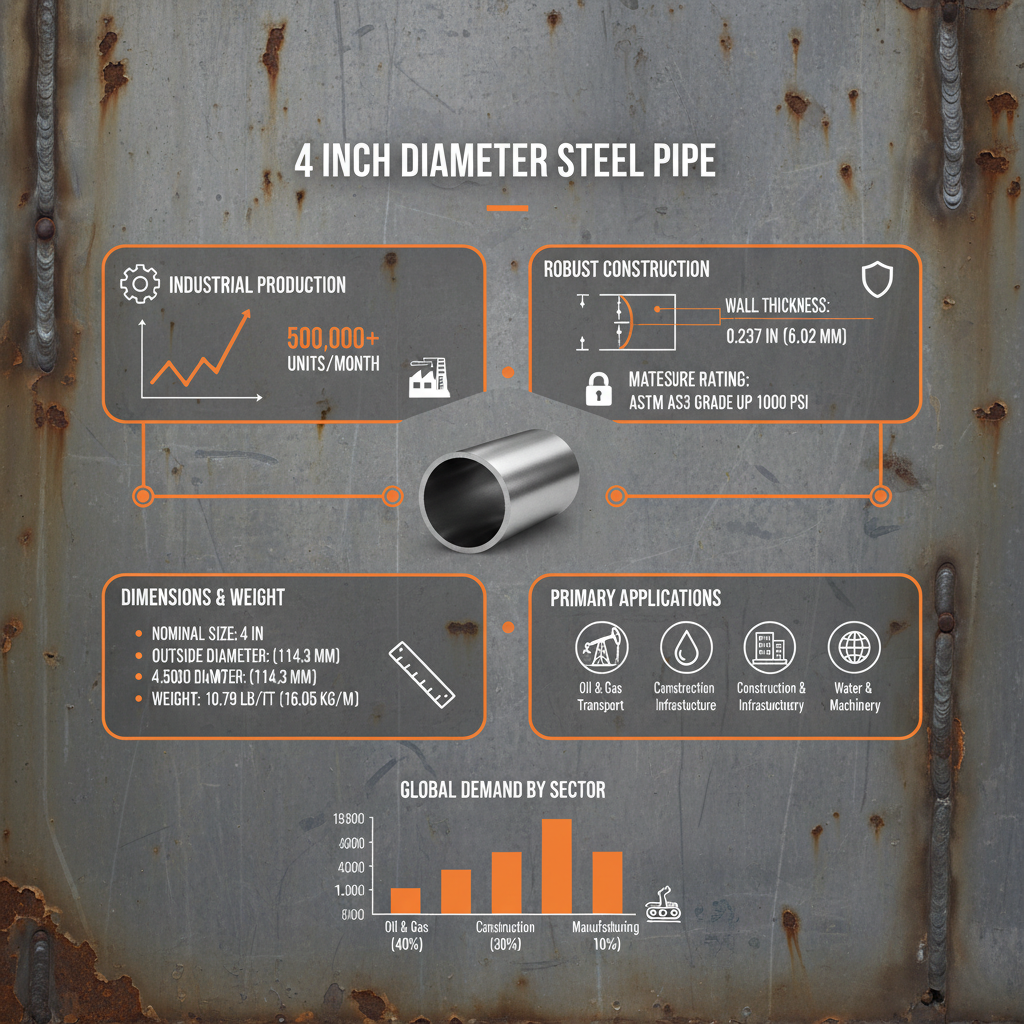
The price of 4 inch steel pipe is affected by several variables. Raw material costs (iron ore, alloying elements) are a primary driver. Manufacturing processes, including seamless vs. welded construction, also impact the price. Shipping costs, particularly for international orders, can be significant. Supply and demand dynamics also play a role, with prices fluctuating based on market conditions. It's essential to obtain quotes from multiple suppliers and factor in all associated costs when making a purchasing decision.
Selecting the right 4 inch diameter steel pipe requires careful consideration of application, standards compliance, import/export regulations, and cost factors. By understanding these elements, you can ensure a successful project outcome. Lion Pipeline is a trusted supplier dedicated to providing high-quality steel pipe solutions and expert guidance.
Seamless steel pipe is manufactured from a single billet of steel, offering superior strength and resistance to pressure. Welded steel pipe is made by rolling and welding steel plates together. While generally less expensive, welded pipe may have lower strength, particularly at the weld seam. The choice between seamless and welded depends on the application’s pressure and stress requirements. For critical applications, seamless pipe is often preferred.
Lead times vary depending on stock availability, order quantity, and manufacturing schedules. Generally, standard sizes and grades can be delivered within 2-4 weeks. Custom orders or large quantities may require longer lead times, potentially 6-12 weeks. It’s best to confirm lead times with the supplier at the time of inquiry. Lion Pipeline strives to provide accurate lead time estimates and efficient order fulfillment.
Various coatings are used to protect steel pipe from corrosion, including epoxy coatings, polyethylene coatings, and galvanized coatings. Epoxy coatings offer excellent chemical resistance, while polyethylene coatings provide a durable barrier against moisture. Galvanization involves coating the steel with a layer of zinc. The choice of coating depends on the operating environment and the specific corrosion risks.
Always request a Material Test Report (MTR) from the supplier, verifying that the steel meets the required grade and chemical composition. Inspect the pipe for any visible defects, such as dents, cracks, or corrosion. Ensure the pipe is properly marked with the manufacturer’s name, grade, and size. If necessary, consider third-party inspection to verify compliance with standards.
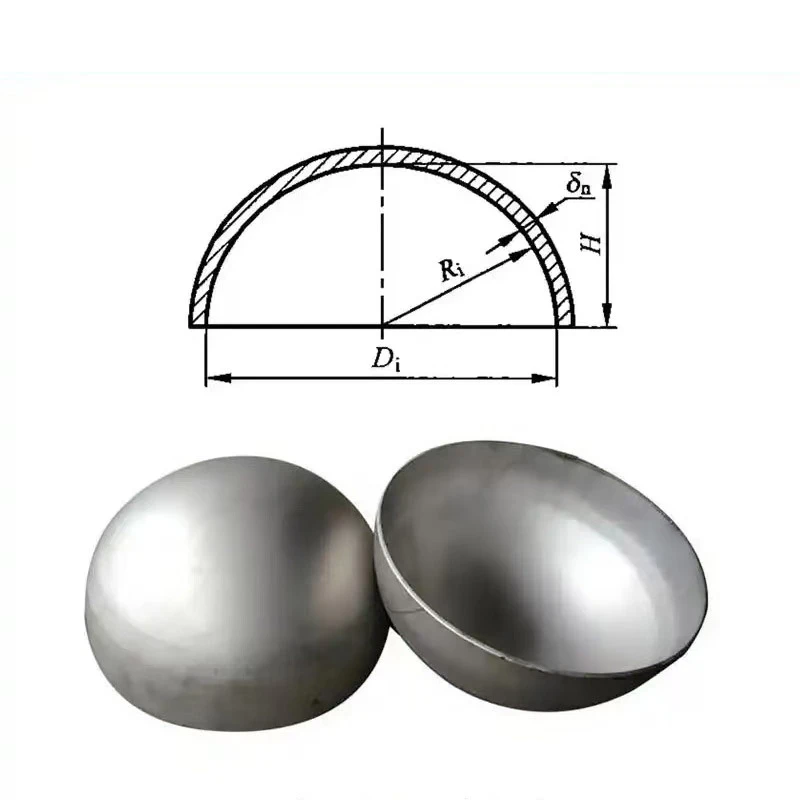
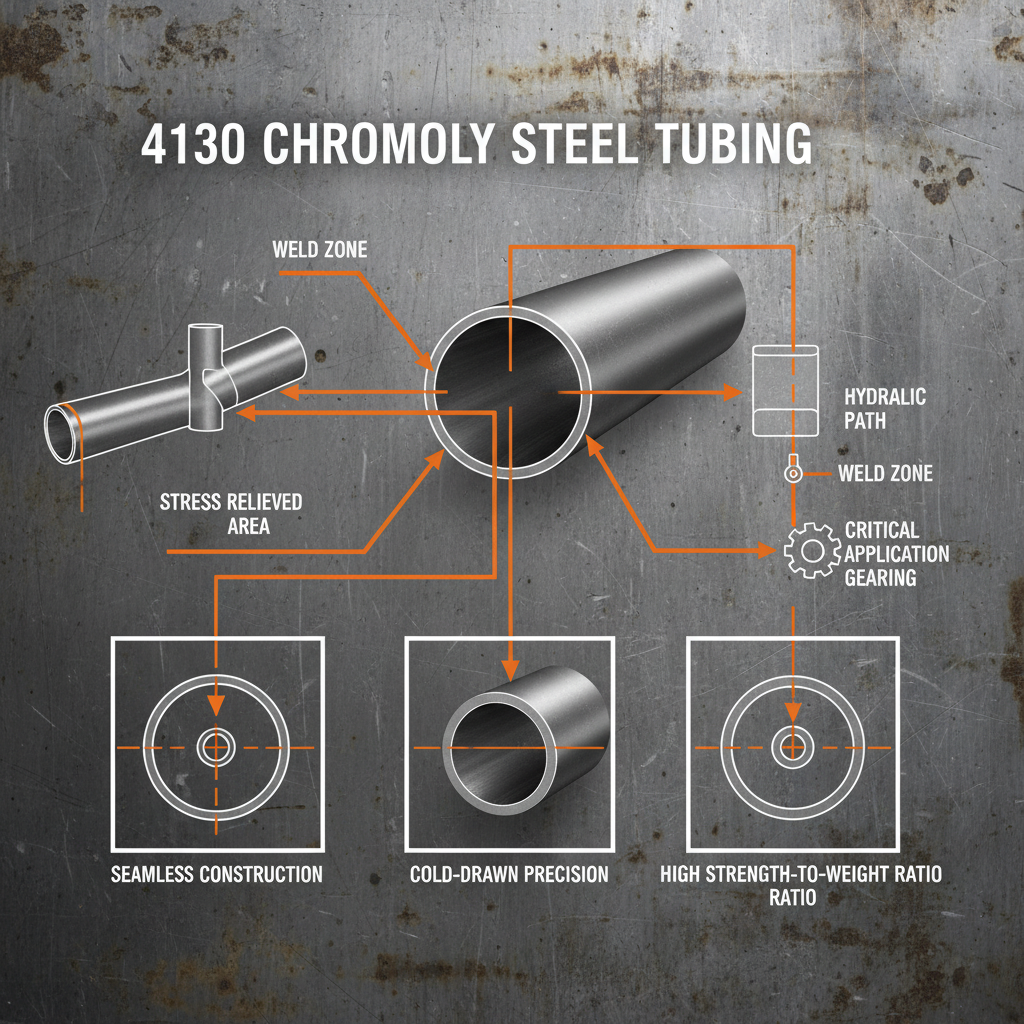
Ultimate Guide to 4130 Tubing Strength Performance and Applications
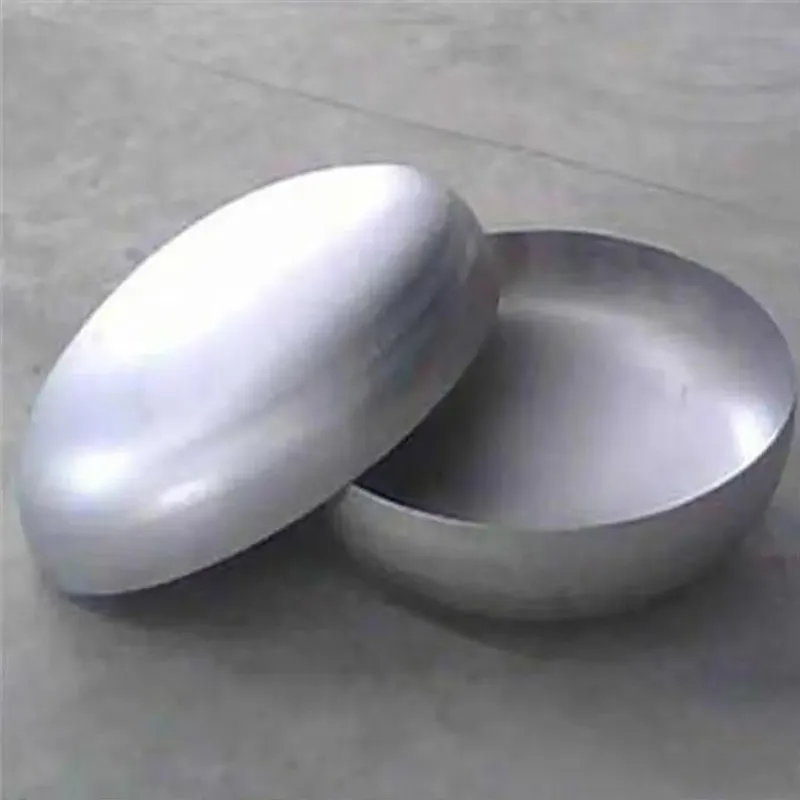
Pipe Cap-Cangzhou Lion Technology Co., Ltd.|Enhancing System Efficiency&Durability
Pipe Cap-Cangzhou Lion Technology Co., Ltd.|Enhancing System Efficiency&Durability
Pipe Cap-Cangzhou Lion Technology Co., Ltd.|Enhancing System Efficiency&Durability
Pipe Cap-Cangzhou Lion Technology Co., Ltd.|Enhancing System Efficiency&Durability
Pipe Cap-Cangzhou Lion Technology Co., Ltd.|Enhancing System Efficiency&Durability