304 stainless steel tubing is a versatile material utilized across a vast spectrum of industries, from construction and manufacturing to food processing and medical applications. Its exceptional corrosion resistance, durability, and aesthetic appeal make it a preferred choice for numerous projects. Lion Pipeline specializes in providing high-quality 304 stainless steel tubing tailored to meet diverse requirements. This article dives deep into the properties, applications, and advantages of 304 stainless steel tubing, offering valuable insights for informed decision-making.
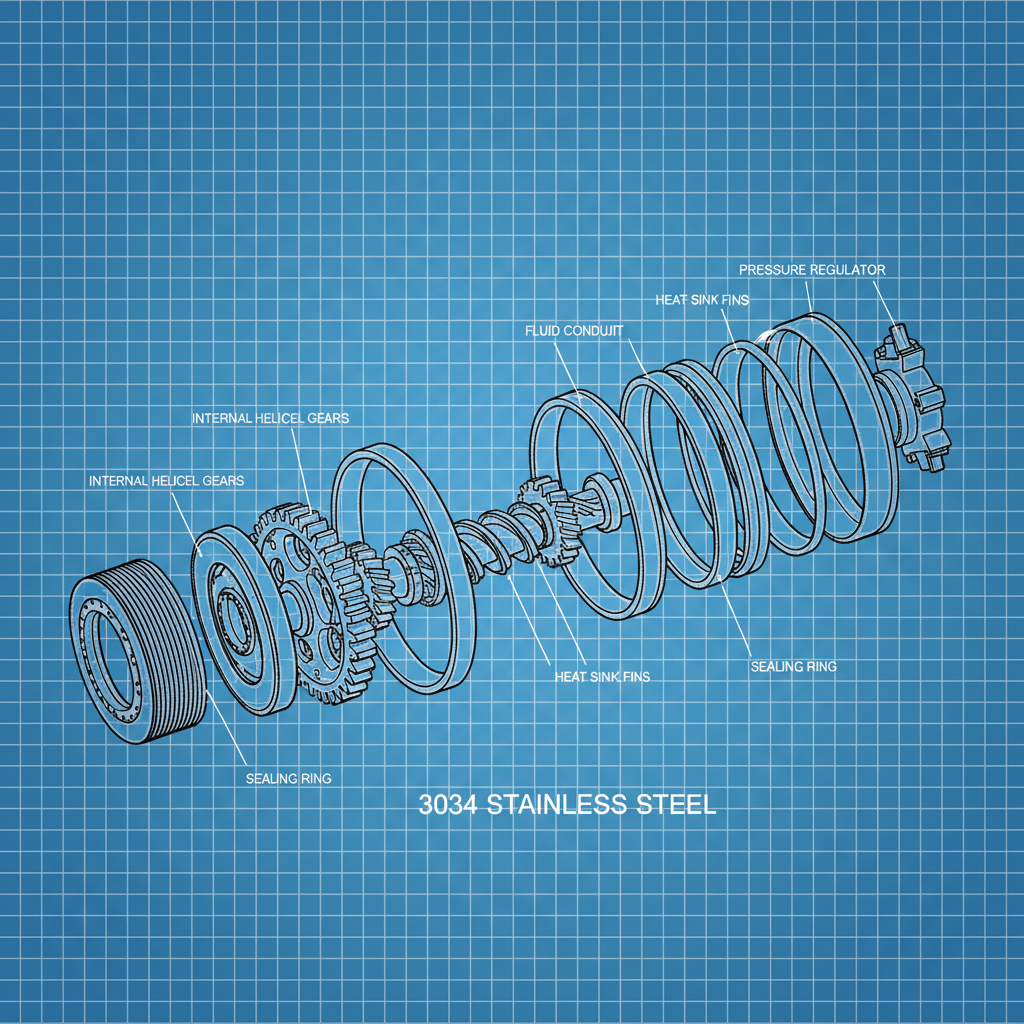
304 stainless steel, also known as 18/8 stainless steel due to its 18% chromium and 8% nickel content, exhibits a remarkable combination of properties. Its primary strength lies in its excellent resistance to corrosion, stemming from the formation of a passive chromium oxide layer on the surface. This layer self-repairs if damaged, further enhancing its durability. Beyond corrosion resistance, 304 stainless steel is known for its high tensile strength, weldability, and formability. It’s also hygienic, easily sanitized, and aesthetically pleasing, making it ideal for applications where cleanliness and appearance are crucial. Explore our selection of 304 stainless steel tubing at Lion Pipeline.
Key Highlights: Exceptional corrosion resistance, high tensile strength, weldability, formability, hygienic properties.
The applications of 304 stainless steel tubing are incredibly diverse. In the food and beverage industry, it's used for pipelines, tanks, and processing equipment due to its hygiene and resistance to food acids. The pharmaceutical industry relies on it for similar reasons, ensuring product purity. Construction utilizes it for handrails, structural supports, and decorative elements. Automotive exhaust systems, heat exchangers, and various manufacturing processes also benefit from its durability and heat resistance. Lion Pipeline offers tailored solutions for these applications and more.
Application Areas:
• Food and Beverage Processing
• Pharmaceutical Industry
• Construction and Architecture
• Automotive Exhaust Systems
304 stainless steel tubing is available in a wide range of sizes, wall thicknesses, and finishes to suit specific project requirements. Outer diameters commonly range from 1/8 inch to 4 inches, with varying wall thicknesses influencing the tubing's strength and weight. Finishes include mill finish, polished, and brushed, impacting the aesthetic appearance. Understanding these specifications is crucial for selecting the right tubing for your application. Below is a sample specification table:
While both 304 and 316 stainless steel offer excellent corrosion resistance, 316 contains molybdenum, enhancing its resistance to chlorides and other corrosive elements. This makes 316 a better choice for marine environments and applications involving harsh chemicals. 304 is generally more cost-effective and suitable for less demanding environments. The selection between the two depends on the specific application and exposure conditions. Contact Lion Pipeline to discuss your project needs and receive expert recommendations.
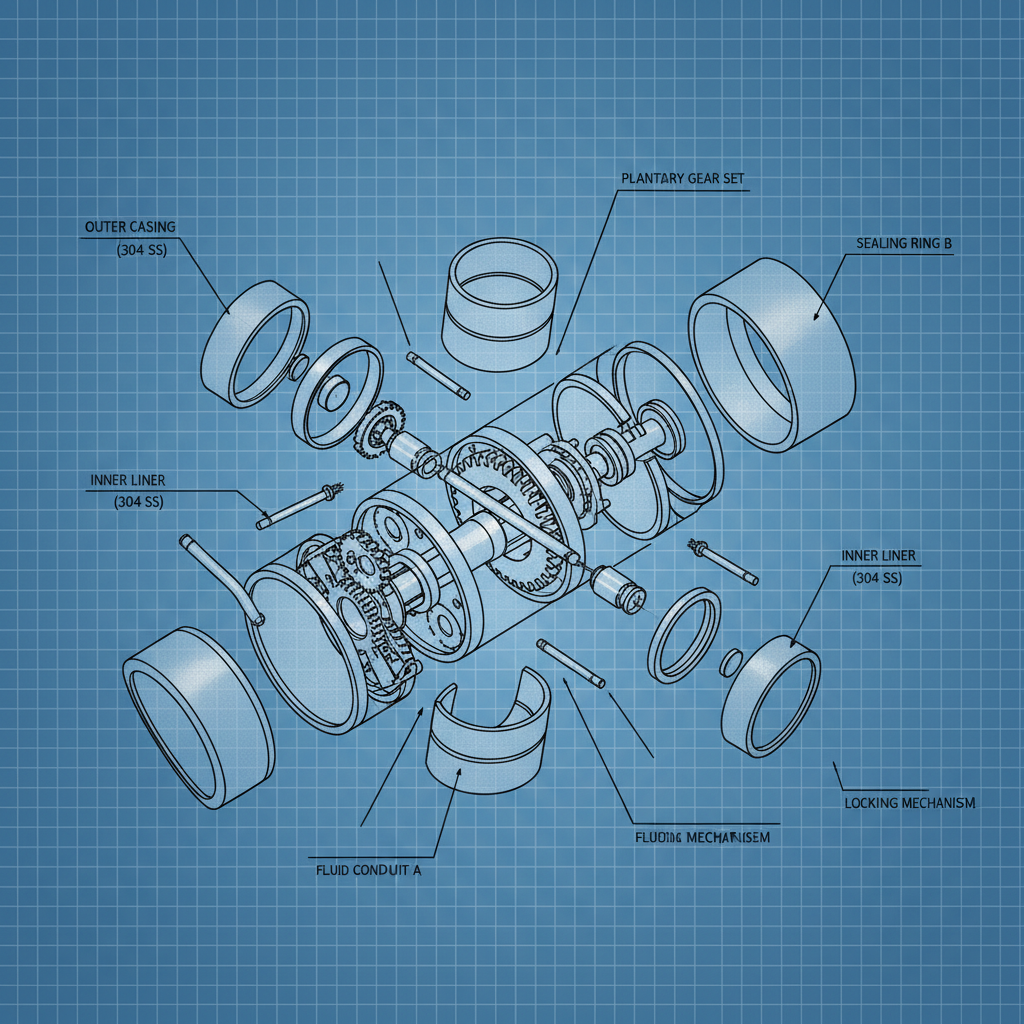
Choosing a reputable supplier like Lion Pipeline is paramount to ensuring the quality and reliability of your 304 stainless steel tubing. Look for suppliers with robust quality control processes, certifications, and a proven track record. Consider factors like lead times, pricing, and customer support when making your decision. A reliable supplier can provide the necessary documentation and technical assistance to ensure your project’s success.
304 stainless steel tubing offers a compelling blend of properties that make it ideal for a wide range of applications. Its corrosion resistance, durability, and versatility ensure long-lasting performance and reliability. By partnering with a trusted supplier like Lion Pipeline, you can access high-quality tubing and expert support to meet your specific project needs.
304 stainless steel tubing is extensively used in the food industry for applications like beverage pipelines, milk processing, ingredient transfer systems, and food storage tanks. Its hygienic properties, corrosion resistance to food acids, and ease of cleaning make it a preferred material. It’s also used in the construction of food processing equipment where sanitation is critical. The smooth surface finish minimizes bacterial adhesion, contributing to food safety.
304 stainless steel resists corrosion due to the formation of a passive chromium oxide layer on its surface. Chromium reacts with oxygen in the air to create this thin, transparent, and self-healing layer. This layer acts as a barrier, preventing the underlying steel from coming into contact with corrosive elements like water and oxygen. If the layer is damaged, it quickly reforms, maintaining corrosion protection.
Yes, 304 stainless steel tubing is readily weldable using various techniques, including TIG, MIG, and stick welding. However, proper welding procedures and filler metals are crucial to maintain corrosion resistance. Post-weld heat treatment may be necessary in some applications to restore the optimal microstructure and prevent sensitization, which can reduce corrosion resistance. Lion Pipeline can provide guidance on appropriate welding techniques.
Seamless tubing is manufactured without a weld seam, offering superior strength and resistance to pressure. Welded tubing is created by welding a strip of stainless steel into a tube shape. While welded tubing is generally more cost-effective, it may have slightly lower strength and corrosion resistance at the weld seam. The choice between seamless and welded tubing depends on the application’s pressure and stress requirements.
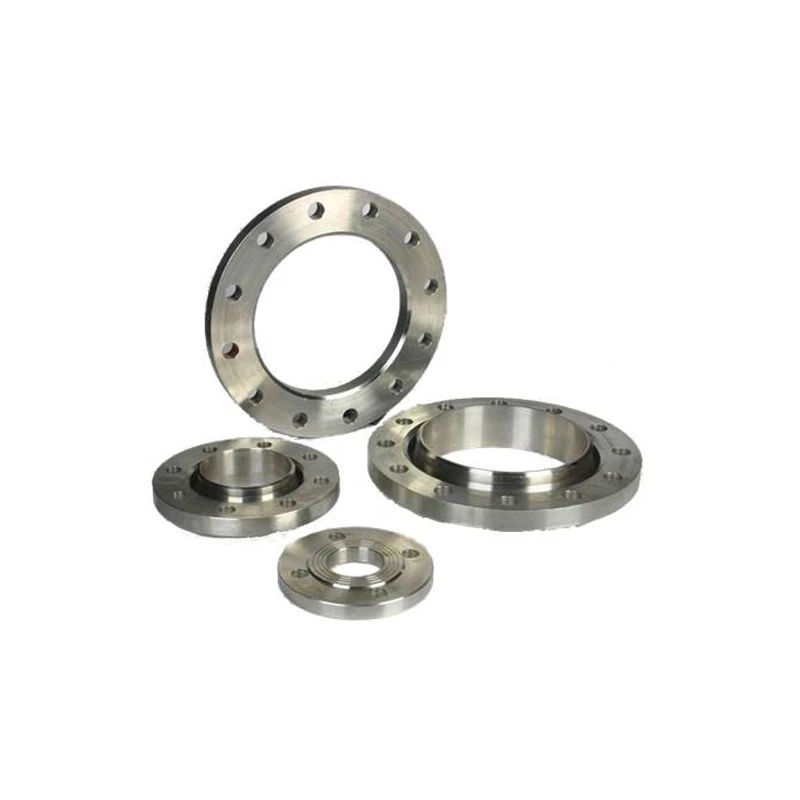

Ultimate Guide to 4130 Tubing Strength Performance and Applications
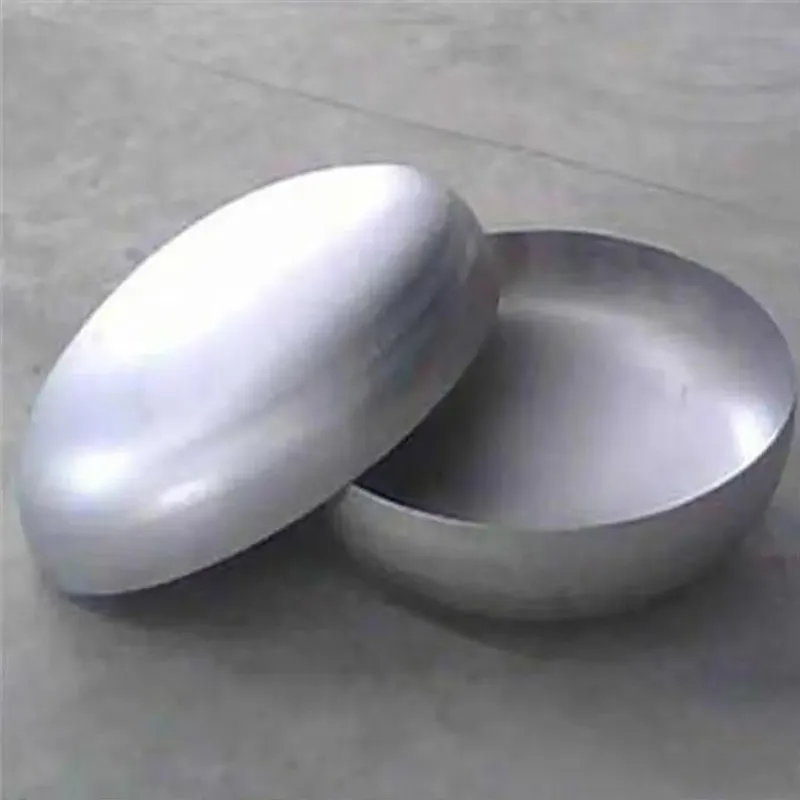
Pipe Cap-Cangzhou Lion Technology Co., Ltd.|Enhancing System Efficiency&Durability
Pipe Cap-Cangzhou Lion Technology Co., Ltd.|Enhancing System Efficiency&Durability
Pipe Cap-Cangzhou Lion Technology Co., Ltd.|Enhancing System Efficiency&Durability
Pipe Cap-Cangzhou Lion Technology Co., Ltd.|Enhancing System Efficiency&Durability
Pipe Cap-Cangzhou Lion Technology Co., Ltd.|Enhancing System Efficiency&Durability