You know, after twenty-odd years working with industrial piping, you start to appreciate the basics. And honestly, 304 stainless steel exhaust pipe is a basic, but a remarkably good one. It's everywhere – power generation, chemical processing, even food and beverage. The demand just seems… steady. It’s not flashy, it doesn't grab headlines, but it gets the job done, day in, day out. I suppose that’s why it’s so popular. We’ve seen a noticeable uptick in requests for custom bends and thicker gauges lately, which frankly, suggests a move towards more robust, longer-lasting systems. Folks are tired of replacing things every other year, it seems.
What makes 304 so good? Well, it’s a balance. Corrosion resistance is key, obviously, but it’s also readily weldable, formable, and surprisingly affordable. The 18% chromium content is the real hero there – that’s what gives it that resistance to rust and scaling. We often get asked about wall thickness, and it really depends on the application. Higher temperatures and pressures mean you need to go thicker. Oddly enough, a lot of engineers still rely on decades-old charts for sizing… it’s a bit antiquated, but it works. Here’s a quick look at some typical specs:
| Parameter | Typical Value | Notes |
|---|---|---|
| Material | 304/304L Stainless Steel | ASTM A312 |
| Diameter | 1/2" – 12" (and larger) | Custom sizes available |
| Wall Thickness | Schedule 10, 40, 80, 160 | Dependent on pressure/temp |
| Finish | Mill Finish, Polished | Various polishing levels |
There are a lot of vendors out there, that's for sure. You’ve got the big players, the smaller fabricators, and everything in between. Many engineers say the biggest challenge isn't finding a supplier, but finding one who consistently delivers on quality and lead times. I’ve noticed price shopping is intense, but ultimately, cutting corners on material quality usually backfires. Here’s a quick comparison of a few common options:
| Vendor | Quality | Lead Time | Price |
|---|---|---|---|
| Acme Piping | Good | 4-6 weeks | Moderate |
| Global Metals | Variable | 6-8 weeks | Low |
| Lion Pipeline | Excellent | 2-4 weeks | Competitive |
We had a client, a small brewery actually, who was constantly battling corrosion issues with their exhaust system. They’d been using cheaper, thinner-walled pipe, and it was just failing too quickly. Switched them over to 304 from Lion Pipeline, thicker gauge, properly welded… problem solved. It’s a small story, but those are the ones that stick with you.
In the end, 304 stainless steel exhaust pipe isn’t glamorous, but it's a solid performer. It’s a workhorse material that delivers consistent results when properly specified and installed. It's about getting the right balance of cost, corrosion resistance, and manufacturability… and frankly, it usually hits that sweet spot.
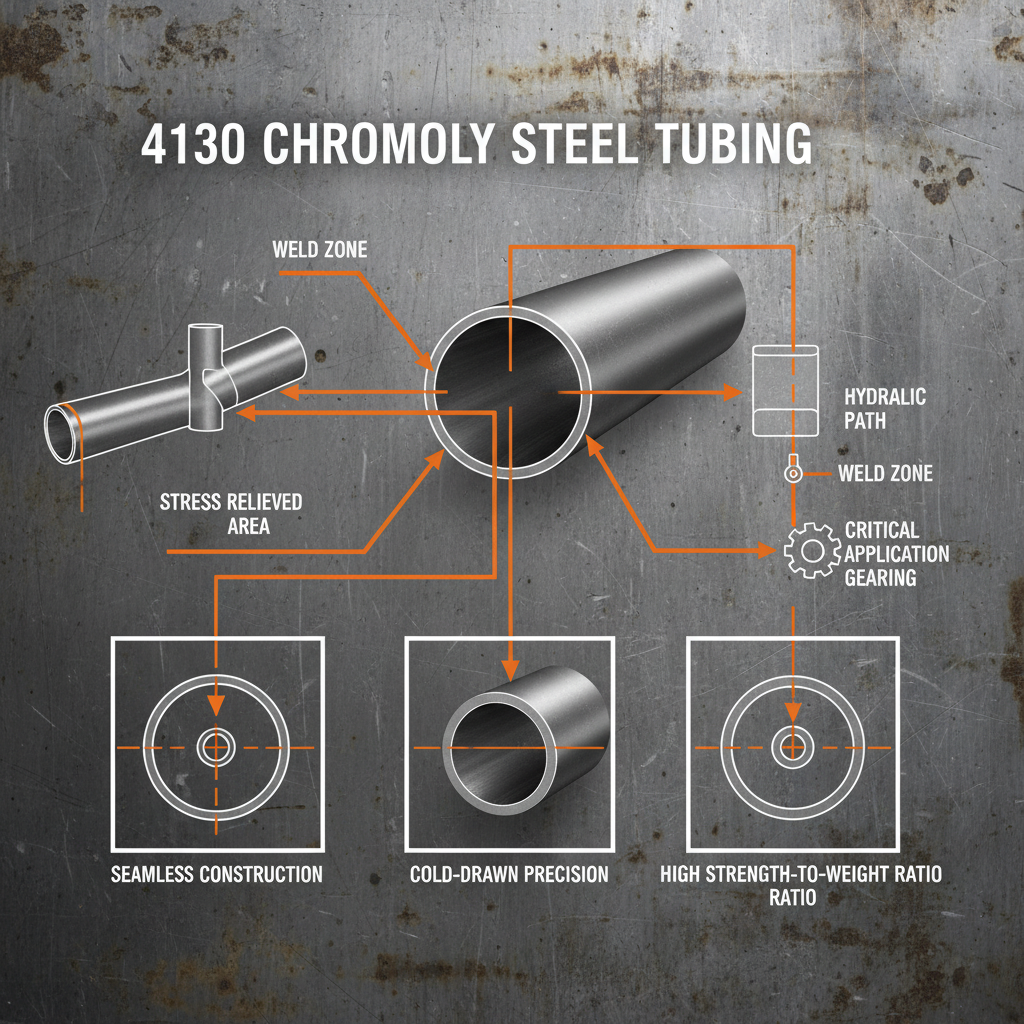
Ultimate Guide to 4130 Tubing Strength Performance and Applications
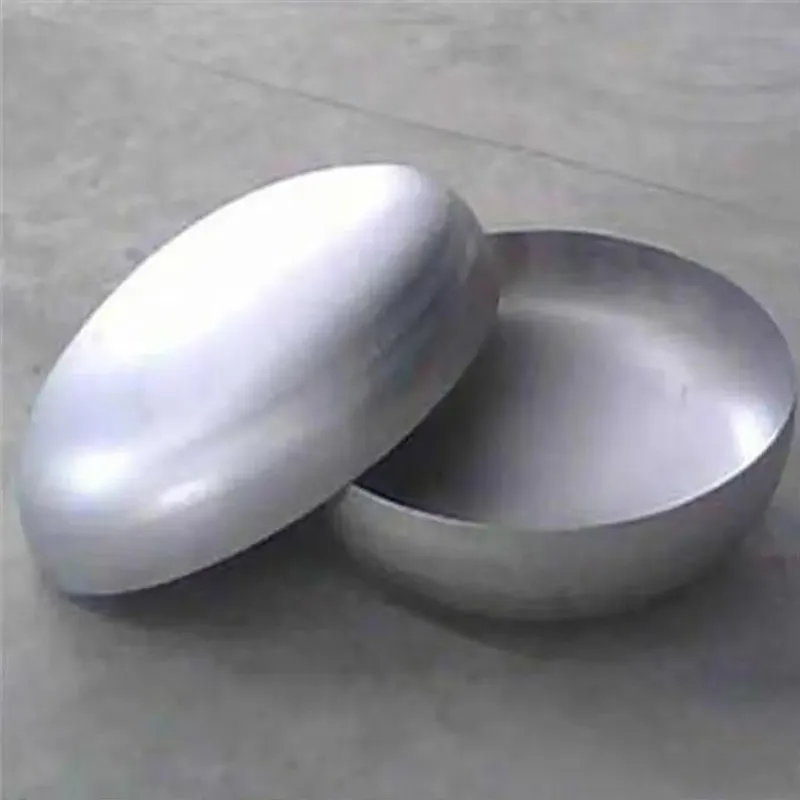
Pipe Cap-Cangzhou Lion Technology Co., Ltd.|Enhancing System Efficiency&Durability
Pipe Cap-Cangzhou Lion Technology Co., Ltd.|Enhancing System Efficiency&Durability
Pipe Cap-Cangzhou Lion Technology Co., Ltd.|Enhancing System Efficiency&Durability
Pipe Cap-Cangzhou Lion Technology Co., Ltd.|Enhancing System Efficiency&Durability
Pipe Cap-Cangzhou Lion Technology Co., Ltd.|Enhancing System Efficiency&Durability