tel
Email
to top

Composite Pipe | Durable, Corrosion-Resistant, Lightweight

Oct 17 2025
share:

Mechanical Clad Steel Pipe: field notes, specs, and what matters in the real world

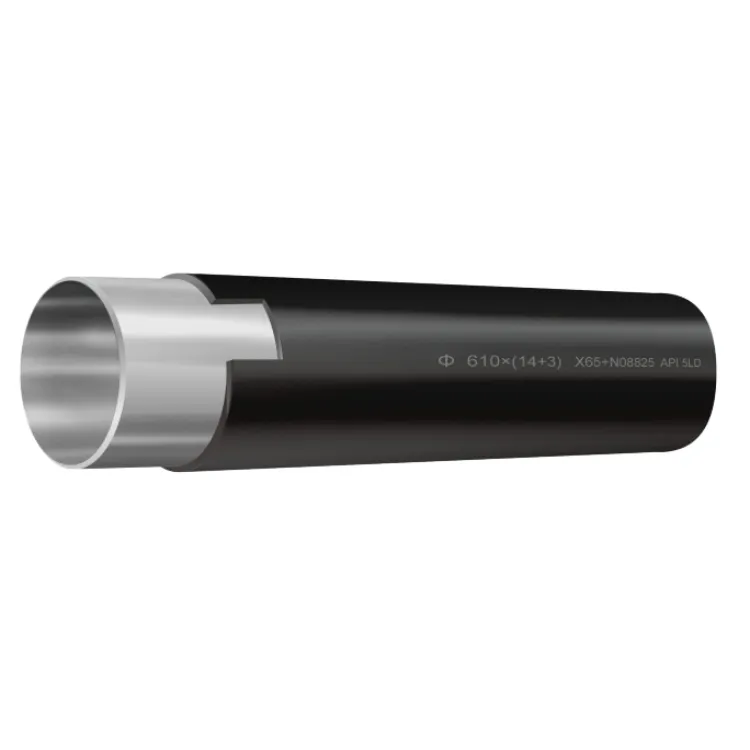
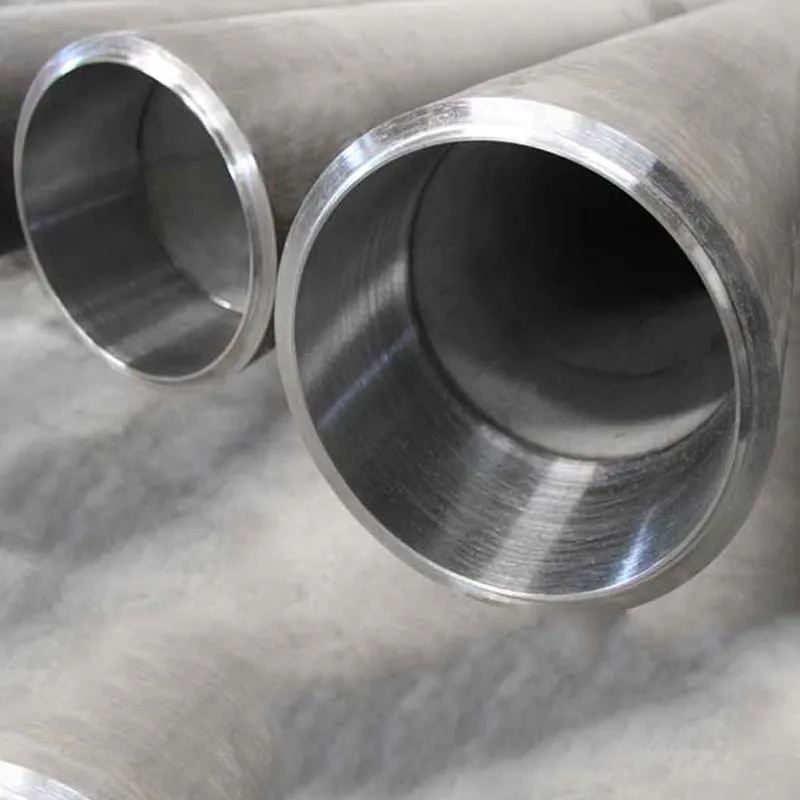
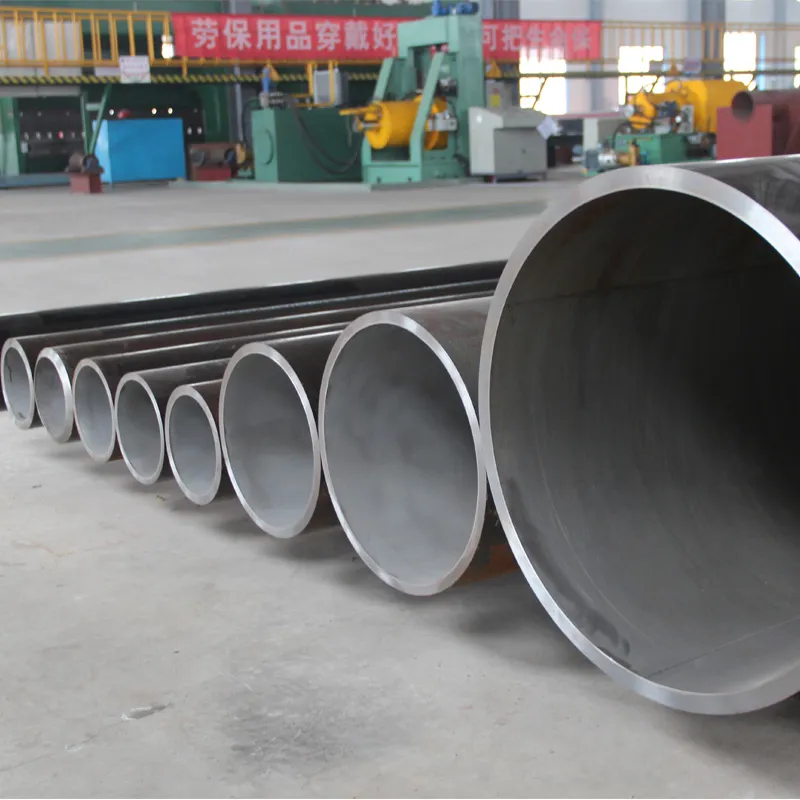
If you're evaluating a composite pipe for corrosive or high-pressure duty, the short version is this: mechanical cladding has matured fast. I visited a line in the Economic Development Zone of Mengcun county, Cangzhou, Hebei—not flashy, but serious. Their Mechanical Clad Steel Pipe (MCSP) blends a carbon steel backbone with a corrosion-resistant alloy liner, pushed together by precision mechanical expansion. The result, when it’s done right, is a tough, economical alternative to solid CRA.
Composite Pipe | Durable, Corrosion-Resistant, Lightweight

Why MCSP now? (Industry trends)

Three currents are converging: sour service expansion (more H2S/CO2), inflation on nickel-based alloys, and decarbonization infrastructure (CO2 gathering, geothermal). Many customers say they’re seeing 20–40% capex savings vs solid CRA, with life-cycle benefits if your fabrication controls are tight. To be honest, the biggest surprise is how repeatable bond integrity has become with modern hydro-expansion and controlled surface prep.

Product snapshot (specs you can actually use)

Base/Backer Steel API 5L (X52–X70), ASTM A106/A333 (as specified)
Liner/Clad Alloy 316L, 904L, Alloy 825, Alloy 625 (others by request)
OD Range 2"–24" (≈ DN50–DN600); larger by project
Wall/Clad Thickness Total WT up to ≈ 25 mm; clad layer ≈ 2–6 mm (real-world use may vary)
Standards API 5LD, ASME B31.3/B31.4, NACE MR0175/ISO 15156, DNV-ST-F101 (as applicable)
Testing Hydrotest 1.5× design; UT C-scan of bond; peel/shear tests per API 5LD; PMI on CRA
Service Life ≈ 25–50 years depending on media, temperature, and weld procedures
Composite Pipe | Durable, Corrosion-Resistant, Lightweight

Process flow (short version)

Materials verification (MTC + PMI) → grit blasting and chemically activated surfaces → liner insertion → controlled mechanical expansion (hydraulic) to achieve intimate contact → trimming and end processing → weld end buttering (CRA overlay) → NDE (UT bond map, dimensional) → hydrotest → documentation pack.

Typical bond shear strength targets ≥ ≈35 MPa; corrosion checks use ASTM G48 for pitting on stainless and ISO 15156 conformance for sour. I guess the key is surface cleanliness before expansion; every veteran QA will harp on that.
Where it fits

  • Oil & gas flowlines, water alternating gas (WAG), produced water reinjection.
  • CO2 transport lines for CCUS; wet CO2 with chlorides, tricky but doable.
  • Geothermal and mining slurries (when erosion is moderate).
  • Chemicals, desalination brine headers, and refinery utilities.
Composite Pipe | Durable, Corrosion-Resistant, Lightweight

Vendor landscape (quick comparison)

Vendor Core Strength Alloy Range Lead Time Certs
Lion Pipeline (Cangzhou, Hebei) Balanced price/quality, strong bond QA 316L/904L/825/625 ≈ 6–12 weeks after PO ISO 9001/14001/45001
Global Brand A Large OD, offshore track record 316L/825/625/CRA specials ≈ 12–20 weeks API/ISO full suite
Regional Fabricator B Agile small-batch jobs 316L/904L ≈ 4–10 weeks ISO 9001

Customization and welding notes

Bevels to ASME B16.25, CRA buttering at ends to protect the liner, lengths 6–12 m, internal roughness targets Ra ≈ 3.2 μm (process-dependent). Field bending is fine within controlled radii; qualify WPS with dilution control to keep CRA integrity. For composite pipe systems, I always advise mock-up welds and a peel test coupon—cheap insurance.
Composite Pipe | Durable, Corrosion-Resistant, Lightweight

Real-world results (brief cases)

North China sour-water reinjection: X65 + 316L liner, 10" × 9.5 mm WT. UT bond maps 100% acceptance; hydrotest at 1.5× design. After 12 months, reported corrosion rate below 0.05 mm/y; no blister indications.

CO2 dehydration outlet header: X52 + Alloy 825. ASTM G48 pitting test showed mass loss below 1 g/m² at 22°C. Operators noted “clean weld roots” and fewer post-weld touch-ups. Feedback sounds modest, but that’s a win.

Certifications and QA

Factory certifications include ISO 9001/14001/45001; welding to ASME IX; materials per ASTM/EN. Test dossier typically includes MTRs, UT bond C-scans, hydrotest charts, peel/shear records, and PMI logs. It seems basic, but that traceability is what keeps composite pipe projects on schedule—and out of trouble.

Origin: Economic Development Zone of Mengcun county, Cangzhou city, Hebei province.
Authoritative references

  1. API 5LD: Specification for CRA Clad or Lined Steel Pipe.
  2. ASME B31.3: Process Piping Code.
  3. NACE MR0175/ISO 15156: Materials for H2S-containing environments.
  4. DNV-ST-F101: Submarine Pipeline Systems.
  5. ASTM G48: Pitting and crevice corrosion testing of stainless/CRA.
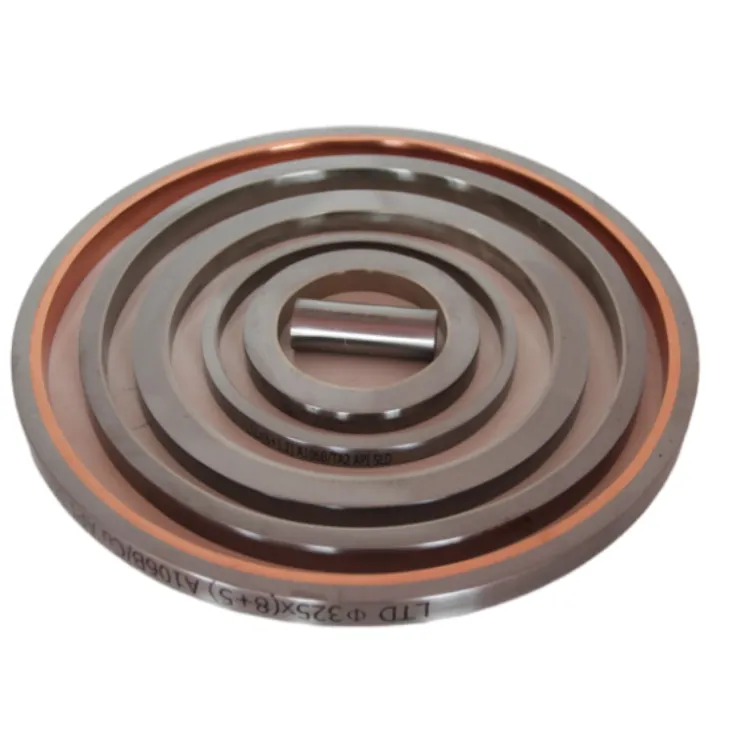
  • Laser Clad  Pipe

    Laser Clad Pipe

    Laser clad steel pipes are manufactured using laser cladding technology. This technology involves adding cladding material to the surface of ordinary steel pipe base material, using high-energy-density laser beams to fuse the cladding material with the steel pipe surface, forming a metallurgically bonded cladding layer. These pipes are generally used in compressed air energy storage projects as underground deep well transportation pipes or casings, as well as in oil, natural gas, and geothermal well extraction.
    VIEW ALL
  • Mechanical Clad Steel Pipe

    Mechanical Clad Steel Pipe

    Mechanical clad steel pipe (MCSP) is a kind of high-performance pipe, which is specially designed for demanding industrial applications. Combining the durability and strength of steel with advanced composite materials, MCSP provides enhanced corrosion resistance, high pressure and extreme temperatures.
    VIEW ALL
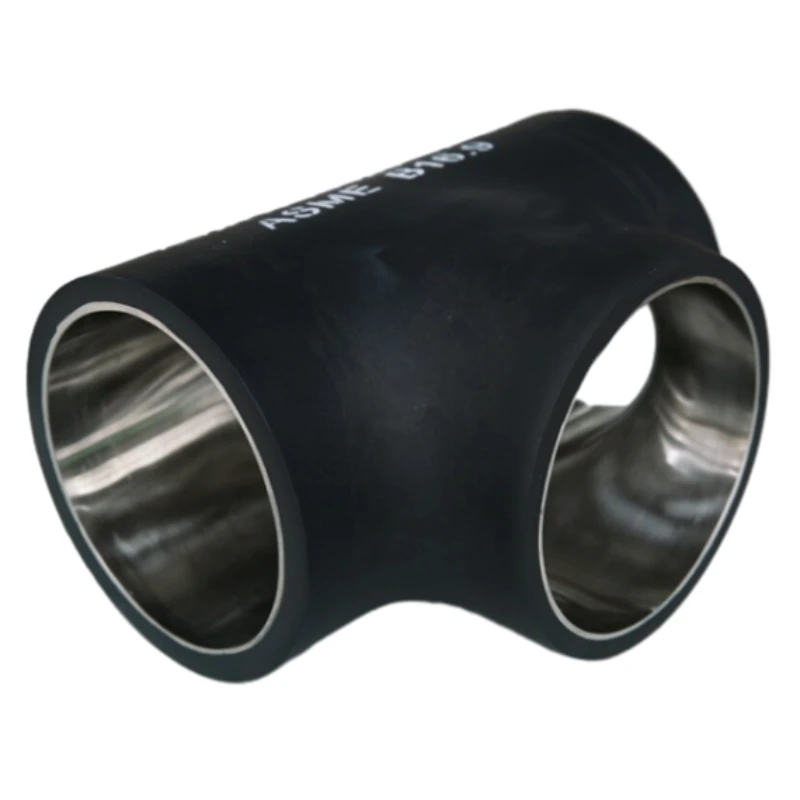
  • Tee Pipe

    Tee Pipe

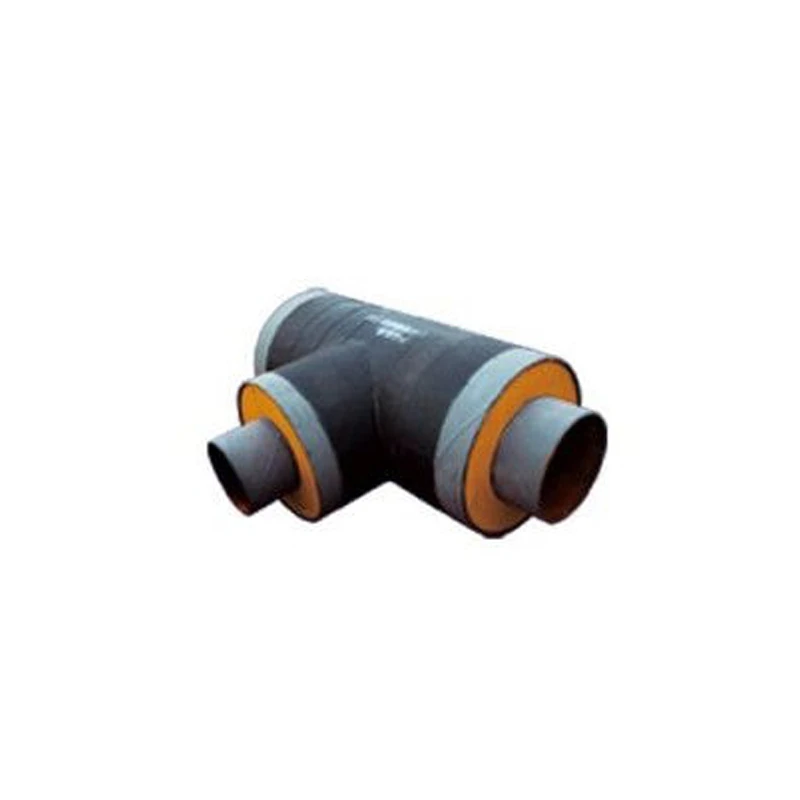
    Tee products are essential pipe fittings used to connect three sections of piping, forming a "T" shape. Available in various materials like carbon steel, stainless steel, and alloy steel, they are designed for use in systems requiring the diversion or junction of fluid flow.
    VIEW ALL
To create value for customers!
Cangzhou Leo Technology Co., Ltd. is located in Mengcun County Economic Development Zone, Cangzhou City, Hebei Province. It is a specialized high-tech enterprise that integrates the research and development, production, and sales of composite pipes and fittings.
News
The company regards product quality as the life of the enterprise, establishes a sound quality management system in accordance with the requirements of industry and national standards, controls all aspects of input and output in the whole process, pays attention to every detail, and ensures that the product delivery pass rate is 100%.
Industrial Guide to High Quality 5 8 Stainless Steel Tubing

Industrial Guide to High Quality 5 8 Stainless Steel Tubing

The Ultimate Guide to 5 8 Stainless Steel Tubing for Industrial Applications In the world of high-pressure fluid systems and structural engineering, precision is everything. 5 8 stainless steel tubing serves as a critical component across various sectors, providing an optimal balance between wall thickness, flow capacity, and mechanical strength. Whether you are dealing with corrosive chemicals in a pharmaceutical plant or high-temperature steam in a power station, choosing the right tubing size and grade is essential for system longevity and safety. This guide explores the technical nuances, material advantages, and practical applications of this specific tubing dimension to help you make an informed procurement decision.
5 8 Square Tubing Applications and Technical Specifications

5 8 Square Tubing Applications and Technical Specifications

The Ultimate Guide to 5 8 Square Tubing: Applications and Specifications When it comes to structural integrity and precision engineering, selecting the right materials is the cornerstone of any successful project. 5 8 square tubing offers a perfect balance of strength, weight, and versatility, making it a preferred choice for architects, automotive engineers, and DIY enthusiasts alike. Whether you are constructing a heavy-duty industrial frame or a sleek piece of modern furniture, understanding the nuances of this specific tubing size is essential for optimizing performance. In this comprehensive guide, we will explore the technical specifications, material options, and various industry applications
Ultimate Guide to 4130 Tubing Strength Performance and Applications
Ultimate Guide to 4130 Tubing Strength Performance and Applications

In the world of high-performance engineering, material selection is the foundation of safety and efficiency. 4130 tubing is widely regarded as the gold standard for applications requiring an exceptional strength-to-weight ratio. This chrome-molybdenum alloy steel is engineered to withstand extreme stress while remaining lightweight enough for aerospace and automotive use. Whether you are designing a roll cage, a bicycle frame, or a critical industrial component, understanding the nuances of this material is essential. In this comprehensive guide, we will explore why this specific alloy is preferred by engineers worldwide and how to choose the right specifications for your project.
Properties and Industrial Applications of 4130 steel tubing

Properties and Industrial Applications of 4130 steel tubing

In the world of high-performance engineering, material selection is the foundation of safety and efficiency. 4130 steel tubing is widely recognized as the gold standard for applications requiring an exceptional strength-to-weight ratio. Known for its versatility and reliability, this chromium-molybdenum alloy is the preferred choice for everything from aircraft frames to professional roll cages. Understanding the nuances of this material allows engineers to optimize structural integrity without adding unnecessary bulk. In this comprehensive guide, we will explore why this specific alloy remains a top choice for critical industrial and aerospace components.
Comprehensive Guide to 40mm Steel Tube Applications and Material Selection

Comprehensive Guide to 40mm Steel Tube Applications and Material Selection

40mm steel tube is a versatile and widely used material in various industries, from construction and manufacturing to automotive and beyond. Its strength, durability, and cost-effectiveness make it an ideal choice for numerous applications. This article will delve into the characteristics, applications, benefits, and considerations when working with 40mm steel tube, providing a comprehensive overview for professionals and anyone interested in this essential material.
Comprehensive Guide to 40mm Steel Pipe Applications and Considerations

Comprehensive Guide to 40mm Steel Pipe Applications and Considerations

40mm steel pipe is a widely used material in various industries due to its strength, durability, and cost-effectiveness. From construction and infrastructure projects to industrial applications and fluid transportation, this pipe size offers a versatile solution. This article will delve into the properties, applications, standards, and key considerations when selecting 40mm steel pipe, helping you make informed decisions for your specific needs.
tel email tel top

If you are interested in our products, you can choose to leave your information here, and we will be in touch with you shortly.