tel
Email
to top

Carbon Steel Reducer – Seamless, ISO-Certified, Fast Ship

Oct 18 2025
share:

Carbon Steel Reducer: field notes from the pipe rack

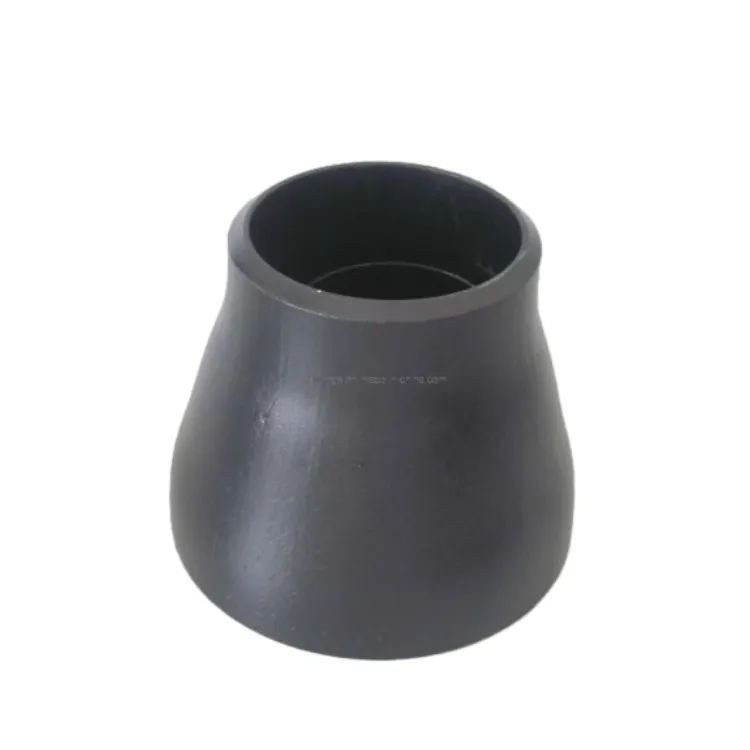
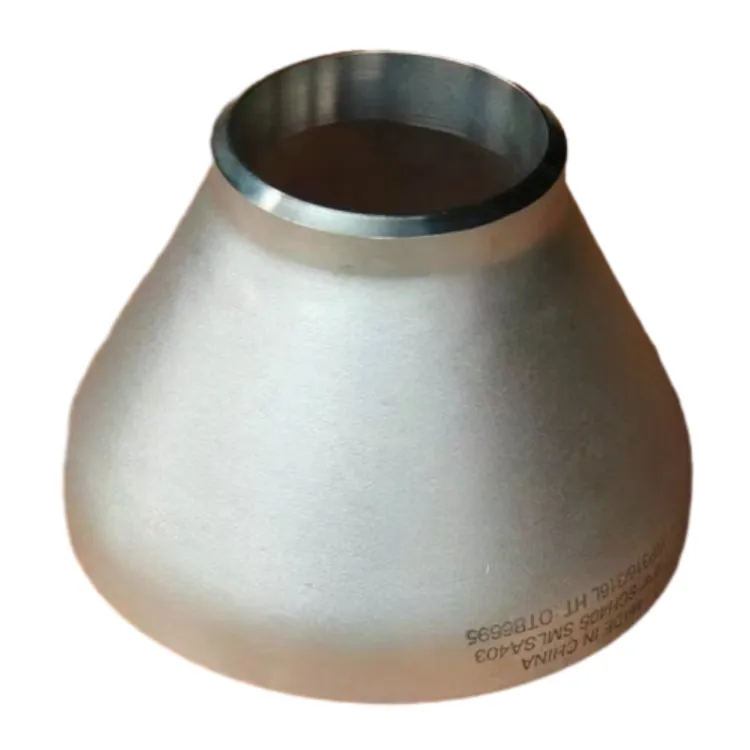
If you spend enough time in pump rooms and pipe corridors, you start to appreciate the humble carbon steel reducer. It’s the small, stoic fitting that makes uneven systems flow like they were born that way. I’ve watched crews debate concentric vs. eccentric at 2 a.m. before a startup; sounds dramatic, but flow stability and NPSH have no patience for guesswork.
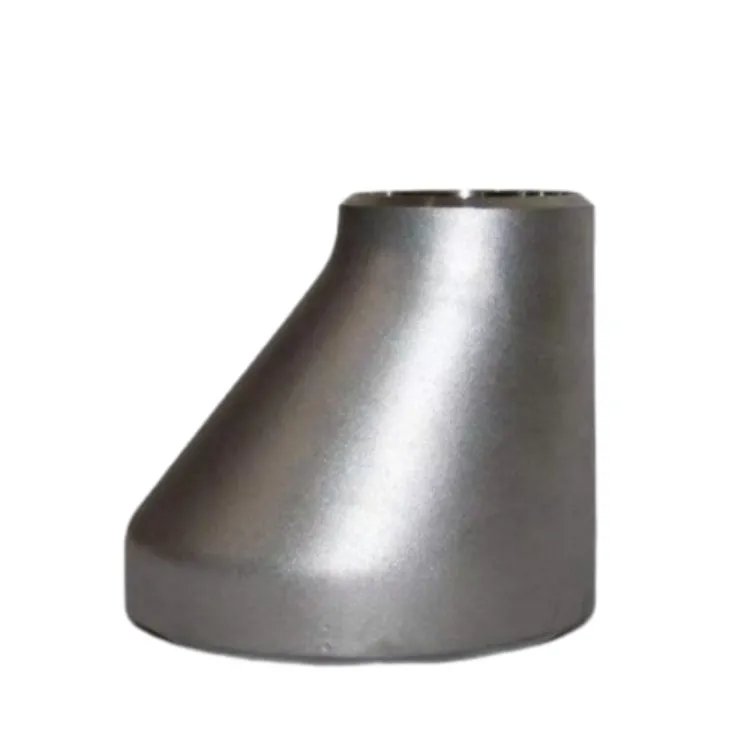
Carbon Steel Reducer – Seamless, ISO-Certified, Fast Ship

What’s trending (and what’s just noise)

Three things: faster lead times (projects don’t wait), traceable steel chemistry (auditors insist), and better surface prep for coatings. Surprisingly, carbon steel still dominates midstream and water despite the stainless buzz—cost curves win. From Hebei’s Economic Development Zone of Mengcun county (Cangzhou, China) to Gulf Coast fab shops, reducers are getting smarter QC without getting pricier.

Key specs at a glance

Product name Reducer (concentric / eccentric)
Materials ASTM A234 WPB/WPC; others on request (≈ real-world projects may vary)
Standards ASME B16.9, ASME B16.25 (bevels), EN 10253; NACE MR0175 option
Size range DN15–DN1200 (1/2"–48"), larger by custom die
Wall schedules SCH 10–XXS; match to pipe design per ASME B31.x
Finish Black varnish, epoxy coat, or bare; bevel ends 30° (+5/−0)
Service temp ≈ −20 to 425 °C (material dependent)
Carbon Steel Reducer – Seamless, ISO-Certified, Fast Ship

How it’s made (shop-floor version)

Materials: certified carbon steel billets/pipe (heat numbers traceable). Methods: hot pushing or press-forming, then trimming and beveling per ASME B16.25. Heat treatment: normalizing or stress relief (project spec driven). Surface: shot-blast SA 2.5, coat if requested. Testing: chemistry per ASTM A751, mechanicals per ASTM A370, dimensional check to ASME B16.9 gauges, NDT (UT/MPI) per ASME Section V for critical services, hardness ≈ 135–190 HBW typical for WPB. Many customers ask about hydro—fittings aren’t always hydrotested by code, but I’ve seen optional hydro or pneumatic leak checks used on high-risk lines.
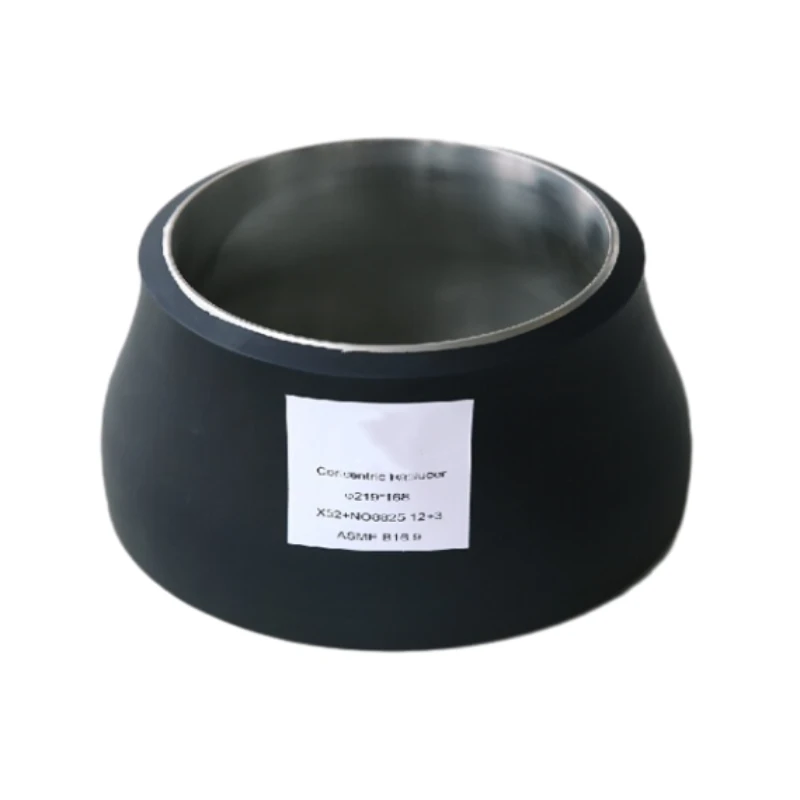
Carbon Steel Reducer – Seamless, ISO-Certified, Fast Ship

Where it works best

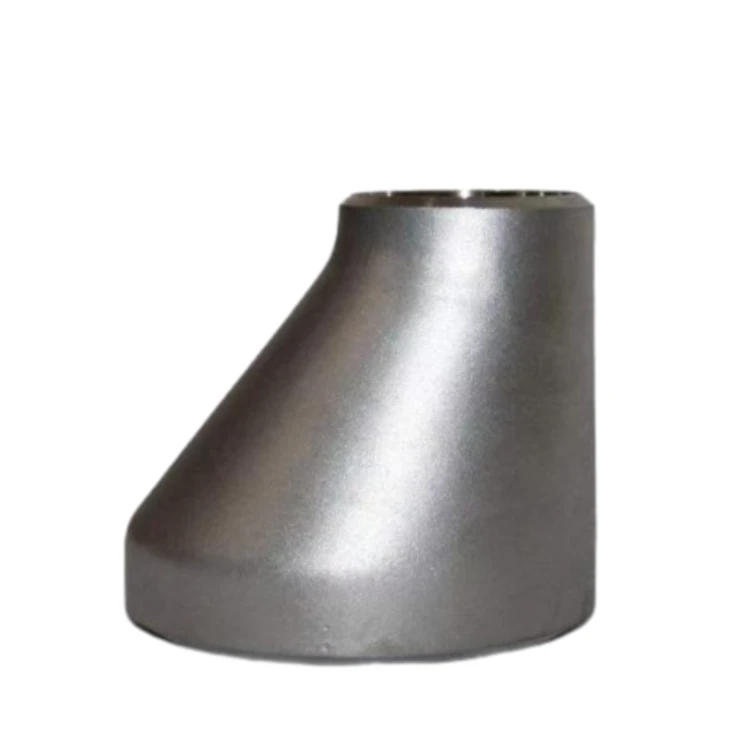
Oil & gas gathering, refinery units, power plant BOP, firewater mains, mining slurries, desalination headers. Concentric for vertical lines and balanced flow; eccentric (flat-top) for pump suctions to avoid vapor pockets—engineers swear by it. The big advantage of a carbon steel reducer is cost-to-reliability: low turbulence, controlled pressure drop, and easy weldability.

Vendor snapshot (real buyer questions)

Vendor Traceability Lead time Certs QC scope
Lion Pipeline (Mengcun, Cangzhou, Hebei) Heat-to-piece, MTC EN 10204 3.1 ≈ 7–20 days stock/standard ISO 9001; PED/CE on request Dimensional + NDT; coating DFT logs
Vendor A Batch level 3–5 weeks ISO 9001 Dimensional only (typ.)
Vendor B Heat level 2–4 weeks ISO 9001; limited PED Dimensional + spot NDT
Carbon Steel Reducer – Seamless, ISO-Certified, Fast Ship

Customization and real-world use

Custom OD/ID transitions, heavy-wall SCH 160/XXS, corrosion allowances, coated ID for brine, and NACE-compliant material for sour service—these are common asks. One midstream operator swapped 12"×8" eccentric, SCH 80 carbon steel reducer units on pump suction lines and reported steadier NPSHa and a small but real power drop. Another water utility used epoxy-lined concentric reducers to tame turbulence on a UV disinfection skid; fewer nuisance alarms, according to the maintenance chief.
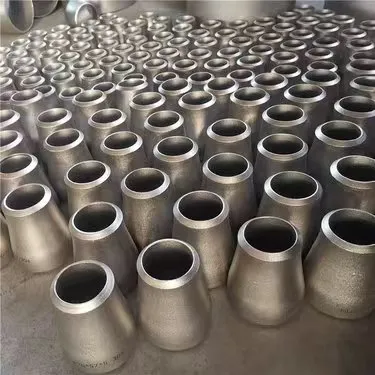
Carbon Steel Reducer – Seamless, ISO-Certified, Fast Ship

Compliance, testing, and service life

Look for MTCs, ASME B16.9 dimensional reports, and NDT records. For sour/CO2 lines, ask for hardness control and MR0175 statements. In typical water or hydrocarbon service, a carbon steel reducer lasts ≈ 20–30 years, longer with proper coating and cathodic protection. Weld fit-up matters more than folks admit—bad hi-lo kills service life faster than material grade, in my experience.

Authoritative citations
  1. ASME B16.9 – Factory-Made Wrought Buttwelding Fittings.
  2. ASTM A234/A234M – Carbon Steel Fittings for Moderate/High Temp Service.
  3. ASME B16.25 – Buttwelding Ends (bevel dimensions and tolerances).
  4. NACE MR0175/ISO 15156 – Materials for H2S in oil and gas production.
  5. ASME B31.3 – Process Piping (design guidance for mating components).
  • Elbow

    Elbow

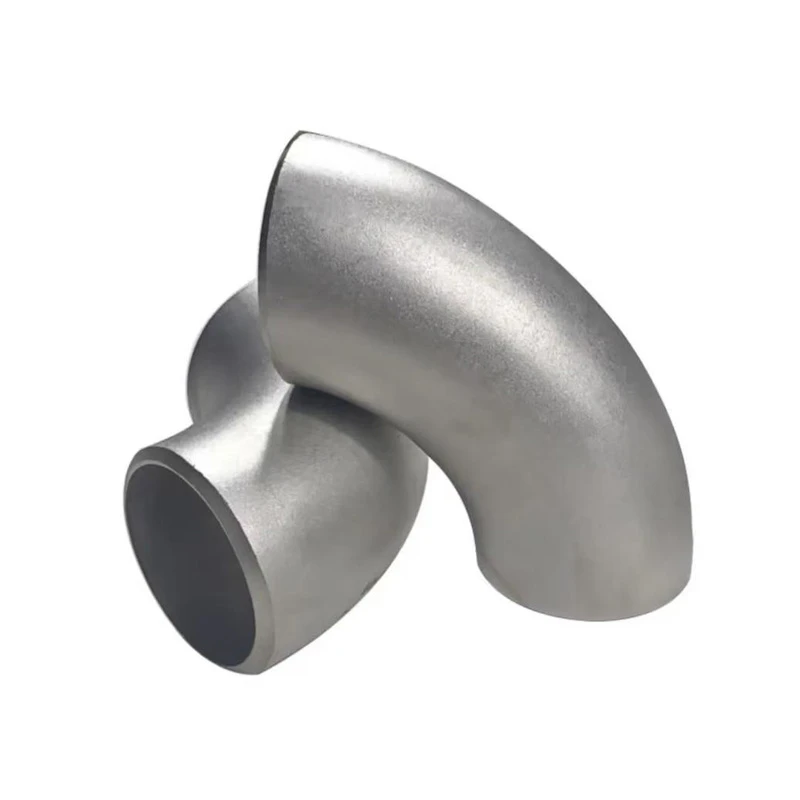
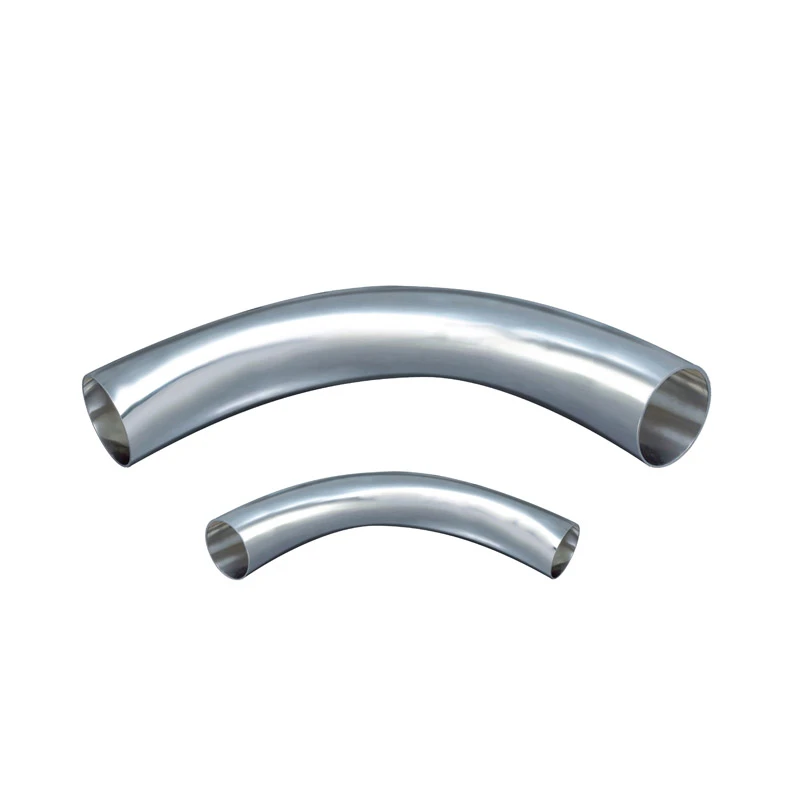
    Carbon Steel &stainless Steel Elbow Elbows are pipe fittings used to change the direction of pipelines in piping systems, commonly employed at pipeline bends. They are widely used in industries such as petroleum, chemical, and power. The common size range for elbows is DN15-DN2000, and typical angles include 45°, 90°, and 180°.
    VIEW ALL
  • Anti Corrosion And Thermal Insulation Products

    Anti Corrosion And Thermal Insulation Products

    The anti-corrosion and thermal insulation products we focus on produce play a key role in the industrial pipeline system, especially the thermal insulation pipe fittings and steel pipes. Thermal insulation pipe fittings cover elbows, tees, reducers and pipe supports, with specifications ranging from DN15 to DN1800, and are made of carbon steel, alloy steel, stainless steel, bimetallic composite, nickel-based alloy and other materials.
    VIEW ALL
  • Bend Pipe

    Bend Pipe

    Bend is a crucial pipe fitting used to change the direction of flow in a piping system. It allows for smooth transitions between sections of pipe, accommodating layout constraints, avoiding obstacles, and optimizing flow paths. Bends are designed to maintain the fluid's velocity and minimize pressure loss while providing the necessary angle of deviation. They are commonly used in various industries, including oil and gas, petrochemicals, water supply, and HVAC systems.
    VIEW ALL
To create value for customers!
Cangzhou Leo Technology Co., Ltd. is located in Mengcun County Economic Development Zone, Cangzhou City, Hebei Province. It is a specialized high-tech enterprise that integrates the research and development, production, and sales of composite pipes and fittings.
News
The company regards product quality as the life of the enterprise, establishes a sound quality management system in accordance with the requirements of industry and national standards, controls all aspects of input and output in the whole process, pays attention to every detail, and ensures that the product delivery pass rate is 100%.
Industrial Guide to High Quality 5 8 Stainless Steel Tubing

Industrial Guide to High Quality 5 8 Stainless Steel Tubing

The Ultimate Guide to 5 8 Stainless Steel Tubing for Industrial Applications In the world of high-pressure fluid systems and structural engineering, precision is everything. 5 8 stainless steel tubing serves as a critical component across various sectors, providing an optimal balance between wall thickness, flow capacity, and mechanical strength. Whether you are dealing with corrosive chemicals in a pharmaceutical plant or high-temperature steam in a power station, choosing the right tubing size and grade is essential for system longevity and safety. This guide explores the technical nuances, material advantages, and practical applications of this specific tubing dimension to help you make an informed procurement decision.
5 8 Square Tubing Applications and Technical Specifications

5 8 Square Tubing Applications and Technical Specifications

The Ultimate Guide to 5 8 Square Tubing: Applications and Specifications When it comes to structural integrity and precision engineering, selecting the right materials is the cornerstone of any successful project. 5 8 square tubing offers a perfect balance of strength, weight, and versatility, making it a preferred choice for architects, automotive engineers, and DIY enthusiasts alike. Whether you are constructing a heavy-duty industrial frame or a sleek piece of modern furniture, understanding the nuances of this specific tubing size is essential for optimizing performance. In this comprehensive guide, we will explore the technical specifications, material options, and various industry applications
Ultimate Guide to 4130 Tubing Strength Performance and Applications
Ultimate Guide to 4130 Tubing Strength Performance and Applications

In the world of high-performance engineering, material selection is the foundation of safety and efficiency. 4130 tubing is widely regarded as the gold standard for applications requiring an exceptional strength-to-weight ratio. This chrome-molybdenum alloy steel is engineered to withstand extreme stress while remaining lightweight enough for aerospace and automotive use. Whether you are designing a roll cage, a bicycle frame, or a critical industrial component, understanding the nuances of this material is essential. In this comprehensive guide, we will explore why this specific alloy is preferred by engineers worldwide and how to choose the right specifications for your project.
Properties and Industrial Applications of 4130 steel tubing

Properties and Industrial Applications of 4130 steel tubing

In the world of high-performance engineering, material selection is the foundation of safety and efficiency. 4130 steel tubing is widely recognized as the gold standard for applications requiring an exceptional strength-to-weight ratio. Known for its versatility and reliability, this chromium-molybdenum alloy is the preferred choice for everything from aircraft frames to professional roll cages. Understanding the nuances of this material allows engineers to optimize structural integrity without adding unnecessary bulk. In this comprehensive guide, we will explore why this specific alloy remains a top choice for critical industrial and aerospace components.
Comprehensive Guide to 40mm Steel Tube Applications and Material Selection

Comprehensive Guide to 40mm Steel Tube Applications and Material Selection

40mm steel tube is a versatile and widely used material in various industries, from construction and manufacturing to automotive and beyond. Its strength, durability, and cost-effectiveness make it an ideal choice for numerous applications. This article will delve into the characteristics, applications, benefits, and considerations when working with 40mm steel tube, providing a comprehensive overview for professionals and anyone interested in this essential material.
Comprehensive Guide to 40mm Steel Pipe Applications and Considerations

Comprehensive Guide to 40mm Steel Pipe Applications and Considerations

40mm steel pipe is a widely used material in various industries due to its strength, durability, and cost-effectiveness. From construction and infrastructure projects to industrial applications and fluid transportation, this pipe size offers a versatile solution. This article will delve into the properties, applications, standards, and key considerations when selecting 40mm steel pipe, helping you make informed decisions for your specific needs.
tel email tel top

If you are interested in our products, you can choose to leave your information here, and we will be in touch with you shortly.