


High Performance Laser Cladding for Industrial Tube Products
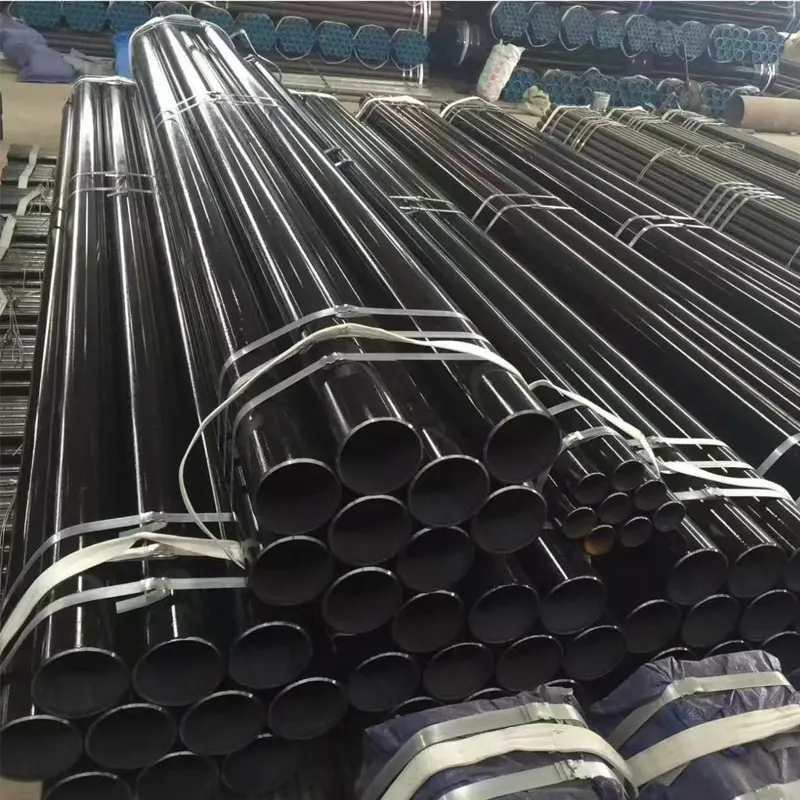
When operating in high-pressure environments involving corrosive chemicals or abrasive fluids, standard carbon steel often fails prematurely, leading to costly downtime and safety risks. Laser cladding technology addresses this vulnerability by fusing a high-performance alloy layer onto a robust steel base, creating a composite structure that marries structural strength with extreme surface resilience. This advanced approach to tube products ensures that the internal bore of the piping can withstand aggressive media without sacrificing the mechanical integrity of the overall system.
By utilizing a precise laser beam to melt the cladding material and a thin layer of the substrate, this process creates a metallurgical bond far superior to traditional coatings. For engineers in the petrochemical and marine sectors, this means a significant reduction in wall thickness requirements while achieving higher corrosion resistance, ultimately lowering the total cost of ownership through extended asset lifespans and reduced maintenance cycles.

Advanced Metallurgical Bonding via High-Precision Laser Cladding Technology
Laser cladding is a sophisticated additive manufacturing process that deposits a corrosion-resistant alloy (CRA) onto the inner surface of a steel pipe. Unlike traditional lining, which relies on mechanical fits, laser cladding creates a full metallurgical bond. The laser's high energy density ensures a rapid melting and solidification cycle, which minimizes the heat-affected zone (HAZ). This precision prevents the base material from losing its structural properties, significantly reducing the risk of deformation or warping during production.
The resulting composite layer is characterized by high density and negligible porosity. This ensures that corrosive agents cannot penetrate the cladding to reach the carbon steel base, a common failure point in cheaper coating methods. By controlling the laser parameters, the cladding thickness can be precisely maintained, ensuring consistent performance across the entire length of the pipe, which is critical for high-pressure applications in the energy sector.

Critical Performance Advantages in Harsh Industrial Environments
The primary value of laser-clad pipes lies in their ability to outperform ordinary alloy pipes in extreme conditions. Specifically, nickel-based alloy cladding provides 3 to 5 times the corrosion resistance of standard alloys, making them indispensable for transporting highly acidic or alkaline fluids. This performance is complemented by exceptional wear resistance, where the high hardness of the cladding layer protects the pipe from erosion caused by particulate-laden flows.
- High Bonding Strength: The metallurgical fusion prevents peeling or delamination, even under severe thermal cycling or high-pressure fluctuations.
- Structural Integrity: Minimal heat input preserves the base steel's original mechanical properties and grain structure.
- Lifespan Extension: Reduced corrosion rates lead to significantly longer service intervals compared to traditional stainless steel alternatives.
Application Engineering for Oil, Gas, and Marine Infrastructure
In the oil and gas industry, the presence of hydrogen sulfide (H2S) and carbon dioxide (CO2) creates a highly corrosive environment that can lead to stress corrosion cracking. Laser clad pipes are engineered to solve this by applying sulfur- and hydrogen-resistant alloys. These pipes are typically used in gas manifold systems, high-pressure injection lines, and subsea pipelines where failure is not an option and repair costs are astronomical.
Marine engineering presents another set of challenges, specifically chloride-induced pitting and salt-water corrosion. By using duplex steel or nickel alloys in the cladding layer, these pipes maintain their integrity in seawater applications. Furthermore, the lightweight nature of the composite design—achieved by using a strong carbon steel outer shell and a thin, high-performance inner layer—simplifies installation on offshore platforms and ships, reducing the overall structural load.
Alloy Correction Factors for Clad Pipe Weight Calculation
| Alloy Material Grade | Correction Factor (F) | Common Application | Performance Characteristic |
|---|---|---|---|
| 1812 | 1.017 | Chemical Processing | High Acid Resistance |
| 2205 | 0.995 | Marine Engineering | Pitting Resistance |
| 2506 | 0.995 | Deep Sea Piping | Super Duplex Strength |
| 2242 | 1.038 | Oil & Gas Refineries | Hydrogen Resistance |
| 2262 | 1.075 | Specialty Chemicals | Extreme Temp Stability |
Quality Assurance and Precision Manufacturing Capabilities
Ensuring zero defects in pressure piping components requires a rigorous integration of heavy machinery and AI-driven inspection. The use of 6000T heavy-duty hydraulic presses and intermediate frequency induction pushers allows for the processing of large-diameter pipes (up to DN3500mm) with wall thicknesses up to 120mm. To maintain temperature control accuracy within 10 degrees Celsius, large-scale natural gas heat treatment furnaces are employed, ensuring that the cladding process does not induce internal stresses.
Beyond manufacturing, quality is verified through a complete physical and chemical inspection center. The integration of non-destructive testing (NDT) and AI-powered visual judgment allows for the detection of microscopic flaws that traditional methods might miss. This commitment to quality is backed by ISO9001, ISO14001, and ISO45001 certifications, as well as PED and CPR qualifications, ensuring that every delivered component meets the stringent safety standards of global energy giants like PetroChina and Sinopec.
Procurement Considerations for High-Pressure Composite Piping
When sourcing clad piping, procurement managers should move beyond simple price-per-meter metrics and evaluate the "lifecycle value." The choice of cladding material must be precisely matched to the fluid chemistry; for instance, opting for a nickel-based alloy over stainless steel may increase initial costs but can reduce maintenance frequency by 60% in high-sulfur environments. Verifying the supplier's ability to handle high-pressure thick-walled fittings (PN≤42Mpa) is also critical to avoid system leaks at connection points.
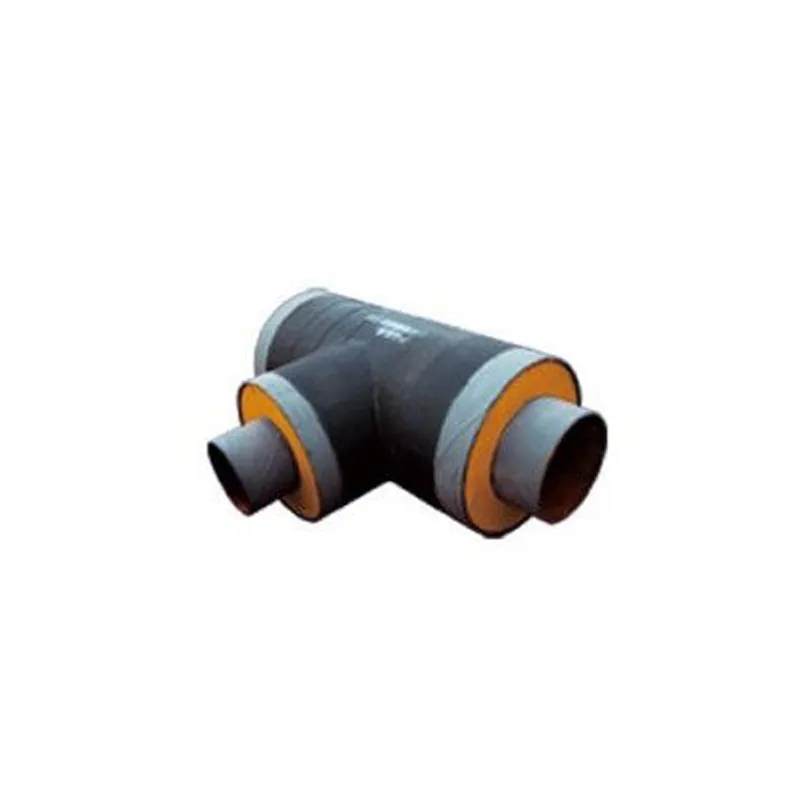
Additionally, buyers should confirm the supplier's prefabrication capacity. A manufacturer capable of providing both the clad pipes and the corresponding bimetallic clad fittings (elbows, tees, reducers) ensures material consistency across the entire loop. This prevents galvanic corrosion at the joints, which often occurs when mixing components from different manufacturers with slightly different alloy compositions.
Technical FAQ on Laser Clad Piping Solutions
What is the primary difference between laser cladding and traditional pipe lining?
Laser cladding creates a metallurgical bond by melting both the cladding material and the base metal, resulting in a fused composite. Traditional lining typically relies on a mechanical bond or adhesive, which is more susceptible to peeling or delamination under high pressure or thermal stress.
Which materials are typically used for the cladding layer?
Common cladding materials include stainless steel, duplex steel, nickel-based alloys, Inconel, copper alloys, aluminum, and titanium, depending on whether the application requires corrosion resistance, wear resistance, or specific thermal properties.
How does laser cladding affect the base steel's properties?
Because the laser provides a concentrated heat source, the heat-affected zone (HAZ) is very small. This means the base steel's structural properties, such as tensile strength and toughness, remain largely unchanged compared to traditional welding or cladding methods.
Can laser clad pipes handle extremely high pressures?
Yes, they are specifically engineered for high-pressure environments. The structural strength is provided by the thick-walled carbon steel base, while the cladding protects the surface. Systems can be produced to handle pressures up to PN 42Mpa.
What are the typical diameter ranges for these products?
Production ranges typically vary by type; lined bimetallic clad pipes can range from DN50 to DN2000, while covered bimetallic clad steel pipes generally range from DN80 to DN1200.
How is the quality of the internal cladding layer verified?
Quality is verified through a combination of physical and chemical testing, non-destructive testing (NDT), and AI-powered visual inspection to ensure zero defects and 100% pass rates before delivery.
Industry Standards and Technical References
- ISO Quality Management Standards for Pressure Equipment
- ASME B31.3 Process Piping Code
- NACE International Corrosion Standards
- ASTM International Material Specifications for Clad Steel
For projects requiring extreme durability in corrosive environments, selecting a supplier with integrated additive manufacturing and AI-inspection capabilities is essential to ensuring long-term operational safety and efficiency.
Related Industrial Piping Insights