


High Performance Industrial Flanges and Steel Pipes in China
When designing critical piping systems for oil, gas, or chemical processing, the intersection of structural integrity and corrosion resistance is where operational safety is decided. High-performance flanges serve as the vital connection points in these systems, ensuring leak-proof seals under extreme pressure and temperature cycles. For engineers sourcing industrial components, selecting between carbon steel, stainless steel, or advanced clad options depends entirely on the chemical aggressiveness of the medium being transported.
Modern infrastructure requires more than just standard fittings; it demands materials that can withstand sulfur-rich environments or high-pressure surges without premature failure. By integrating specialized overlay welding and precision forging, manufacturers can provide solutions that combine the mechanical strength of base metals with the chemical immunity of high-performance alloys, significantly extending the lifecycle of pressure vessel assemblies.

Analyzing the Technical Advantages of Clad and Composite Flange Engineering
Clad flanges, specifically those produced via overlay welding, represent a sophisticated engineering approach to material science. Instead of using a solid piece of expensive alloy, a high-performance alloy layer is applied onto a base metal. This structural synergy ensures that the flange maintains the bulk mechanical strength and cost-efficiency of carbon steel while the contact surface possesses the superior corrosion and wear resistance of materials like Inconel, nickel-based alloys, or stainless steel.
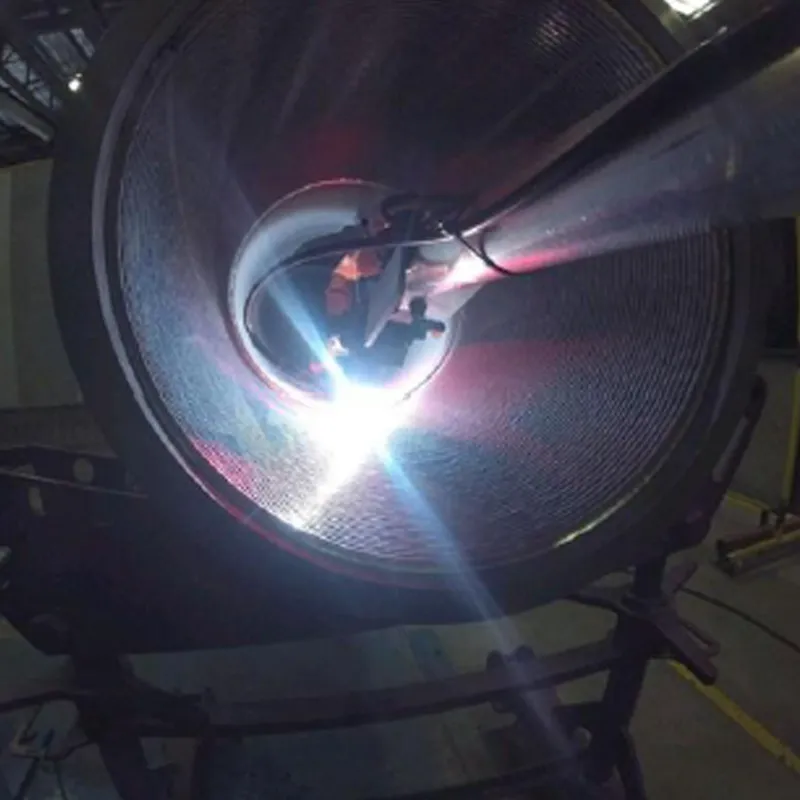
The overlay process allows for precise control over the alloy layer thickness, which is critical for high-pressure and high-temperature applications. This method is particularly effective in the energy sector, where pipes must transport corrosive fluids that would degrade standard carbon steel in a matter of months. The resulting composite structure reduces the frequency of replacements and lowers the total cost of ownership for plant operators.
- Enhanced Durability: Superior resistance to abrasion and chemical attack.
- Optimized Strength: Base metal provides the required structural load-bearing capacity.
- Cost Efficiency: Reduces the need for full-alloy components without sacrificing surface protection.

Material Selection: Carbon Steel vs. Stainless Steel for Industrial Piping
Selecting the correct material for a flange is a balance between environmental conditions and budget. Carbon steel flanges are the industry workhorse, valued for their immense strength and cost-effectiveness. They are the primary choice for non-corrosive environments or systems where protective coatings can be applied. However, in the presence of moisture or aggressive chemicals, carbon steel is susceptible to oxidation and pitting.
Conversely, stainless steel flanges provide inherent resistance to oxidation and staining. They are indispensable in pharmaceutical, food processing, and chemical industries where hygiene and purity are paramount. These materials can handle extreme temperatures without compromising structural integrity, making them ideal for cryogenic or high-heat applications. The decision often comes down to the specific pH levels and temperature ranges of the operating environment.
For the most demanding scenarios, such as those encountered when utilizing steel pipes in china for overseas energy projects, hybrid solutions like bimetallic clad fittings are often employed to bridge the gap between cost and performance.
Practical Application Scenarios in Oil, Gas, and Chemical Processing
In the oil and gas sector, flanges are subjected to "sour" environments containing hydrogen sulfide (H2S), which can lead to sulfide stress cracking. This is where sulfur- and hydrogen-resistant pipe fittings become critical. By utilizing high-pressure thick-walled forged components, engineers can ensure that the manifold systems and gas transport lines remain secure even under PN≤42Mpa pressures.
In chemical processing plants, the focus shifts to chemical compatibility. Flanges connecting reactors and distillation columns must be resistant to a variety of acids and bases. The use of duplex steel or nickel-based alloys in clad flanges ensures that the connection points do not become the "weak link" in the system. The ability to process diameters up to DN3500mm allows for the construction of massive scale industrial installations.
Marine engineering presents another challenge: saltwater corrosion. Here, the combination of stainless steel or specialized alloy coatings is essential to prevent galvanic corrosion and ensure the longevity of shipbuilding and offshore platform piping.
Technical Comparison of Flange Material Performance
| Material Type | Corrosion Resistance | Mechanical Strength | Primary Application |
|---|---|---|---|
| Carbon Steel | Low to Medium | Very High | General Construction / Oil |
| Stainless Steel | High | High | Pharmaceutical / Chemical |
| Bimetallic Clad | Very High | Very High | Energy / High-Pressure Gas |
| Nickel-Based Alloy | Extreme | High | Extreme Chemical Processing |
| Duplex Steel | High | Very High | Marine / Offshore Engineering |
Manufacturing Quality Control and Zero-Defect Inspection Standards
The reliability of a pressure piping component is only as good as its inspection record. Achieving a 100% delivery pass rate requires a multi-layered quality management system. Modern manufacturing now integrates AI-powered visual judgment to supplement traditional non-destructive testing (NDT). This combination allows for the detection of microscopic surface defects or internal voids that could lead to catastrophic failure under high pressure.
Physical and chemical inspection centers verify that the internal quality of the steel is consistent with the requested grade. For clad products, the bond integrity between the alloy layer and the base metal is tested rigorously to ensure there is no delamination. Adherence to ISO 9001, ISO 14001, and ISO 45001, along with PED and CPR certifications, provides the necessary framework for international acceptance in the US, Germany, and the Middle East.
The use of large-scale natural gas heat treatment furnaces with precise temperature control (within 10 degrees Celsius) ensures that the material properties are homogenized, reducing internal stresses in thick-walled forged components.
Procurement Strategies for High-Pressure Piping Components
When procuring flanges and pipe fittings for large-scale projects, buyers should prioritize the supplier's ability to provide comprehensive material traceability. A qualified supplier should be able to provide mill test reports (MTRs) and certification of compliance with international standards. Understanding the processing range—such as the ability to handle diameters up to DN2000 for clad pipes—is essential for ensuring the vendor can meet the project's scale.
Procurement managers should also evaluate the manufacturer's equipment capacity. The presence of heavy-duty hydraulic presses (e.g., 6000T) and intermediate frequency induction pushers indicates the ability to produce high-pressure, thick-walled components that smaller shops cannot handle. This reduces the risk of sourcing from multiple vendors and ensures consistency across the piping network.
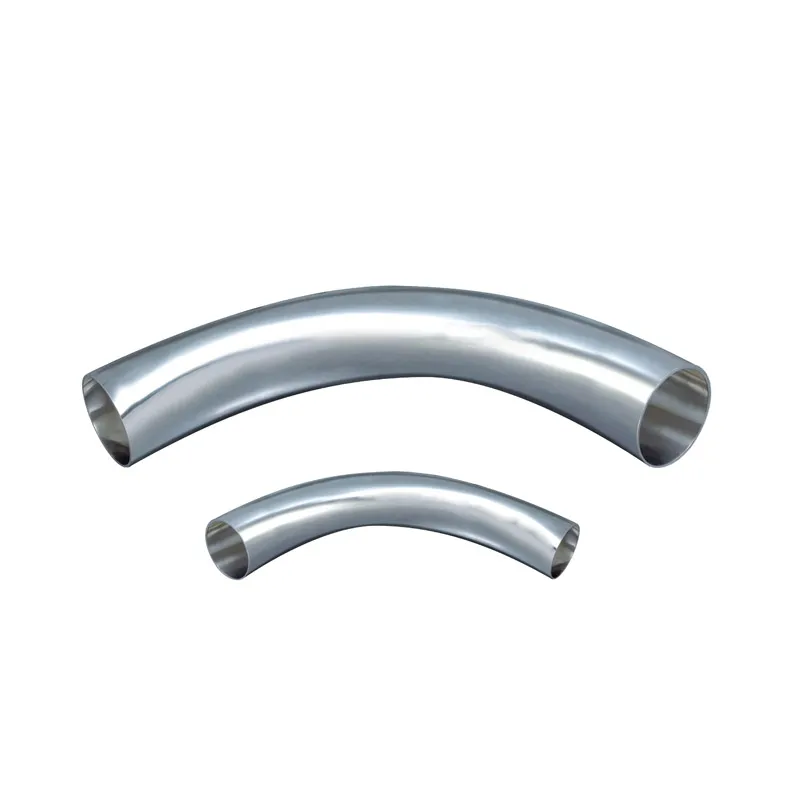
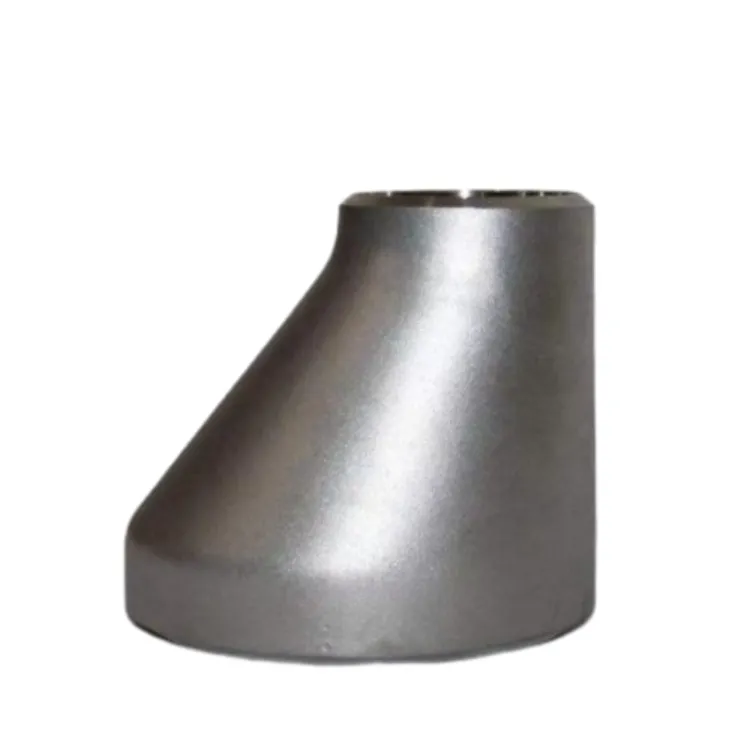
Finally, consider the logistical advantages of integrated production. Suppliers who can provide both the pipes and the corresponding forged fittings (elbows, tees, reducers) can better synchronize material grades and tolerances, simplifying the installation process and reducing site-welding errors.
Technical FAQ: Industrial Flanges and Piping Solutions
What is the primary difference between a clad flange and a solid alloy flange?
A clad flange uses a high-performance alloy layer bonded to a carbon steel base, providing the corrosion resistance of the alloy with the strength and cost-efficiency of steel. A solid alloy flange is made entirely of the expensive alloy, which is often unnecessary for structural strength and significantly more costly.
Which flange material is best for H2S-rich "sour" gas environments?
For sour gas applications, sulfur- and hydrogen-resistant pipe fittings or bimetallic clad flanges (using nickel-based alloys or Inconel) are recommended to prevent sulfide stress cracking and ensure long-term integrity.
How does overlay welding improve flange performance?
Overlay welding applies a precise layer of corrosion-resistant alloy to the surface. This protects the connection face and inner bore from chemical attack while maintaining the mechanical robustness of the base metal, extending the service life in harsh environments.
What certifications should I look for in a pressure piping supplier?
Key certifications include ISO 9001 for quality management, PED (Pressure Equipment Directive) for European markets, and CPR for construction products, ensuring the manufacturer meets international safety and quality benchmarks.
Can clad flanges be used for drinking water transportation?
Yes, 304 lined bimetallic steel pipes and corresponding fittings are frequently used for drinking water transport to ensure hygiene and prevent corrosion without the cost of full stainless steel piping.
What is the benefit of using AI in the inspection of pipe fittings?
AI-assisted visual analysis enhances the accuracy of defect detection during non-destructive testing, helping professionals identify minute cracks or porosity that might be missed by the human eye, aiming for zero-defect delivery.
Technical References and Industry Standards
- ISO Quality Management Standards for Industrial Manufacturing
- ASME Boiler and Pressure Vessel Code (BPVC)
- ASTM International Standards for Steel Materials
- EU Pressure Equipment Directive (PED) Guidelines
Selecting the right flange and piping system is a critical engineering decision. By focusing on material compatibility, manufacturing precision, and rigorous inspection standards, operators can ensure the safety and longevity of their industrial infrastructure.
Related Industrial Piping Solutions